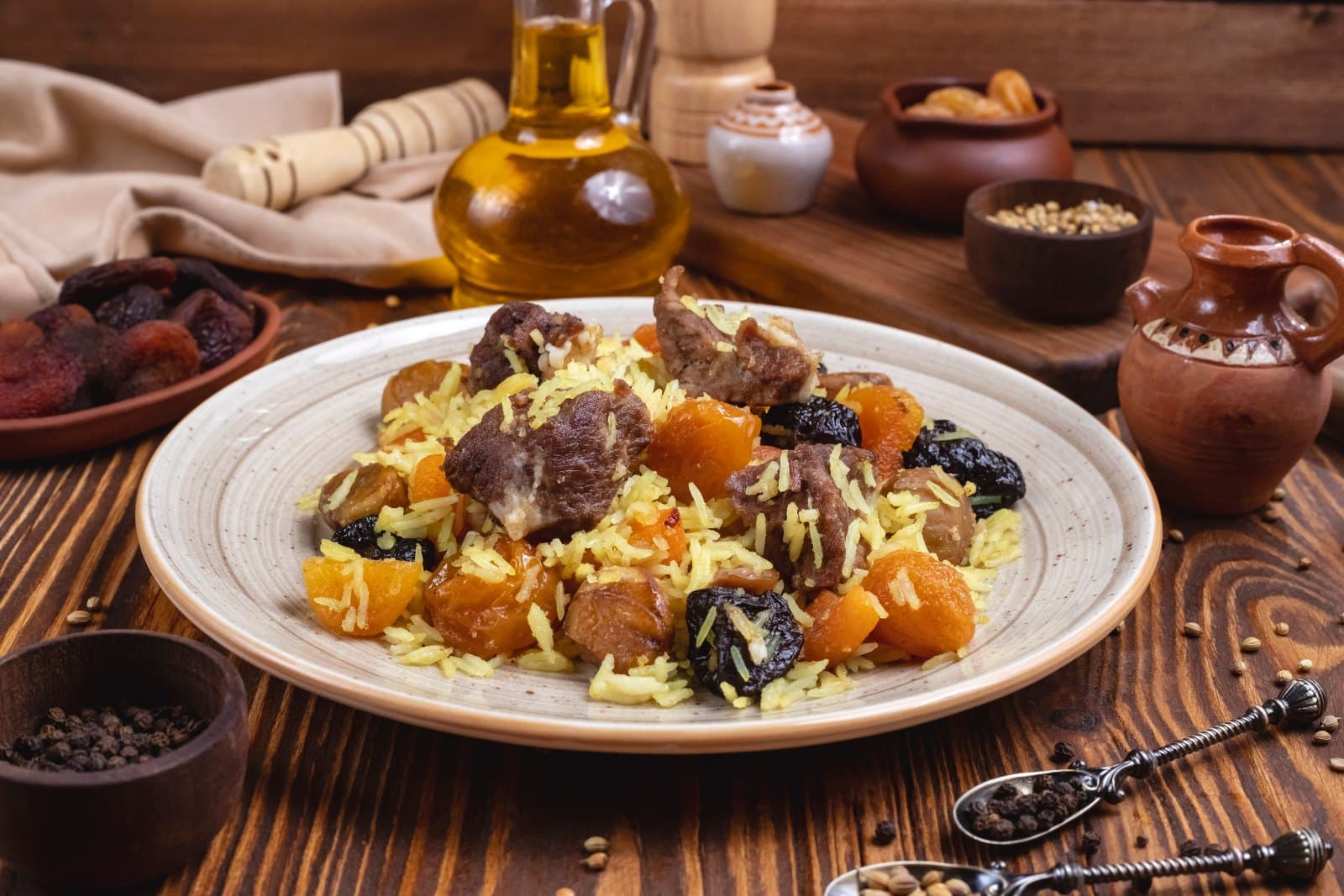
Yes. Bulgur is in the Green zone of Nidam al-Tayyibat, meaning it is permitted without restriction on frequency. It is one of the seven retained starchy foods, alongside rice, potato, frik, sweet potato, corn on the cob and bran sandwich bread.
This is the most comfortable family in the system: unlike vegetables, almost everything it contains is Green. The zones come from the site’s food database.
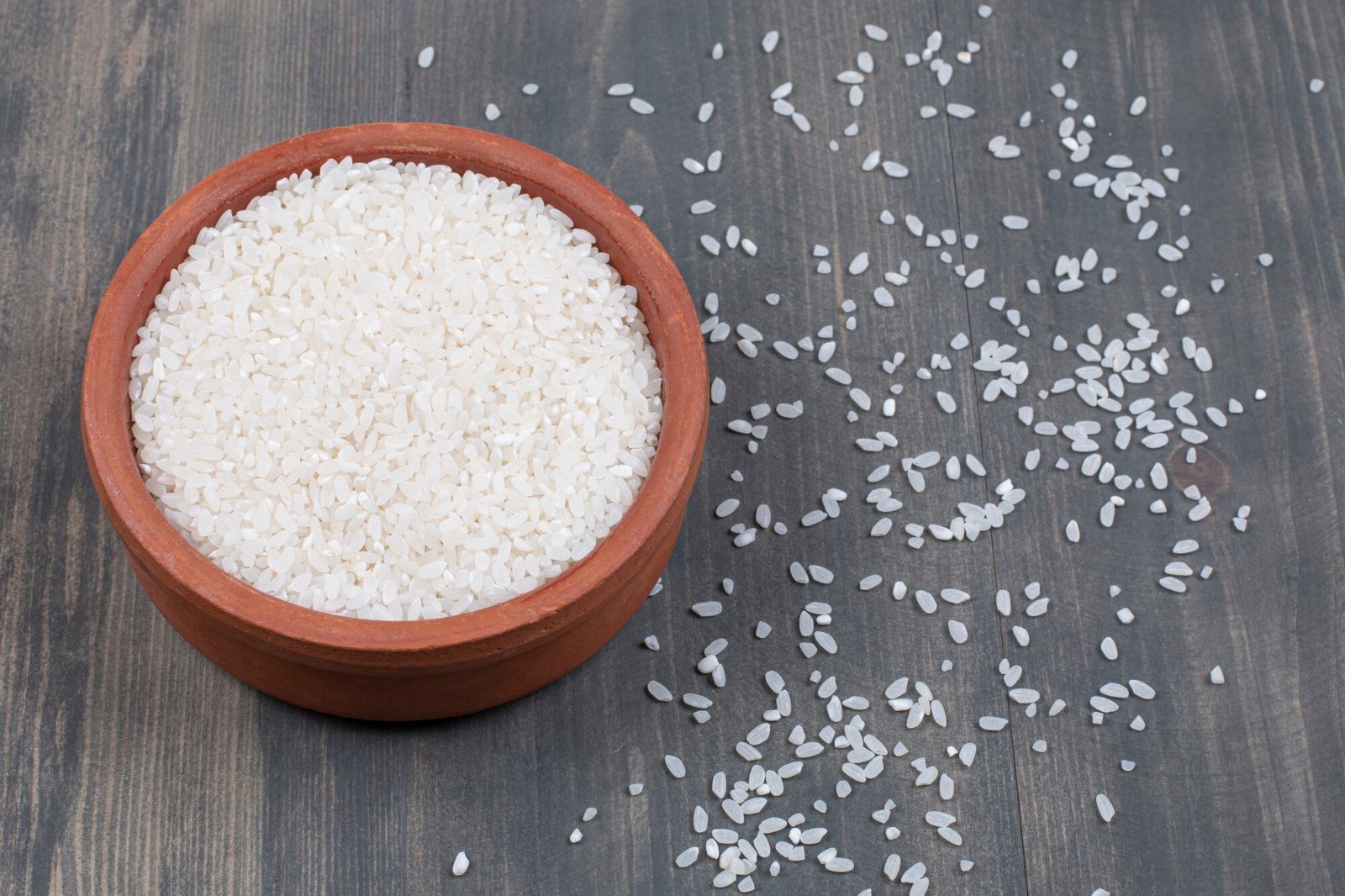
The seven permitted starchy foods
| Starchy food | Zone |
|---|---|
| Rice (basmati, white) | Green |
| Potato | Green |
| Sweet potato | Green |
| Bulgur | Green |
| Frik (roasted green wheat) | Green |
| Corn (on the cob) | Green |
| Bran sandwich bread (wholemeal toast) | Green |
Seven entries, seven Green zones. None is Yellow, Orange or conditional. The system regards this family as the base of the meal rather than a side dish. According to the system, the dish is built on this family, and rice is explicitly described as one of the five pillars.
Bulgur and frik: two cracked wheats, two uses
Bulgur and frik (Green) both come from wheat, which is what surprises people: wheat is not excluded as a grain; its form is what decides.
Bulgur is durum wheat that has been parboiled and then cracked. Frik is green wheat, harvested before maturity and roasted, which gives it the smoky flavour characteristic of Levantine and Maghrebi soups.
Both play the same role as rice on the plate, and according to the system it is this use that leads to their inclusion: they make it possible not to eat rice every day without leaving the list.
Why semolina is not there
This is the most frequent question, because couscous is the benchmark dish of the whole region.
Semolina has no Green zone entry in the database. Wheat appears there in only two forms — bulgur and frik — and semolina is neither. The system works as an allowlist: what is not listed is not permitted by default, and this silence is not permission.
In addition, for classic couscous, the pulses (Red) that accompany it are excluded, as is the onion (Red) in its broth. The detail is covered in our page on chickpeas.
Bread: only one form retained
Bran sandwich bread (Green) is the only form of bread that appears in the database. Neither baguette, nor khobz, nor bakery wholemeal bread, nor msemen: none of these forms has an entry.
This is one of the most visible everyday changes, because bread accompanies nearly every meal in the region. The system asks for bread to be replaced by a cooked starchy food rather than looking for a tolerated version. The system does not offer an equivalent: it replaces bread with a cooked starchy food.
In practice, breakfast becomes the most affected meal, since that is where bread is least replaceable.
How to create variety with seven foods
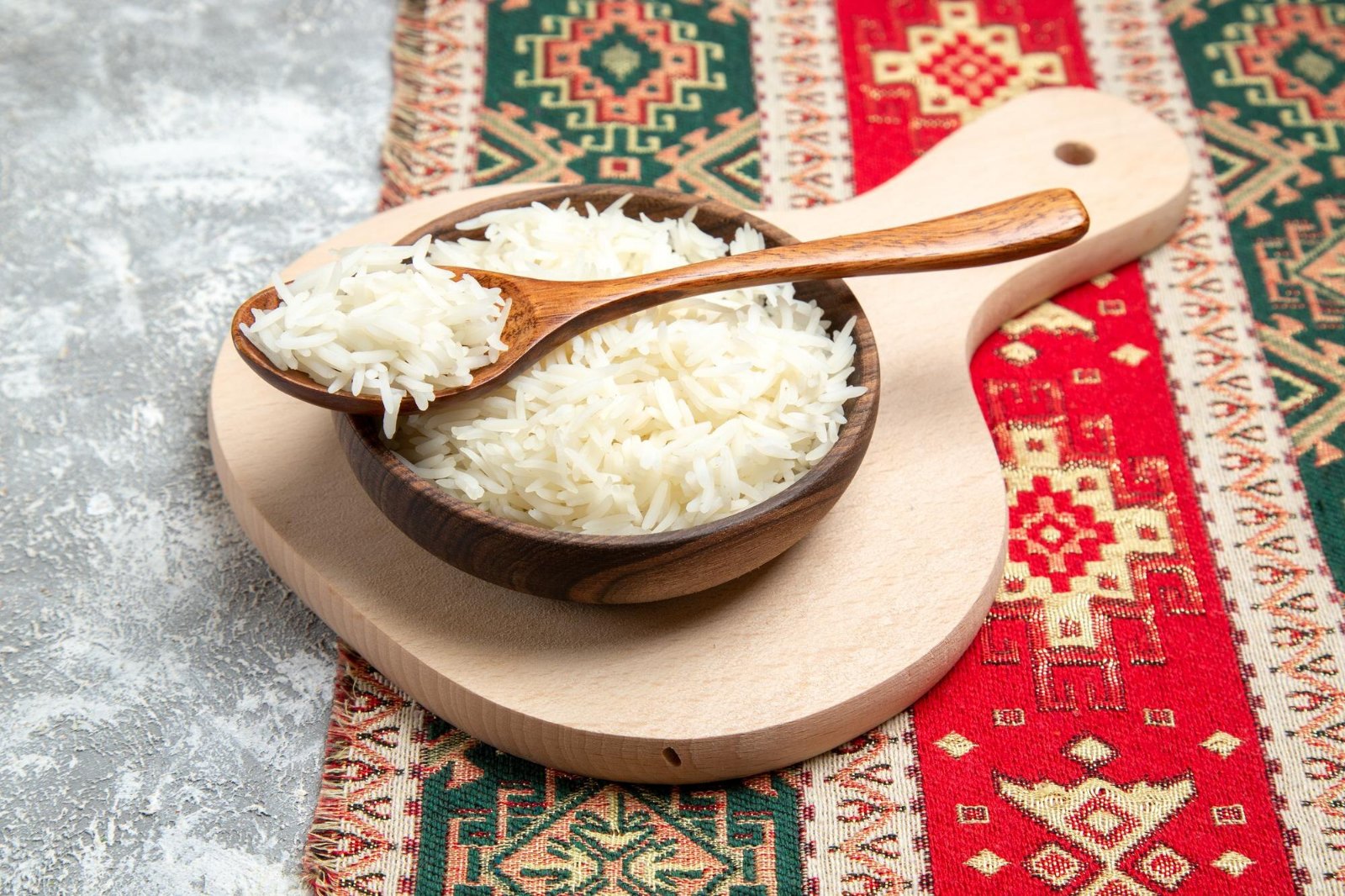
Seven starchy foods are enough never to repeat the same dish twice in a week, provided you vary the cooking method rather than the ingredient.
- Rice as the base: plain, or cooked in a homemade broth without stock cube (Red).
- Potato and sweet potato (Green) baked, mashed, or boiled — three very different textures for two foods.
- Bulgur and frik in pilaf or thick soup, where rice would be too neutral.
- Corn on the cob as a supplementary dish, grilled.
Taro (Green), classified among the vegetables, also plays a starchy role and thickens slow-cooked dishes. It is one more resource for this family, even though its entry is elsewhere.
How to distribute starchy foods across the day
The Green zone does not give a quantity, but it gives a place: the starchy food is the element around which the rest of the meal is built.
In practice, that means three appearances a day rather than one. In the morning, bran toast (Green) holds this role; at midday and in the evening, it is rice (Green), potato (Green) or one of the two cracked wheats.
The system considers this regularity more important than variety: rice three times is better than a meal built without any starchy food at all, because it is the absence that later pushes towards what the list excludes.
A practical point that the weekly menus make visible: the starchy food changes mainly in cooking method, not in type. The same potato appears baked, mashed and sautéed in smen on three different days.
What the system does not say about this family
Three silences deserve to be named rather than filled in.
- No quantity. The Green zone gives unrestricted frequency, not a weight. The system does not publish gram amounts, and we do not invent any.
- No wholegrain/refined distinction. White rice and basmati are explicitly in the entry, and the toast is “bran”. The system does not build its list on the glycaemic index.
- Nothing on other grains. Oats, barley, quinoa, buckwheat, spelt: no entry. The silence does not authorise.
Conventional nutrition reads this family very differently: it recommends favouring wholegrain cereals and limiting white rice and potatoes for their glycaemic load. The system does not take up this criterion. We report the two readings without deciding between them.
Frequently asked questions
Is bulgur better than rice in this system?
No, both are in the Green zone, at the same rank. The system does not create a hierarchy within Green: variety is a comfort, not a rule.
Is couscous completely excluded?
Semolina has no permitted entry, so it is not on the allowlist. The full dish also raises the problem of the pulses and the onion that accompany it.
Does bakery wholemeal bread replace bran toast?
No. The only bread entry is bran sandwich bread (Green). An artisan wholemeal bread has no entry, and the list does not admit by default.
Is pasta allowed?
Pasta has no entry. As with semolina, the absence of an entry is not an authorisation in an allowlist system.
Can you eat a starchy food at every meal?
The Green zone does not limit frequency, so nothing in the list forbids it. If you are diabetic, this is precisely the point to review with your doctor before changing anything.
Further reading
- The food database — the zone and the condition of each starchy food.
- What is the Tayebat diet?
- Chickpeas and pulses: are they allowed?
- Shopping list: the first 30 products
The zones and conditions cited come from the site’s food database, built from the published lists of the system described by Dr Diaa Al-Awadi. Grains without an entry are flagged as such rather than assumed to be permitted.
Disclaimer
This article describes a food system; it does not give medical advice and does not replace medical advice. A diet built on starchy foods with a high glycaemic load requires particular attention in the case of diabetes. If you are diabetic, pregnant or under treatment, speak to a health professional before changing your diet.