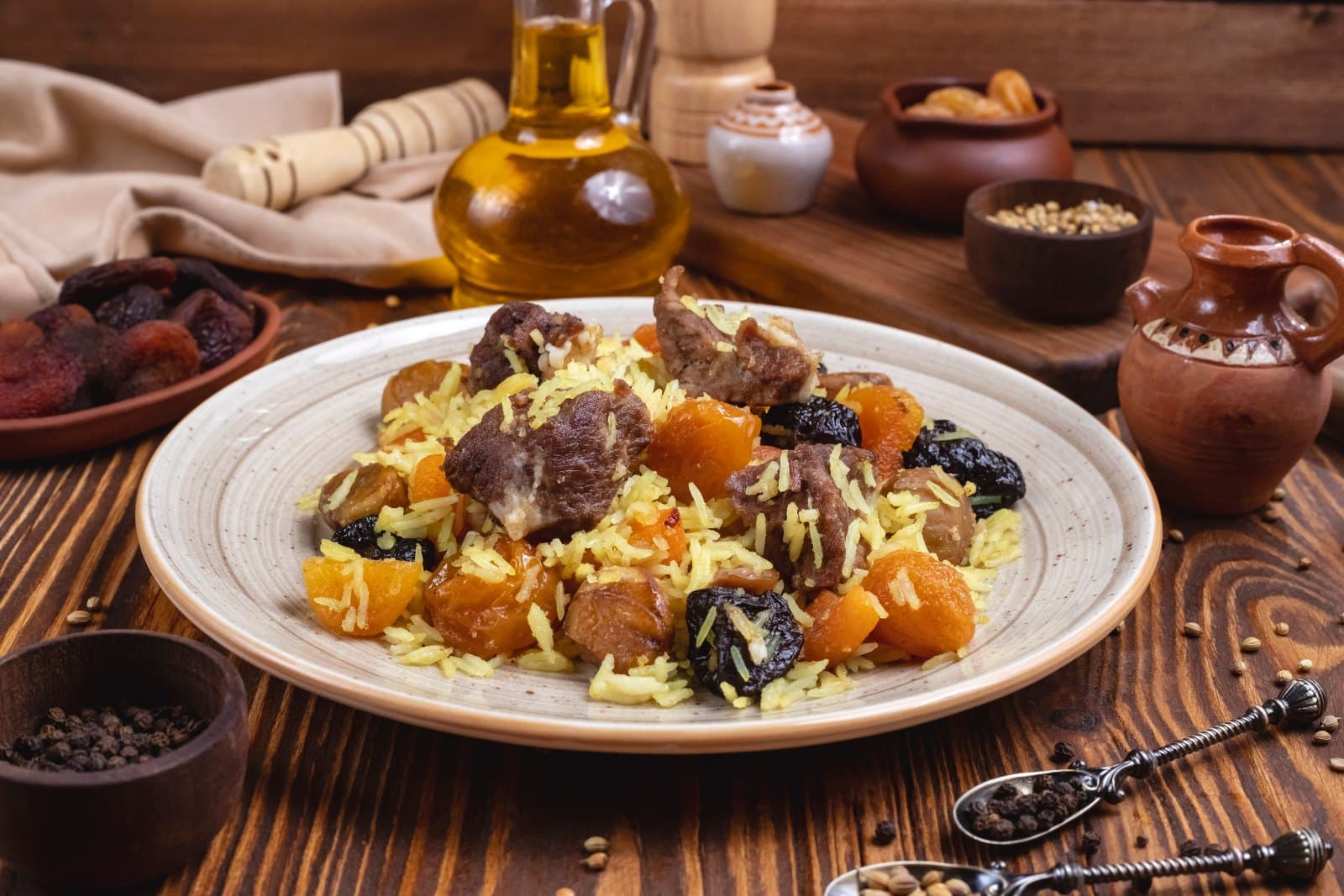
No. The Nidam al-Tayyibat excludes legumes (Red) as a whole: chickpeas, lentils, broad beans, dried beans and garden peas are all in the Red zone. It is not a question of quantity or preparation — the entire family is removed from the list.
This is one of the system’s heaviest exclusions, because it affects the foundation of Maghrebi and Levantine cooking: chickpea couscous, harira, loubia, hummus, bissara. Everything that follows comes from the site’s food database.
What exactly does the list say?
The legumes (Red) factsheet explicitly covers “broad beans, dried beans, peas, lentils, chickpeas”. There is no separate factsheet for each legume, and that is intentional: according to the system, it is the family that is excluded, not each species independently.
Two neighbouring cases are handled separately, and differently.
| Food | Zone | What the system says about it |
|---|---|---|
| Legumes (chickpeas, lentils, broad beans, dried beans, peas) | Red | excluded |
| Green beans | Purple | allowed very rarely, special case |
| Garden peas | Red | excluded |
| Tahini (sesame cream) | Green | without restriction |
Green beans are the only member of the wider family that is not in Red. The system classifies them in Purple, meaning they are allowed very occasionally — not as an everyday vegetable.
Tahini, for its part, is in the Green zone. Sesame is not a legume, so sesame cream remains available even when hummus, which contains it, is not.
Why a whole family, and not an amount?
The system does not reason in portions but in membership. A food is allowed or not according to the family to which it belongs, and frequency then applies to the families that are allowed.
This logic explains why there is no “small tolerated amount” of chickpeas, whereas there is a measure for courgette (Yellow) or a condition for tomato (Orange). According to the system, anything in Red has no acceptable dose.
Conventional nutrition takes the exact opposite view: it recommends legumes several times a week as a source of protein, fibre and iron, and places them at the heart of the Mediterranean diet. This is one of the most direct points of divergence between the two approaches. We report it without deciding it.
Which dishes are affected, in practice?
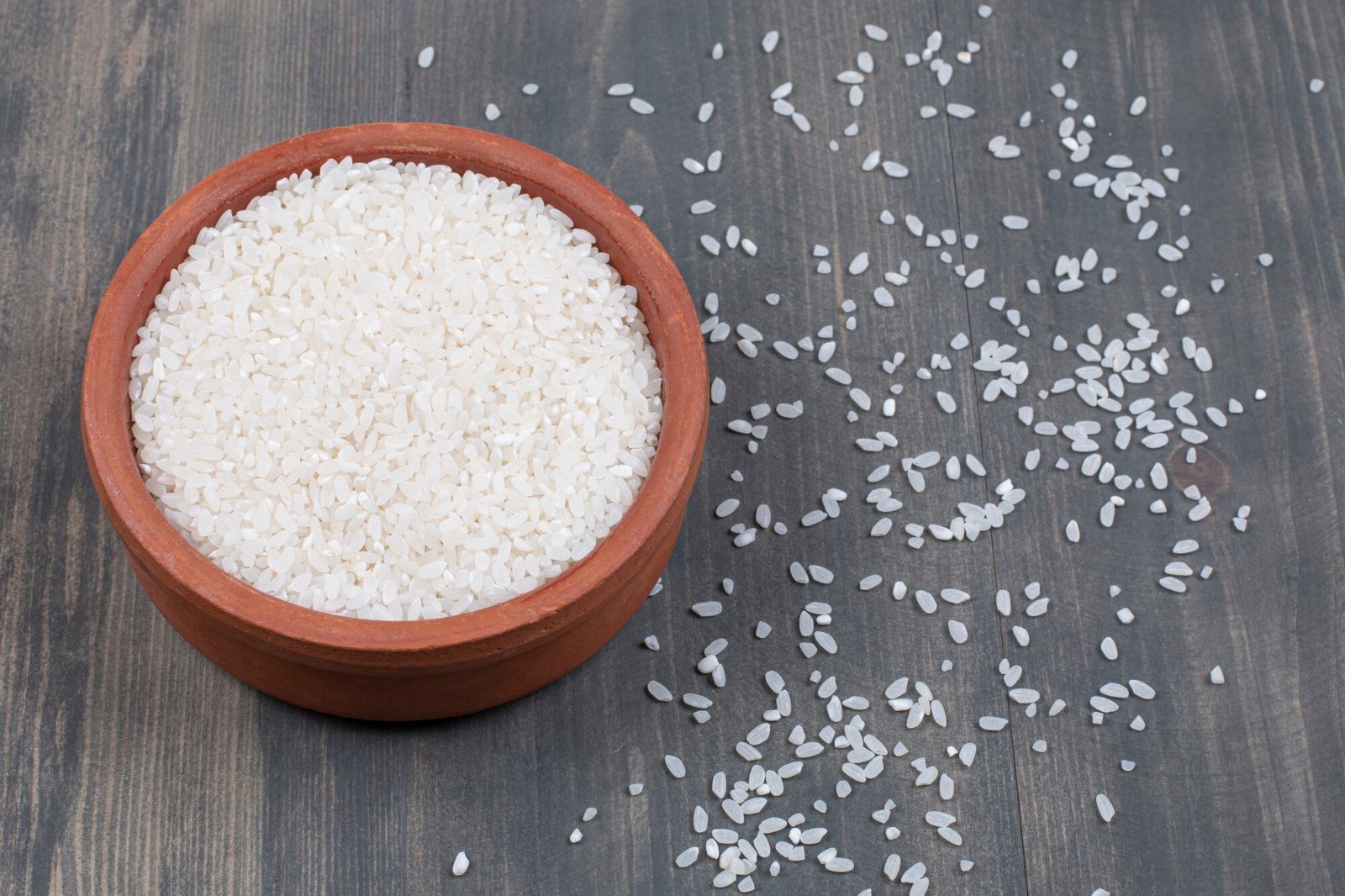
The dishes concerned are not exceptions: they are weekday dishes.
- Couscous with chickpeas — the chickpeas are out; semolina is out too, as the system only keeps as starchy foods rice (Green), potato (Green), bulgur (Green), freekeh (Green), sweet potato (Green) and corn on the cob (Green).
- Harira — lentils and chickpeas are out, and the onion-garlic base too, since onion (Red) and garlic (Red) are excluded.
- Loubia, broad beans, bissara — excluded as such.
- Hummus — the chickpea is out, but tahini (Green) remains usable in other ways.
What to replace them with without leaving the list?
The honest question is not “which substitute imitates the chickpea”, but “what to put on the plate instead”. The system offers no equivalent in the same family, and does not claim to offer one.
- For the volume of the dish: a Green starchy food. Rice, bulgur, freekeh and potato play this role without any condition.
- For protein: the allowed proteins on the list, fish and meats in the Green zone, rather than a plant equivalent — the system offers none in this family.
- For a puréed texture: squash (Green) or taro (Green) gives a dense purée, without legumes.
A kitchen detail that matters: these dishes are normally built on an onion-and-garlic base. As both are in Red, the flavour is built differently, with cumin (Green), black pepper (Green) and salt (Green). The system allows only six seasonings; the complete list is in our page on spices.
What the exclusion changes over a week
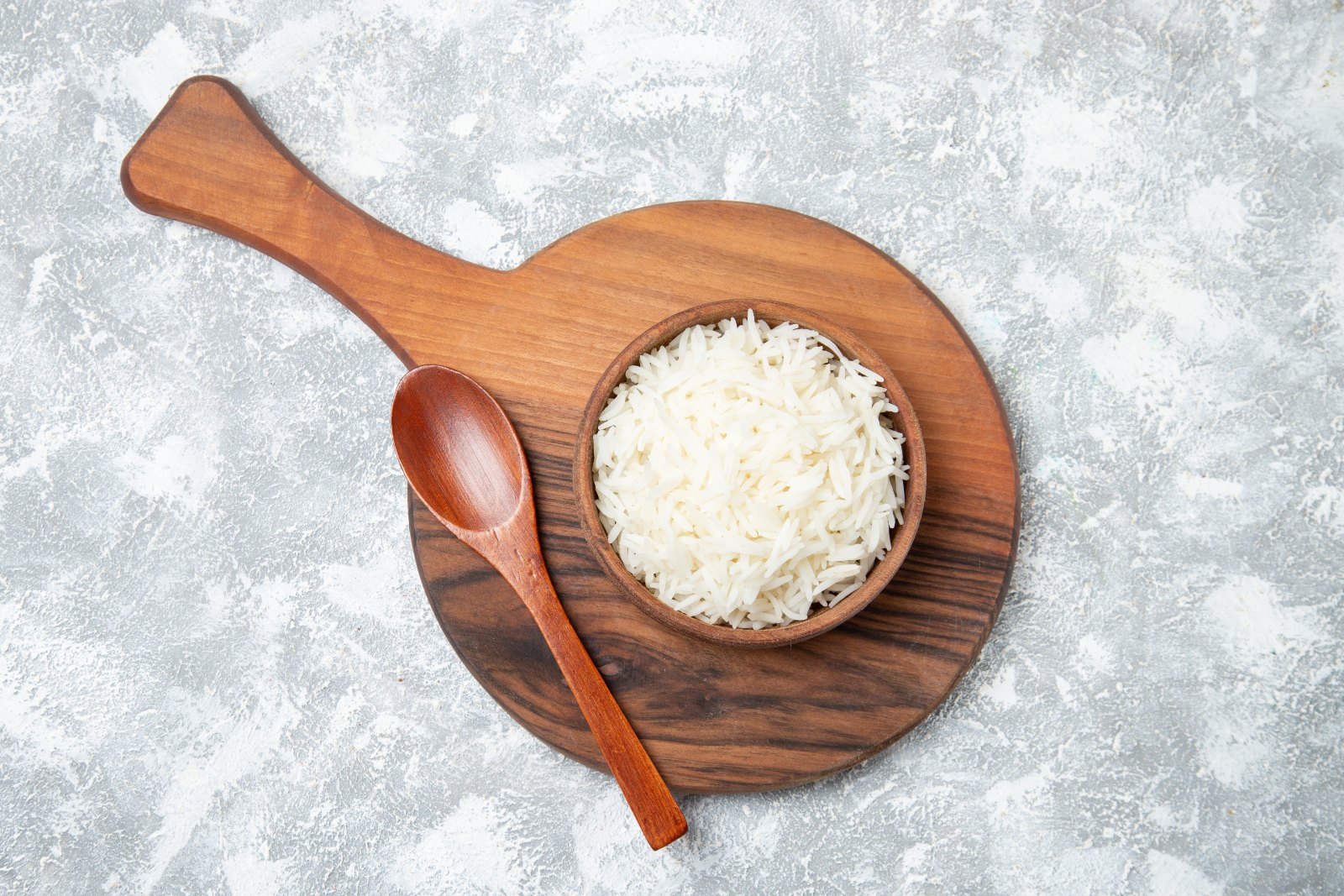
Removing legumes from a cuisine that depends on them means rebuilding three meals, not correcting one.
In an ordinary Maghrebi week, legumes appear at least four times: Friday couscous, evening harira, a loubia, a lentil soup. The system requires replacing the backbone of these dishes, not their garnish.
In practice, this means that the starchy food becomes the centrepiece and the animal protein the accompaniment, rather than the reverse. Rice (Green) plays this role most often, and bulgur (Green) or freekeh (Green) help avoid eating the same thing every day.
A point of vigilance the system considers important: industrial “meat-free” dishes very often rely on a legume. A velouté, a vegetable patty or a carton soup frequently contain lentils or peas, and therefore leave the list even when the label looks simple.
What about soya, peanuts, lupin?
Soya has no factsheet of its own in the database, but soy sauce (Red) is excluded, as are Asian broths and the stock cube (Red).
The peanut is botanically a legume, not a tree nut. The database gives it no separate factsheet; in the absence of an explicit entry, we do not decide on the system’s behalf and refer to the family factsheet.
When the database says nothing, we say so rather than guess. That is the rule we apply across the site.
Frequently asked questions
Are roasted or sprouted chickpeas allowed?
No. The classification concerns the food itself, not its preparation. Unlike certain Orange foods, where the condition is a cooking method, the Red zone for legumes does not depend on how they are prepared.
Is hummus allowed if I make it at home?
No, the chickpea remains excluded whatever the origin of the dish. The tahini (Green) used in the recipe is, by contrast, allowed on its own.
Are lentils really at the same level as chickpeas?
Yes. The family factsheet names both explicitly, in the same way as broad beans and dried beans. The system does not rank within the family.
How can protein be covered without legumes?
With the allowed animal proteins on the list. This is a point on which conventional nutrition expresses a reservation, particularly for a vegetarian diet, and the system offers no plant alternative in this family. If you are vegetarian, this is a question to put to a health professional before following this framework.
Are green beans an exception?
They are the only case close to the family that is not in Red: the system classes them in Purple, allowed rarely. That does not make them equivalent to an everyday green vegetable.
Further reading
- Food database — the factsheet for each food, its zone and its condition.
- What is the Tayebat diet?
- Shopping list: the first 30 products
The zones and conditions cited here come from the site’s food database, built from the published lists of the system described by Dr Diaa Al-Awadi. The position of conventional nutrition on legumes is reported as it is, without being arbitrated.
Disclaimer
This article describes a food system; it does not give medical advice and is not a substitute for medical advice. Excluding an entire family of foods has nutritional consequences, particularly for fibre and iron intake and for a meat-free diet. If you are pregnant, vegetarian, diabetic or on medication, speak to a health professional before changing your diet.