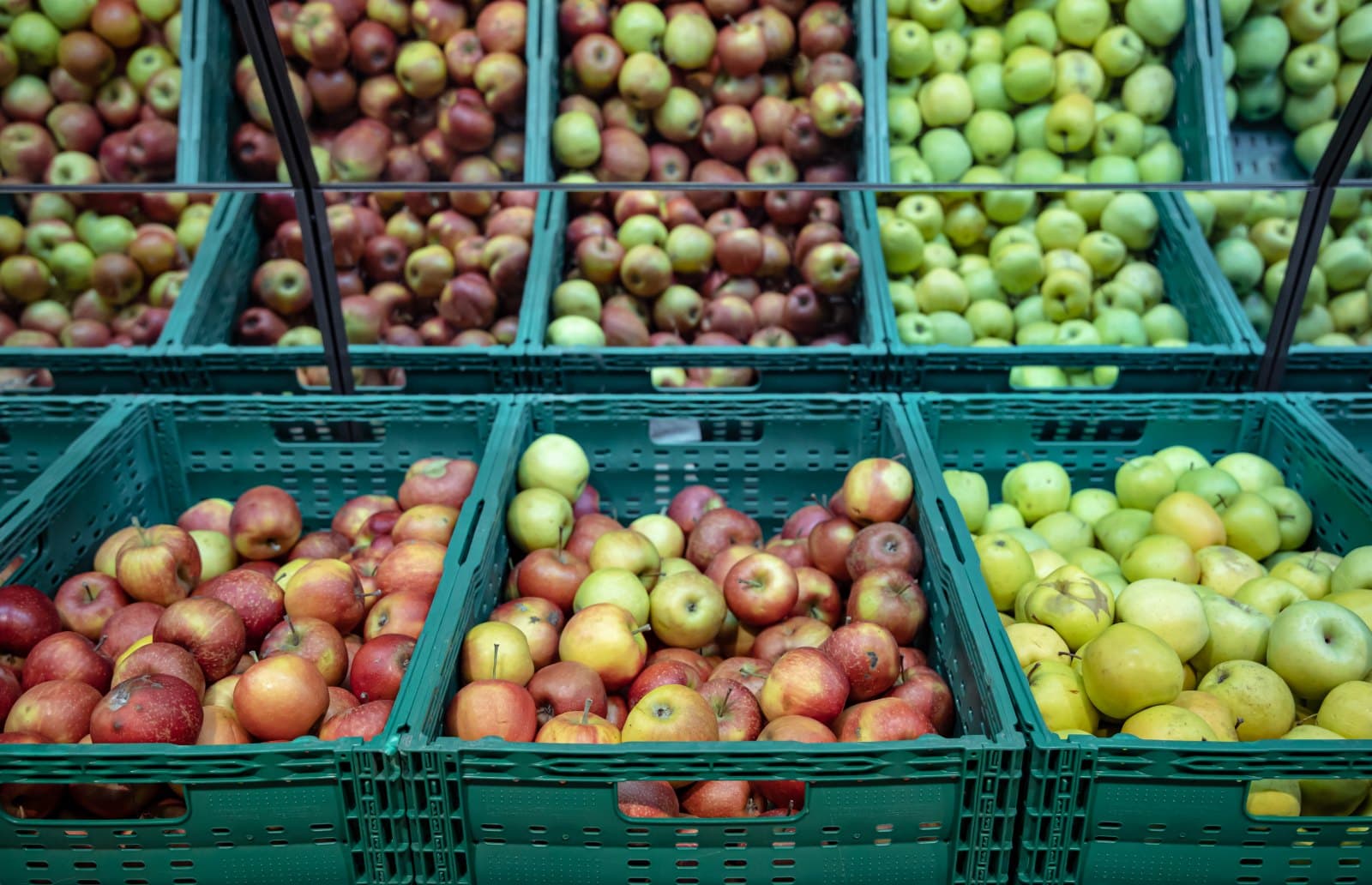
The Nidam al-Tayyibat shopping list fits into thirty products: rice, potatoes, butter, dates, a fish, vegetables to cook, aged cheeses and a few fruits. The food system described by Dr Diaa Al-Awadi works as a whitelist, and this list is the starter basket — each item with its zone and its condition.
Everything below comes from the site's food database, where each entry gives the zone, the preparation condition and the position of conventional nutrition.
The 30 products, family by family
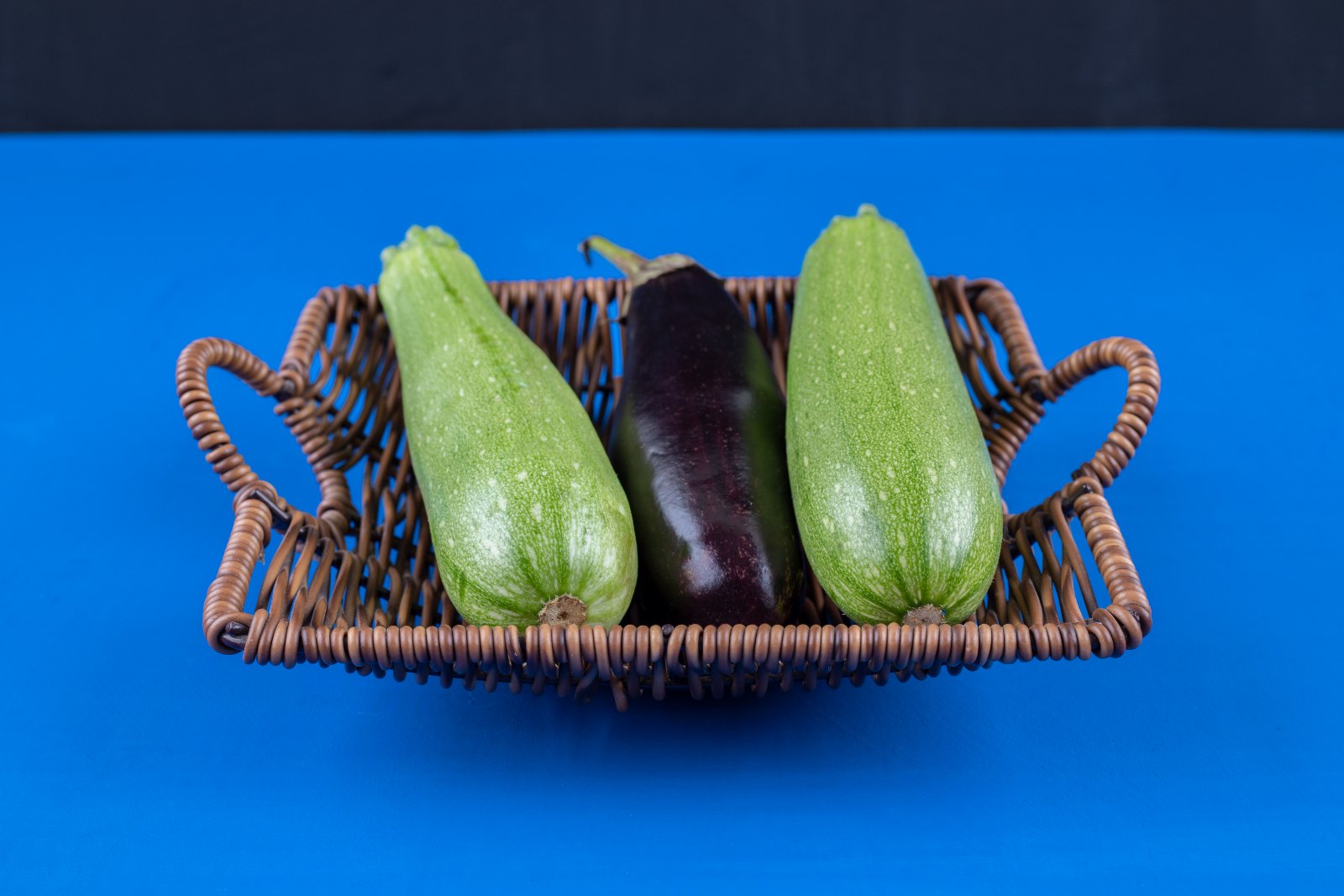
The table gives the thirty products of the starter basket, in the order you meet them at the market. The zone is the database's: green without restriction, yellow in measure, orange with a condition or a weekly quota. Nothing purple or red enters this basket.
| # | Product | Zone | Condition the system keeps |
|---|---|---|---|
| 1 | White rice | green | basmati or short grain, one of the five pillars |
| 2 | Potato | green | without restriction, cooked without onion or garlic |
| 3 | Sweet potato | green | baked or boiled |
| 4 | Frik | green | roasted green wheat, to vary from rice |
| 5 | Bulgur | green | same use as frik |
| 6 | Bran toast | green | the only admitted form of bread |
| 7 | Natural butter | green | a daily pillar |
| 8 | Smen | green | for cooking and for searing meat |
| 9 | Olive oil | green | mostly uncooked |
| 10 | Sunflower oil | yellow | for frying only |
| 11 | Sea fish | green | grilled for preference; fried without flour |
| 12 | Fresh sardine | yellow | fresh, on protein days |
| 13 | Pigeon | green | not rationed by the week |
| 14 | Rabbit | green | not rationed by the week |
| 15 | Lamb | orange | 2 meals a week, quota shared with goat |
| 16 | Beef | orange | 1 meal a week, quota shared with buffalo |
| 17 | Squash | green | cooked |
| 18 | Courgette | yellow | cooked, never raw |
| 19 | Mushrooms | green | cooked |
| 20 | Carrot | orange | cooked only |
| 21 | Aubergine | orange | cooked only |
| 22 | Tomato | orange | cooked in sauce for preference |
| 23 | Kashkaval | green | aged cheese |
| 24 | Roumi cheese | green | aged cheese |
| 25 | Qechta | green | thick cream, at breakfast |
| 26 | Dates | green | 1 to 6 a day under the system |
| 27 | Apple | green | peeled for preference |
| 28 | Grapes | green | in season |
| 29 | Natural honey | green | on the bran toast |
| 30 | Tahini | green | sesame cream, with date molasses |
Three store-cupboard items complete the basket without counting among the thirty, because they last for months: salt (green), black pepper (green) and cumin (green). Green tea (green, without milk), mint tea (green) and coffee (green, without milk) are the system's drinks alongside water (green).
Why these thirty and not others?
Because the system does not reason by nutritional families but as a whitelist: a food absent from the lists is set aside by default. The thirty above are the ones that come back in almost every menu of the four-week programme, and they cover the three roles the system asks of a plate.
- A base starch at every meal: rice or potato, the first two of the five daily pillars.
- An admitted protein on "yes" days only: sea fish, sardine, pigeon, rabbit, or a red meat within its weekly quota.
- A vegetable, always cooked, and a natural fat.
Three of the thirty are also guardrails. Butter and smen replace industrial fats; bran toast keeps white bread from returning on tired evenings; and dates serve as dessert, within one to six a day under the system.
What does not go in the basket, and why
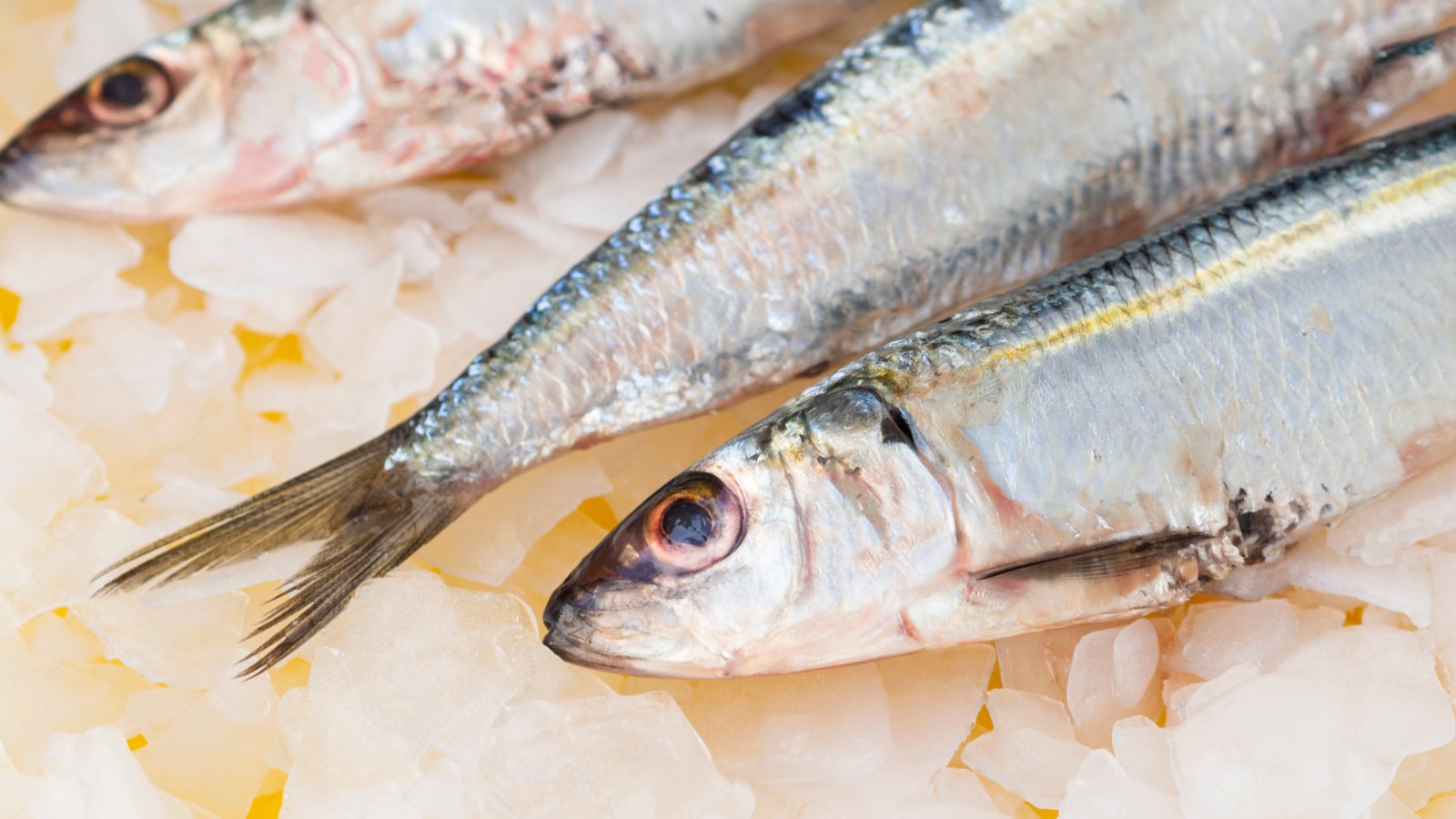
The most instructive part of a Tayyibat shopping list is what you leave out. These are red-zone foods in the database, which is to say set aside:
- White bread, pasta and couscous — replaced by rice, frik, bulgur and bran toast.
- Legumes: harira, foul, loubia, lentils. Conventional nutrition makes them a pillar; the system sets them aside.
- Eggs and chicken — replaced by pigeon, rabbit and sea fish.
- Milk, yoghurt and lben — replaced by qechta and aged cheeses.
- Raw greens, salads and fresh herbs: the system wants the vegetable cooked.
- Onion and garlic, with no equivalent in the palette.
This is where the two readings diverge most. By removing legumes, raw vegetables and whole grains, the basket loses a good share of its fibre and, on days without animal protein, struggles to reach the conventional benchmark of roughly 0.8 g of protein per kilo per day. Dietitians flag it; the site reports it without settling it.
What does it cost, and where do you find these products?
This article quotes no prices: the system does not address the question and we do not invent figures. Two observations can still be drawn from the list.
First, it is short and seasonal. Rice, potatoes, squash, courgettes and carrots are on any stall, and the red meats, rationed by the week, weigh little in the basket. Second, excluding eggs, chicken and legumes removes the cheapest proteins on the market from the table: on a tight budget that is the system's most concrete consequence, and conventional nutrition sees it as an economic loss as much as a nutritional one.
As for the aisles: fish and sardines are bought fresh, the day before the planned "yes" day; aged cheeses and qechta from a cheesemonger; frik, bulgur, tahini, date molasses and halva from a Middle-Eastern grocer; the rest at the market.
The first week with this basket
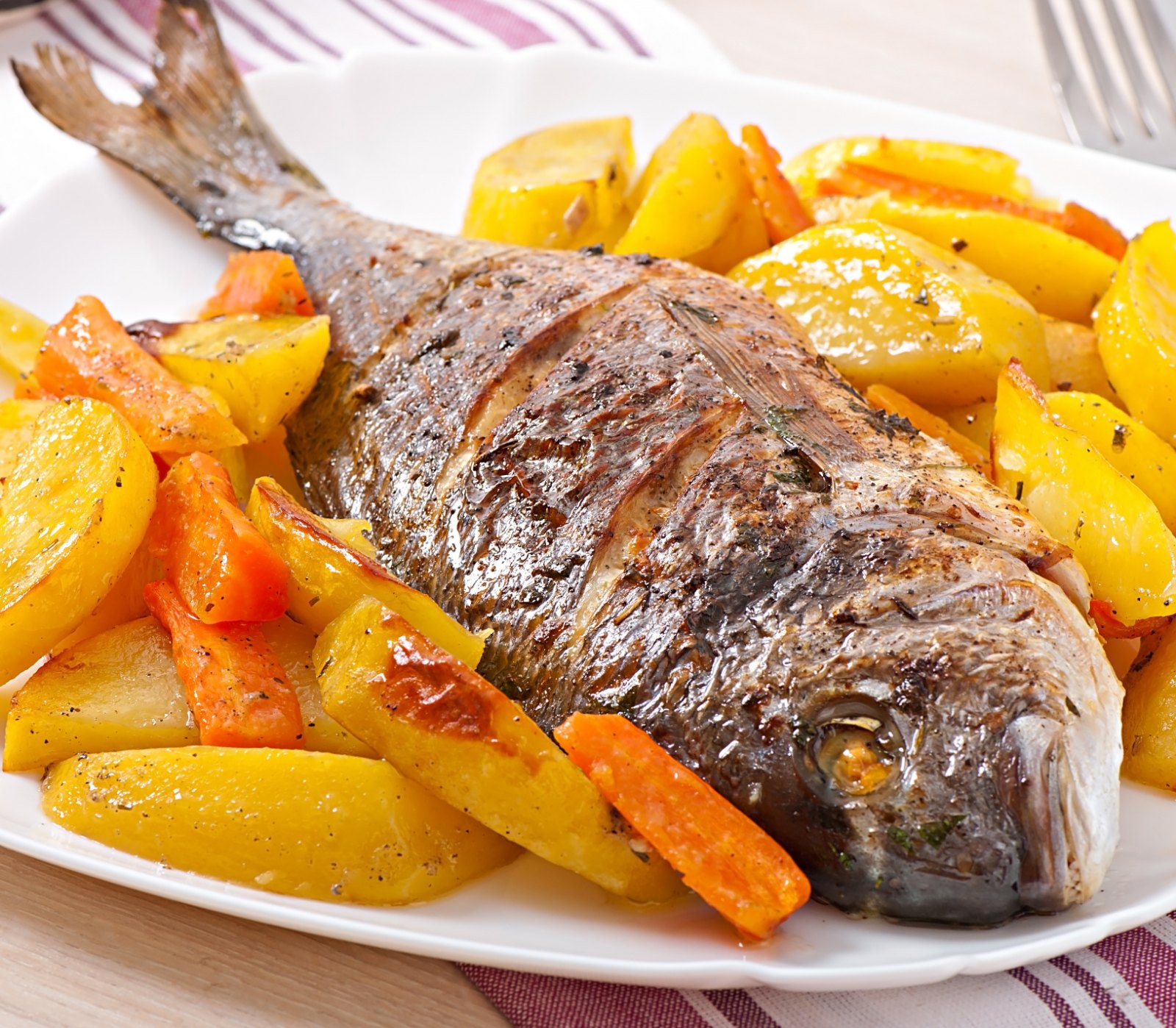
From the first week, the site's programme advises cooking a base of starches in advance: a pan of rice and boiled potatoes in the fridge, to reheat in butter or smen. That is what keeps bread from coming back.
- Before the shopping, set the week out on a sheet: three or four "yes" days, the rest without animal protein, and the red-meat quotas placed first.
- On your return, wash and cut the vegetables to cook; they will serve three lunches.
- Each day, two or three elements on the plate, no more, and at least two hours between the end of one meal and the next.
Dessert and tea are taken straight after the meal: under the system it is the last mouthful that starts the two-hour clock.
How do you adapt the list to the season?

Nothing requires seasonal produce, but the palette lends itself to it. In autumn, squash, pear (green, peeled for preference) and grapes come back in almost every menu; in spring, strawberry (green) and apricot (green) take over; in winter, dried fruit (green) and corn (green, on the cob) fill the gap.
Three adjustments are enough from one season to the next: change the fruit, change the vegetable to cook, keep the pillars. Almonds (yellow, in measure, plain and unsalted) and walnuts (yellow, in measure) remain the year-round snack, at least two hours after the previous meal.
Frequently asked questions
How many products do you really need to start?
Thirty are enough for a full first week, and a dozen are enough for three days: rice, potatoes, butter, smen, a fish, a squash, courgettes, an aged cheese, bran toast, honey, dates and an apple.
Can you buy frozen or tinned fish?
The database keeps fresh sea fish, grilled for preference, and fresh sardine on protein days. Tinned sardine has its own entry and its own condition: check it before adding it to the basket.
Is sugar part of the shopping list?
White sugar is in the green zone under the system, which makes it one of its five daily pillars, with a range of 5 to 15 tablespoons a day according to a single source. It is its most disputed point: the WHO recommends limiting added sugar to less than 10% of daily energy. We flag it without putting it in the starter basket.
Is this list suitable for someone with diabetes?
Not without their doctor's agreement. A basket built on white rice, potato and dates changes blood sugar, and medical institutions judge the system risky for people with diabetes. The system itself refers to the doctor and forbids changing a treatment.
Sources
The zones, conditions and weekly quotas quoted here come from the site's food database, built from the public compilations of Dr Diaa Al-Awadi's teaching (1979-2026) and reviewed entry by entry. The conventional benchmarks cited alongside — fibre, protein intake, added sugar — are those of the public recommendations of health institutions. The menus referred to are those of the four-week programme published on this site.
Further reading
The article on the five food zones of the Nidam al-Tayyibat explains how to read the colour dots in this table. The "one day yes, one day no" rule details the weekly meat quotas, and the two-hour rule the rhythm of intakes. To turn this basket into a full week, see the balanced seven-day menu.
Disclaimer
This article describes a food system for information. It does not replace medical advice. In case of illness, current treatment, pregnancy or diabetes, speak to your doctor before any change of diet.