The Nidam al-Tayyibat classifies foods into frequency zones, while nutritional science relies on measured studies. Comparing the two means observing where the system agrees with current recommendations and where it departs from them, without claiming to settle the matter.
What exactly is being compared?
The Nidam al-Tayyibat, presented by the Egyptian physician Diaa Al-Awadi, divides foods into five frequency zones: Green (daily), Yellow (daily with a point of vigilance), Orange (every two days to once a week), Purple (very rarely) and Red (never). According to the system, this division is not based on numerical values but on a personal reading of the effects of foods. To understand the zones in detail, see Tayyibat food zones: Green, Yellow, Orange, Purple, Red.
Nutritional science, for its part, assesses foods through epidemiological studies, clinical trials and recommended nutritional intakes. The two approaches do not use the same tools: one classifies by qualitative frequencies, the other measures intakes and effects. Comparing side by side therefore means setting two reading grids alongside each other, without assuming that they are equivalent or that one invalidates the other.
What are the points of agreement with science?
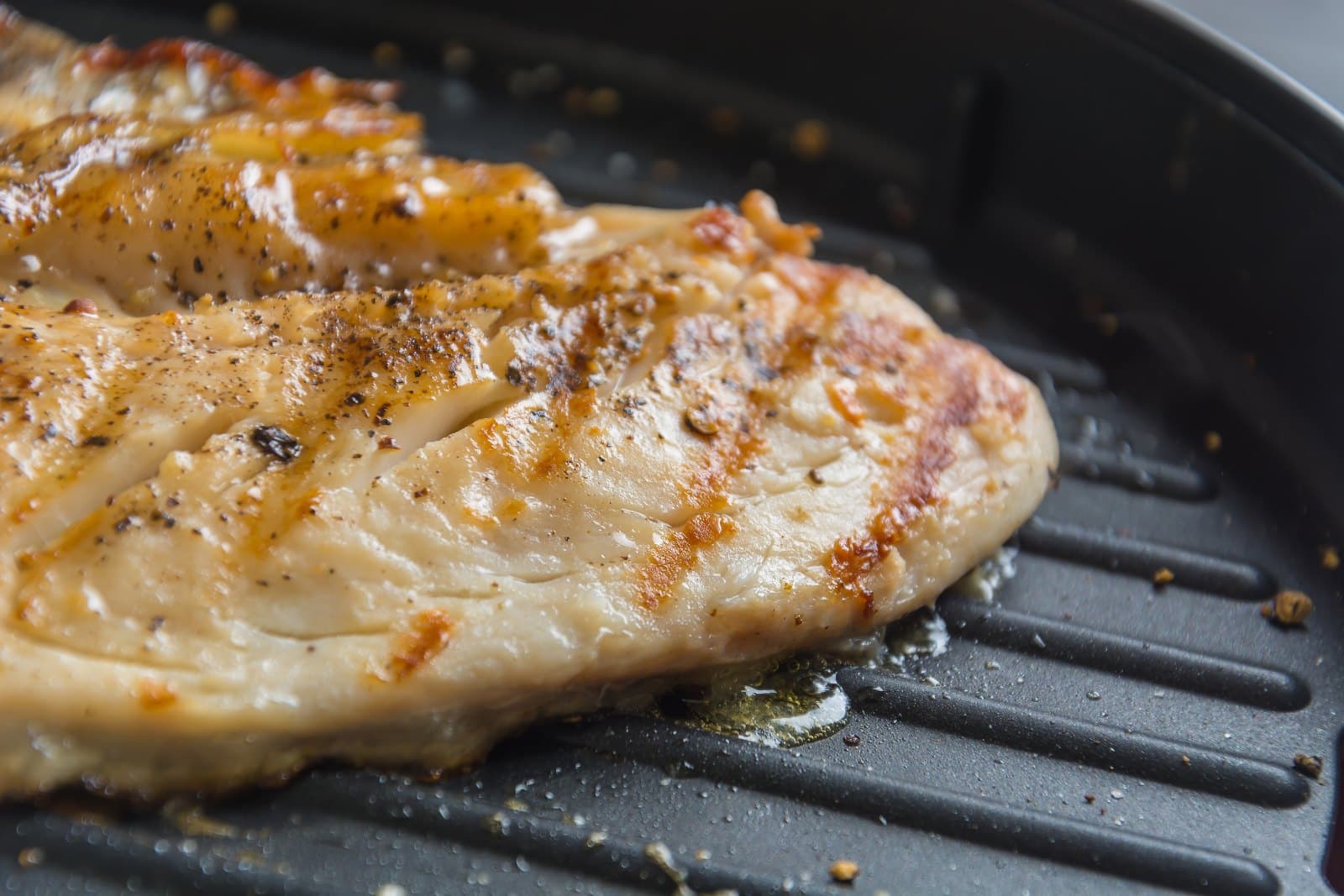
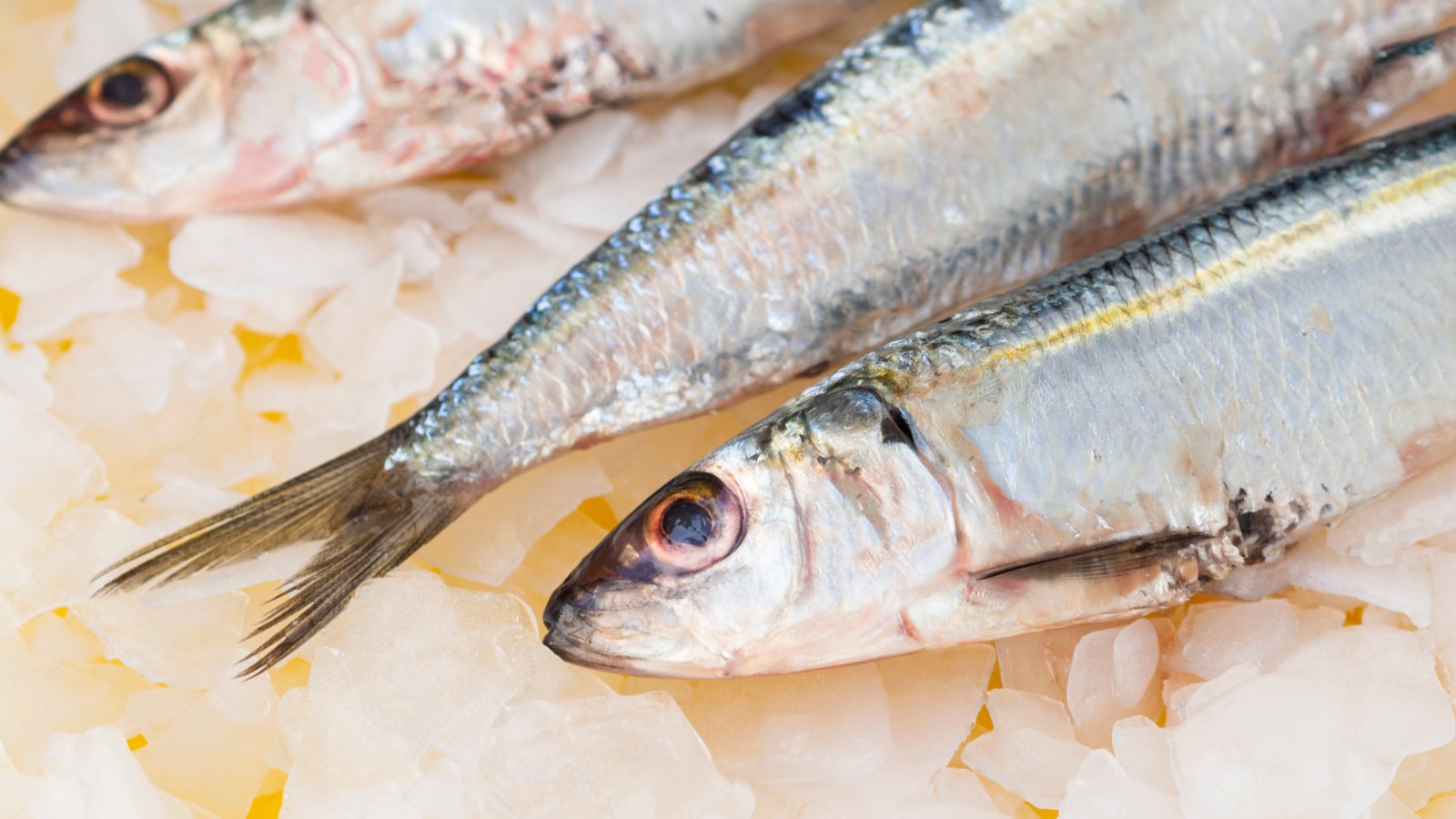
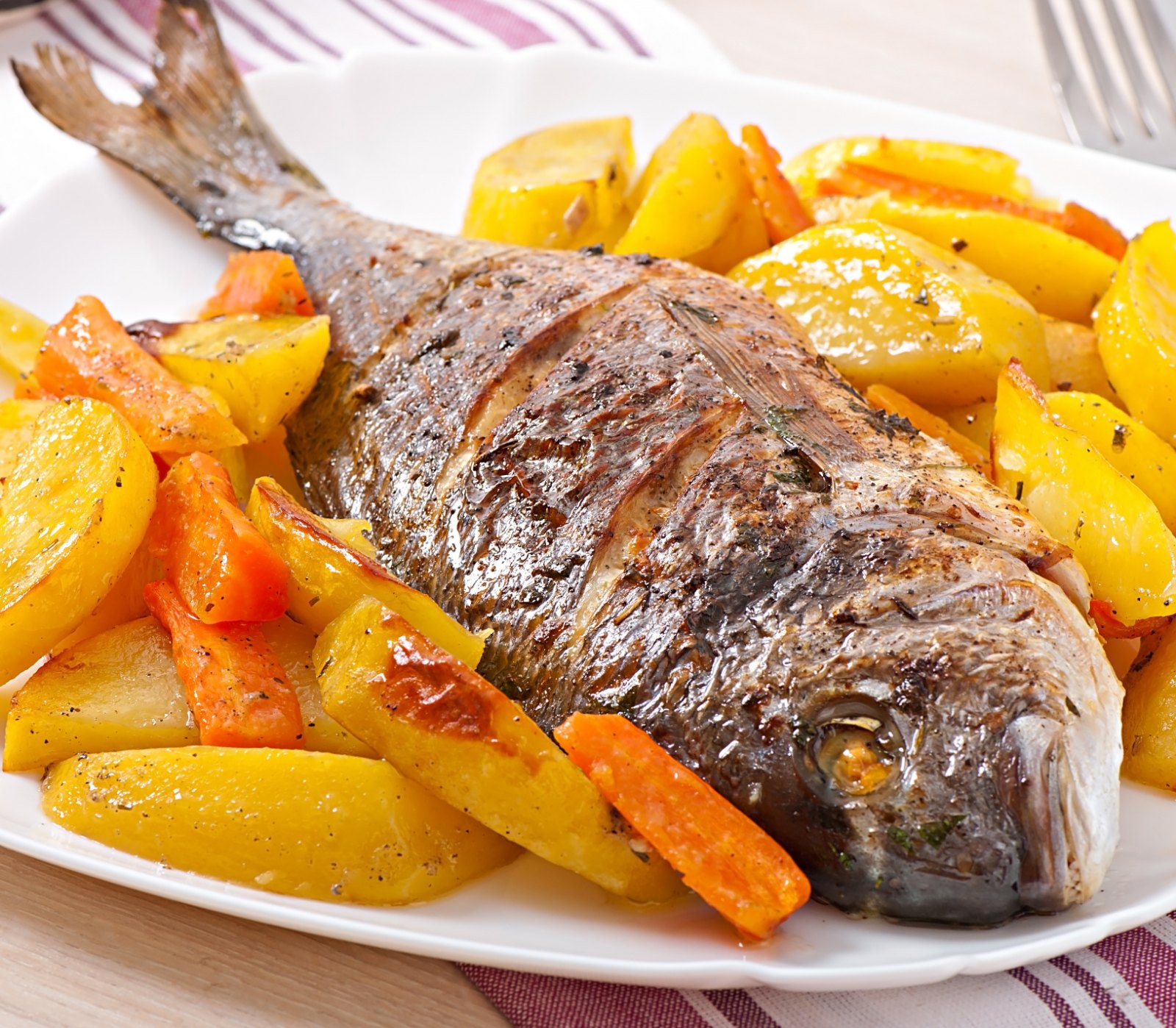
Several foods classified in the Green zone by the system are also present in current dietary recommendations, even though the justifications differ. According to the system, Sea fish (preferably grilled) (Green) is allowed daily, preferably grilled. Conventional nutrition also recognises the value of eating fish, particularly for its contribution of protein and certain fatty acids, without imposing such a strict cooking method.
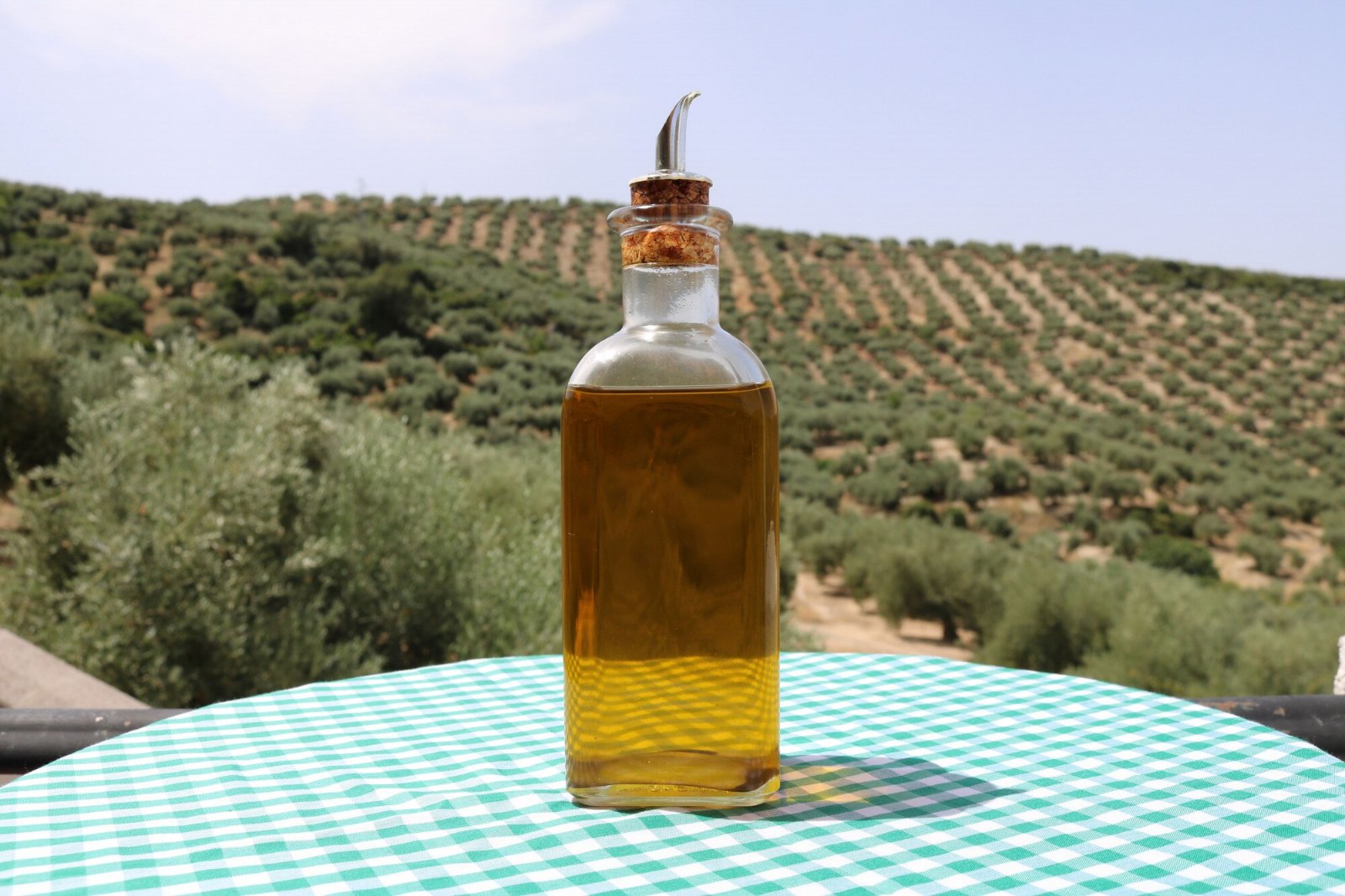
Olive oil (Green) is in the Green zone according to the system; it is also widely used in Mediterranean diets described by research. Pome fruits or stone fruits such as Apple (Green) or Pear (Green), preferably peeled according to the system, also appear among commonly consumed fruits. Likewise, Hot infusions (cinnamon, aniseed, herbal teas) (Green) without milk are close to the unsweetened drinks accepted by most food guides.
Here are some observable convergences:
- Grilled sea fish, classified Green, is present in many dietary recommendations.
- Olive oil, classified Green, is a common food in Mediterranean diets.
- Peeled fruits such as apple or pear, classified Green, are widely consumed fruits.
- Hot infusions without milk, classified Green, are generally accepted sugar-free drinks.
These points of agreement do not mean that the two approaches overlap completely, but they show that the system does not exclude all the foods that science regards as common.
What disagreements does the system display with science?
The divergences are numerous and concern foods that conventional nutrition often includes, whereas the system classifies them in the Red zone. According to the system, Eggs (Red) are excluded, as are Legumes (broad beans, dried beans, peas, lentils, chickpeas) (Red), Cow’s milk (Red), Avocado (Red) and also Oats (flakes, bread, pasta) (Red).
Conventional nutrition does not regard these foods as harmful in themselves. Eggs are often described as a source of complete proteins; legumes are associated with fibre and plant protein intakes; cow’s milk is presented as a source of calcium according to national recommendations, with varying opinions. These differences are not presented here to settle the matter, but to indicate the distance between the two reading grids.
Other divergences concern foods that the system allows in the Green zone but that science approaches with more reservations, such as White sugar (Green) or Smen / ghee (clarified butter) (Green). According to the system, these foods are allowed, whereas conventional nutrition generally recommends limiting their consumption. Again, this is an observation of divergence, not an assessment.
Comparing side by side: examples of classifications
The following table sets out a few foods, their zone according to the system and the usual point of view of conventional nutrition. It is not a validation, but an illustration of the differences.
| Food (link and zone) | System’s point of view | Conventional point of view |
|---|---|---|
| Sea fish (preferably grilled) (Green) | Allowed daily, preferably grilled. | Recommended for its protein and fatty acid intakes, without such a strict cooking method. |
| Olive oil (Green) | Allowed daily. | Oil frequently used in Mediterranean diets. |
| Eggs (Red) | Excluded. | Source of complete proteins, often consumed in moderate quantities. |
| Legumes (broad beans, dried beans, peas, lentils, chickpeas) (Red) | Excluded. | Rich in fibre and plant proteins, often recommended. |
| Cow’s milk (Red) | Excluded. | Source of calcium and protein, according to national recommendations. |
This table illustrates that the system and science do not diverge on every food, but that some classifications are radically different. The reading must remain factual: the system excludes certain foods; science does not necessarily exclude them.
Why does the system avoid figures?
According to the system, the classification into zones is based on a qualitative assessment and not on numerical measurements. The physician Diaa Al-Awadi has not published tables of calories, grams per day or macronutrient percentages. This absence of figures is a characteristic of the system, not an oversight.
Nutritional science, for its part, often relies on quantitative data to establish recommendations. This difference makes direct comparisons more difficult: a zone classification cannot be superimposed on a recommended daily intake. According to the system, the benchmarks are expressed in frequencies and qualitative conditions, such as “cooked,” “peeled,” “without milk” or “preferably grilled.” Here are some examples of qualitative conditions used by the system:
- Squash / pumpkin (Green): cooked.
- Apple (Green): preferably peeled.
- Coffee (Green): without milk or whitener.
- Aubergine (Orange): cooked only.
- Green pepper (Orange): stuffed and cooked only.
These conditions replace numerical quantities. This does not mean that the system has no rules, but that the rules are not expressed in grams or calories.
Frequently asked questions
Is Nidam al-Tayyibat a weight-loss diet?
According to the system, it is a classification of foods into frequency zones, not a weight-loss diet. The system does not promise any weight loss. Any question about weight should be addressed to a health professional.
Does science validate the system’s zones?
Nutritional science has not validated the five-zone classification as presented by Nidam al-Tayyibat. Some foods classified in the Red zone are considered acceptable by conventional nutrition, and vice versa. The comparison remains descriptive, without a scientific conclusion.
Why does the system exclude foods such as eggs and legumes?
According to the system, these foods are classified in the Red zone because they do not fit its reading grid. The system does not base this exclusion on measured studies. Conventional nutrition does not necessarily share this point of view.
Can the system and nutritional recommendations be followed at the same time?
The two approaches diverge on several foods, which can make combining them difficult. A person who wishes to follow both should compare the lists and consult a health professional to avoid deficiencies or contradictions.
Does the system allow sugar?
Yes, according to the system, White sugar (Green) is allowed in the Green zone, with a condition regarding quantity that the system sets out qualitatively. Conventional nutrition generally recommends limiting added sugar. This point illustrates a marked divergence between the two approaches.
How can comparison be made without figures?
The comparison concerns qualitative classifications: frequency zones on one side, general recommendations on the other. Without numerical data, it cannot be said that a zone is equivalent to a precise intake. One can only note whether a food is allowed, limited or excluded in each approach.
To go further
- Critique of Nidam al-Tayyibat: the debate
- The Egyptian physician’s diet: who are we talking about?
- Tayyibat food zones: Green, Yellow, Orange, Purple, Red
Disclaimer
This article does not replace medical advice. The information presented here compares two approaches without assessing their validity for a given person. Anyone with a chronic illness, an eating disorder, a pregnancy or a particular nutritional need should consult a health professional before changing their diet.