The gut microbiome refers to all the micro-organisms that live in the digestive tract. According to the Nidam al-Tayyibat, described by the physician Diaa Al-Awadi, diet influences this microbial world, and the system classifies foods into frequency zones to guide daily choices without figures or promises. It excludes certain foods and favours others.
The gut microbiome: what are we talking about?

The gut microbiome includes bacteria, viruses, fungi and other micro-organisms present in the intestine. Conventional research studies its role in digestion, immunity and metabolism. The Nidam al-Tayyibat approaches this subject from a dietary angle: according to the system, certain foods support this balance, while others disturb it. The system publishes no numerical data on the composition of the microbiome; it proposes a classification of foods into frequency zones. This classification includes Green, Yellow, Orange, Purple and Red.
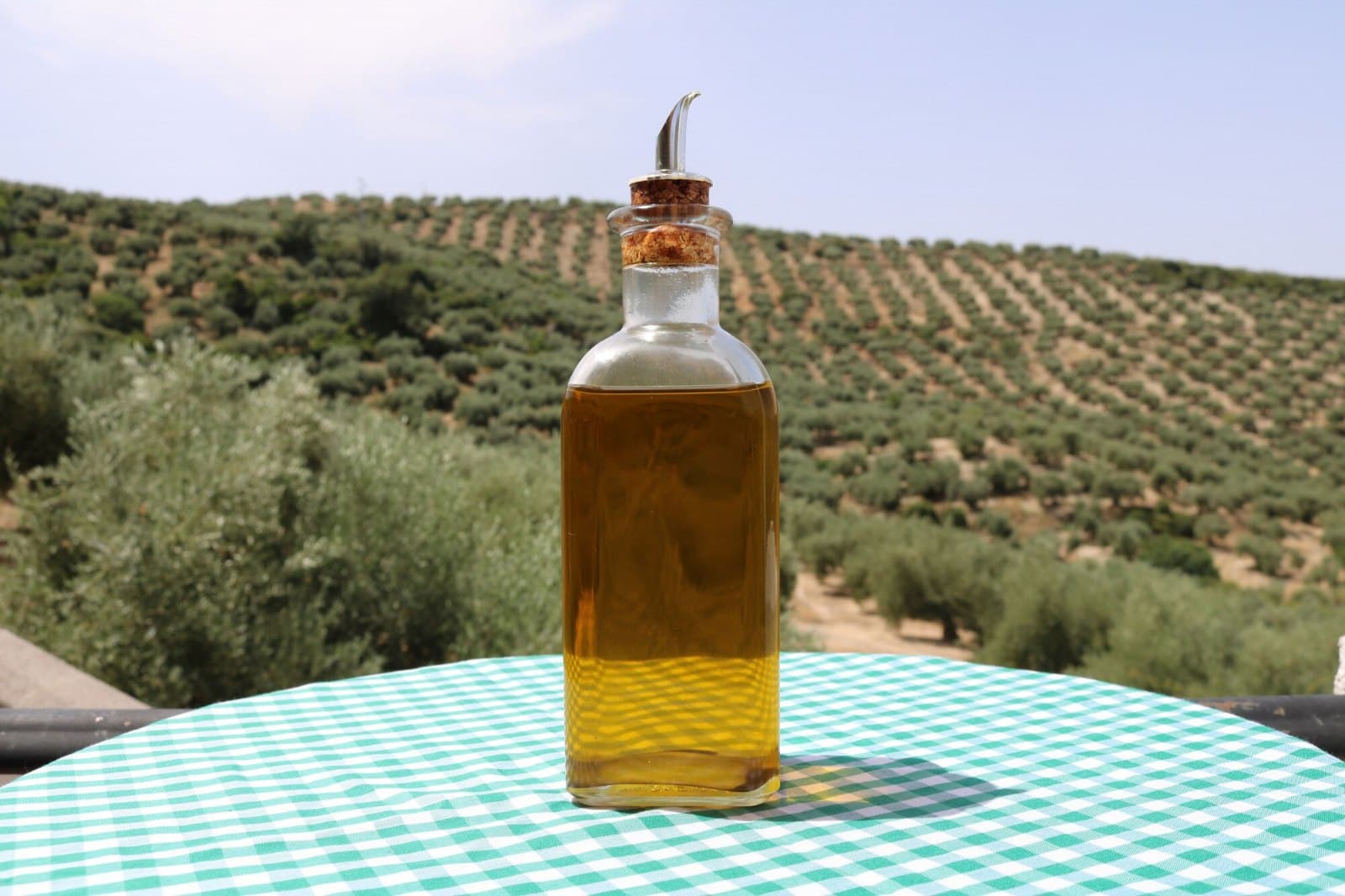
Among the foods that the system places in the Green zone are Water (Green), Olive oil (Green) and Bran sliced bread (wholemeal toast) (Green). According to the system, these foods are eaten daily. The system does not claim that they directly modify the microbiome; it classifies them as tayyib, that is to say good and suitable.
How does the Nidam al-Tayyibat view the microbiome?
According to the Nidam al-Tayyibat, the microbiome is not an isolated target: it would be influenced by the overall quality of the diet. The system classifies foods into five frequency zones: Green, Yellow, Orange, Purple and Red. This classification is based on the reading of Dr Diaa Al-Awadi, and not on published studies. The system excludes certain foods from the Red zone, such as Yoghurt (Red), White bread (baguette, fino, khobz) (Red) and Chicken (Red), on the grounds that they are not suitable for gut balance. According to the system, favouring foods from the Green and Yellow zones would help to maintain what it calls a healthy intestinal environment.
Conventional nutrition does not classify foods in this way. It recognises, for example, that fermented dairy products such as yoghurt can provide ferments, whereas the system excludes them. This article does not settle this disagreement; it reports the position of the system.
Which foods does the system associate with gut balance?
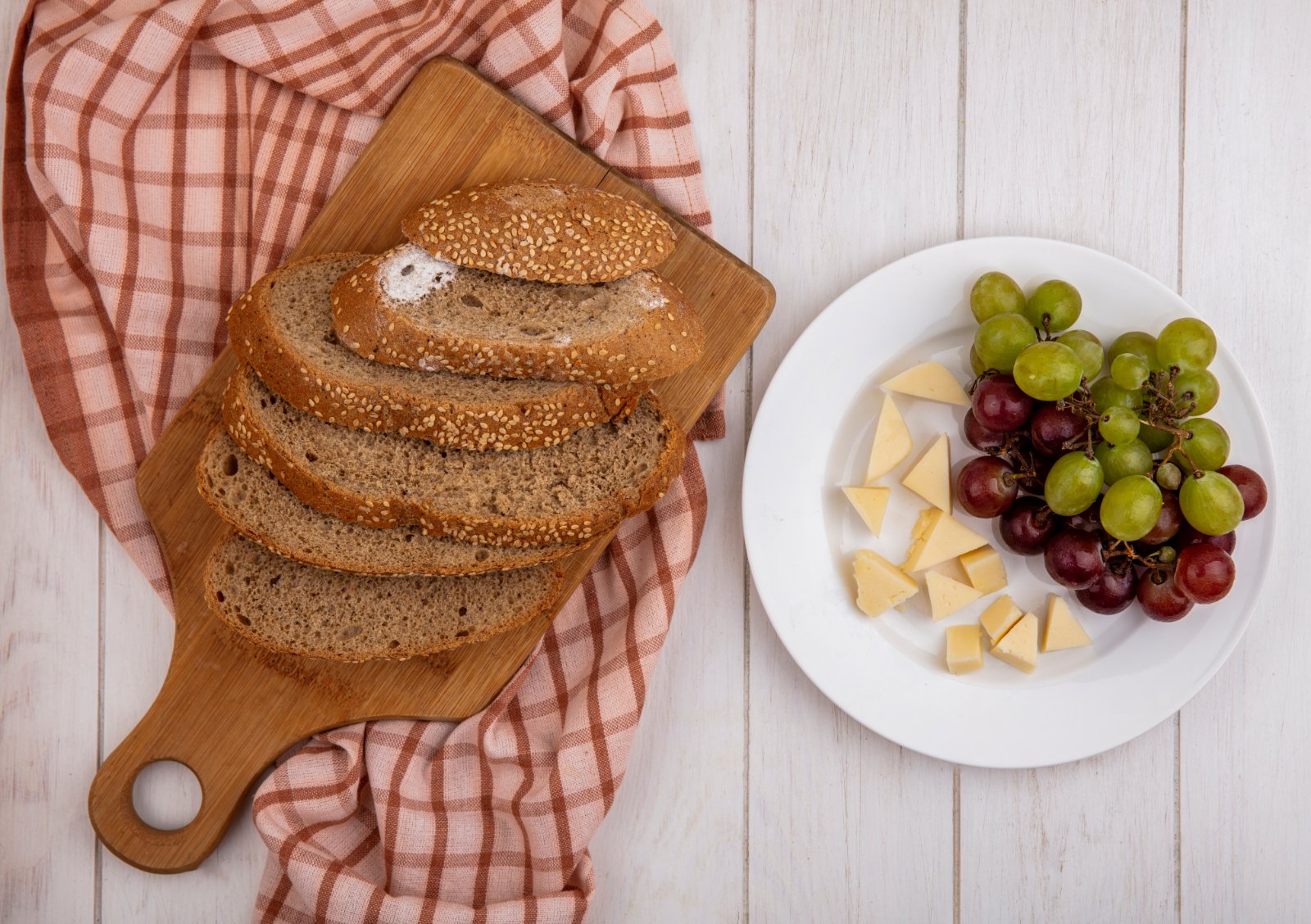
According to the system, several foods in the Green zone are associated with gut balance, because they are considered tayyib and suitable for daily consumption. Here is a non-exhaustive list:
- Water (Green)
- Olive oil (Green)
- Green tea (Green) – without milk according to the system
- Natural honey (Green)
- Dates (Green)
- Sea fish (preferably grilled) (Green) – preferably grilled
- Smen / ghee (clarified butter) (Green)
- Bulgur (Green)
- Sheep's feet (Green)
Bran sliced bread (wholemeal toast) (Green) is the subject of a dedicated article: Wholemeal bread and bran toast versus white bread in the Tayyibat. The system also places in the Yellow zone certain foods to be eaten daily with a note of caution, such as Almonds (Yellow), Walnuts (Yellow) and Fresh sardine (Yellow). For these foods, the system recommends moderation, without publishing precise quantities.
Which foods does the system exclude to preserve the gut?
The system excludes several foods from the Red zone, which it considers incompatible with gut balance. Among them are:
- Yoghurt (Red)
- White bread (baguette, fino, khobz) (Red)
- Chicken (Red)
- Cow's milk (Red)
- Legumes (broad beans, dried beans, peas, lentils, chickpeas) (Red)
- Oats (flakes, bread, pasta) (Red)
- Sodas and fizzy drinks (Red)
According to the system, these foods are to be excluded, not because of a published scientific demonstration, but because of its own classification. A Red food is mentioned here only to indicate that it is excluded; it is never suggested.
The microbiome and the brain: what does the system say?
Conventional research studies the gut-brain axis, that is to say the exchanges between the digestive tract and the nervous system. The Nidam al-Tayyibat provides no figures or precise mechanisms on this link. According to the system, a diet based on the Green and Yellow zones would support general balance, which would indirectly include digestive and nervous comfort. The system promises no effect on mood, memory or sleep. To explore the question of general balance further, see the article Omega 3 and omega 6: the silent battle in your cells. If a person suffers from digestive or neurological disorders, the system does not replace medical advice.
How to compose a typical day according to the system?
Here is an example of a day created by the site team from foods allowed by the system. The recipes and cooking times are suggested by the team, not by Dr Diaa Al-Awadi.
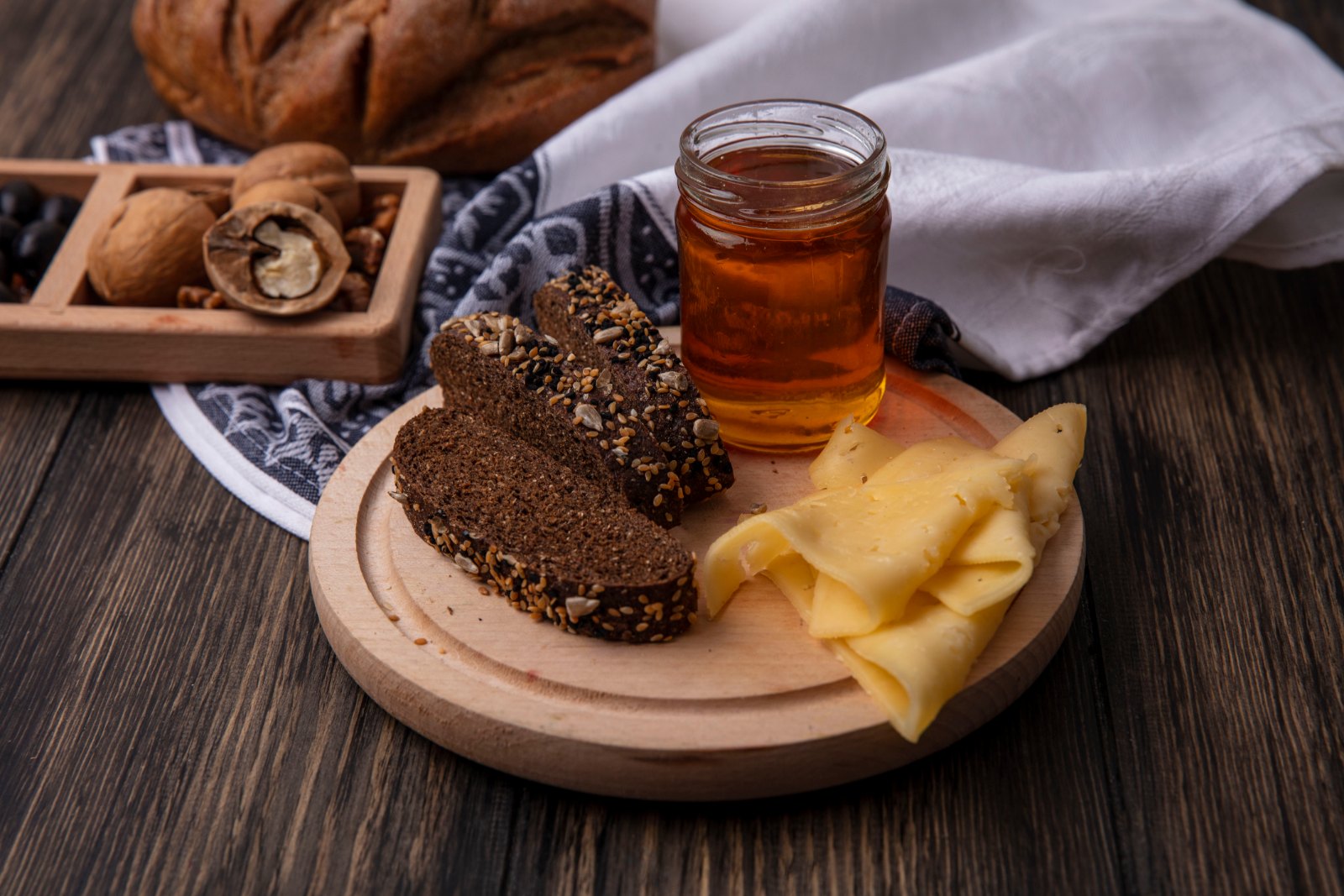
- At breakfast: two toasted slices of Bran sliced bread (wholemeal toast) (Green), a spoonful of Natural honey (Green), one Date (Green) and an infusion of Green tea (Green) without milk.
- At lunch: a Sea fish (preferably grilled) (Green) grilled in the oven for about twenty minutes, accompanied by steamed Bulgur (Green) and a spoonful of Olive oil (Green).
- At dinner: a Sheep's feet (Green) broth simmered for one hour at a gentle simmer, with a spoonful of Smen / ghee (clarified butter) (Green) and a pinch of Black pepper (Green). Smen / ghee (clarified butter) (Green) is the subject of a dedicated article: Smen and ghee: benefits according to the Nidam al-Tayyibat.
This day does not constitute a medical plan. It illustrates how the site team composes meals from the system's zones.
Table of zones and food examples
| Zone | Food examples | System position |
|---|---|---|
| Green | Water (Green), Olive oil (Green), Bulgur (Green) | Daily |
| Yellow | Almonds (Yellow), Walnuts (Yellow), Fresh sardine (Yellow) | Daily with caution |
| Orange | Lamb / mutton (Orange), Tomato (Orange), Aubergine (Orange) | Limited frequency, specific conditions |
| Purple | Peanuts (Purple), Green beans (Purple), Mloukhia (jute mallow) (Purple) | Very rarely |
| Red | Yoghurt (Red), White bread (baguette, fino, khobz) (Red), Chicken (Red) | Never, excluded |
This table does not include all the numerical conditions; it gives an overview of the zones. For each food, the fact sheet details the zone and any conditions.
Frequently asked questions
Does the Nidam al-Tayyibat recommend probiotics?
The system does not mention probiotics as supplements. It excludes Yoghurt (Red) and Lben / fermented milk (Red), which are often presented as sources of ferments. According to the system, gut balance would come first from foods in the Green and Yellow zones.
Which fermented foods are allowed?
The system allows certain matured cheeses such as Roumi cheese (matured Egyptian cheese) (Green) or Parmesan (Green). It excludes, on the other hand, fresh cheeses and yoghurt. According to the system, the long fermentation of certain cheeses does not pose the same problem as fresh dairy products.
Does the system forbid all dairy products?
No. The system allows Natural butter (Green), Smen / ghee (clarified butter) (Green), as well as certain matured cheeses. It excludes Cow's milk (Red), Yoghurt (Red) and fresh cheeses.
How does the system view fasting for the microbiome?
The Nidam al-Tayyibat associates fasting with a lifestyle hygiene practice, but it publishes no figures on its effects on the microbiome. The system's position is developed in a dedicated article: Fasting and autophagy: the position of the Nidam al-Tayyibat. In the case of diabetes, pregnancy or chronic illness, medical advice is necessary before fasting.
Can you eat fibre with this system?
The system allows fibre-rich foods such as Bulgur (Green), Bran sliced bread (wholemeal toast) (Green) or Dates (Green). It excludes, however, legumes and certain raw vegetables, which it classifies in the Red zone. Conventional nutrition often emphasises fibre from legumes, which marks a divergence.
Further reading
- Gut health and immunity: the system's point of view
- Fasting and autophagy: the position of the Nidam al-Tayyibat
- Nidam al-Tayyibat recipes: composing meals
Disclaimer
This article does not replace medical advice. Consult a health professional if you have persistent digestive disorders, blood in the stools, unexplained weight loss, intense abdominal pain, inflammatory bowel disease, or if you are pregnant, breastfeeding, taking medication or if a child has symptoms.