
Nidam al-Tayyibat, the eating system described by Dr Diaa Al-Awadi, divides foods into "tayyibat" (beneficial) and "khabithat" (harmful). To make this classification easy to read, the site's food database places each food in one of five frequency zones, from green to red. This article explains what each zone means, gives examples from the database and shows how to read the conditions attached to "limited" foods.
Why five zones, and not just "allowed" or "forbidden"
In its teaching, the system first draws a two-way line: a food is beneficial or it is not. But as soon as you read its lists closely, intermediate levels appear: a meat "once a week," a vegetable "once a month," nuts "in moderation," a tomato "preferably cooked." The five zones make these nuances visible at a glance.
The site's database applies a simple model:
- the green zone and the yellow zone give the status allowed;
- the orange zone and the purple zone give the status limited;
- the red zone gives the status forbidden.
One rule completes the picture: the method works as a whitelist. A food that appears on none of the system's lists is considered forbidden by default. That is why some entries state that a variant "is not documented," for example canned sardines, while fresh sardines are in the yellow zone.
At the time of writing, the database contains 197 foods across ten categories: 69 in the green zone, 17 in yellow, 26 in orange, 4 in purple and 81 in red.
Green zone: the daily base
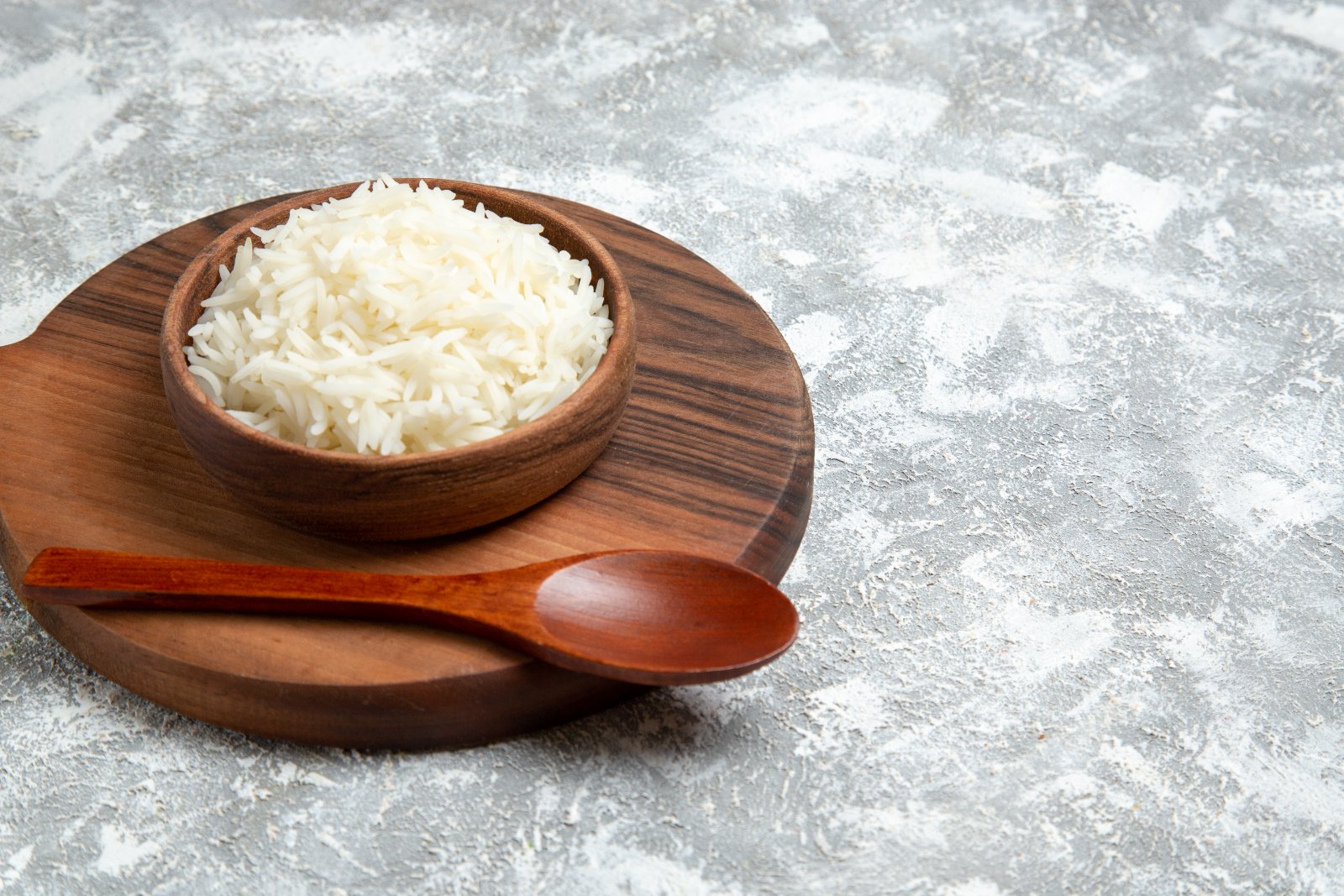
The green zone brings together the foods the system allows with no frequency limit. They form the backbone of meals, day after day. It includes the method's five daily pillars and most fruits, aged cheeses and hot drinks.
Ten examples from the database:
- White rice: the system's central starch, which replaces bread at almost every meal.
- Potato: allowed in all its forms, cooked without onion or garlic.
- Natural butter: allowed for cooking and at breakfast, even though milk is excluded.
- Dates: one to six a day according to the system.
- Bran toast: the only exception allowed among bakery products.
- Sea fish: preferably grilled, fried without a flour coating.
- Rabbit: presented by the method as one of the best alternatives to chicken.
- Cheddar: one of the aged cheeses the system encourages.
- Green tea: the reference hot drink, taken without milk.
- Olive oil: allowed, especially raw.
A word of caution: "green" does not mean "unconditional." The apple is allowed preferably peeled, coffee without milk or creamer, mushrooms cooked. The zone indicates the frequency; the "condition" line on each entry specifies the form.
Yellow zone: every day, with one point to watch
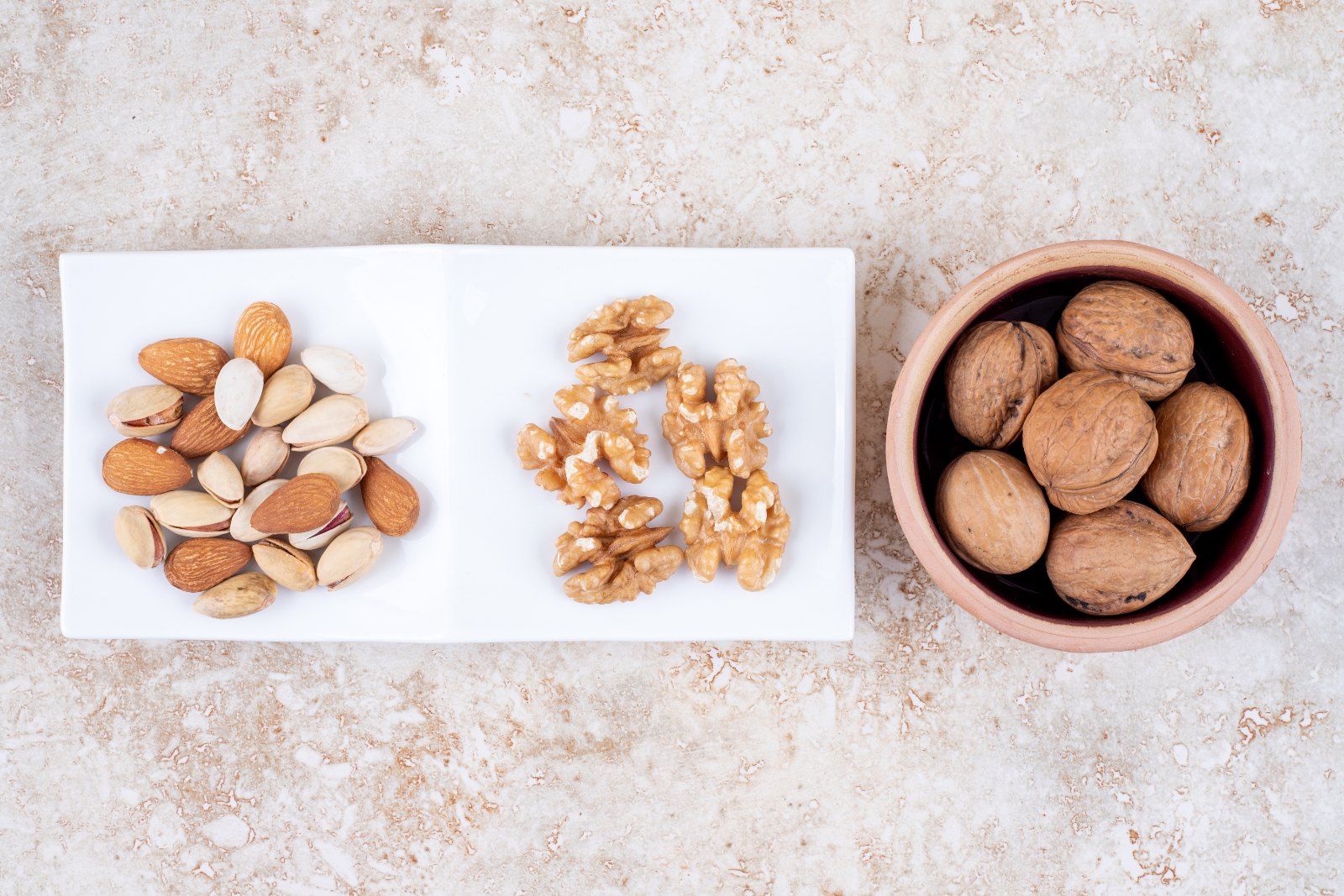
The yellow zone groups foods allowed daily but with a point to watch: a quantity to moderate, a preferred form, a specific version or an individual tolerance to observe.
Ten examples:
- Almonds: in moderation, plain and unsalted.
- Walnuts: same rule, in moderation, plain and unsalted.
- Pistachios: in moderation.
- Cashews: in moderation, plain rather than roasted in industrial oil.
- Chocolate: allowed according to the method, dark, milk or white.
- Mango: preferably as strained juice rather than whole.
- Fruit juice: allowed, citrus juices only in small amounts.
- Aged Gouda and Edam: aged version only; young Gouda is to be avoided.
- Zucchini: always cooked, never raw, while watching digestive tolerance.
- Cinnamon: in small amounts, in desserts and tea.
The yellow zone is the one where you need to read the whole entry: the word "allowed" is the same as in the green zone, but the condition changes how the food is used.
Orange zone: every other day to once a week
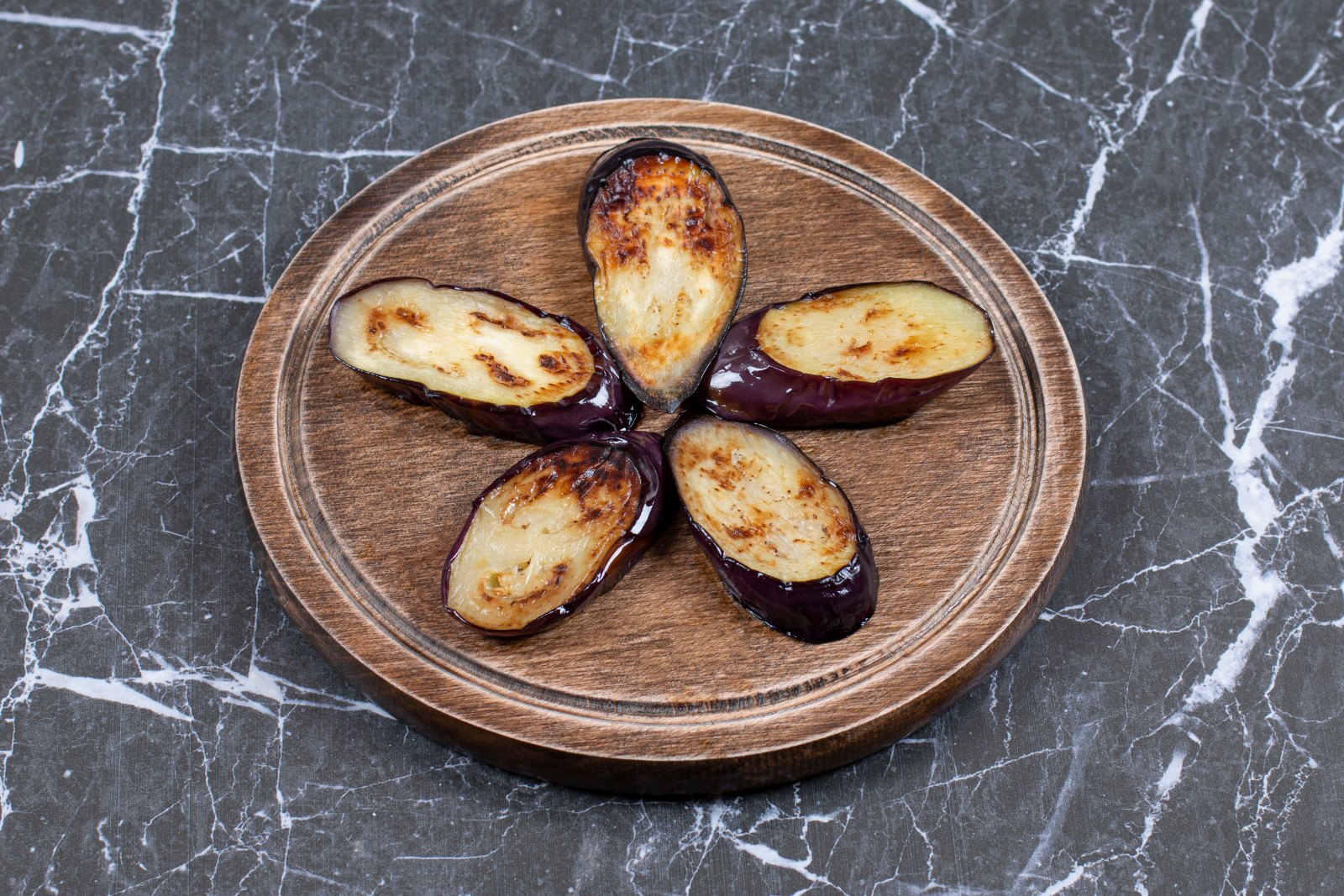
The orange zone corresponds to the limited status. It contains two families of foods: those the system rations over time, and those it allows only in a specific preparation or in small amounts.
Ten examples:
- Lamb and mutton: the system's preferred meat, two meals a week, a share split with goat and camel.
- Beef: once a week, a share split with buffalo.
- Ground meat: counted in the weekly share of the meat it comes from.
- Carrot: cooked only, the raw version being excluded along with raw vegetables.
- Eggplant: cooked only, stuffed or in moussaka.
- Tomato: preferably cooked, in a sauce.
- Olives: in small amounts.
- Preserved lemon: the only form of citrus tolerated, in small amounts.
- Fresh orange juice: squeezed at home, a small glass, not on an empty stomach.
- Store-bought basbousa: occasionally, a version without eggs or yogurt.
How the "shared portions" work deserves a clarification. According to the method, lamb, goat meat and camel meat share a single allowance of two meals a week: two lamb meals use up the share, and so do one lamb meal and one goat meal. Likewise, beef, buffalo meat and veal draw on the same share of one meal a week.
Purple zone: very rarely
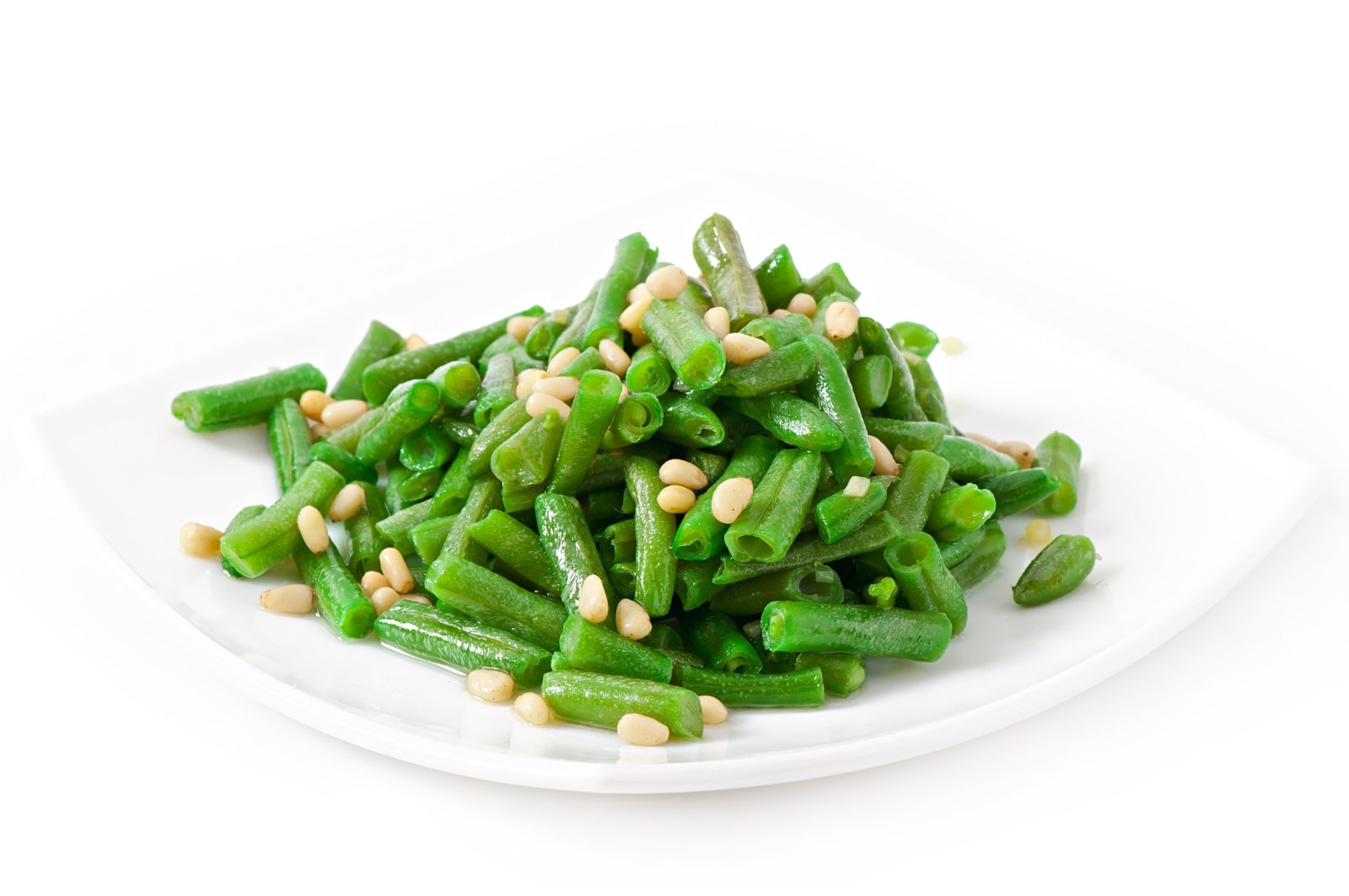
The purple zone is the strictest tolerated level. The site's database uses it for foods the system limits to about once a month, and for those on which its sources contradict each other, retaining the most cautious reading in that case. To date it contains only four foods:
- Green beans: once a month.
- Mloukhia: once a month.
- Peanuts: some of the system's lists allow them in moderation, others exclude them as a legume; the database places them in very occasional use.
- Dark chocolate (70% and above) and cocoa: very rarely, without milk or vegetable oil, while chocolate in general is in the yellow zone; the database retains the strictest zone for this specific entry.
Red zone: never
The red zone is the largest. It groups everything the system excludes, often by whole families: white flours, liquid fresh dairy, farmed poultry, eggs, raw vegetables, legumes, citrus fruits and industrial products.
Ten of the most striking examples for a Moroccan or French reader:
- White bread: baguette, fino, khobz and all pastries made with white flour.
- Pasta: excluded along with all white-flour products.
- Couscous: explicitly excluded, because it is made from refined wheat semolina.
- Chicken: excluded in all its forms, farmed or free-range.
- Eggs: excluded hard-boiled, fried, as an omelet or in chakchouka.
- Cow's milk: excluded along with all liquid dairy.
- Yogurt: excluded for the same reasons as fresh milk.
- Lettuce and salad greens: the system bans raw leaves.
- Legumes: fava beans, dried beans, peas, lentils and chickpeas.
- Watermelon: the fruit most clearly excluded by the system.
Some exclusions are surprising: avocado, brown rice and quinoa are in the red zone even though they have a good reputation elsewhere. Each food's entry reports the reasoning put forward by the system, without endorsing it.
How the conditions on "limited" foods work
A condition is not a general recommendation: it is the precise framework within which the method tolerates the food. The database distinguishes three types, sometimes combined on the same entry.
- Frequency condition. "Once a week," "once a month," "share split with…". It is managed at the scale of the week or the month, not the meal.
- Preparation condition. "Cooked only," "stuffed and cooked," "squeezed at home, strained." The green bell pepper, for example, is tolerated only stuffed and cooked, never raw; fresh mango juice only squeezed at home and strained, industrial nectars remaining forbidden.
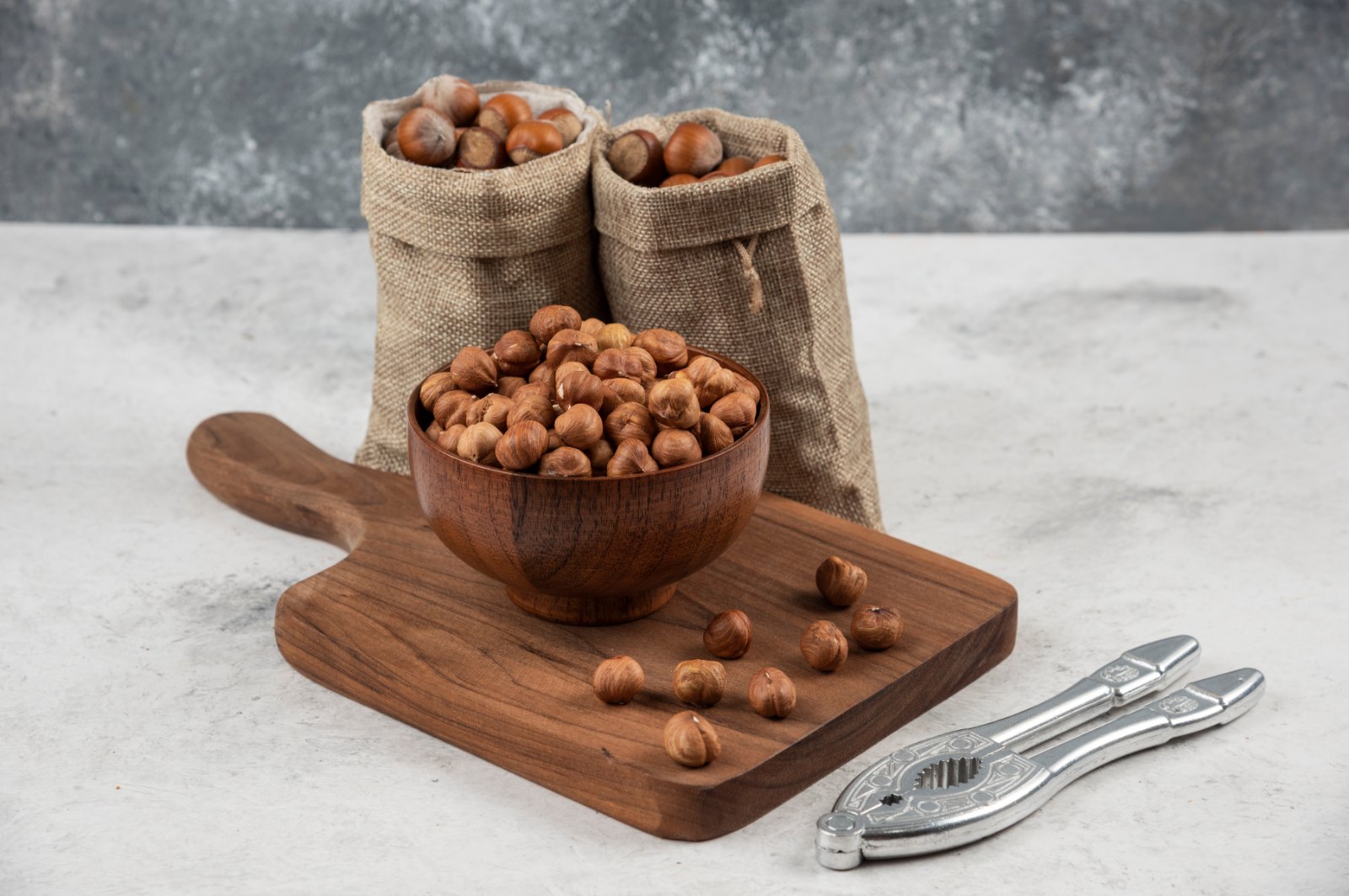
- Quantity condition. "In small amounts," "a small handful," "in moderation." Hazelnuts and raisins fall into this case.
When the system's sources contradict each other, the entry says so and mentions an alternative zone. Eggplant, peanuts and dark chocolate are examples. In these cases, the database retains the strictest reading and explains why.
Using the food pages day to day

Three levels of navigation cover everyday needs.
- The /aliments page lists all foods with their zone and status, and lets you filter by zone.
- The category pages group foods by family: proteins, dairy and cheeses, grains and starches, vegetables, fruits, fats, nuts and seeds, sweets, drinks and condiments and spices.
- Each food entry gives the zone, the condition, the note summarizing the system's position and, where relevant, the alternative zone and substitutes.
In practice, three moments justify a visit: before shopping, to browse the relevant category; when looking at a recipe, to check each ingredient; and when planning the week, to spread out orange-zone foods without exceeding their share. The zones say nothing about meal timing: that is handled by the two-hour rule. For a concrete application first thing in the morning, the article on breakfast according to Nidam al-Tayyibat uses only green- and yellow-zone foods. Finally, to place this classification alongside the benchmarks of a balanced diet in Morocco, the guide to balanced eating in Morocco and the balanced menu for one week offer a useful point of comparison.
Disclaimer
This article describes an eating system for informational purposes. It does not replace medical advice. If you have an illness, are undergoing treatment, are pregnant or have diabetes, talk to your doctor before making any change to your diet.