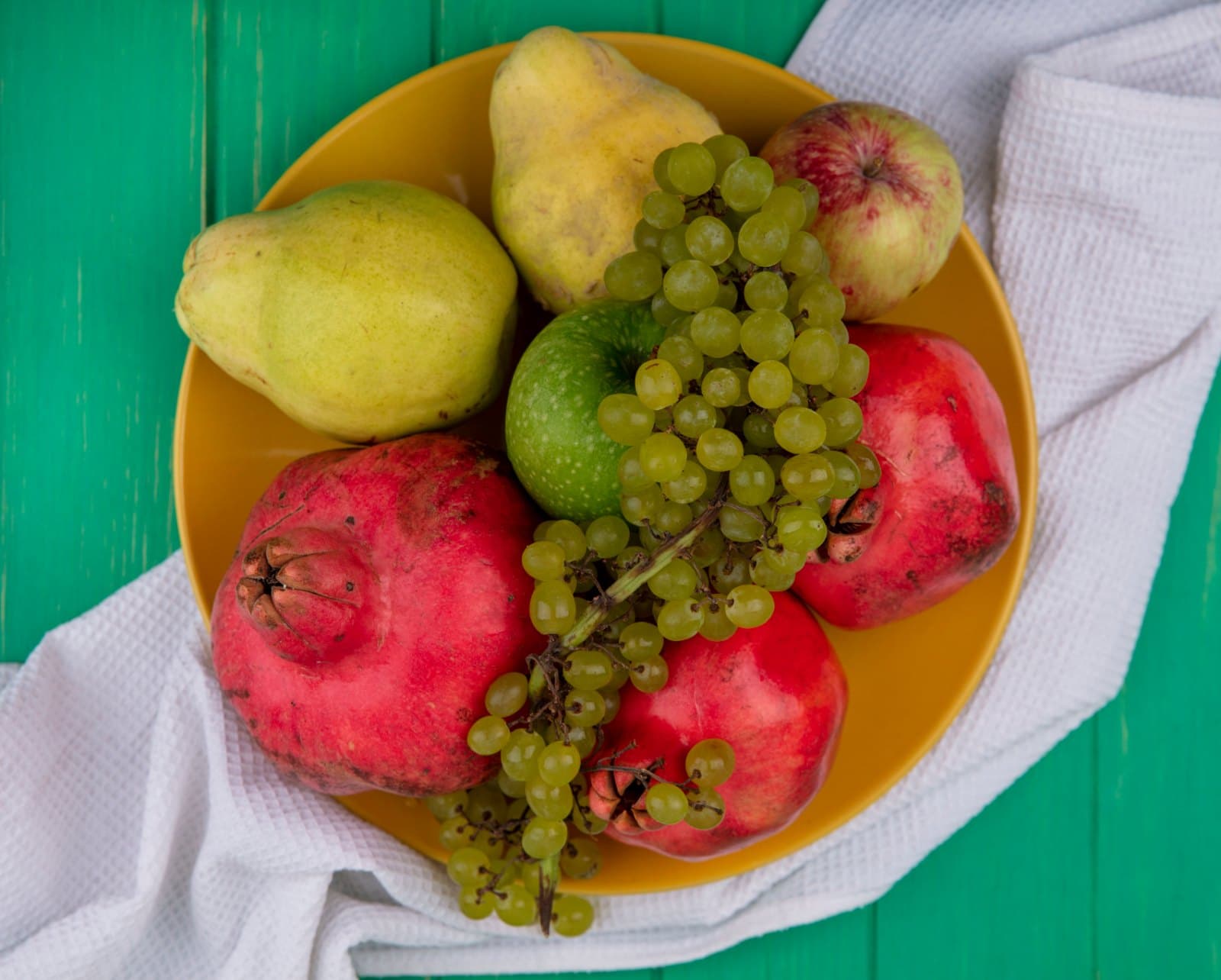
No. Melon and watermelon are both in the Red zone of Nidam al-Tayyibat, that is, set aside. They are precisely the two fruits that summer makes obvious, and it is this that makes the season the most uncomfortable in the system.
A vocabulary trap is added to the rule: the word battikh does not refer to the same fruit from one country to another. The zones come from the site food database.
The answer, and the whole family
Melons are excluded as a family, not individually.
| Fruit | Zone |
|---|---|
| Melon | Red |
| Watermelon | Red |
There is no allowed variety, no tolerated version, no acceptable quantity: according to the system, the Red zone has no frequency. This applies to yellow melon, cantaloupe, green melon and watermelon in all its forms.
The trap of the word battikh
It is the detail that means the same question receives two answers depending on who asks it.
In Egypt, battikh (بطيخ) means watermelon, and melon is called chammam (شمام). In Morocco, battikh means melon, and watermelon is called dellah (دلاح). The melon (Red) entry carries this warning explicitly, because the confusion changes the question being asked.
Here, the error has no consequence: both fruits are in Red, so the answer is the same in both dialects. But the same trap exists elsewhere in the list, and there it really changes the answer — which is why the database names foods in French and Arabic rather than relying on a single term.
What remains, in summer
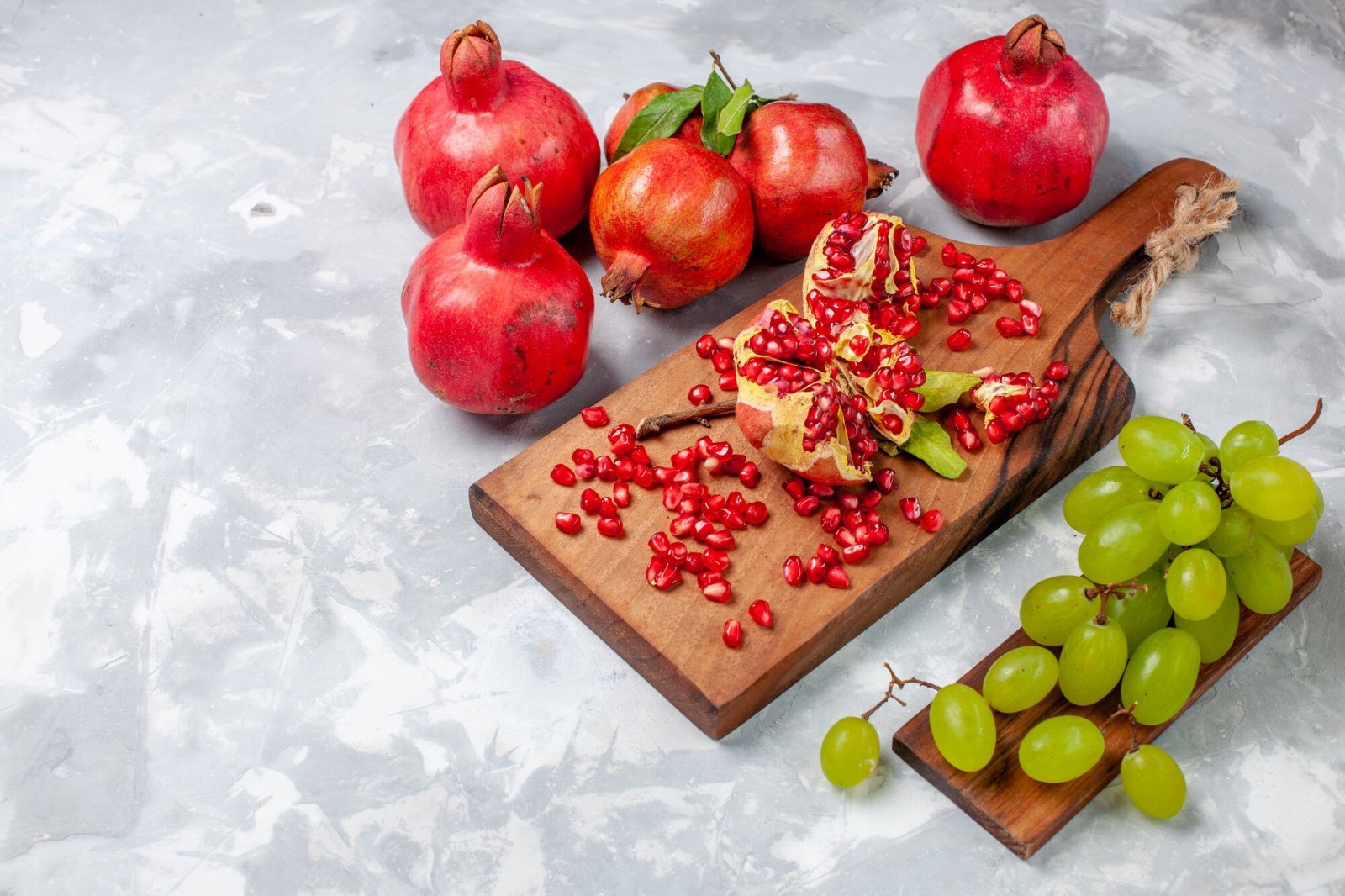
The hot season is the narrowest of the year, but it is not empty.
- Grapes (Green) — the most available summer fruit on the list.
- Peach (Green) and apricot (Green) — the whole stone-fruit season.
- Prickly pear (Green) — very present in the Maghreb at the height of summer.
- Strawberry (Green) and cherries (Green) — start of the season.
- Fresh fig (Orange) — allowed in a limited portion, not to be confused with prickly pear.
The mango (Yellow) is allowed in moderation, and the sources do not agree: some lists only include it as juice.
Why melons, when they are mostly water?
Because the classification depends neither on water content nor on sugar content. The system classifies by family, and the whole family is excluded.
The proof is in the list itself: banana (Green) and dates (Green), far sweeter and far denser, are in the Green zone. Reading this list with a calorie grid produces apparent contradictions that disappear as soon as one accepts that it was not built that way.
According to the system, belonging to the family comes before any consideration of dose or composition.
Summer is also the season of excluded citrus fruits
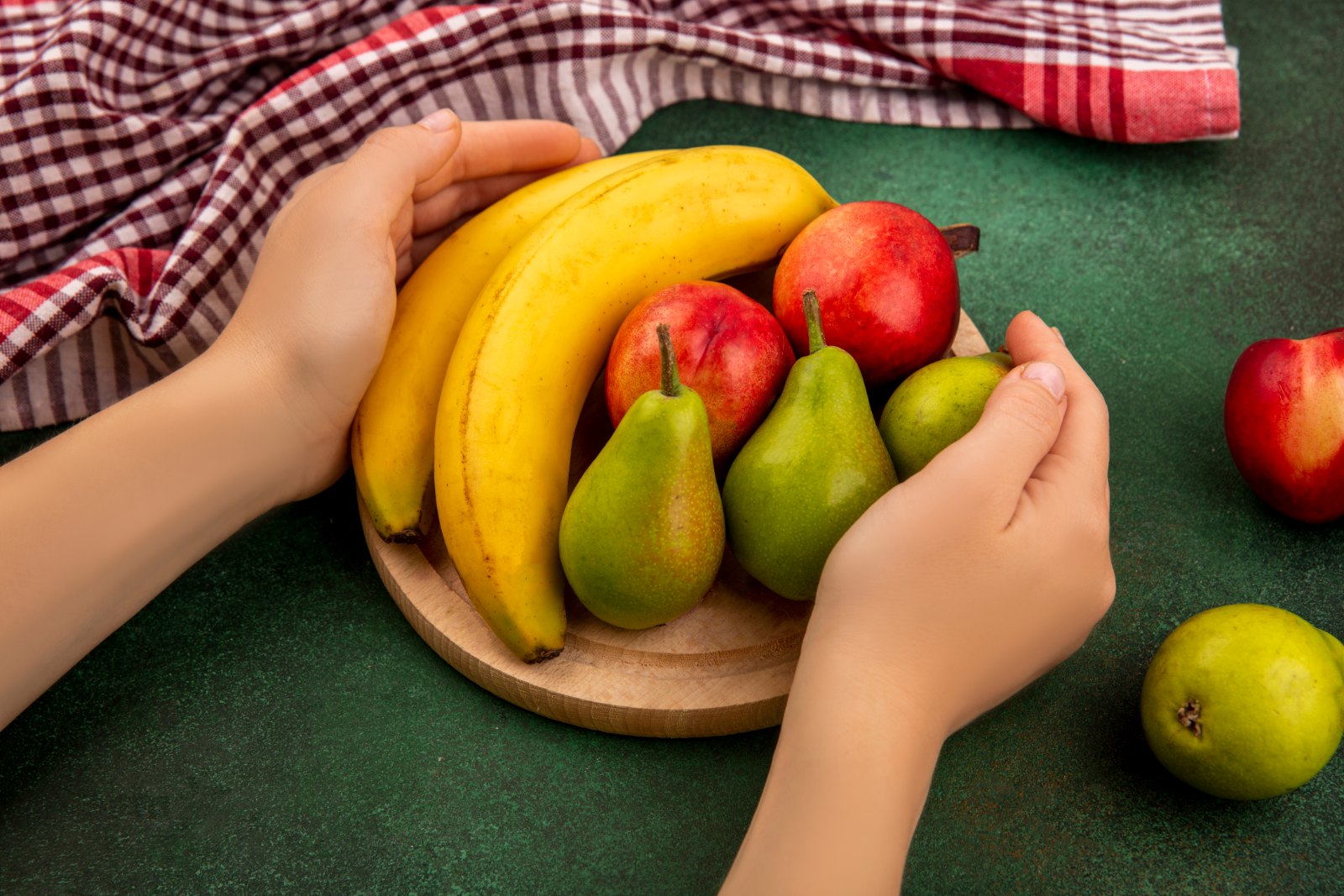
The problem does not stop at melons. Summer drinks rely heavily on citrus fruits, and the whole family is in Red: fresh lemon (Red), lime (Red), orange (Red), grapefruit (Red).
This removes lemonade, orange juice and lemon water, that is, the three reflexes of hot weather. The system asks that you drink plain water, preferably lukewarm, when thirsty.
Preserved lemon (Orange) is a separate entry, allowed under a condition — it is a preparation, not the fresh fruit, and the two have neither the same zone nor the same use.
What the list leaves for drinks
Once citrus fruits and melons are excluded, the practical question becomes one of the glass, not of the plate.
The system asks that you drink when thirsty, without quota, preferably still lukewarm water in small sips, between meals rather than during them. It advises against iced drinks, which is counter-intuitive in summer but consistent with the rest of its digestion logic.
There remain green tea, mint tea and coffee, all drunk plain: milk is out from the second week of the programme, and industrial juices are excluded along with fizzy drinks.
In other words, summer changes nothing about the drinks rule — it simply makes it harder to keep. The system considers this constancy as the point that holds the rest together.
How to get through summer without stepping outside the framework
Three habits are enough, and they mainly require planning ahead.
- Buy grapes and stone fruit in quantity, because they replace the volume that melon used to occupy.
- Do not count on juices. Citrus fruits are excluded and industrial juices are too; water remains the system’s drink.
- Keep dried fruits (Green) and dates (Green) in reserve for the moments when fresh fruit is lacking.
This is the season when the system costs the most in habits, and it is better to know it before July than in the middle of a heatwave.
Frequently asked questions
Is watermelon really at the same level as melon?
Yes, both entries are in the Red zone, separately. There is no hierarchy between them: the whole family is excluded.
And watermelon juice, or melon in a fruit salad?
The Red zone concerns the food, not its preparation. Unlike some Orange foods whose condition is cooking, nothing changes here according to form.
Does battikh mean melon or watermelon?
Both, depending on the country: watermelon in Egypt, melon in Morocco. Since both are in Red, the ambiguity does not change the answer in this particular case — but it would change it elsewhere in the list.
Which summer fruit comes closest to melon?
None replaces it in texture. Grapes (Green) and peach (Green) are the closest by the place they take in a summer meal, and both are without restriction.
Is prickly pear really allowed?
Yes, prickly pear is in the Green zone, without condition. It is a separate entry from fresh fig (Orange), which is another fruit with another zone.
To go further
- Food database — the zone and the condition of each fruit.
- Fruits permitted and excluded: the complete list
- What is the Tayebat diet?
- Shopping list: the first 30 products
The zones, conditions and vocabulary warnings cited come from the site’s food database, built from the published lists of the system described by Dr Diaa Al-Awadi. The note on battikh appears on the melon entry.
Disclaimer
This article describes a food system; it does not give medical advice and does not replace medical advice. Excluding melons and citrus fruits in the middle of hot weather reduces water and vitamin C intakes on which many people rely in summer. If you are pregnant, older, diabetic or on diuretic treatment, speak to a health professional before changing your diet.