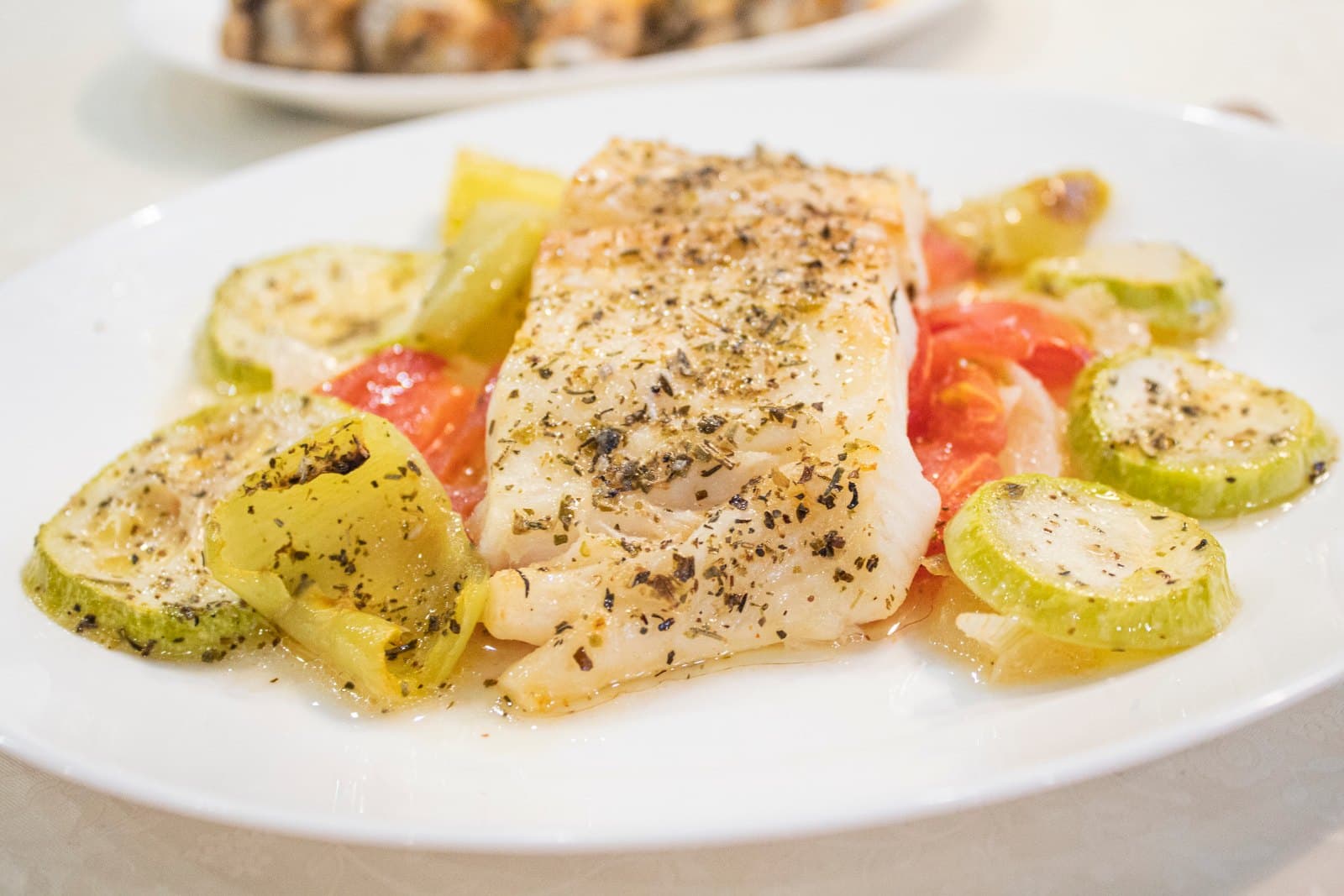
Fasting is often associated with autophagy, a cellular process documented by research. The Nidam al-Tayyibat, presented by the Egyptian doctor Diaa Al-Awadi, does not propose any quantified fasting protocol. According to the system, fasting forms part of a broader approach of food sorting, based on the classification of foods into zones, without any promise of therapeutic effect. To learn more about this system, see The Egyptian doctor’s diet: who is it about?.
What is autophagy?
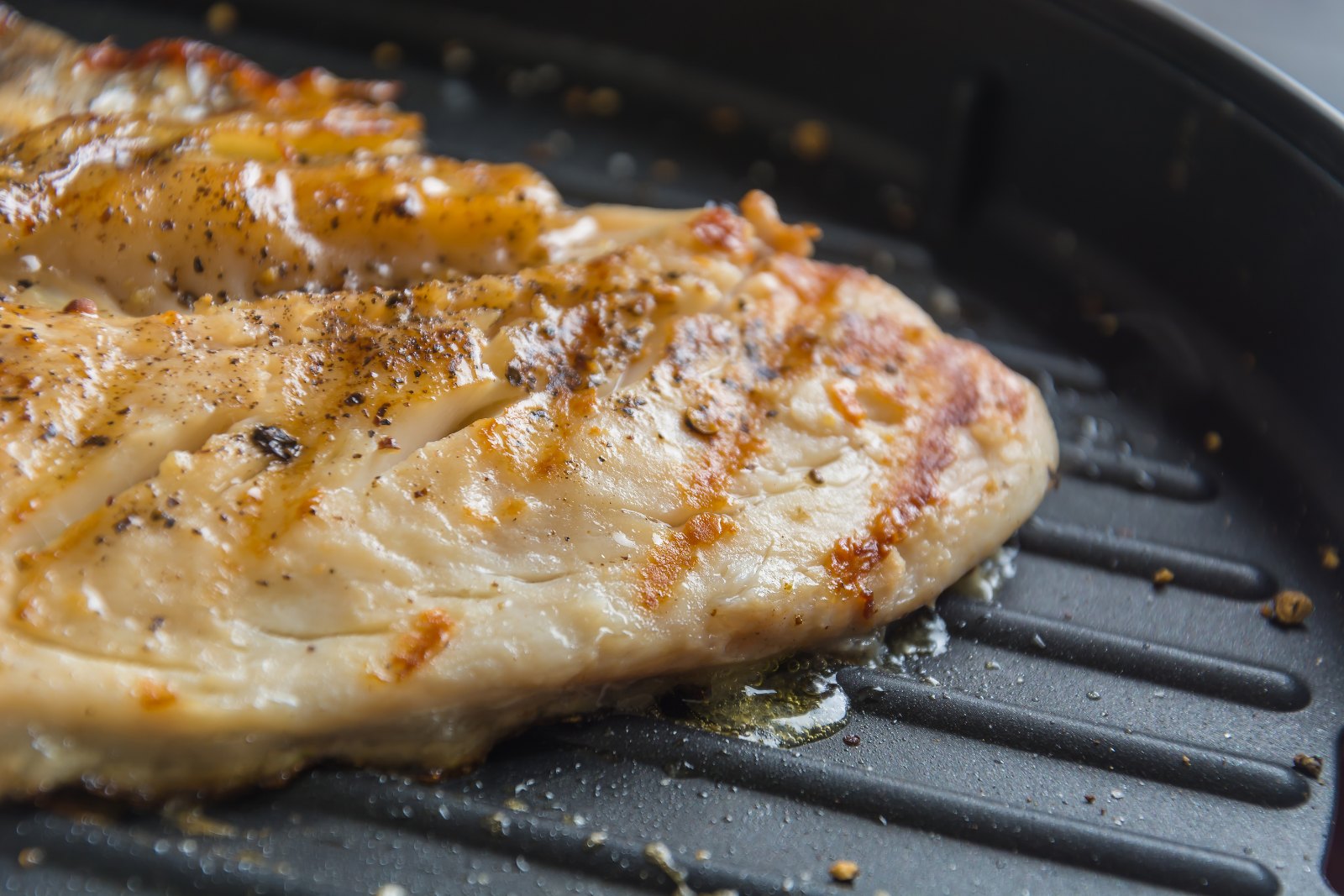
Autophagy is a cellular mechanism by which a cell degrades and recycles its damaged components. This process was described by the Japanese biologist Yoshinori Ohsumi, whose work was awarded the Nobel Prize in Physiology or Medicine. In everyday language, it is sometimes referred to as cellular cleaning. Fundamental research has shown that this mechanism is essential for cell renewal and the stress response.
According to the Nidam al-Tayyibat system, autophagy is not presented as proof of the effectiveness of a particular diet. The system simply classifies foods, without relying on this process to justify its recommendations.
Does fasting activate autophagy?
Laboratory studies suggest that dietary restriction may increase autophagic activity. However, the exact conditions, particularly the duration of fasting, vary according to experimental models and are not directly transferable to humans. The Nidam al-Tayyibat does not set any fasting duration to follow. The system also does not associate autophagy with a number of hours or days of deprivation.
According to the system, anyone wishing to try fasting should first talk to a doctor, especially in the case of chronic illness, pregnancy or drug treatment. The site does not replace this consultation.
How does the Nidam al-Tayyibat approach fasting?
The Nidam al-Tayyibat does not describe any specific fast, such as intermittent fasting or prolonged fasting. Instead, it proposes a classification of foods into five frequency zones, which can be used to compose meals before and after a period of voluntary fasting.
According to the system, the Green zone includes everyday foods, the Yellow zone everyday foods with a point of caution, the Orange zone foods to be consumed every two days to once a week, the Purple zone very rare foods, and the Red zone foods to be excluded. This classification does not change during fasting: it applies to everyday eating.
Here is a summary of the zones according to the system:
- Green zone: everyday foods
- Yellow zone: everyday foods with caution
- Orange zone: spaced-out foods, from every two days to once a week
- Purple zone: very rare foods
- Red zone: foods to be excluded
This hierarchy is independent of fasting. It serves as a guide for choosing authorised foods at the time of breaking the fast.
Foods for breaking the fast according to the system
For breaking a fast, the system authorises many foods from the Green zone and some from the Yellow zone. The table below presents a few examples with their zone and their condition, as they appear in the site’s database.
| Food | Zone | Condition according to the system |
|---|---|---|
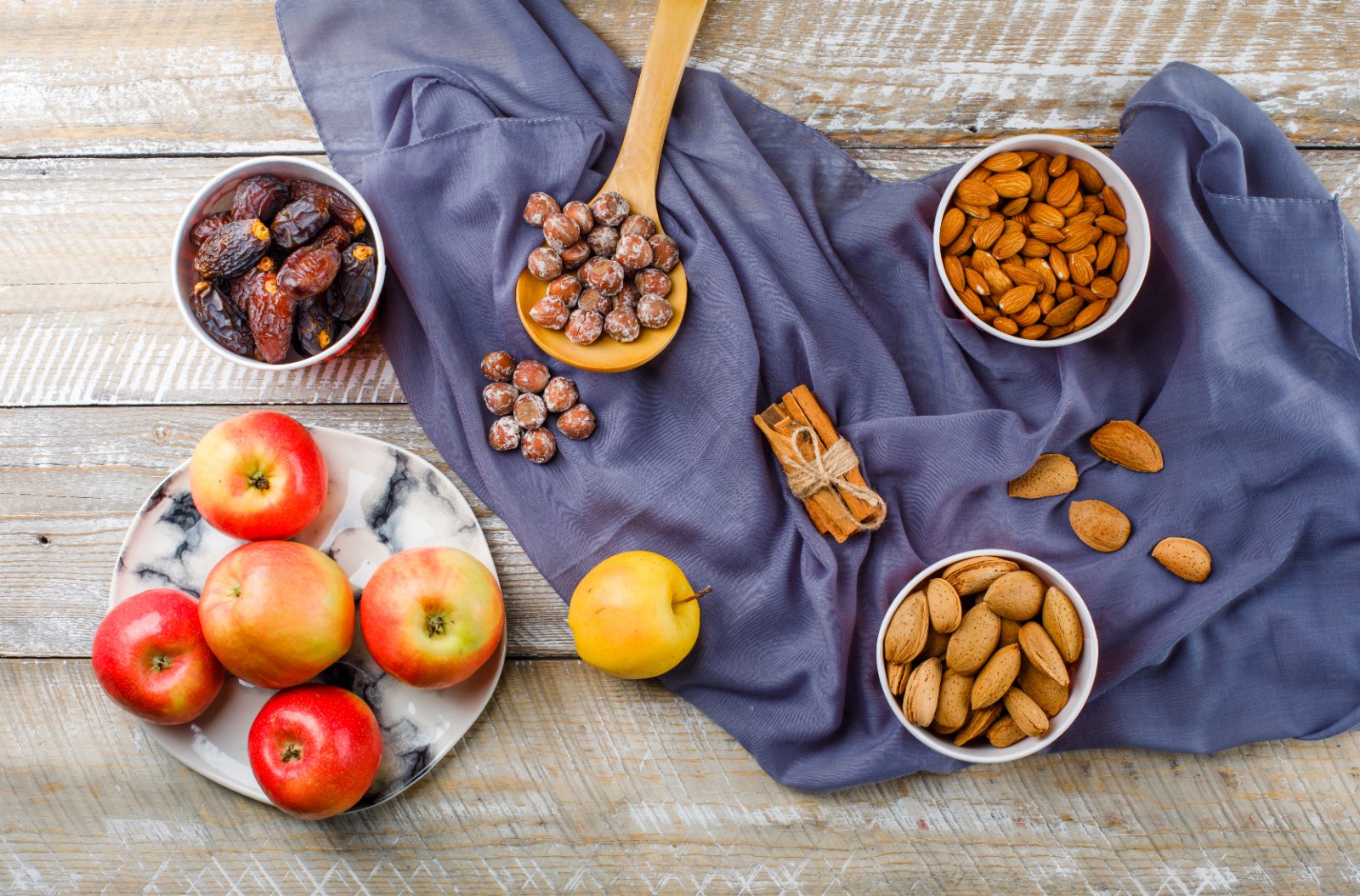
| Dates | Green | one to six per day according to the system |
| Squash / pumpkin | Green | cooked |
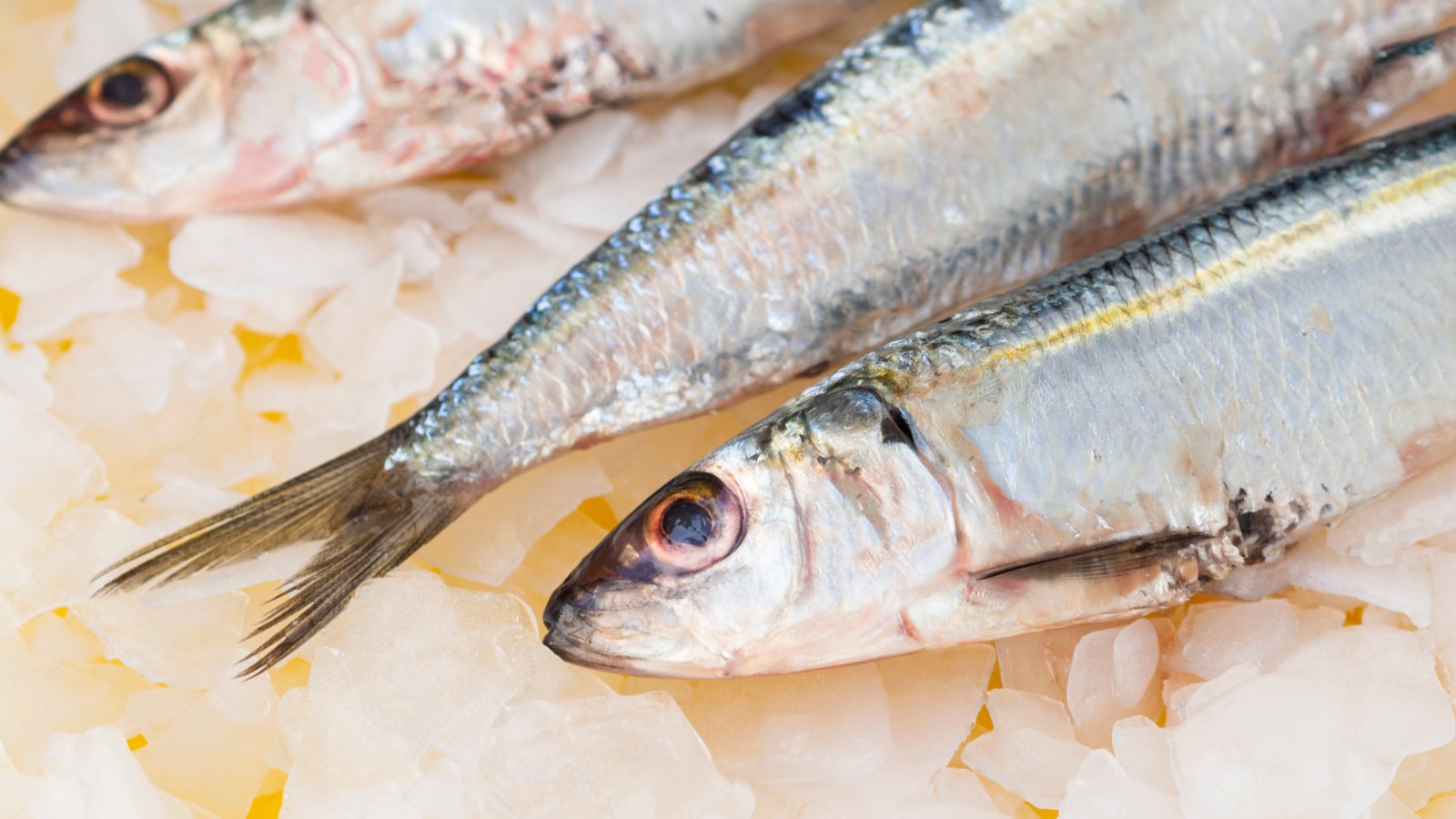
| Sea fish (preferably grilled) | Green | preferably grilled; fried without flour |
| Bulgur | Green | no particular condition |
| Olive oil | Green | no particular condition |
| Almonds | Yellow | in moderation, plain and unsalted |
Other Green foods may also be suitable, such as Rice (basmati, white) (Green) or Banana (Green). The system does not provide a precise recipe for breaking the fast. It is up to each person to choose from the authorised zones.
Outside fasting, authorised hot drinks include in particular:
- Water (Green)
- Coffee (Green), condition: without milk or whitener
- Hot infusions (cinnamon, anise, herbal teas) (Green), condition: without milk
- Green tea (Green), condition: without milk
- Karkadé (hibiscus) (Green)
Fasting, cancer and diseases: what the system does not say
Some articles mention a link between fasting and cancer, or between fasting and improvements in blood pressure or cholesterol. The Nidam al-Tayyibat does not adopt these claims as its own. According to the system, no food and no fasting practice is presented as a treatment for cancer or cardiovascular disease.
Conventional nutrition acknowledges that supervised fasting may have physiological effects, but the clinical evidence remains limited and does not allow a general recommendation. The site systematically refers to a doctor for any health question. For a critical analysis, see Critique of the Nidam al-Tayyibat: the debate.
Foods excluded by the system
The system excludes certain foods, whatever the time of day. These Red zone foods are not authorised, including for breaking the fast. Here are a few examples:
- Cow’s milk (Red) is excluded by the system.
- Eggs (Red) are excluded.
- White bread (baguette, fino, khobz) (Red) is excluded.
- Chicken (Red) is excluded.
According to the system, these foods are not part of the authorised zones, and their consumption is not recommended, even outside fasting. Their exclusion is not specific to fasting; it follows from the general classification.
Frequently asked questions
Is fasting an obligation in the Nidam al-Tayyibat?
No. The system does not present fasting as an obligation. It classifies foods and leaves each person to compose their meals. According to the system, no particular fasting practice is imposed.
How long should you fast to activate autophagy?
The Nidam al-Tayyibat gives no quantified duration. Scientific research mentions variable durations, but the system does not adopt these figures. Any personal question should be put to a doctor.
Which foods are recommended for breaking the fast?
The system classifies foods such as dates, bulgur or grilled sea fish in the Green zone. The Yellow zone includes almonds or honey in moderation. It is advisable to favour the authorised zones.
Can fasting replace cancer treatment?
No. The Nidam al-Tayyibat does not claim to treat cancer or any disease. Any pathology requires medical follow-up. Information about autophagy must not be interpreted as therapeutic advice.
Does the system forbid certain foods during fasting?
Yes, the system excludes Red zone foods, such as cow’s milk or white bread. This is not a rule specific to fasting, but a general classification.
To go further
- Tayebat diet (al tayebat, taibat, tayabat): what it is
- The Egyptian doctor’s diet: who is it about?
- Tayyibat dinner: ten evening ideas, in under an hour
Sources
Information about autophagy comes from general scientific publications, in particular the work of Yoshinori Ohsumi. The description of the Nidam al-Tayyibat is based on publications from the site tayibat.org and on the writings of the doctor Diaa Al-Awadi. No figure is reproduced here, because the system does not publish any.
Disclaimer
This article does not replace medical advice. Anyone suffering from a chronic illness, an eating disorder, diabetes, hypertension, cancer, or any pregnant or breastfeeding woman, as well as anyone taking drug treatment, must consult a health professional before changing their diet or undertaking a fast.