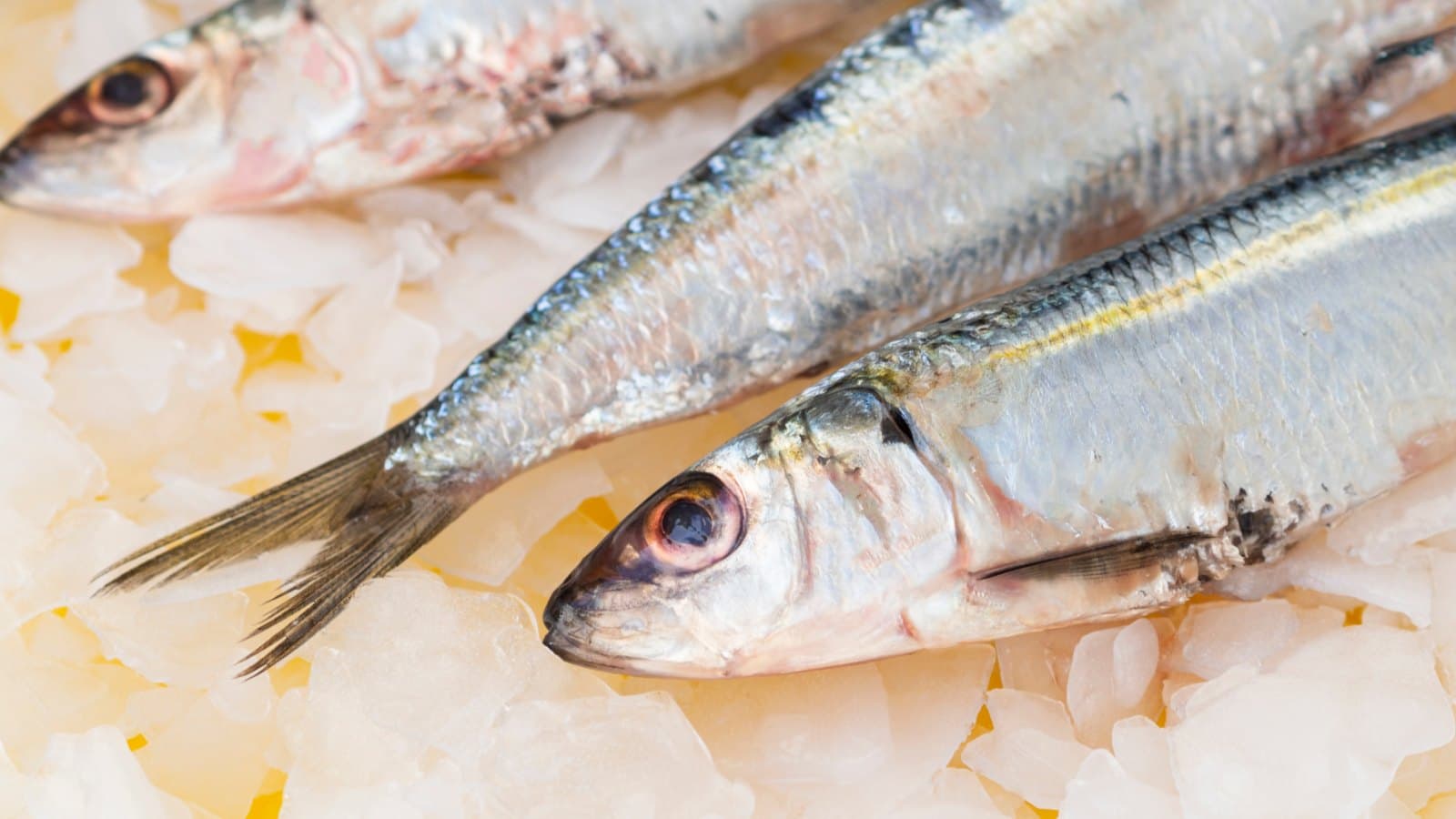
In the Nidam al-Tayyibat, sea fish is not treated like chicken: the former is classified in the Green zone and may be eaten daily, preferably grilled, while the latter is excluded. According to the system, the difference lies in the nature of the food and not in a simple comparison of protein content.
Why is sea fish not classified like chicken in the system?
The Nidam al-Tayyibat, as presented by the Egyptian doctor Diaa Al-Awadi, divides foods into five frequency zones: Green, Yellow, Orange, Purple and Red. In this reading, a food is not judged only on its protein value, but on the place the system assigns to it in everyday life.
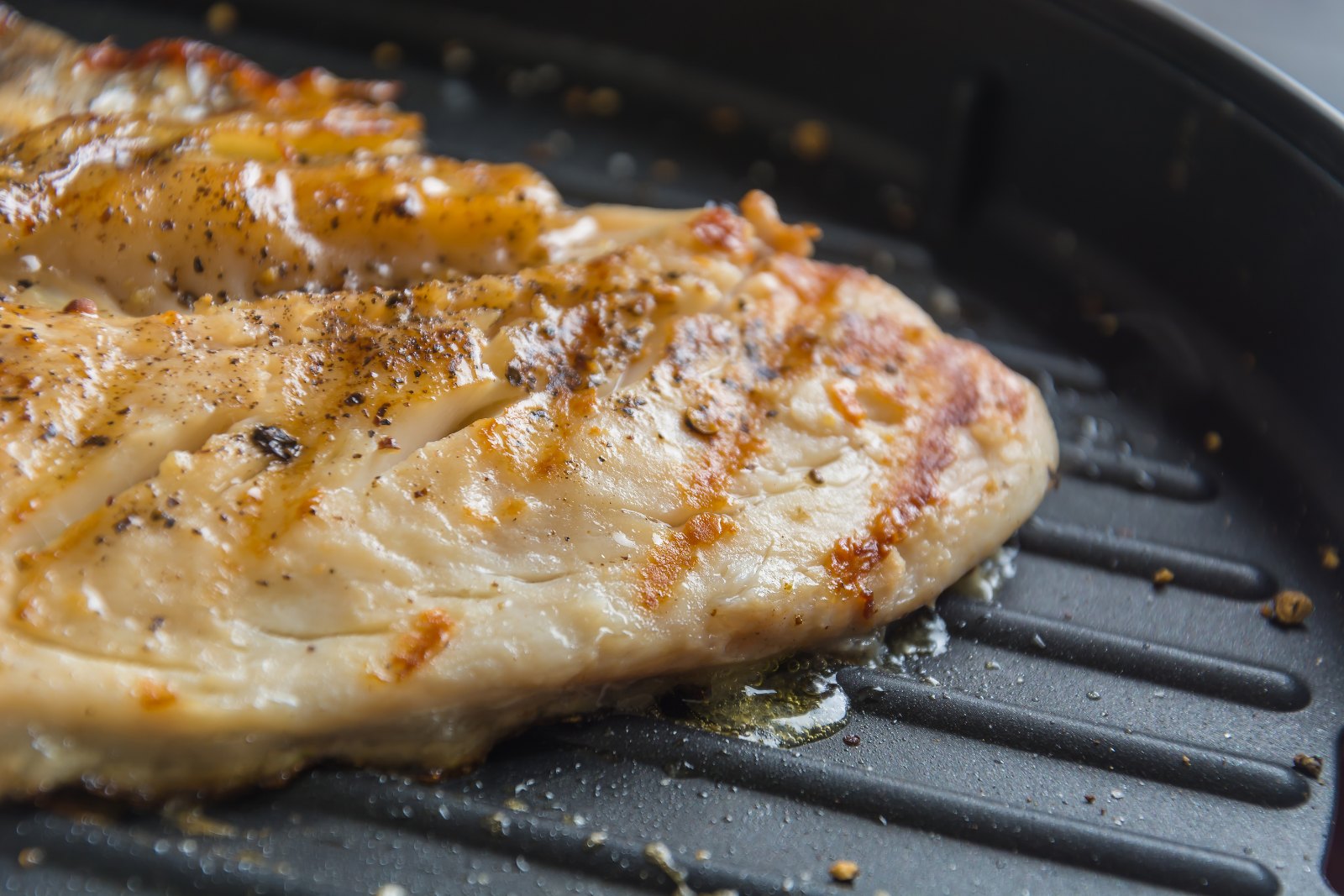
According to the system, Sea fish (preferably grilled) (Green) is admitted daily, preferably grilled, or fried without flour. Chicken (Red), by contrast, is excluded. This separation is not based on a conventional nutritional equivalence: the system excludes chicken in the same way that it excludes several animal products that it does not consider to be Green-zone foods.
Conventional nutrition often classifies chicken and fish among the sources of animal protein without opposing them in this way. The Nidam al-Tayyibat, for its part, establishes a different hierarchy, based on its own categories and not on the usual frequency recommendations.
What does the system say about farmed fish?
The system excludes Farmed fish (tilapia, mullet) (Red). It also excludes Salmon (farmed) (Red), while specifying that wild salmon is not documented in its fact sheets. In other words, according to the system, a fish raised in a pond or on an aquaculture farm does not enter the same category as a sea fish.
This position is not shared by all of conventional nutrition. Many health professionals consider that farmed fish can be eaten as a source of protein, while sometimes calling for species and origins to be varied. The Nidam al-Tayyibat, for its part, places it in the Red zone without drawing a distinction by species or by farming method.
Sea fish during pregnancy
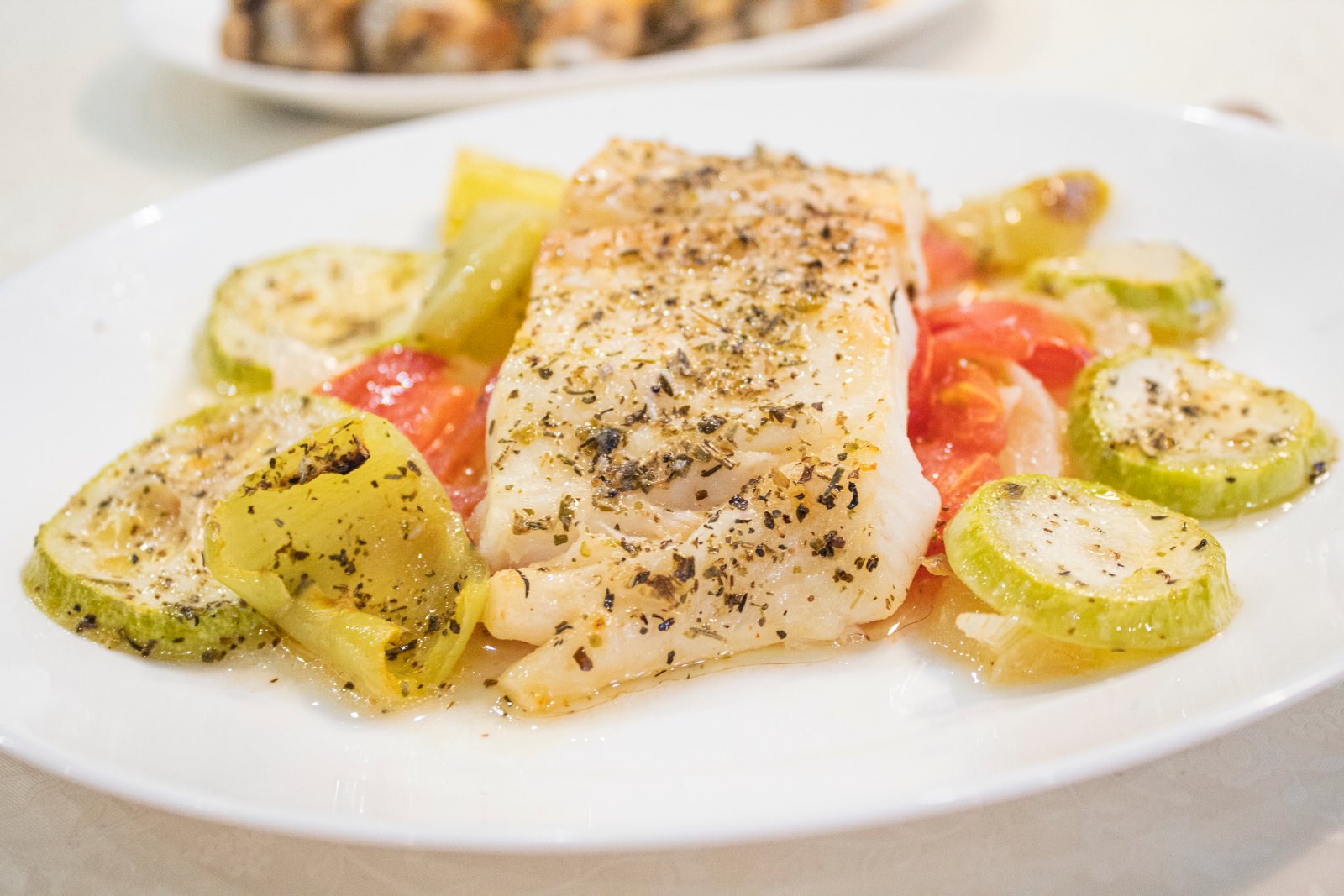
The system does not establish a separate protocol for pregnancy. Foods remain classified according to the same zones: Sea fish (preferably grilled) (Green) remains in the Green zone, and excluded foods remain excluded.
This does not mean that a pregnant woman can adapt her diet without caution. Any question about eating fish during pregnancy, breastfeeding or in the case of a medical condition must be put to a health professional. The system does not replace this monitoring and does not publish a list of at-risk species or maximum amounts.
Sea fish and longevity: what the system says
Some accounts associate the longevity of certain coastal populations with their fish consumption. The Nidam al-Tayyibat does not take up this explanation in quantified form and does not attribute a longevity benefit to any single food.
According to the system, the place of Sea fish (preferably grilled) (Green) in the Green zone makes it a food that can be present every day. This does not constitute a promise of an effect on lifespan. The system classifies foods; it does not demonstrate a causal relationship between a food and a health outcome.
Conventional nutrition often recognises sea fish as a source of protein and long-chain polyunsaturated fatty acids. It does not, however, classify it according to the same frequency logic as the Nidam al-Tayyibat.
Including sea fish in meals
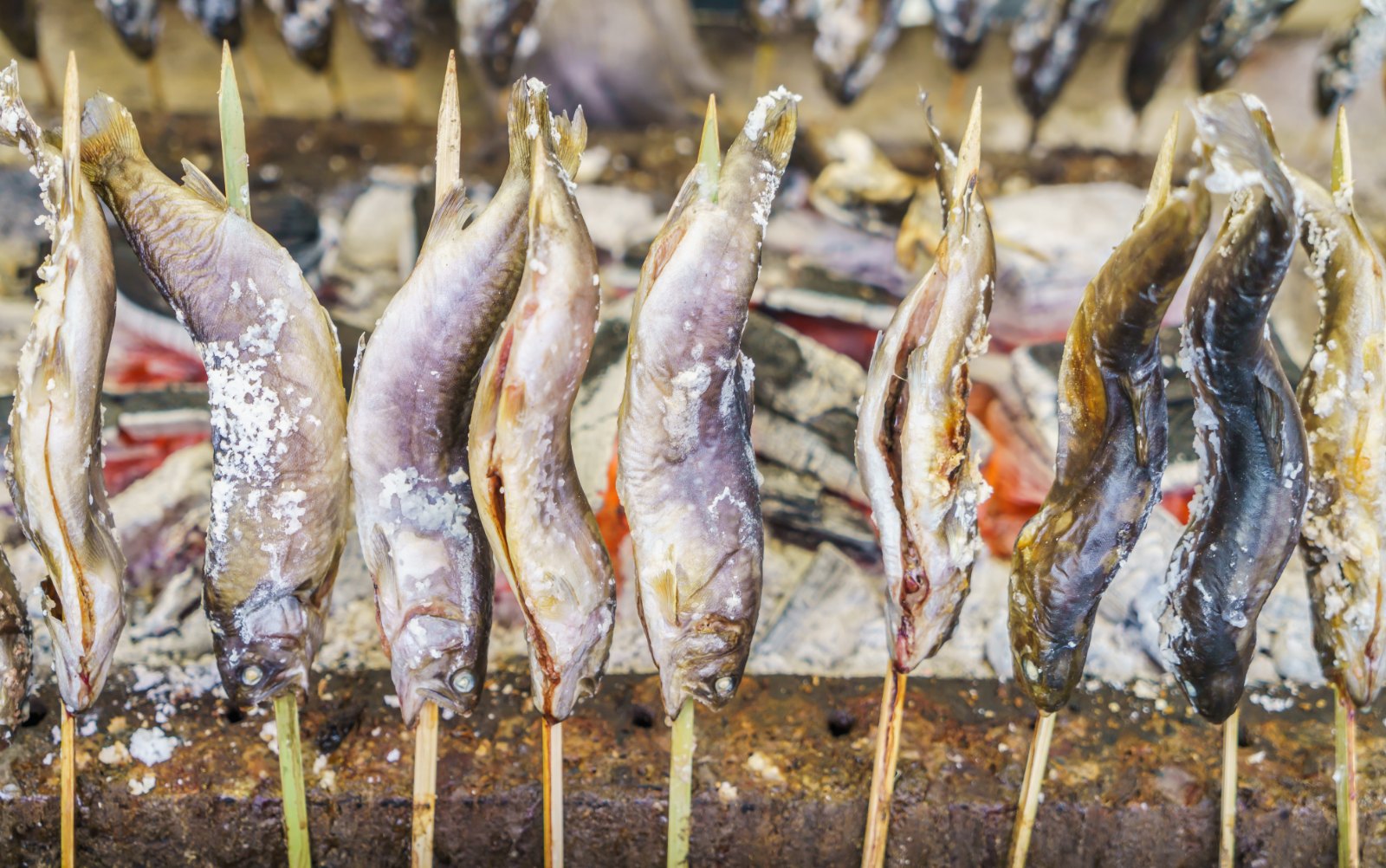
The recipes suggested here are the team’s recipes, and not recommendations from Dr Diaa Al-Awadi. They use only foods admitted by the site’s database.
- Whole fish grilled in the oven or over charcoal, brushed with Olive oil (Green), salted with Salt (Green) and seasoned with Black pepper (Green).
- Fish fillet pan-fried without flour, in a pan lightly oiled with olive oil, served with Rice (basmati, white) (Green).
- Fish baked in the oven on a bed of cooked Squash / pumpkin (Green), with a touch of Cumin (Green).
- Grilled Fresh sardine (Yellow), served with Potato (Green) or Bran bread (wholemeal toast) (Green).
These preparations remain simple: the system classifies sea fish as preferably grilled, and frying is only admitted without flour. The team does not suggest recipes that include foods excluded by the system.
Table of seafood products in the system
| Product | Zone | Condition or status |
|---|---|---|
| Sea fish (preferably grilled) (Green) | Green | Preferably grilled; fried without flour |
| Crab (Green) | Green | Admitted daily according to the system |
| Fresh sardine (Yellow) | Yellow | Fresh, on protein days; canned version not documented |
| Farmed fish (tilapia, mullet) (Red) | Red | Excluded |
| Salmon (farmed) (Red) | Red | Excluded; wild salmon not documented |
| Prawns (Red) | Red | Excluded |
| Squid / cuttlefish (Red) | Red | Excluded |
| Canned tuna (Red) | Red | Excluded |
Frequently asked questions
Can sea fish be eaten every day?
According to the system, Sea fish (preferably grilled) (Green) is classified in the Green zone, which corresponds to an everyday food. The preparation method matters: grilled is preferred, and frying is only admitted without flour. This does not constitute an obligation to eat it every day.
Is canned sardine admitted like fresh sardine?
No. Fresh sardine (Yellow) is admitted in the Yellow zone, provided it is fresh and eaten on protein days. The canned version is not documented in the site’s fact sheet. According to the system, what is not documented cannot be considered admitted.
Why is chicken excluded when sea fish is admitted?
The system does not explain this choice by a simple difference in protein content. It classifies Chicken (Red) among the excluded foods, while Sea fish (preferably grilled) (Green) is placed in the Green zone. This distinction belongs to the Nidam al-Tayyibat’s own classification.
Is fried fish allowed?
The system specifies that sea fish may be fried without flour, while preferring it grilled. Frying with flour is not mentioned as admitted. The team’s recipes favour grilling, oven cooking or pan-frying without flour.
Are seafoods such as prawns admitted?
No. According to the system, Prawns (Red) and Squid / cuttlefish (Red) are excluded. By contrast, Crab (Green) is classified in the Green zone. This difference may be surprising, but it reflects the logic of the Nidam al-Tayyibat food database.
Further reading
- Tayebat diet (al tayebat, taibat, tayabat): what it is
- Nidam al-Tayyibat recipes: composing meals
- Critique of the Nidam al-Tayyibat: the debate
Sources
- Page consulted: “Benefits of fish”, tayibat.org/blog/benefits-of-fish
- Food fact sheets from the Nidam Tayebat site: sea fish, fresh sardine, farmed fish, salmon, prawns, squid, canned tuna, crab
Disclaimer
This article does not replace medical advice. The information presented describes the classification of the Nidam al-Tayyibat and the team’s recipes; it is not intended to treat, prevent or diagnose a health disorder. Consult a health professional in the case of pregnancy, breastfeeding, chronic condition, medication, deficiency, allergy or doubt about your diet.