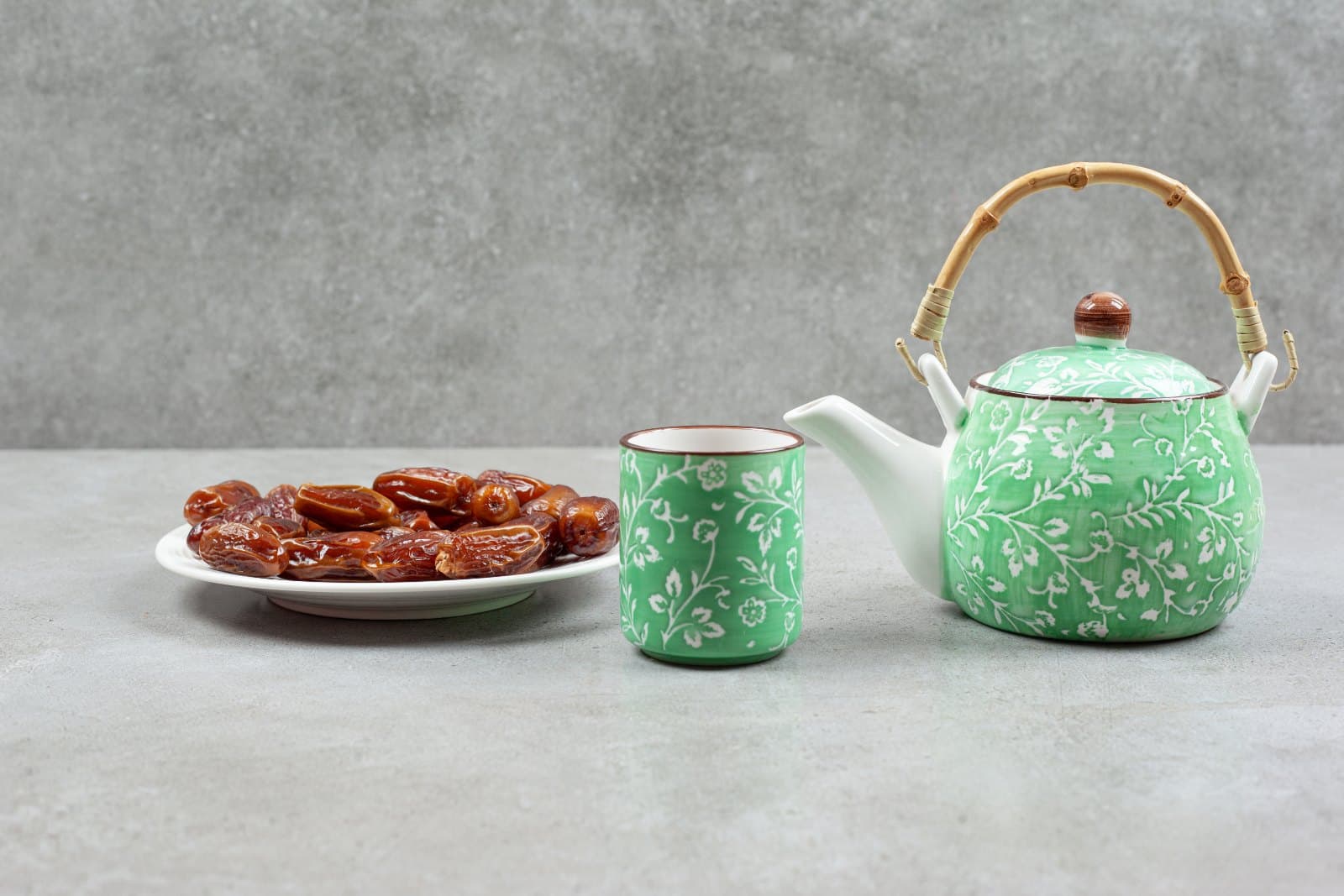
According to the Nidam al-Tayyibat system, composing recipes consists of choosing foods allowed in the Green, Yellow and Orange zones, while respecting the associated conditions. The recipes offered here are developed by the team, without being attributed to Dr Diaa Al-Awadi, and aim to vary meals while following the classification.
What is a recipe compatible with Nidam al-Tayyibat?
A recipe compatible with Nidam al-Tayyibat is based solely on foods that the system allows. According to the system, foods are divided into five zones: the Green zone is allowed daily, the Yellow zone is allowed daily with a point of vigilance, the Orange zone is consumed from every two days to once a week depending on the food, the Purple zone very rarely, and the Red zone never. The team's recipes rely on this classification and therefore use no Red food.
The following principles are applied:
- Offer only foods from the Green, Yellow or Orange zones, respecting the stated frequencies and conditions.
- Follow the recommended preparation methods: for example, some vegetables must be cooked, and some fruits peeled or seeded.
- Exclude Red foods, even when they are common in traditional cooking, such as onion or garlic.
- Never attribute these recipes to Dr Diaa Al-Awadi: they are developed by the website team.
The word “recipe” does not refer here to a medical protocol. These are culinary suggestions intended for those who wish to follow the system's classification while preparing varied meals.
Which foods should be favoured for a daily meal?
For a daily meal, the system favours foods from the Green zone, which can be eaten every day. Foods from the Yellow zone may also appear daily, but with a point of vigilance: for example, almonds must be eaten in moderation, plain and unsalted. Foods from the Orange zone, such as lamb or tomato, are not excluded, but their frequency is limited according to the system's rules.
The following table gives examples of combinations for a day, without being an imposed menu. The conditions come from the website's food pages.
| Meal | Proposed foods | Conditions |
|---|---|---|
| Breakfast | Bran sandwich bread (wholemeal toast) (Green), Roumi cheese (matured Egyptian cheese) (Green), Jam (Green), Dates (Green), Green tea (Green) | Dates: one to six per day according to the system. Green tea: without milk. |
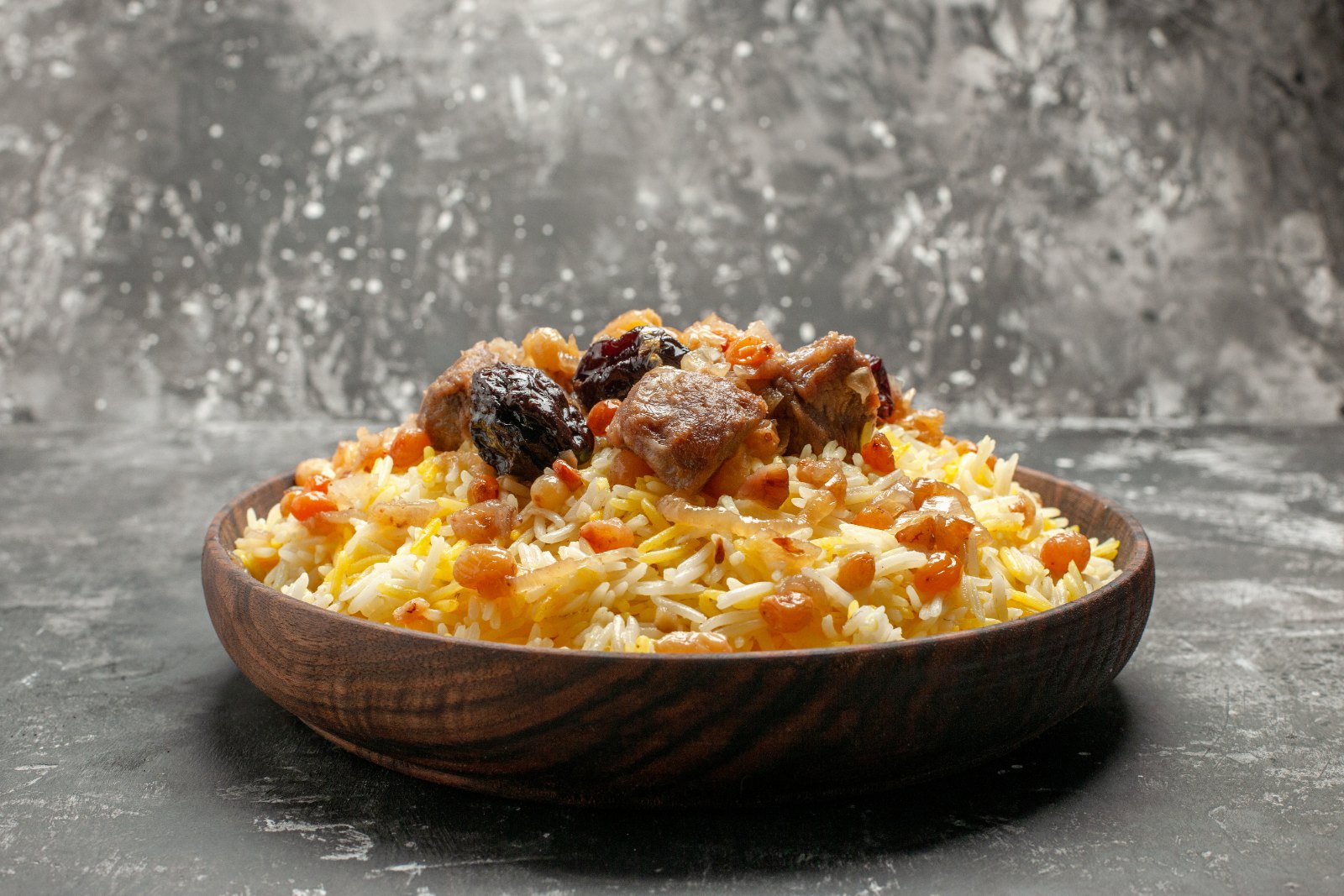
| Lunch | Rice (basmati, white) (Green), Lamb / mutton (Orange), Squash / pumpkin (Green), Tomato (Orange) | Lamb: twice a week, allowance shared with goat and camel. Squash: cooked. Tomato: preferably cooked, in sauce. |
| Snack | Dried fruits (Green), Almonds (Yellow), Sesame halva (Green) | Almonds: in moderation, plain and unsalted. |
| Dinner | Sea fish (preferably grilled) (Green), Potato (Green), Hot infusions (cinnamon, anise, herbal teas) (Green) | Sea fish: preferably grilled, fried without flour. Hot infusions: without milk. |
This table illustrates a simple principle: according to the system, the majority of a day is based on Green foods, while Orange foods appear occasionally and within the set limits.
How to compose a main dish without Red foods?
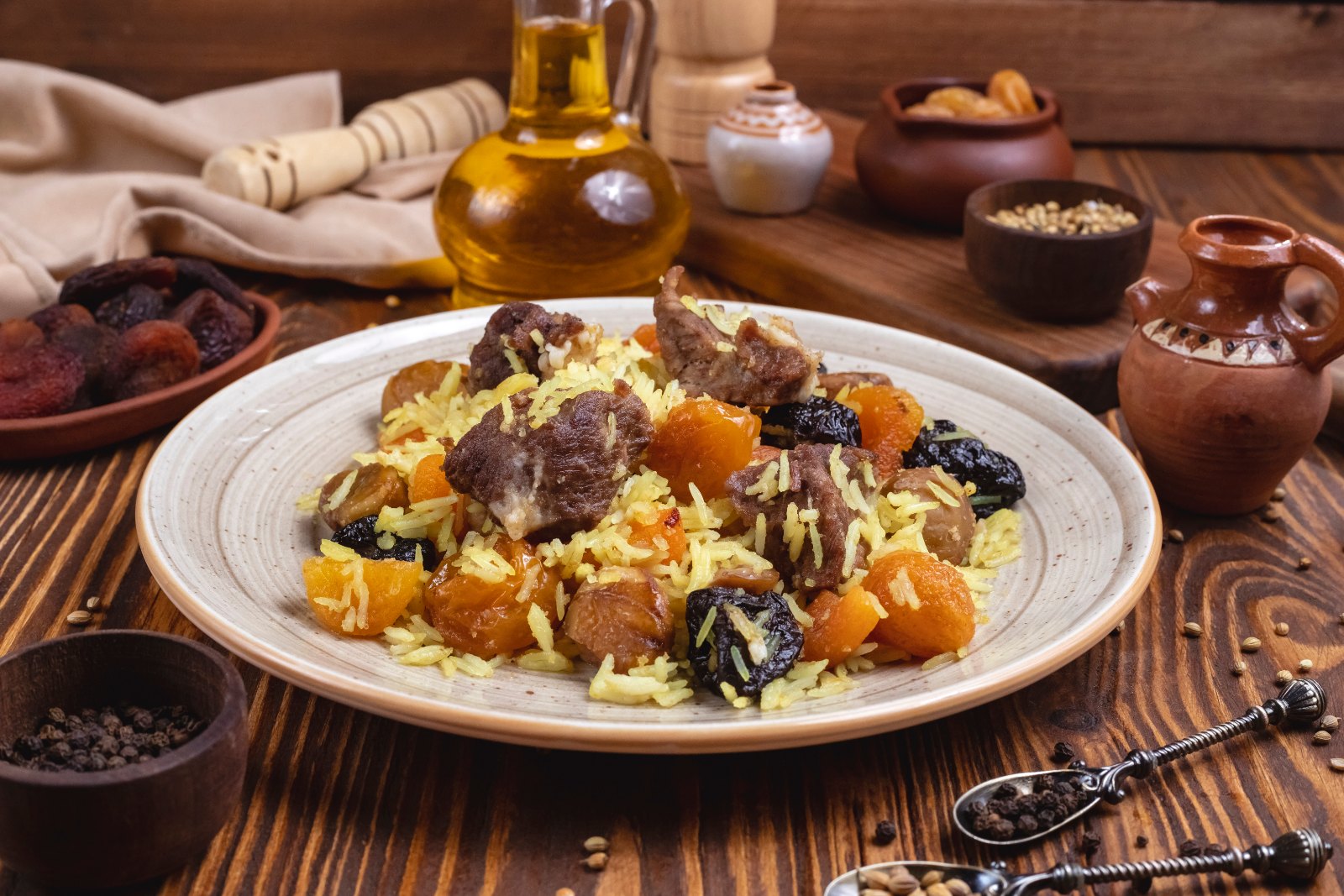
To compose a main dish, the team offers a simple recipe: basmati rice with squash and lamb. This recipe is from the team and only reflects its culinary choices.
The ingredients used are all allowed by the system:
- Rice (basmati, white) (Green)
- Lamb / mutton (Orange)
- Squash / pumpkin (Green)
- Tomato (Orange)
- Natural butter (Green)
- Salt (Green)
- Black pepper (Green)
- Cumin (Green)
Here are the steps, without quantified measurements:
- Cook the squash in water until tender, then drain.
- Brown the pieces of lamb in natural butter with salt, black pepper and cumin.
- Add the peeled tomato cooked in sauce, then the squash.
- Mix with the basmati rice cooked separately.
- Leave the mixture to simmer for a few minutes before serving.
According to the system, certain common ingredients are excluded from this recipe: onion, garlic and industrial tomato purée are Red foods. They are replaced with allowed spices such as cumin and black pepper. If you are taking medication or have a chronic illness, seek advice from a doctor before changing your diet.

Which breakfast recipes can be prepared?
Breakfast can be simple and made up of Green or Yellow foods. The team offers a few combinations, all developed from the website's food pages.
Breakfast ideas:
- Slices of grilled Bran sandwich bread (wholemeal toast) (Green), with Natural butter (Green) and Jam (Green).
- Roumi cheese (matured Egyptian cheese) (Green) accompanied by Dates (Green), one to six dates per day according to the system.
- Green tea (Green) without milk or a Hot infusion (cinnamon, anise, herbal teas) (Green) without milk.
A sweet toast recipe from the team:
- Toast two slices of bran sandwich bread.
- Spread with natural butter.
- Add a thin layer of jam.
- Accompany with two or three dates, depending on appetite.
- Serve with green tea without milk.
This breakfast contains no Red food. According to the system, green tea must be drunk without milk, and dates are limited to one to six per day. Bran sandwich bread here replaces white bread, which is an excluded Red food.

Which desserts are allowed in the system?
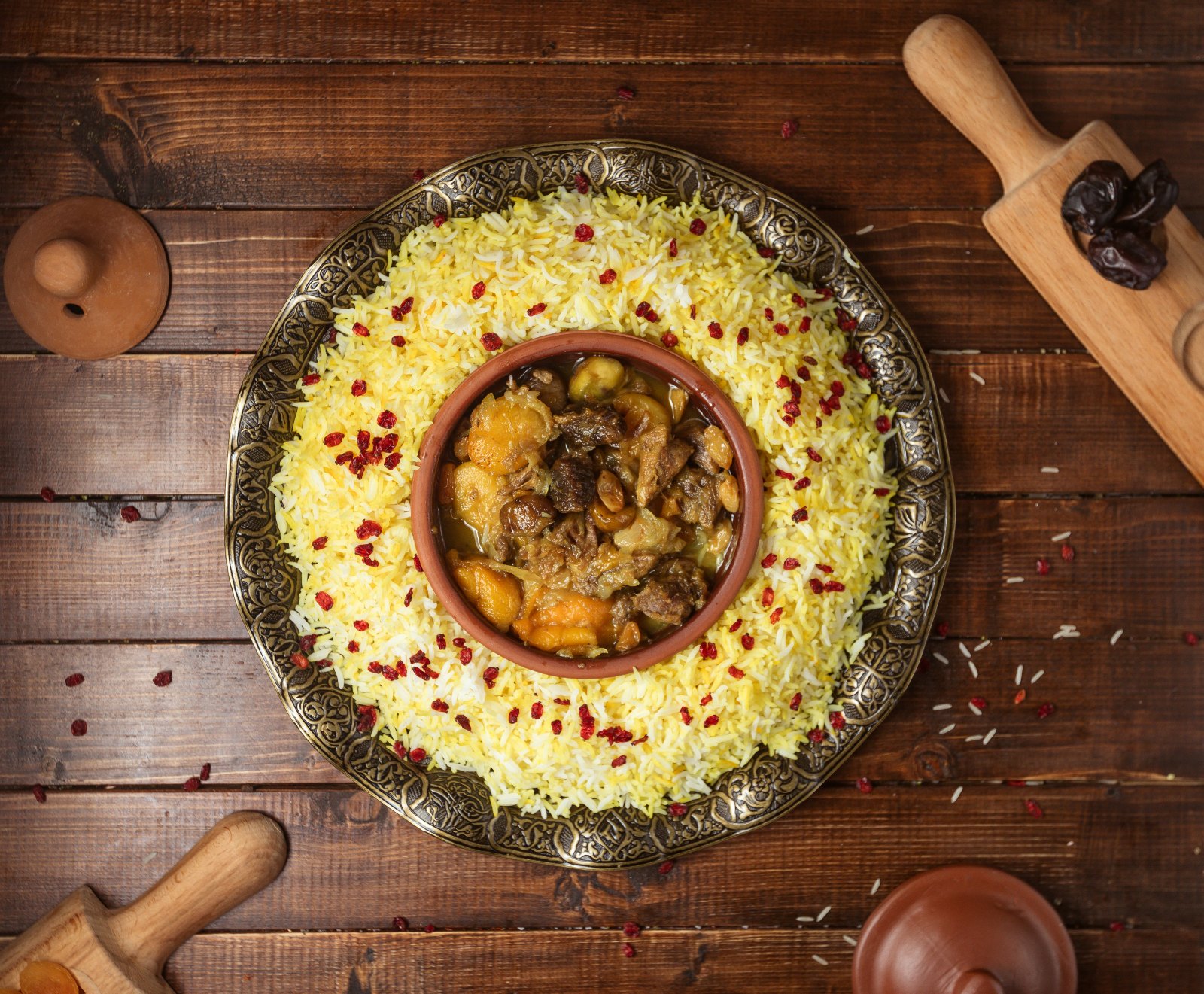
According to the system, certain homemade desserts are allowed in the Green zone, provided their composition is respected. Homemade caramel, for example, is in the Green zone if it is prepared only with white sugar and natural butter, without milk or cream. Sesame halva is in the Green zone. Dried fruits are in the Green zone. Natural honey is in the Green zone. Almonds are in the Yellow zone, in moderation.
By contrast, industrial pastries, ice creams, industrial sweets and desserts containing milk or fresh cream are Red foods that the system excludes.
The team offers a homemade caramel recipe:
- Melt white sugar in a saucepan over low heat.
- Add natural butter and stir until smooth.
- Pour onto a tray and leave to cool.
- Do not add milk or cream.
List of desserts allowed according to the zones:
- Caramel and homemade desserts with butter and sugar (Green), condition: prepared only with white sugar and natural butter, without milk or cream.
- Sesame halva (Green)
- Dried fruits (Green)
- Natural honey (Green)
- Almonds (Yellow), condition: in moderation, plain and unsalted.
The view of conventional nutrition may differ on the place of white sugar, even in a homemade dessert. The website reports this view without taking sides: some professionals recommend limiting added sugars, whatever the type of preparation.

Which drinks can accompany meals?
According to the system, still water is the reference drink, with no particular documented limit. Green tea and hot infusions are allowed provided they are drunk without milk. Coffee is in the Green zone if it is consumed without milk or whitener. Karkadé (hibiscus) and sugar cane juice are in the Green zone. Fresh or bottled fruit juices are in the Yellow zone. Sodas and fizzy drinks are Red foods that the system excludes.
List of allowed drinks:
- Water (Green), condition: still water; sparkling water not documented.
- Green tea (Green), condition: without milk.
- Hot infusions (cinnamon, anise, herbal teas) (Green), condition: without milk.
- Coffee (Green), condition: without milk or whitener.
- Karkadé (hibiscus) (Green)
- Sugar cane juice (Green)
- Fruit juices (fresh or bottled) (Yellow)
It is important to note that the system does not document sparkling water and that bottled fruit juices remain in the Yellow zone. Energy drinks, sodas and industrial juices with additives are excluded.
Frequently asked questions
Can Orange zone foods be eaten every day?
According to the system, no. Orange zone foods are subject to a frequency ranging from every two days to once a week, depending on the food. For example, lamb is limited to twice a week, allowance shared with goat and camel. You should check each food's page to know its frequency.
Are the team's recipes validated by Dr Diaa Al-Awadi?
No. The recipes presented on this page are developed by the website team based on the system's classifications. They are not attributed to Dr Diaa Al-Awadi and do not constitute a medical prescription.
How can white bread be replaced in recipes?
White bread is a Red food excluded by the system. The team replaces it with bran sandwich bread (wholemeal toast), which is in the Green zone. Bulgur wheat or basmati rice can also be used as a meal base.
Are homemade caramel desserts really in the Green zone?
According to the system, homemade caramel made only with white sugar and natural butter, without milk or cream, is classified in the Green zone. This classification is specific to the system; conventional nutrition may recommend limiting added sugars, without the website settling this debate.
What should be done if a traditional recipe contains a Red food?
The team adapts the recipe by removing or replacing the Red food. For example, onion and garlic are replaced with cumin or black pepper, and industrial tomato purée with homemade tomato sauce made from cooked fresh tomatoes. If doubt remains, it is better to consult the food's page.
Further reading
- Nidam al-Tayyibat and science: comparisons
- Tayyibat food zones: Green, Yellow, Orange, Purple, Red
- Nidam al-Tayyibat breakfast: twelve allowed ideas
Sources
The food classification information comes from the Nidam Tayebat website's food pages. Among the pages consulted for this article are:
- Rice (basmati, white) (Green)
- Lamb / mutton (Orange)
- Squash / pumpkin (Green)
- Tomato (Orange)
- Bran sandwich bread (wholemeal toast) (Green)
- Caramel and homemade desserts with butter and sugar (Green)
Disclaimer
This article does not replace medical advice. The dietary recommendations presented here do not suit all situations. Consult a doctor or dietitian if you have a chronic illness, if you are pregnant or breastfeeding, if you take medication, or if you have a history of eating disorders. If in doubt about the diet that is right for you, ask for personalised follow-up.