
The Nidam al-Tayyibat, presented by the Egyptian doctor Diaa Al-Awadi, approaches gut health and immunity through the classification of foods into zones. According to the system, the gut is not a simple digestive tube: it is the starting point of the recommendations. This reading does not rest on a precise figure, but on a strict selection of foods.
Why is the gut placed at the centre of immunity according to the system?
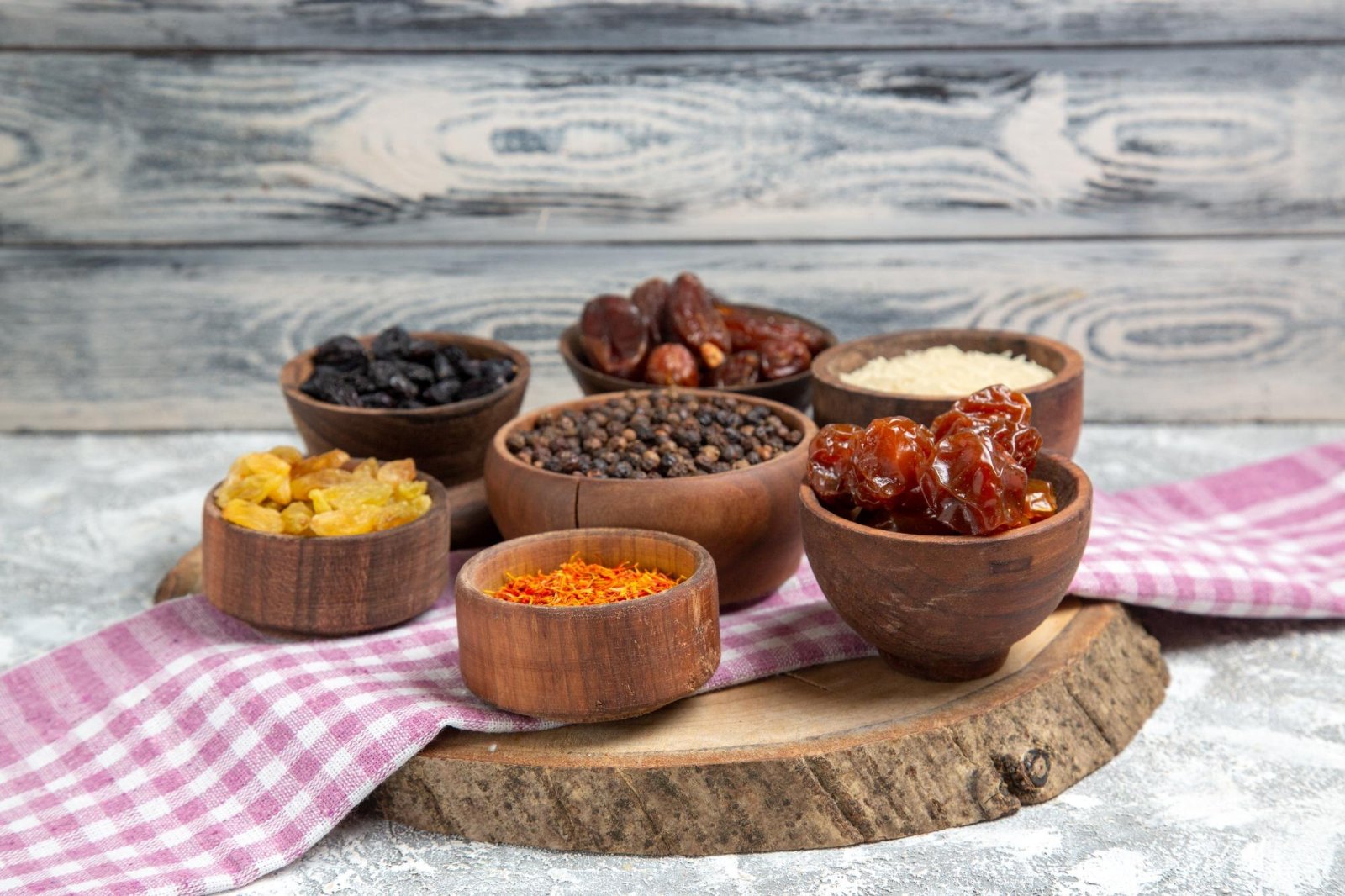
According to the system, digestive comfort determines the body's ability to tolerate foods and to maintain overall balance. The gut is therefore considered a crossroads: what enters it influences the state of the whole organism. The Nidam al-Tayyibat does not put forward a numerical percentage of immunity located in the intestine. It does, however, state that the choice of foods, their frequency zone and their preparation method weigh on the digestive terrain.
Conventional nutrition also recognises the important role of the gut microbiota. It does not, however, use the zone classification and does not restrict certain food families in the same way. The two approaches meet on one point: diet is a central lever, but they diverge on the concrete lists of foods.
What does the Nidam al-Tayyibat say about the gut microbiota?
The term “microbiota” is not used everywhere in the system's everyday vocabulary. The Nidam al-Tayyibat speaks rather of a digestive terrain to be preserved. According to the system, this terrain is weakened by certain poorly tolerated foods, by excessive mixtures and by industrial preparations.
The system does not publish a numerical study on the bacterial composition of the intestine. It offers a practical reading grid: certain foods are considered easier to include in everyday life, others heavier or more irritating. This hierarchy is expressed by five frequency zones: the Green zone, the Yellow zone, the Orange zone, the Purple zone and the Red zone.
Which foods does the system place in the Green zone?

The Green zone corresponds to the foods allowed on a daily basis according to the system. Several starchy foods and staple foods appear in it:
- Rice (basmati, white) (Green)
- Potato (Green)
- Natural butter (Green)
- Bran bread (wholemeal toast) (Green)
- Squash / pumpkin (Green), cooked
- Dates (Green), one to six per day according to the system
These foods are presented as the basis of meals. They do not require a restrictive frequency condition beyond their preparation. For example, squash must be cooked, and sea fish should preferably be grilled.
Which foods does the system exclude?
The system excludes a certain number of foods from daily consumption by classifying them in the Red zone. They are not proposed, but cited to understand what the system refuses:
- Cow's milk (Red)
- Yoghurt (Red)
- Pulses (broad beans, dried beans, peas, lentils, chickpeas) (Red)
- Onion (Red)
- Garlic (Red)
- White bread (baguette, fino, khobz) (Red)
Conventional nutrition often recommends pulses and certain dairy products for their fibre, protein or ferment content. The system, for its part, excludes them because of what it considers to be poor digestive tolerance. This divergence is not settled here: it reflects different approach choices.
How to compose a day without Red products?
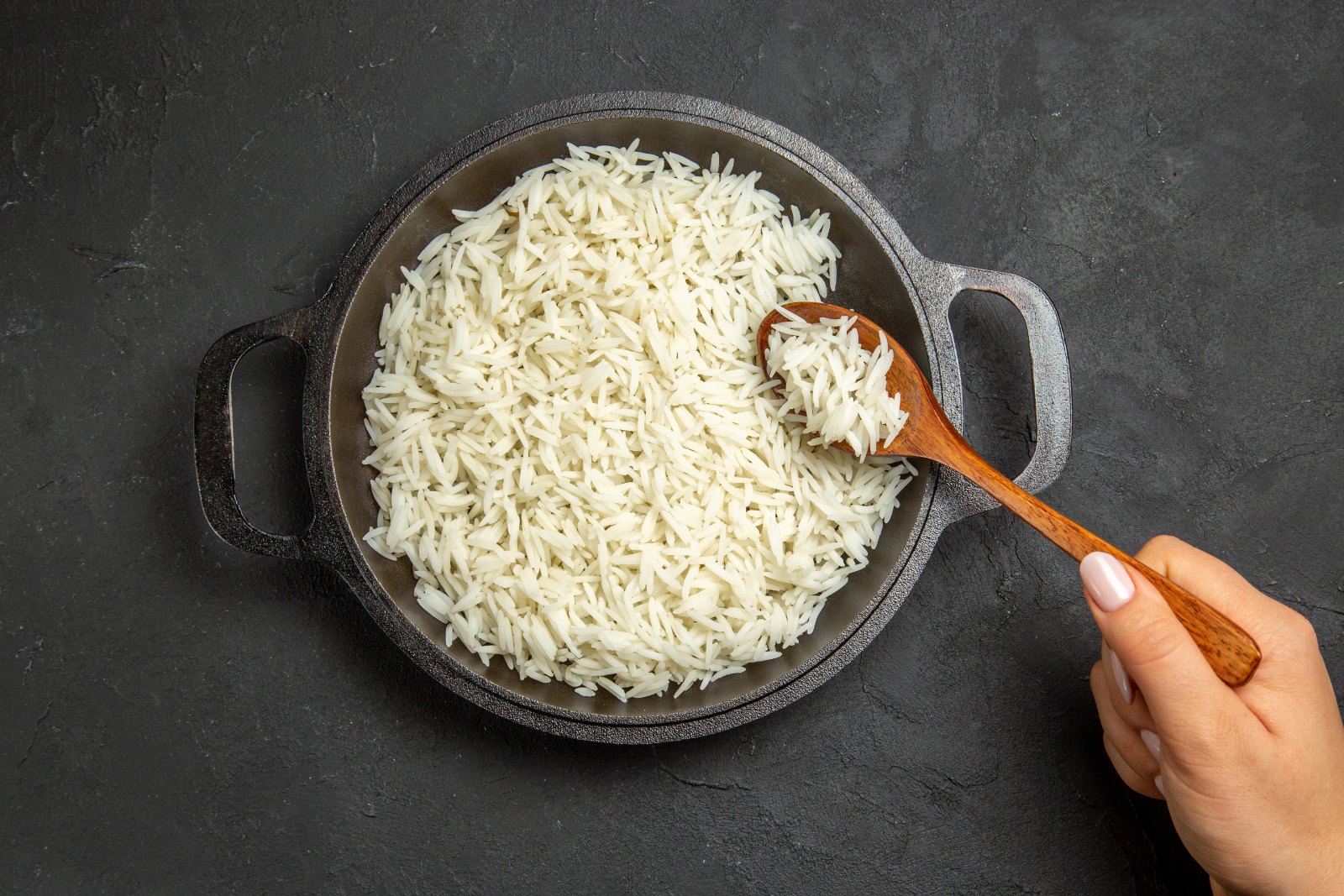
The table below gives a meal reference point, without any obligatory duration. The recipes and quantities remain the editorial team's, not the system's.
| Moment | Food | Zone | Condition or use |
|---|---|---|---|
| Morning | Bran bread (wholemeal toast) (Green) | Green | wholemeal toast, without milk |
| Midday | Rice (basmati, white) (Green) | Green | plain or with Natural butter (Green) |
| Evening | Sea fish (preferably grilled) (Green) | Green | preferably grilled |
| Snack | Dates (Green) | Green | one to six per day according to the system |
For meats, the system imposes more widely spaced frequencies. For example, Lamb / mutton (Orange) is allowed twice a week, the allowance being shared with goat and camel. Beef (Orange) is allowed once a week, the allowance being shared with buffalo. These conditions are specific to the system.
Fasting and digestive rest in the system's reading
According to the system, digestive rest counts as much as the nature of foods. It is not a numerical protocol, but an attention paid to moments without meals. The system does not impose a precise fasting duration in this context, contrary to what can be read in certain articles aimed at the general public.
According to the system, consumption frequencies, such as alternating protein sources, take part in this logic of rest. The Orange zone and the Purple zone serve precisely to space out heavier or less central foods. Mloukhia (jute mallow) (Purple), for example, is limited to once a month according to the system.
Is the system validated by research?
The Nidam al-Tayyibat has not published a numerical study or large-scale clinical results. The frequency zones and the lists of foods allowed or excluded are a construction specific to the system. Conventional nutrition draws on other bodies of work, particularly research on fibre, fermented dairy products or pulses. This research does not necessarily validate the system's restrictions, but it does not cancel them either: these are two different readings.
Thus, according to the system, a food is not judged only by its nutrients, but by its supposed tolerance. This explains why a food that is common in conventional nutrition can be excluded here. This point is developed in the article Critique of the Nidam al-Tayyibat: the debate.
Frequently asked questions
Does the Nidam al-Tayyibat take up the figure of seventy per cent of immunity in the intestine?
No. The system does not advance a numerical percentage. It considers the gut as an important centre, but it does not base this reading on a single figure. The frequent mention of a percentage comes from external articles, not from the system's official discourse.
Which foods should be prioritised on a daily basis according to the system?
The system first directs towards the Green zone: Rice (basmati, white) (Green), Potato (Green), Sea fish (preferably grilled) (Green), Natural butter (Green), Bran bread (wholemeal toast) (Green). Certain Yellow foods such as Courgette (Yellow) are allowed on a daily basis, provided they are cooked. Orange foods must remain spaced out.
Why does the system exclude pulses and yoghurt?
According to the system, pulses and fermented dairy products are difficult to tolerate for the digestive terrain. Pulses (broad beans, dried beans, peas, lentils, chickpeas) (Red) and Yoghurt (Red) are therefore classified in the Red zone. Conventional nutrition, on the contrary, considers them interesting foods for fibre or ferments. This opposition is not settled here.
Is fasting part of the system?
The system addresses digestive rest, but it does not impose a numerical fasting duration in this context. It relies on food frequencies and on spacing out Orange or Purple foods. Any decision to undertake prolonged fasting must be discussed with a doctor.
Should this system be followed in the case of digestive disease?
No, not without medical advice. The system's restrictions may not be suitable for an inflammatory disease, an intolerance, kidney failure or an immune disorder. A health professional must assess individual needs before any dietary change. The article Tayebat diet (al tayebat, taibat, tayabat): what it is sets out the general framework of the system.
To go further
- Tayebat diet (al tayebat, taibat, tayabat): what it is
- The Egyptian doctor's diet: who are we talking about?
- Nidam al-Tayyibat recipes: composing meals
- Critique of the Nidam al-Tayyibat: the debate
Sources
The subject of this article comes from the Tayibat page devoted to gut health and immunity. The internal food fact sheets cited come from the Nidam Tayebat site database. The system has not published numerical results; the elements presented here are descriptions of how it works, not scientific validations.
Disclaimer
This article does not replace medical advice. Consult a health professional before changing your diet, particularly in the case of digestive disease, immune disorder, pregnancy, breastfeeding, unintentional weight loss or ongoing medical treatment.