Advertising a food or a recipe on Nidam Tayebat means placing it within the zones of the Nidam al-Tayyibat, the food system described by the Egyptian doctor Diaa Al-Awadi. No health effect is promised: only foods classified as Green, Yellow or Orange are highlighted, and Red foods are flagged as set aside.
Why does the site start with the system’s zones?
According to the system, each food is placed in a frequency zone. This classification does not say that a food is “good” or “bad” in absolute terms: it indicates the place the system assigns to it within the week or the month. The site follows this logic when it advertises a product, a recipe or a menu. This is not a conventional nutritional judgement, but a presentation of the rules of the Nidam al-Tayyibat.
The five zones used by the site are as follows:
- the Green zone corresponds to daily use;
- the Yellow zone corresponds to daily use with a point of caution;
- the Orange zone corresponds to use ranging from every other day to once a week;
- the Purple zone corresponds to very rare use;
- the Red zone corresponds to a food that is set aside.
This hierarchy makes it possible to know what can be advertised without reservation, what must be presented with a condition, and what must not be offered in a recipe or a shopping list. The site does not produce figures specific to the system: it merely reports the zones and conditions as they are documented in the food database.
To understand the detail of the zones, the article Tayyibat food zones: Green, Yellow, Orange, Purple, Red sets out the full classification.
Which foods can be highlighted?
The rule is simple: a Green or Yellow food can be advertised, an Orange food can be advertised provided its limit is recalled, a Purple food is only mentioned to signal very rare use, and a Red food is only mentioned to say that it is set aside.
The table below gives a few examples of how the site presents foods.
| Food | Zone | Condition or presentation used by the site |
|---|---|---|
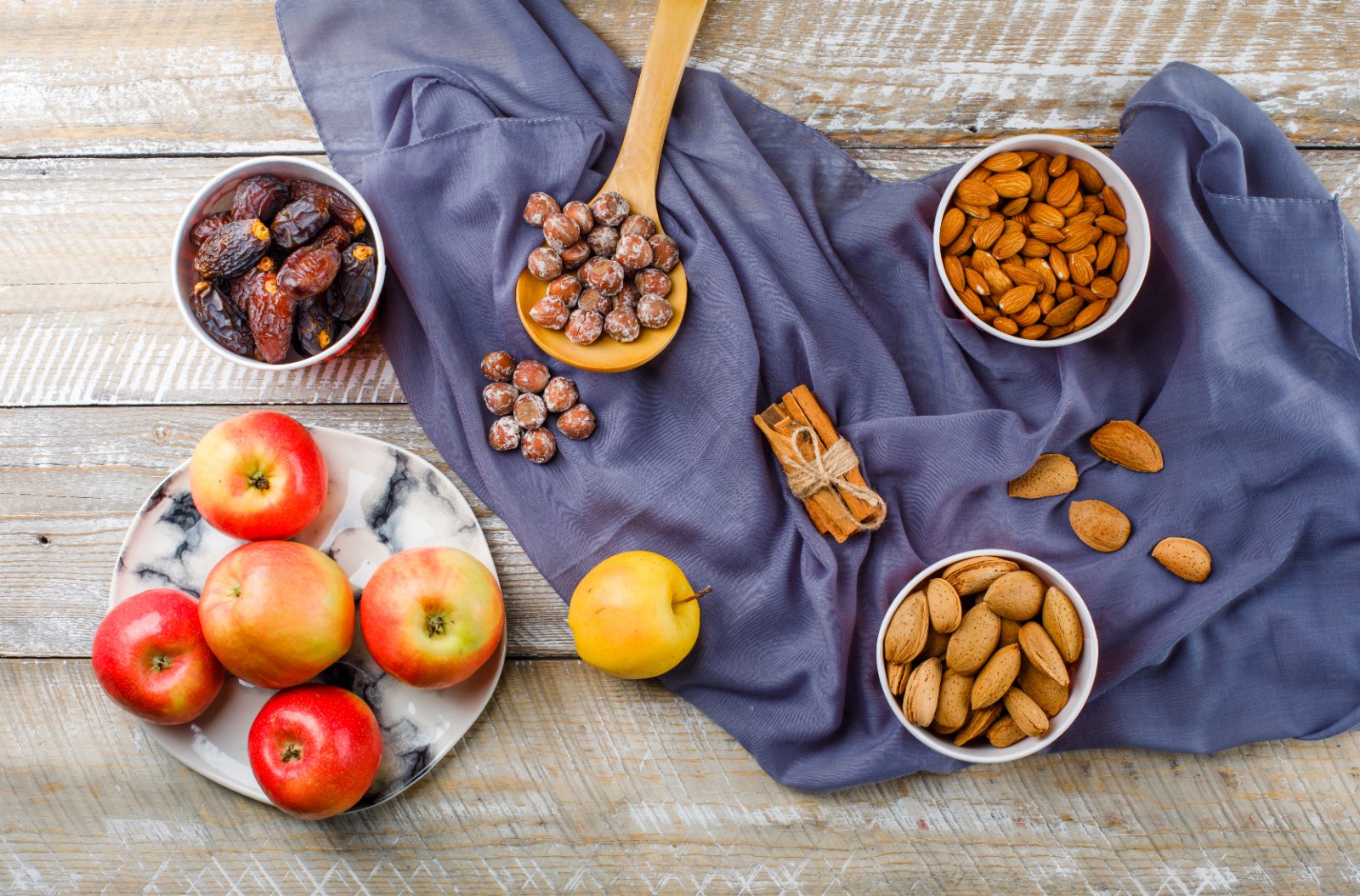
| Dates | Green | limited quantity, according to the system |
| Coffee | Green | without milk or whitener |
| Almonds | Yellow | plain, unsalted, in moderation |
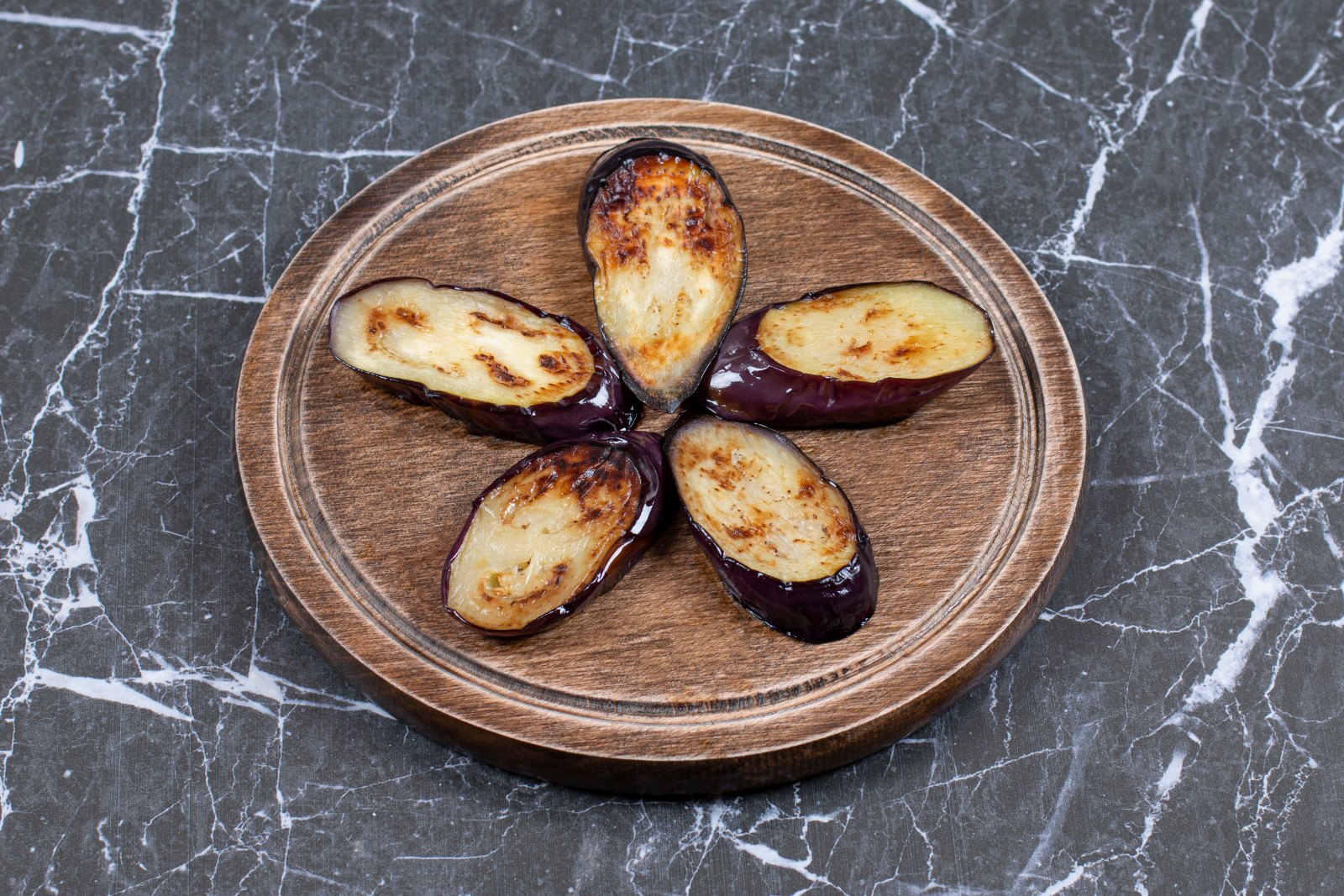
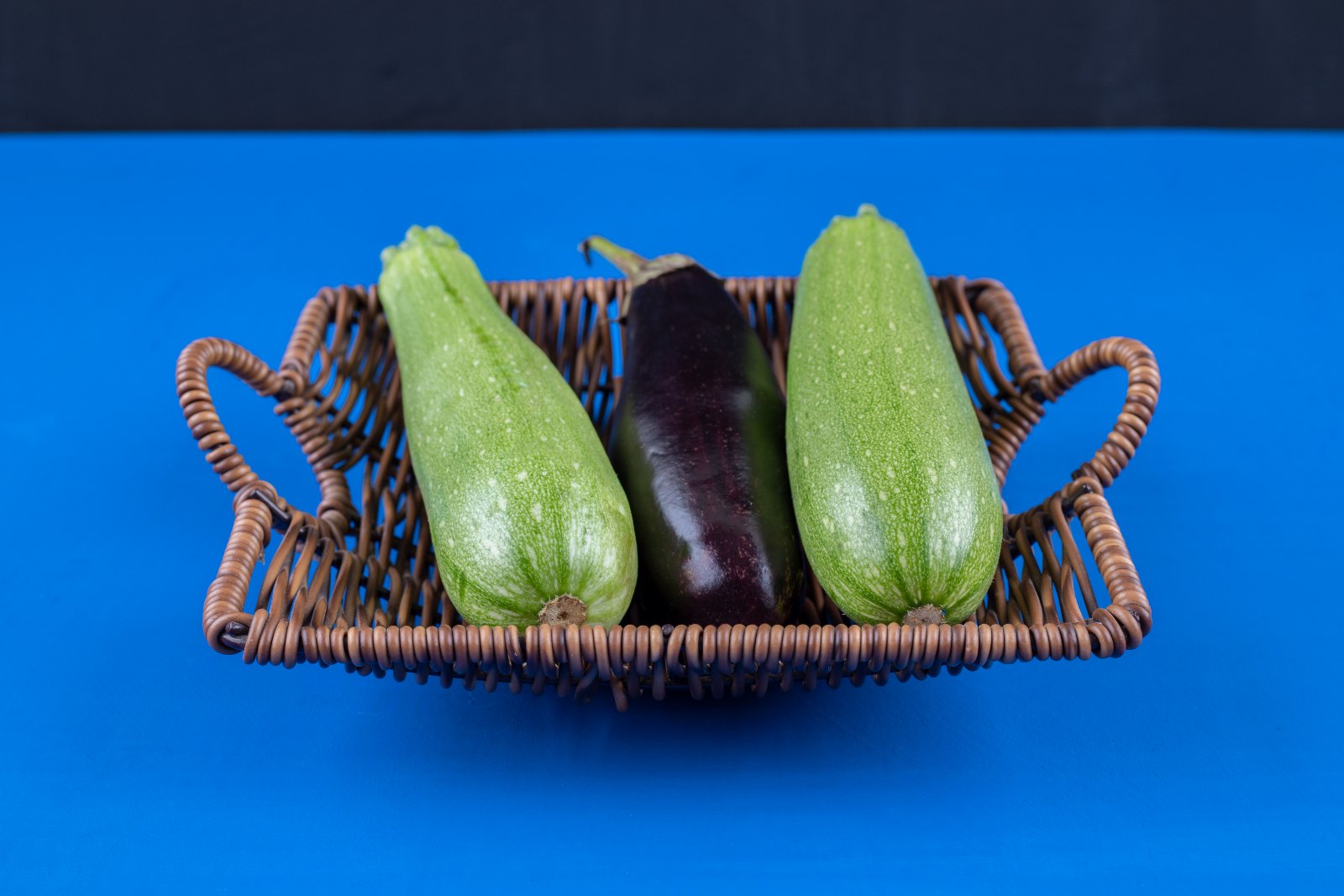
| Aubergine | Orange | cooked only |
| Peanuts | Purple | very rare use |
| Garlic | Red | set aside, not highlighted |
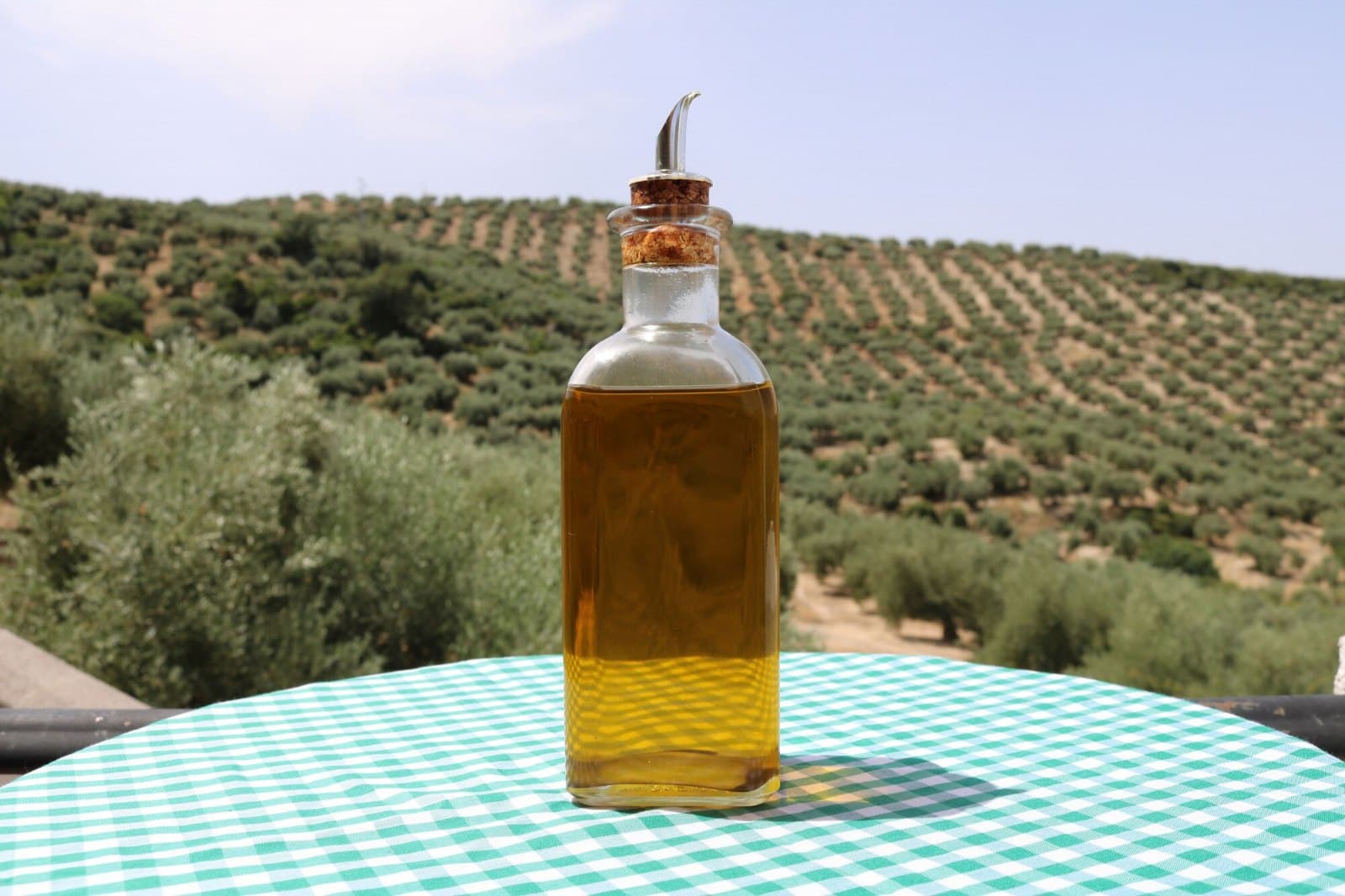
Other Green foods can be advertised without difficulty: Rice (Green), Potato (Green), Olive oil (Green) and also Salt (Green). The site adds no promise to these foods: it only indicates their zone and, where one exists, their condition of use.
Yellow foods, such as Cinnamon (Yellow) or Walnuts (Yellow), are advertised with a cautionary note. According to the system, they remain permitted daily, but their use must be reasonable and suited to each person’s tolerance. This precaution is not a prohibition: it is part of the framing of the Nidam al-Tayyibat.
How does the site advertise a recipe without promising a result?
Recipes on the site are developed by the team. They are not attributed to doctor Diaa Al-Awadi, and they do not constitute a medical protocol. A recipe advertised on Nidam Tayebat follows three principles:
- The recipe is signed by the team, never by the doctor.
- Durations and quantities are written out in words, for example one hour at a simmer or two spoonfuls of smen.
- No effect on weight, blood sugar or any disease is announced.
For example, a simple recipe based on Potato (Green), Olive oil (Green) and Salt (Green) can be presented as a preparation compatible with the Green zone. The site does not say that it makes you lose weight, that it heals, or that it replaces a treatment. It only says that it uses foods classified in a zone authorised by the system.
This caution also applies to Orange foods. A recipe containing Tomato (Orange) is advertised while recalling that tomato is preferably cooked and used in a sauce. A recipe containing Olives (Orange) recalls that the quantity must remain small. The site does not turn a condition into unrestricted permission.
What happens to a food classified as Red in an advertisement?
According to the system, some common foods are set aside. The site does not offer them in recipe examples, shopping lists or menu suggestions. They are only mentioned to explain that they are excluded.
Among the Red foods, for example, are:
- Cow’s milk (Red);
- Chicken (Red);
- Eggs (Red);
- Garlic (Red).
This exclusion does not mean that the site claims that these foods are dangerous for everyone. It means that, within the logic of the Nidam al-Tayyibat, these foods are not among the choices highlighted. Conventional nutrition may have a different view, particularly on eggs or dairy products; this view is reported without the site taking a position.
When a Red food appears in an article, it is always accompanied by its zone. The aim is to avoid any confusion: a reader discovering the system must immediately understand that this food is not a recommendation.
Under what conditions can an Orange food be advertised?
An Orange food is not forbidden. According to the system, it is limited in frequency or in preparation. The site may advertise it, but only if it recalls the condition that accompanies it.
Here are three examples of conditions to recall:
- Tomato (Orange) is advertised preferably cooked, in a sauce;
- Camel meat (Orange) is advertised twice a week, in a portion shared with lamb and goat;
- Olives (Orange) are advertised in a small quantity.
This way of presenting Orange foods avoids giving the impression that they can be consumed like Green foods. The site does not create a new rule: it applies the conditions already present in the food database.
Why not advertise a food without naming its zone?
Naming the zone of a food is part of the site’s transparency. A food mentioned without its zone could be taken as a general recommendation, when it is simply information about the system. By writing White sugar (Green) or Aubergine (Orange), the reader immediately knows at what frequency the system places it.
This rule applies to all foods, including the most familiar ones. An advertisement never says “eat this” without specifying the zone, the condition and the fact that the statement falls within the system. The site does not invent figures, does not promise a result and does not replace a consultation.
Frequently asked questions
Can a Red food be advertised on Nidam Tayebat?
No. According to the system, a Red food is set aside. The site may mention it to explain that it is excluded, but it cannot offer it in a recipe, a menu or a shopping list. This rule prevents a Red food from being unintentionally presented as a compatible choice.
Is it compulsory to mention the zone of a food in an article?
Yes. Every food mentioned is accompanied by its zone and a link to its page. This requirement allows the reader to check the classification without having to search for the information. It also protects the site against misunderstandings: a Green food and a Red food are never presented in the same way.
Is a recipe advertised on the site validated by doctor Diaa Al-Awadi?
No. The recipes are developed by the team. They respect the zones and conditions of the Nidam al-Tayyibat, but they are not attributed to the doctor. No recipe claims to reproduce a medical protocol or to produce a specific health effect.
Why does the site give no result figures?
Because the system publishes none. The site does not invent calories, grammes, percentages or protocol durations. When a recipe requires a time or a quantity, that information comes from the team’s kitchen, not from the system. This restraint avoids making the Nidam al-Tayyibat say what it does not say.
What should you do if you are taking treatment or have a chronic illness?
In this case, you should consult a health professional before changing your diet. The site does not give medical advice and does not replace a doctor or a dietitian. A dietary change can interact with a treatment, a pregnancy, kidney disease or an eating disorder.
Further reading
Two further articles complement this one:
- Tayebat diet (al tayebat, taibat, tayabat): what it is presents the general framework of the Nidam al-Tayyibat.
- Tayyibat food zones: Green, Yellow, Orange, Purple, Red sets out the meaning of each zone.
These two articles do not replace the food database, but they help to understand why some advertisements are worded with conditions.
Disclaimer
This article does not replace medical advice.
Situations that require a health professional include, in particular, the monitoring of a chronic illness, taking treatment, pregnancy, breastfeeding, kidney or liver failure, an eating disorder, a known deficiency, or any dietary decision for a child. In the event of an intolerance, an allergy or a persistent symptom, you should consult a doctor or a dietitian.