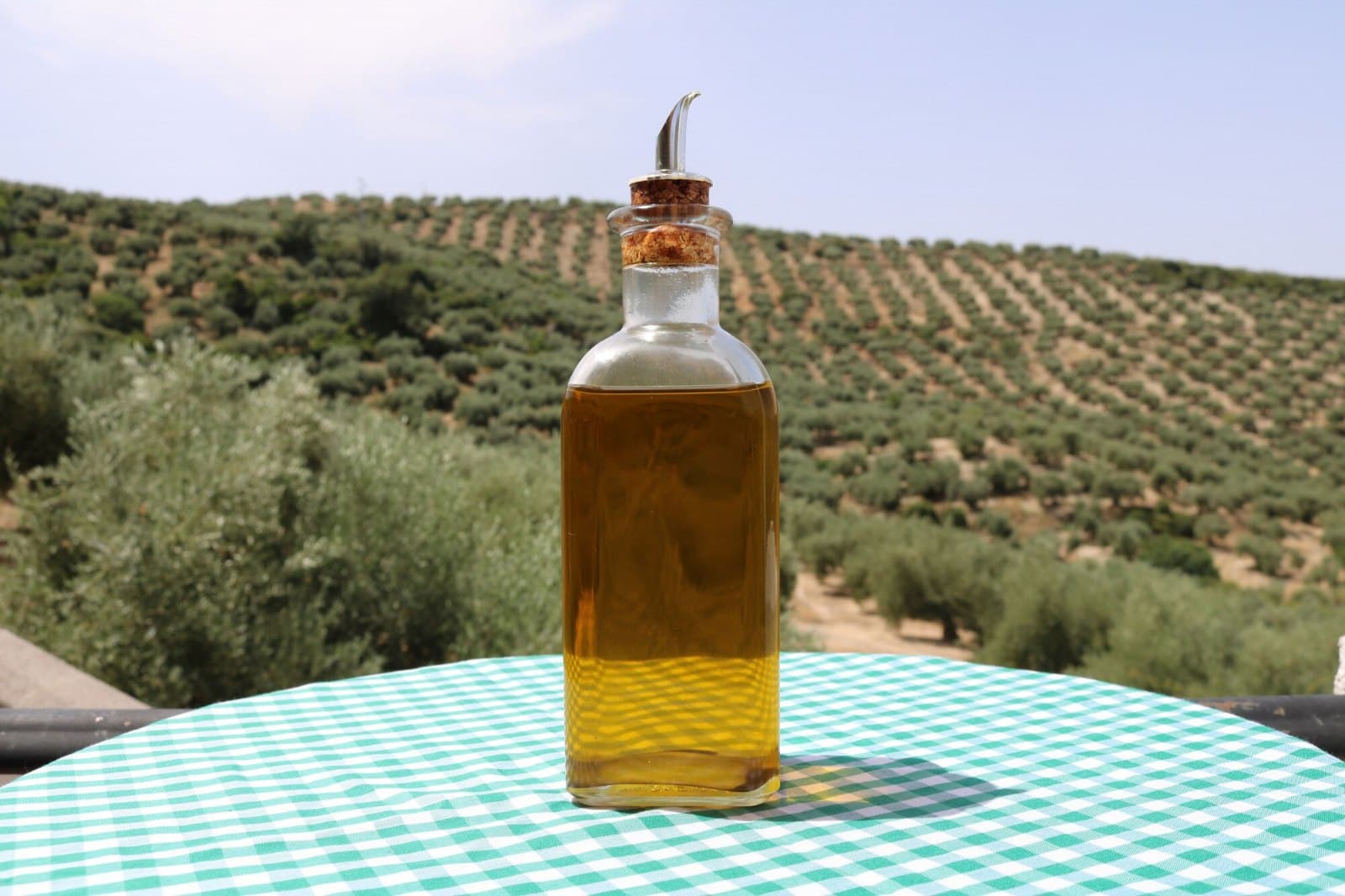
Smen, or ghee, is a clarified butter that the Nidam al-Tayyibat classifies in the Green zone: it can therefore be used daily, according to the system. The system, by contrast, excludes margarine, which is classified in the Red zone. This article presents the place of animal fats within this framework, without figures or promises.
What is smen / ghee and how does the system classify it?
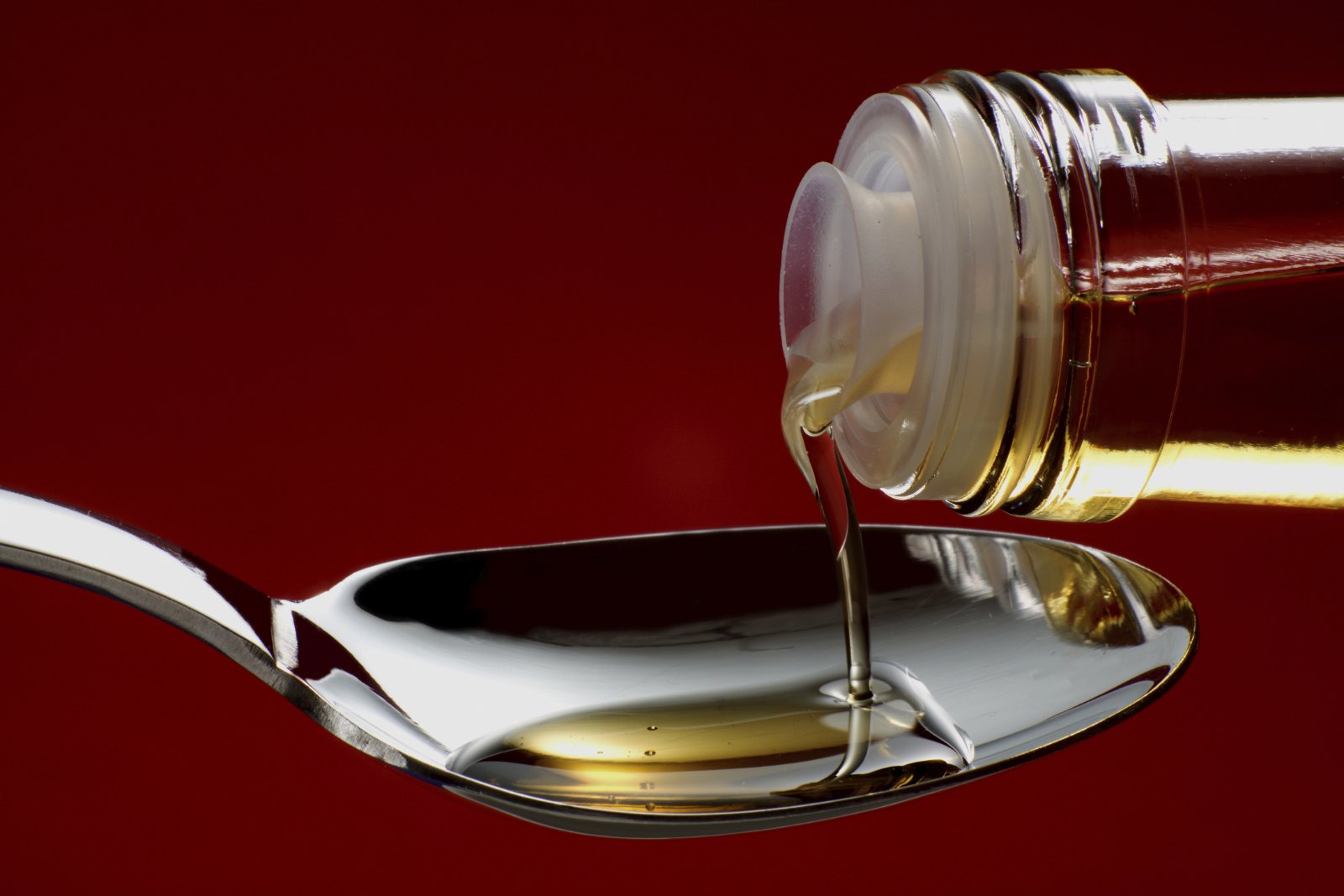
Smen is a clarified butter, that is to say a butter from which the water and milk solids have been removed. It is close to Natural butter (Green), but clarification gives it a different behaviour during cooking. In the Nidam al-Tayyibat, Smen / ghee (clarified butter) (Green) belongs to the Green zone. According to the system, this zone brings together foods that may be eaten daily. The system does not set a quantity in grams or a maximum frequency; it classifies foods by zone, without publishing figures.
Smen is therefore accepted as a cooking or seasoning fat. The system does not present it as an occasional food, unlike other animal fats such as Mutton fat (suet, fat tail) (Orange), which follows the weekly portion of lamb. This distinction rests on the system’s classification, not on a quantified nutritional value.
Dietary cholesterol: what does the system actually say?
The source page consulted mentions a recent questioning of the idea that dietary cholesterol is the main cause of cardiovascular problems. The Nidam al-Tayyibat does not take up this discussion in quantified form. According to the system, smen is classified in the Green zone, which means that it is not excluded for cholesterol reasons. The system publishes neither cholesterol levels, nor grams of saturated fat, nor percentage of daily intake.
Conventional nutrition, for its part, often recommends limiting saturated fats, particularly those of animal origin. The system adopts a different approach: it classifies foods by frequency zones, without taking up the usual quantitative thresholds. This divergence is not settled here. Readers who are taking treatment for cholesterol should discuss it with their doctor.
Smen or margarine: what the system keeps and what it excludes
The contrast is clear in the Nidam al-Tayyibat. The system accepts Smen / ghee (clarified butter) (Green) as a daily food, and it excludes Margarine (Red). According to the system, margarine is a processed food, classified in the Red zone, that is to say a food that should never be consumed. This position is not based on a quantified comparison between the two products; it rests on a logic of degree of processing.
Alongside smen, the system also accepts vegetable oils with different zones:
- Olive oil (Green) — daily, for seasoning and gentle cooking.
- Maize oil (Yellow) — daily with a point of caution; according to the system, reserved for frying.
- Sunflower oil (Yellow) — daily with a point of caution; according to the system, reserved for frying.
The system therefore does not exclude all vegetable oils. It reserves the Red zone for products it considers too highly processed, such as margarine. Smen, for its part, remains in the Green zone, without it being necessary to justify this with a figure.
Uses of smen: recipes and preparations from the team
The following ideas come from the team’s kitchen, not from Dr Diaa Al-Awadi. They use smen in simple preparations, without imposed quantities:
- Gently sauté cooked vegetables, such as Courgette (Yellow, condition: cooked) or Carrot (Orange, condition: cooked only).
- Flavour Rice (basmati, white) (Green) cooked in water, with a small knob of smen at the end of cooking.
- Prepare a sauce based on Tomato (Orange, condition: preferably cooked, in sauce) with a little smen.
- Lightly grease a dish before roasting Potato (Green) in the oven.
- Use smen in homemade pastry, as long as the permitted ingredients are respected, such as in Caramel and homemade desserts with butter and sugar (Green, condition: prepared only with white sugar and natural butter, without milk or cream).
The team avoids intense frying with smen; it prefers gentle cooking or uses at the end of cooking. This caution is a matter of kitchen practice, not a quantified rule of the system.
Smen, saturated fats and hormones: the system’s position
The source consulted mentions a possible link between saturated fats and sex hormones. The Nidam al-Tayyibat does not take up this link in quantified form. According to the system, smen is a Green zone food, but this does not constitute a hormonal recommendation. The system does not claim that smen regulates or stimulates hormone production.
Conventional nutrition recalls that lipids are necessary for the synthesis of certain hormones, without any specific food being able to be isolated as a remedy. The system does not demonstrate any specific effect of smen on hormones; it simply classifies the food in a frequency zone. Any hormonal question is a matter for a doctor.
Animal fats and respiratory health: an unquantified avenue
The source page mentions studies on animal fats and lung health. The Nidam al-Tayyibat publishes no data on a respiratory effect of smen or any other fat. According to the system, smen is accepted in the Green zone, but this does not mean that it protects or worsens the respiratory tract.
Readers who suffer from asthma, chronic bronchitis or another respiratory disease must follow their doctor’s advice. The system provides no protocol, duration or quantified result in this area.
Table: fats and oilseeds according to the Nidam al-Tayyibat zones
| Food | Zone | Place in the system | Use suggested by the team |
|---|---|---|---|
| Smen / ghee (clarified butter) | Green | Daily, according to the system | Gentle cooking, flavour |
| Natural butter | Green | Daily, according to the system | Toast, homemade pastries |
| Olive oil | Green | Daily, according to the system | Seasoning, gentle cooking |
| Maize oil | Yellow | Daily with caution | For frying, according to the system |
| Sunflower oil | Yellow | Daily with caution | For frying, according to the system |
| Mutton fat (suet, fat tail) | Orange | Every other day to once a week | With lamb, in its weekly portion |
| Peanuts | Purple | Very rarely, according to the system | Avoid almost always |
| Margarine | Red | Never, according to the system | Do not use |
Frequently asked questions
Is smen allowed every day in the Nidam al-Tayyibat?
According to the system, smen is classified in the Green zone, which means that it may be used daily. The system does not set a quantified quantity. The team recommends using it with moderation in the kitchen, without visible excess.
Why does the system exclude margarine?
The system excludes margarine because it classifies it in the Red zone, among the foods never to be consumed. It does not provide a quantified comparison with smen or butter. The distinction rests on the degree of processing, according to the system.
Does smen make you gain weight?
The system promises no weight loss or weight gain and does not publish calories. The Green zone does not equate to an absence of moderation. Any weight question must be discussed with a health professional.
Is the cholesterol in smen dangerous?
Conventional nutrition debates the impact of dietary cholesterol. The system classifies smen in the Green zone, without publishing cholesterol figures. It does not settle the medical question; only a doctor can assess the individual risk.
Can smen be used for frying?
The team does not recommend intense frying with smen; it prefers gentle cooking. The oils permitted for frying are the Yellow oils, according to their conditions. Smen remains suitable for gentle cooking and seasoning.
To go further
- Tayebat diet (al tayebat, taibat, tayabat): what it is
- The Egyptian doctor’s diet: who are we talking about?
- Tayyibat shopping list: the first thirty products to buy
- Tayyibat permitted cheeses: matured allowed, fresh excluded
- Nidam al-Tayyibat breakfast: twelve permitted ideas
Sources and method
This article is based on the source page https://tayibat.org/blog/benefits-of-ghee, consulted only to identify the subject and the questions raised. The content is neither copied nor translated. The positions attributed to the system come from the food database of the Nidam Tayebat site and from the principles of the Nidam al-Tayyibat described by Dr Diaa Al-Awadi. As the system publishes no figures, no quantitative data has been reproduced. The recipes and uses are suggested by the team, not by the doctor.
Disclaimer
This article does not replace medical advice. Consult a health professional before changing your diet, particularly if you have cardiovascular disease, diabetes, kidney or liver disease, if you are pregnant or if you are breastfeeding. Children, elderly people and people on medical treatment must also seek advice before adopting the uses described.