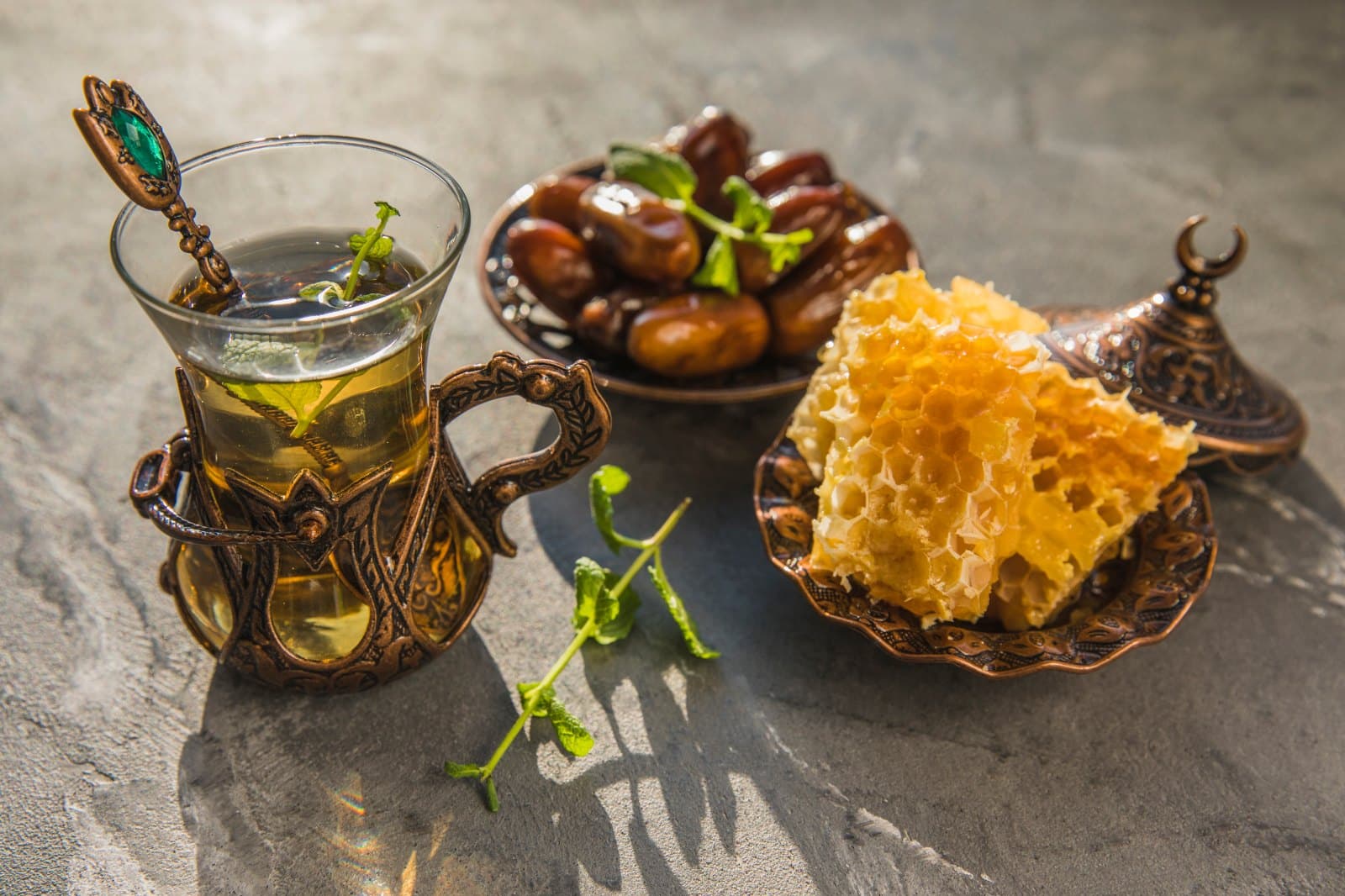
Breakfast is the meal where Nidam al-Tayyibat, the eating system described by Dr Diaa Al-Awadi, upsets habits the most: no white bread, no eggs, no milk, no black tea. Even so, the method leaves a well-stocked table, and several of its staple foods already have their place on Moroccan tables. Here are twelve breakfast ideas built only with green- and yellow-zone foods from the site's food database, each with a line explaining why it fits the system.
What the system removes from the usual breakfast
Before the ideas, a quick look at what the database places in the red zone and often finds its way onto the morning table: white bread in all its forms, baguette, khobz and pastries made with white flour; eggs, hard-boiled, fried or as an omelet; cow's milk, yogurt and lben; fresh cheese spreads; margarine; rolled oats; black tea; the whole orange and packaged juices.
On the other side, the system keeps a solid list: bran toast as the only bread, butter and smen, aged cheeses, honey and jam, dates and most fruits, halva and tahini, rice and potatoes, mint tea, green tea, karkadé and black coffee. These are the foods used in the twelve ideas that follow.
The 12 breakfast ideas
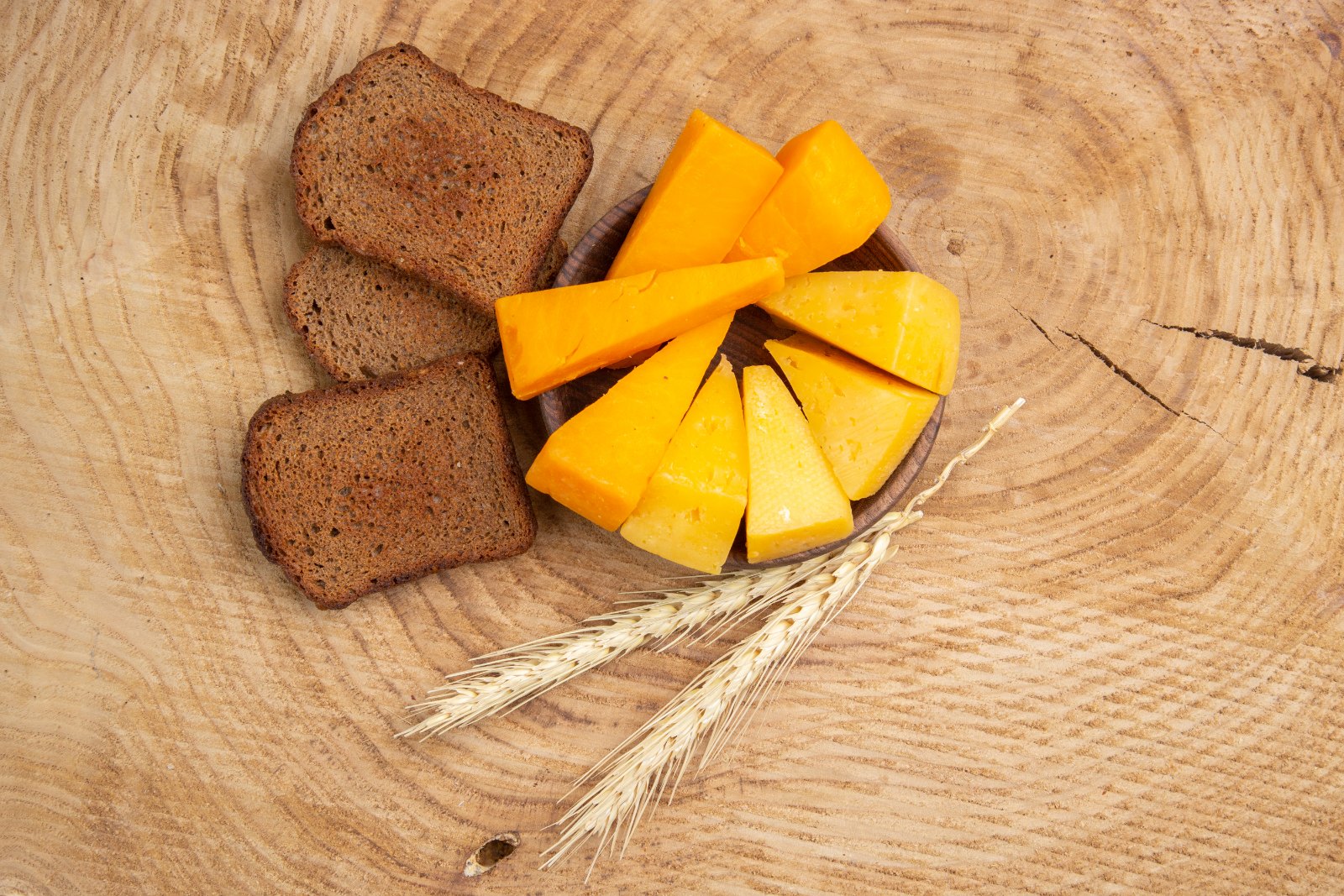
In each idea, the food's zone is given in parentheses as it appears in the database, with its condition when it has one.
1. Bran toast, butter and honey, mint tea
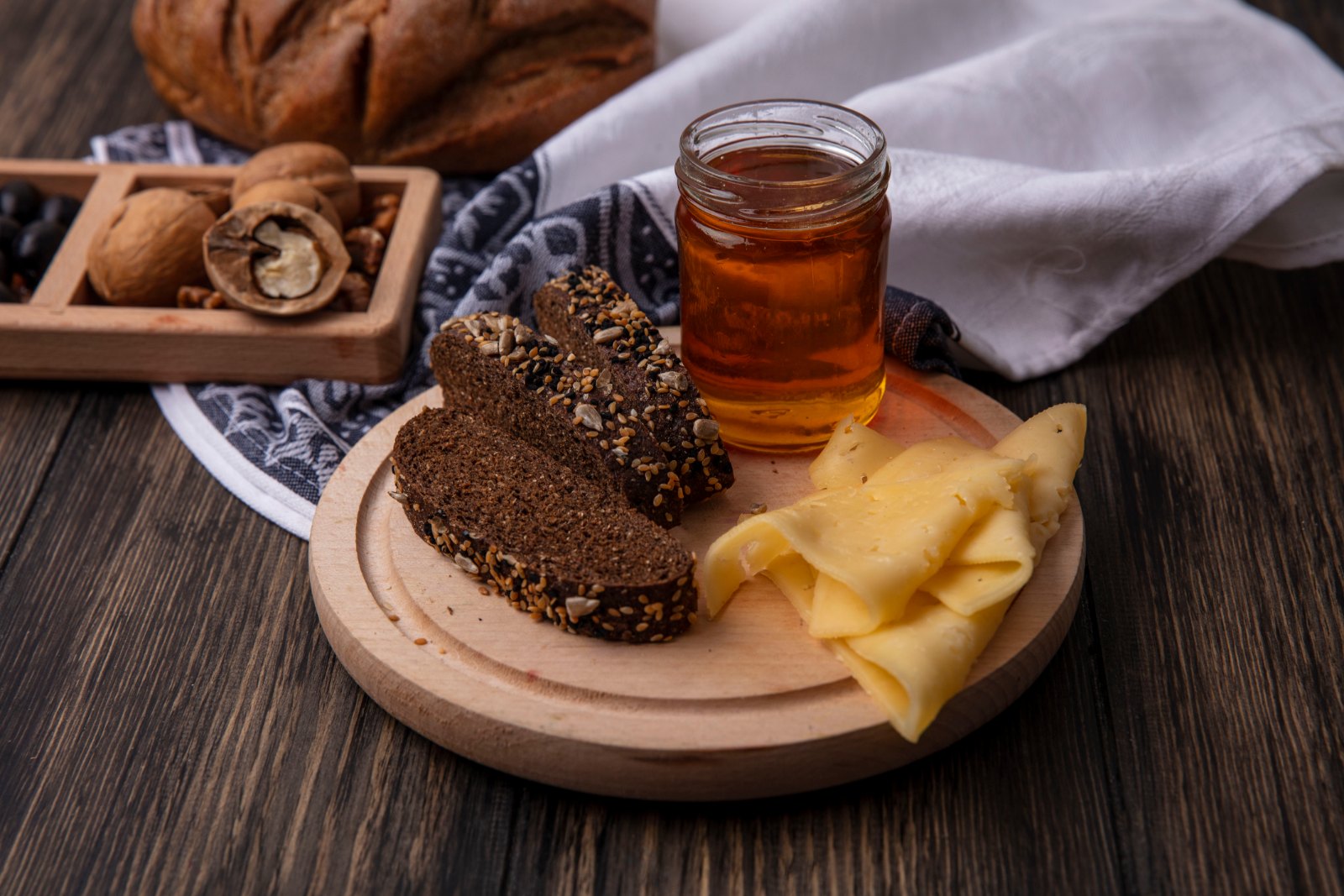
Two slices of bran toast (green), natural butter (green) and a drizzle of natural honey (green), with a mint tea (green) sweetened with white sugar (green).
Why: this is the breakfast closest to the Moroccan table, where only the bread changes; bran toast is the only bakery exception the system allows.
2. Bran toast, jam and cheddar
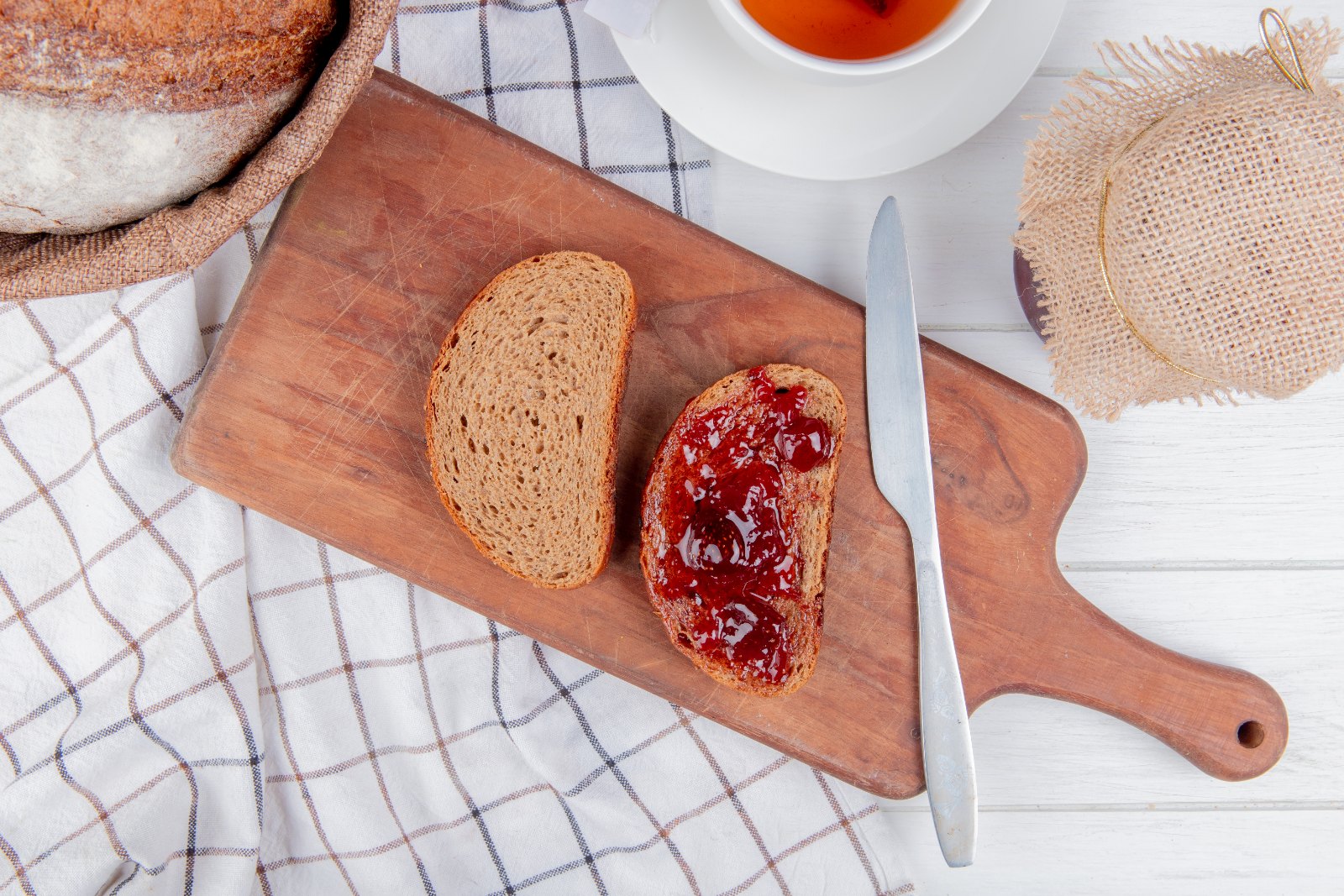
Bran toast (green), jam (green) and a slice of cheddar (green) or aged Gouda (yellow, aged version only).
Why: the database notes that jam is allowed at breakfast precisely on bran toast or with an aged cheese; the sweet-and-salty pairing is a classic in Egypt as in Morocco.
3. Sesame halva and aged cheese, black coffee
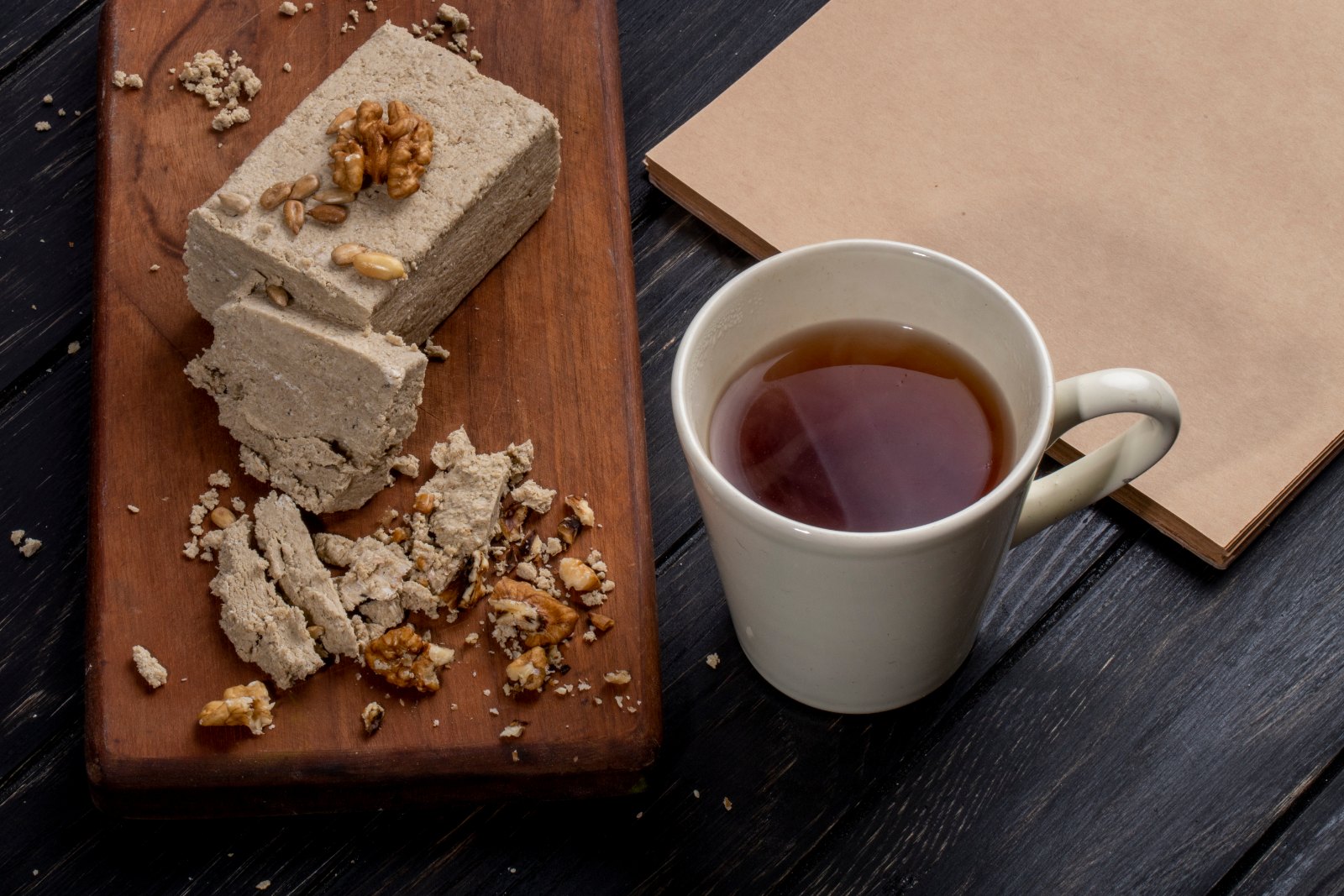
A piece of sesame halva (green), a few shavings of Parmesan (green) or kashkaval (green), and a coffee (green, no milk or creamer).
Why: the halva entry specifies that it is allowed at breakfast, alone or with cheese; coffee stays in the method provided it is drunk without milk.
4. Tahini and date molasses for dipping
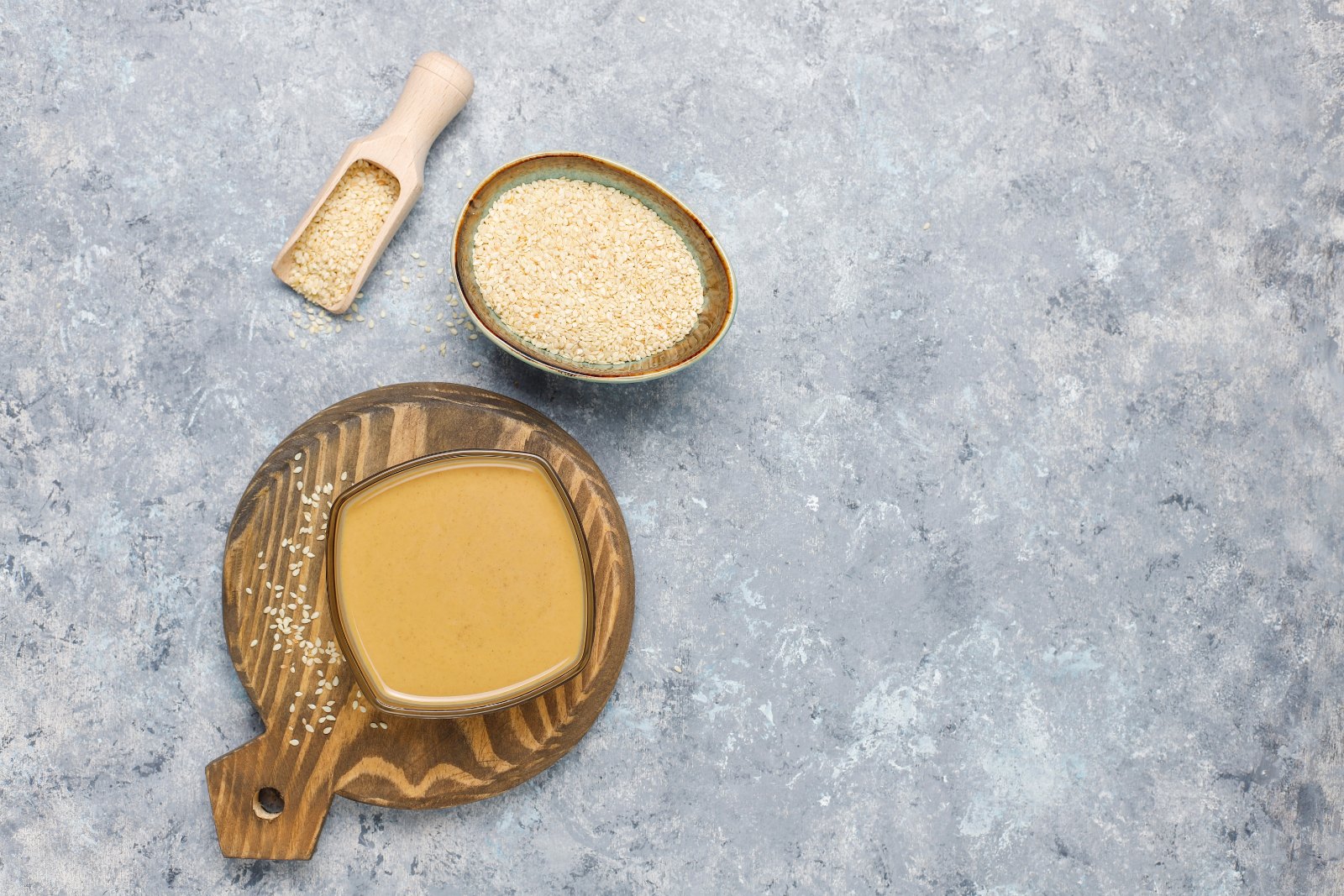
A mix of tahini (green) and date molasses (green) into which you dip pieces of bran toast (green).
Why: the database describes this pair as a classic breakfast combination in the system; it is a pleasant replacement for industrial spreads.
5. Dates, roumi cheese and green tea
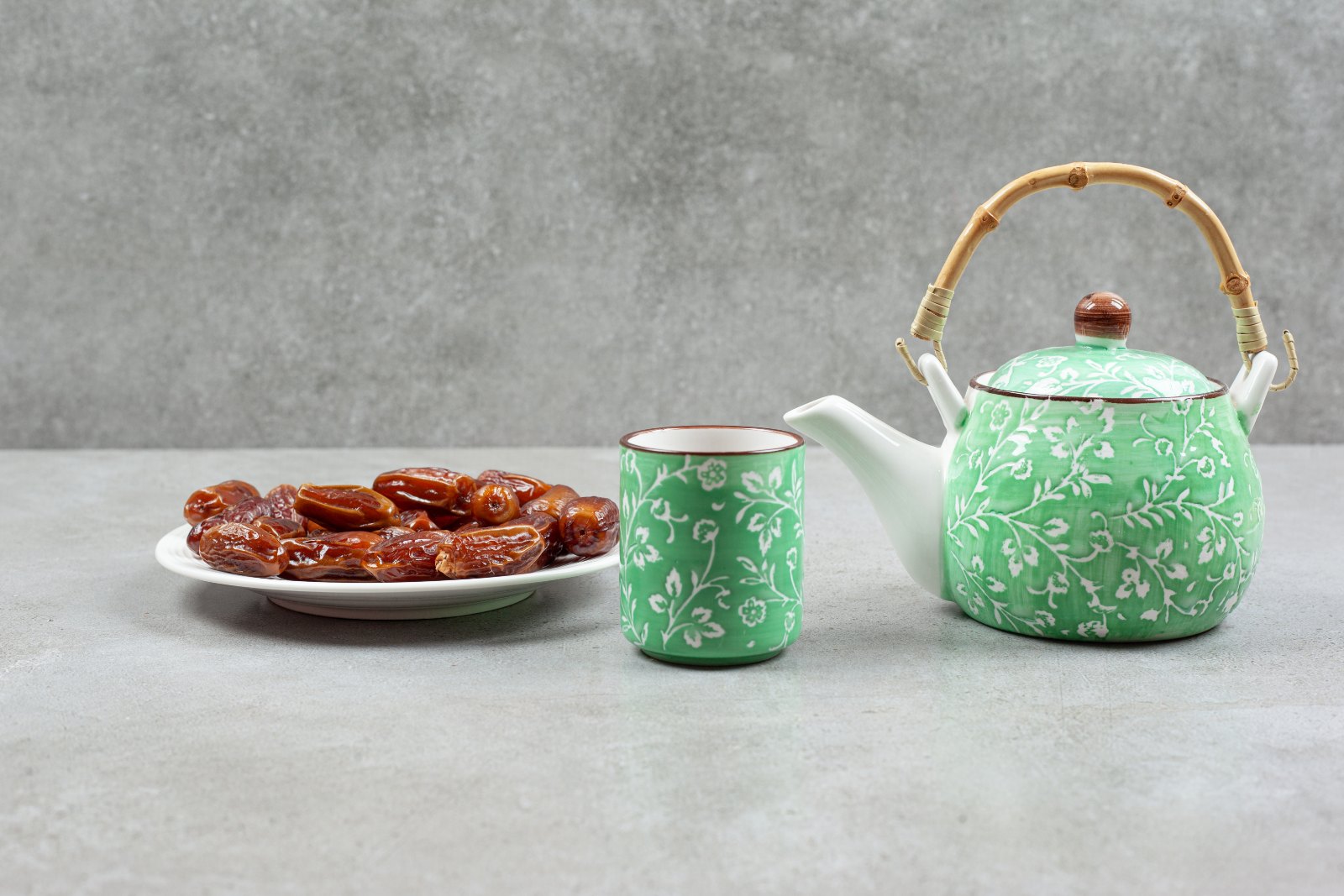
Three or four dates (green, one to six a day according to the system), a few cubes of roumi cheese (green) and a green tea (green, no milk).
Why: dates are among the method's five daily pillars, and the aged cheese brings the saltiness that balances their sweetness.
6. Qechta and honey on bran toast
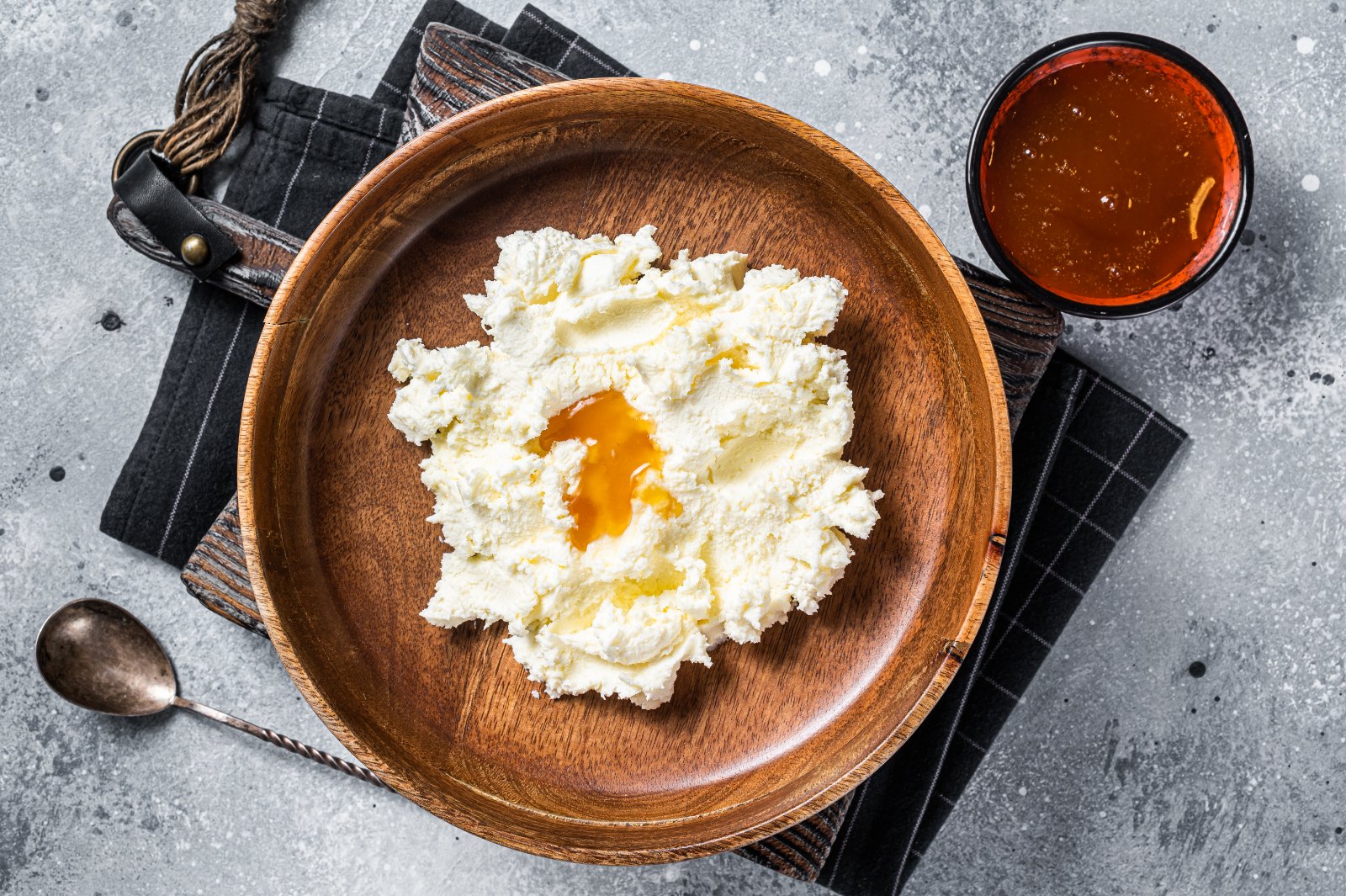
Bran toast (green) spread with qechta (green) and drizzled with natural honey (green).
Why: qechta is the system's reference cream for cold uses; it replaces the fresh cheese spreads the method excludes.
7. Pan-fried potatoes with smen and cumin
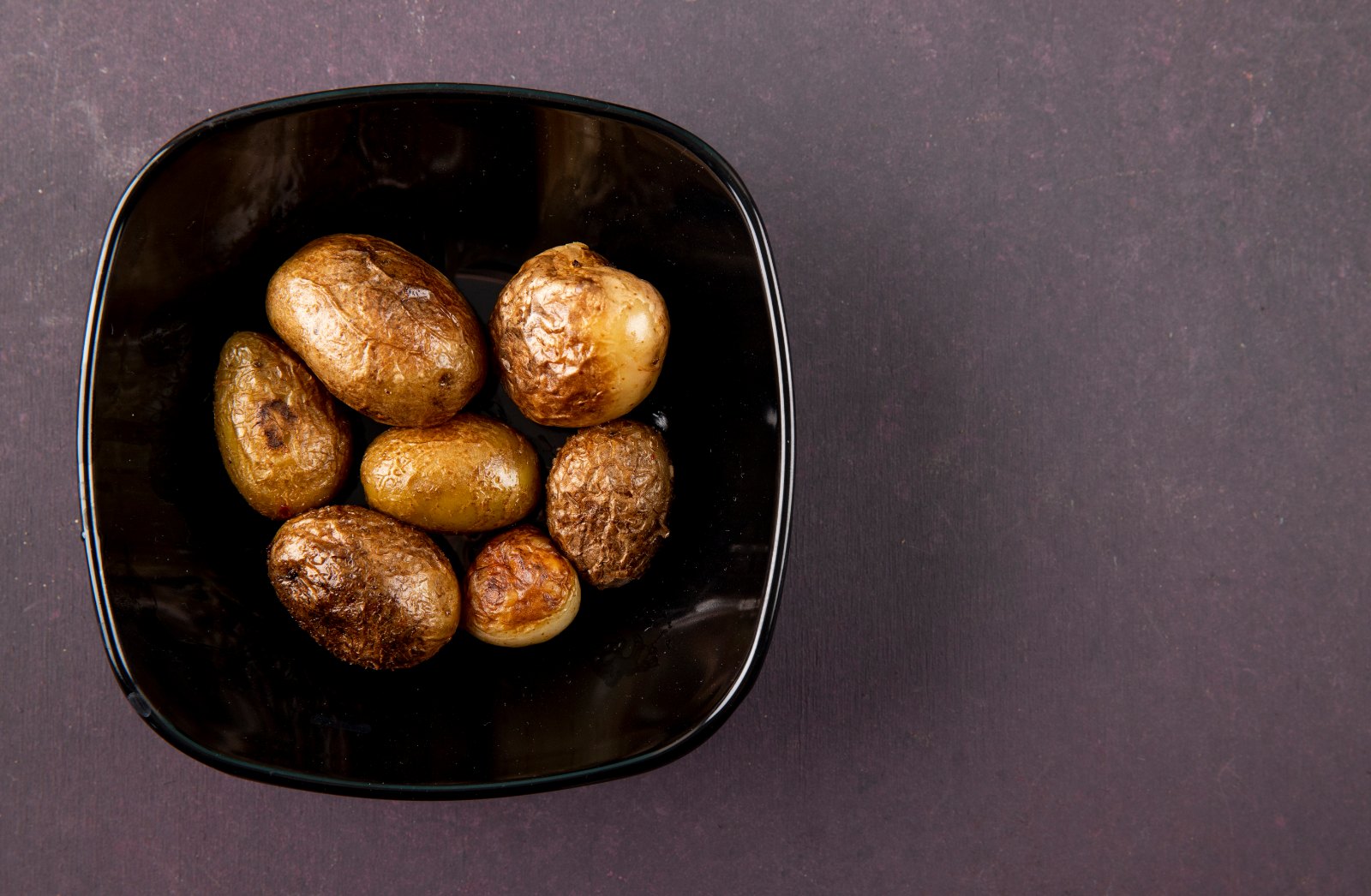
Diced potatoes (green), browned in smen (green), seasoned with cumin (green), salt (green) and black pepper (green), cooked without onion or garlic.
Why: the potato is one of the system's five pillars, allowed in all its forms, and smen is its preferred cooking fat; a savory breakfast that lasts until lunch.
8. Rice with butter and sugar, a hint of cinnamon
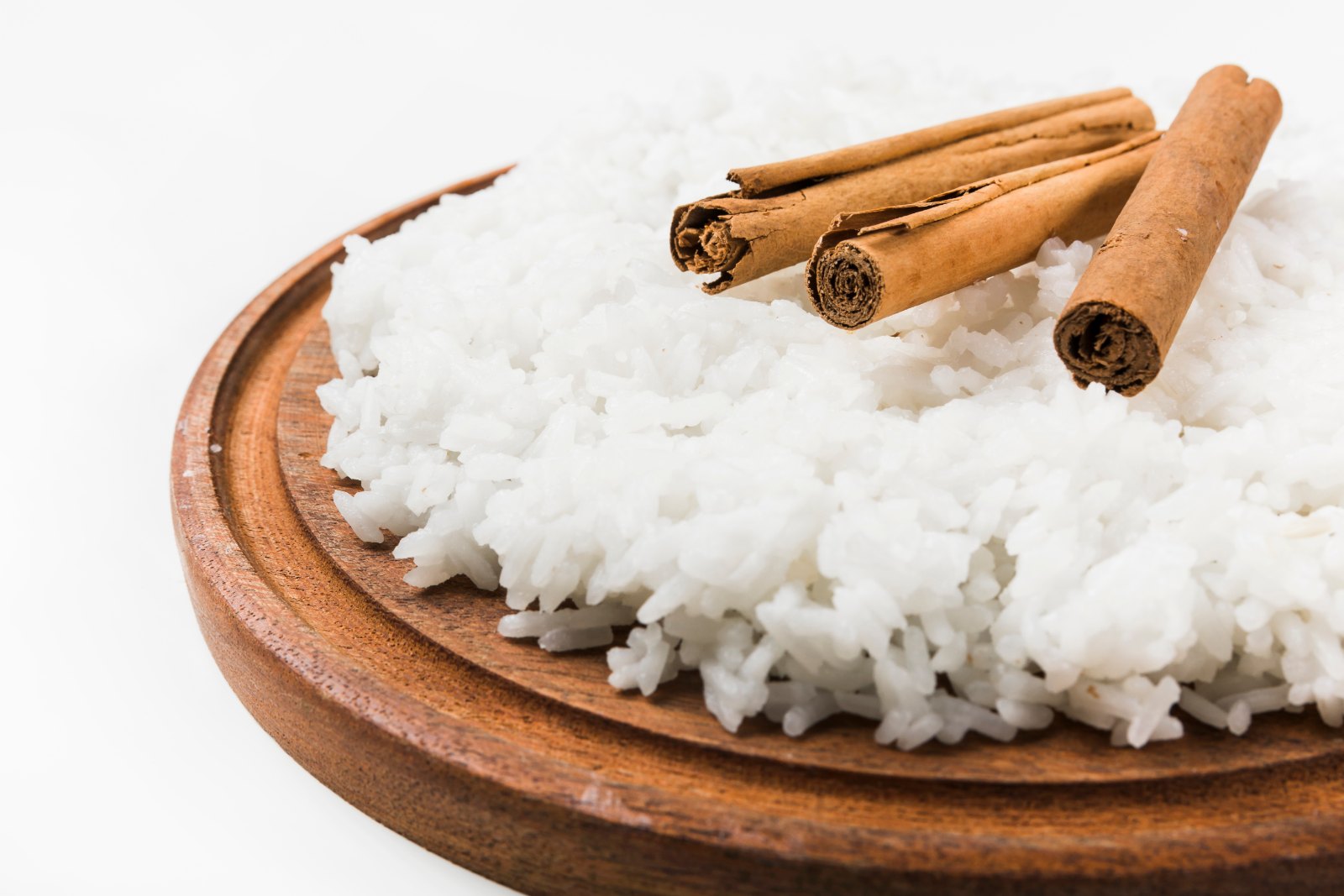
Hot white rice (green), a knob of butter (green), a spoonful of white sugar (green) and a pinch of cinnamon (yellow, in small amounts).
Why: the database points out that rice pudding is excluded because of the milk, but that the version with butter and sugar is tolerated; cinnamon is tolerated precisely in rice and sugar desserts.
9. Roasted sweet potato, butter and honey

A sweet potato (green) baked in the oven, split open and topped with butter (green) and natural honey (green).
Why: the sweet potato is allowed by the system without conditions and offers an alternative to toast for varied mornings.
10. Fruit plate and almonds
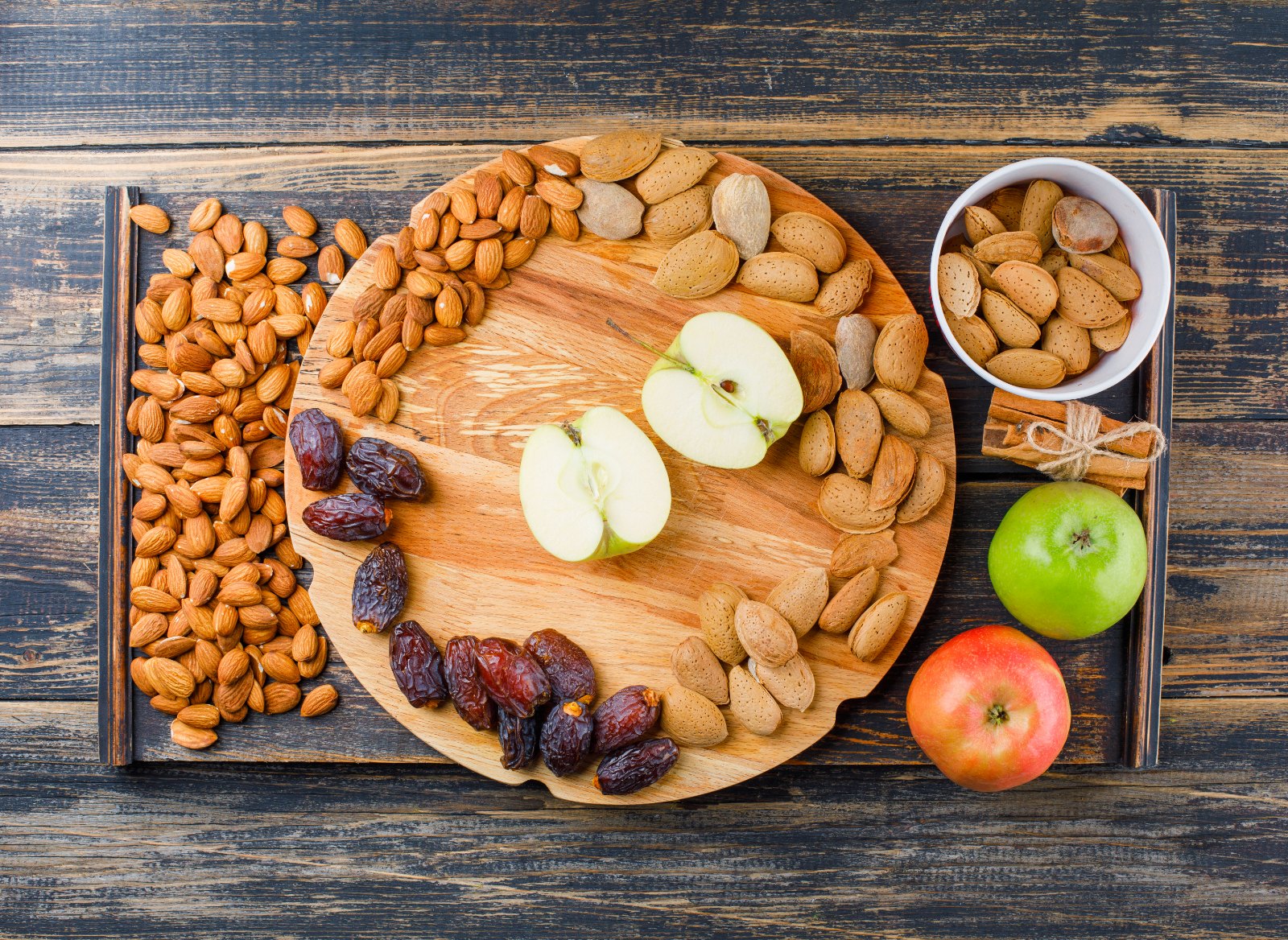
A banana (green), a peeled apple (green, preferably peeled), a few strawberries (green) and a small handful of almonds (yellow, in moderation, plain and unsalted).
Why: most fruits are allowed, the method asking only that thin-skinned ones be peeled; almonds are accepted in moderation.
11. Strained pomegranate or prickly pear juice, buttered toast
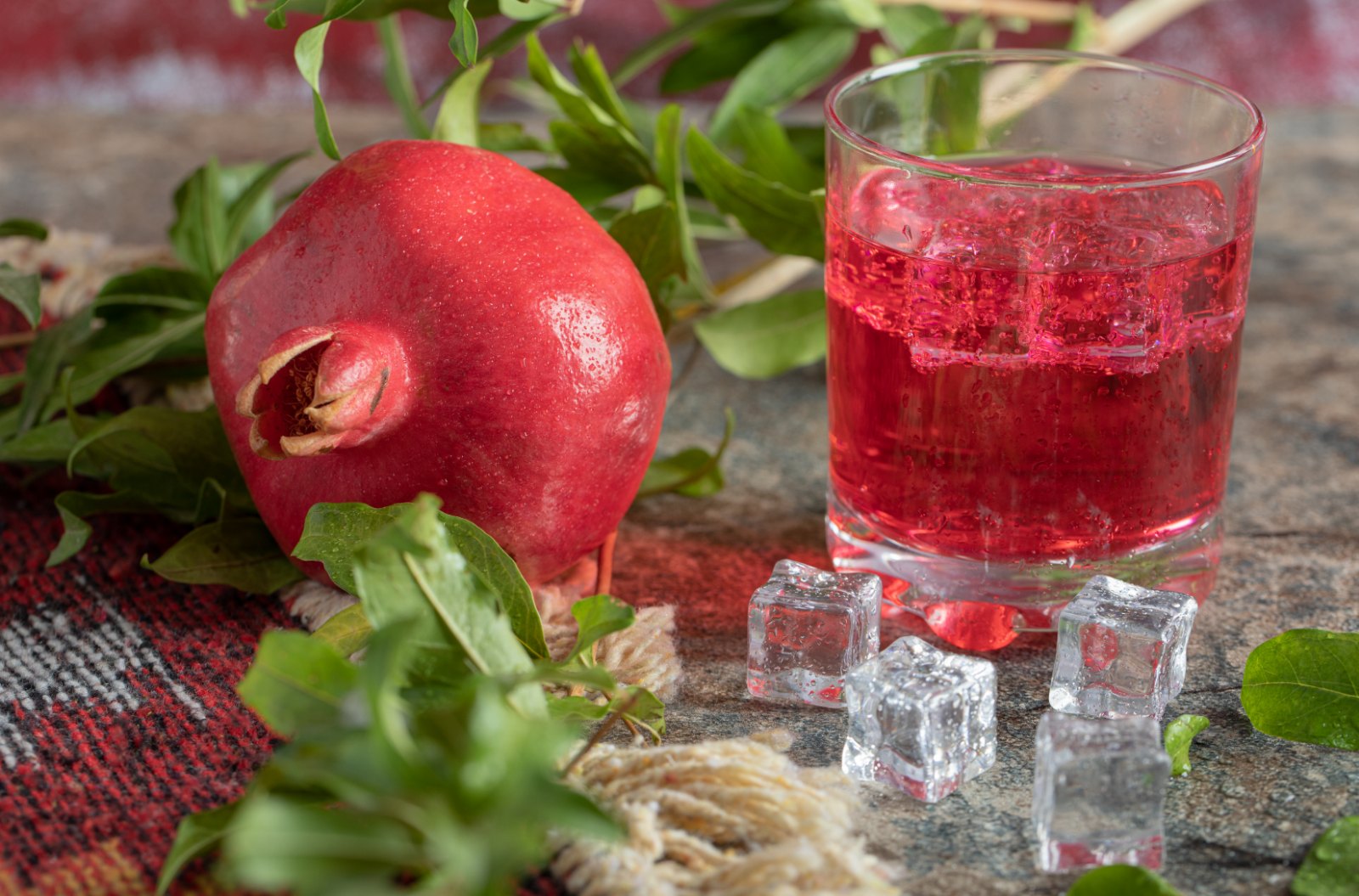
A glass of pomegranate juice (green, preferably as strained juice) or prickly pear juice (green, preferably as strained juice), with bran toast (green) and butter (green).
Why: for these two fruits, the database indicates that the system prefers them as strained juice, to remove the seeds; it is the natural replacement for morning orange juice, the whole orange being excluded.
12. Bran toast grilled with mozzarella, karkadé
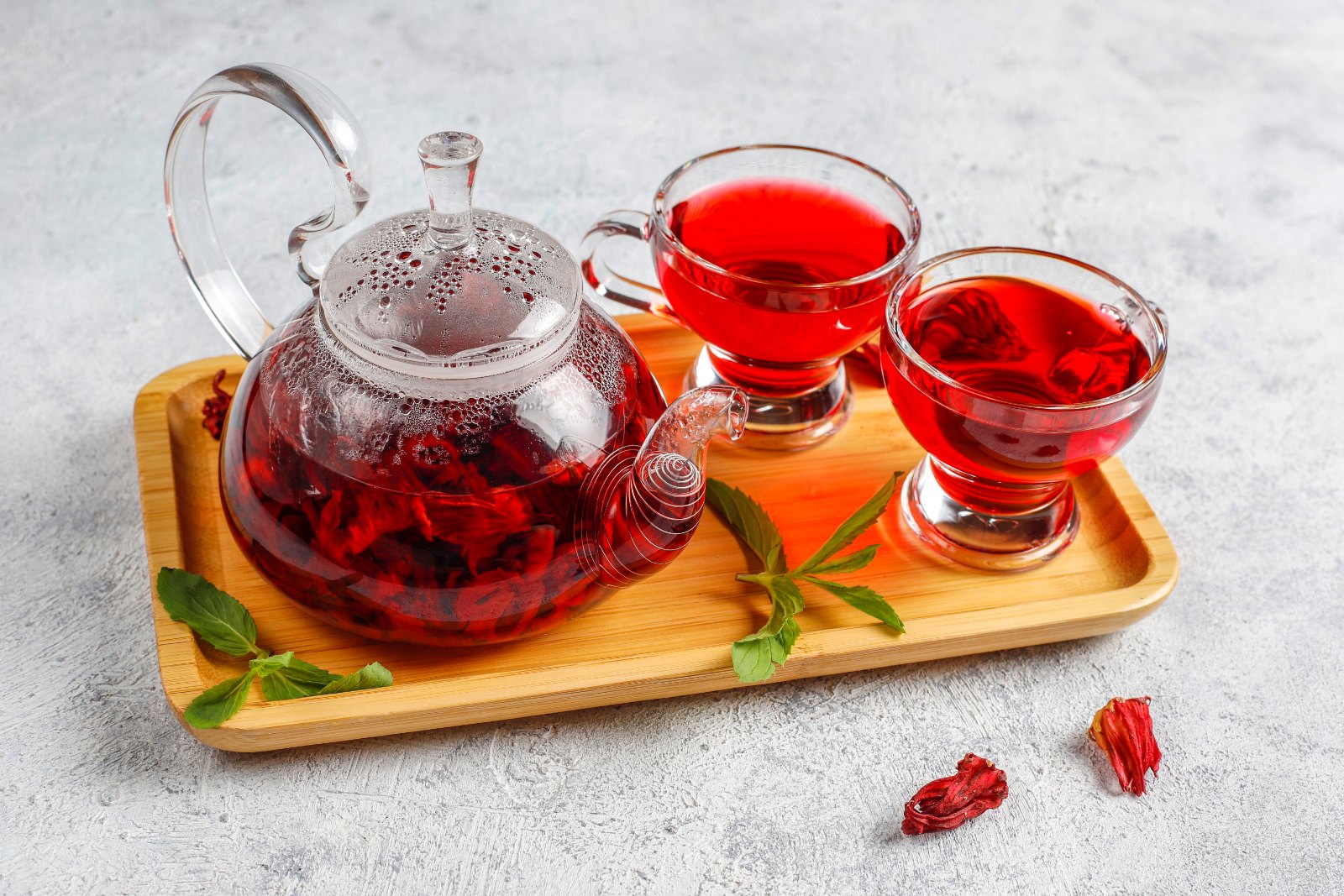
Bran toast (green) topped with mozzarella (green) or processed cheese (green), placed in the oven for a few minutes, served with a hot or iced karkadé (green).
Why: mozzarella and processed cheese are allowed by the method, and karkadé is accepted without restriction as long as no milk is added.
Building your own breakfast in four steps
All twelve ideas follow the same structure, which you can reuse endlessly:
- A green-zone base: bran toast, rice, potato or sweet potato.
- A fat or an aged cheese: butter, smen, qechta, cheddar, kashkaval, Parmesan, mozzarella.
- A natural sugar or an allowed fruit: honey, jam, date molasses, dates, banana, peeled apple, strawberries.
- A drink without milk: mint tea, green tea, karkadé, black coffee or a cinnamon or anise infusion.
One last guideline concerns not the foods but the timing: according to the two-hour rule, everything that makes up breakfast is taken in one sitting, tea included, and the next intake waits at least two hours after the last bite.
Common breakfast mistakes
- Replacing bran toast with any "whole-grain" bread. The database lists only bran sandwich bread; other breads, not documented, fall under the whitelist and are therefore forbidden by default in the system.
- Adding milk to coffee or tea. Fresh milk is in the red zone; coffee and tea stay in the method only without milk.
- Having a packaged juice and thinking "fruit juice." The database distinguishes fruit juice (yellow) from packaged juices and nectars (red); the safest option is a juice squeezed and strained at home.
- Forgetting to peel thin-skinned fruit. Apple, pear and peach are allowed preferably peeled.
- Confusing aged cheese with fresh cheese. Cheddar, kashkaval or roumi are in the green zone; fromage blanc and petit-suisse are in the red zone.
Going further
To understand the logic of the colors used in this article, the explanation of the five food zones of Nidam al-Tayyibat details each level with examples. The database's dairy and cheeses category lets you check at a glance which cheeses are allowed. Finally, for a comparison with more conventional approaches to the first meal, the articles 30 quick healthy breakfast ideas and high-protein breakfast offer a counterpoint: several of their suggestions, eggs, yogurt or rolled oats, are precisely foods that the Tayyibat system excludes.
Disclaimer
This article describes an eating system for informational purposes. It does not replace medical advice. If you have an illness, are undergoing treatment, are pregnant or have diabetes, talk to your doctor before making any change to your diet.