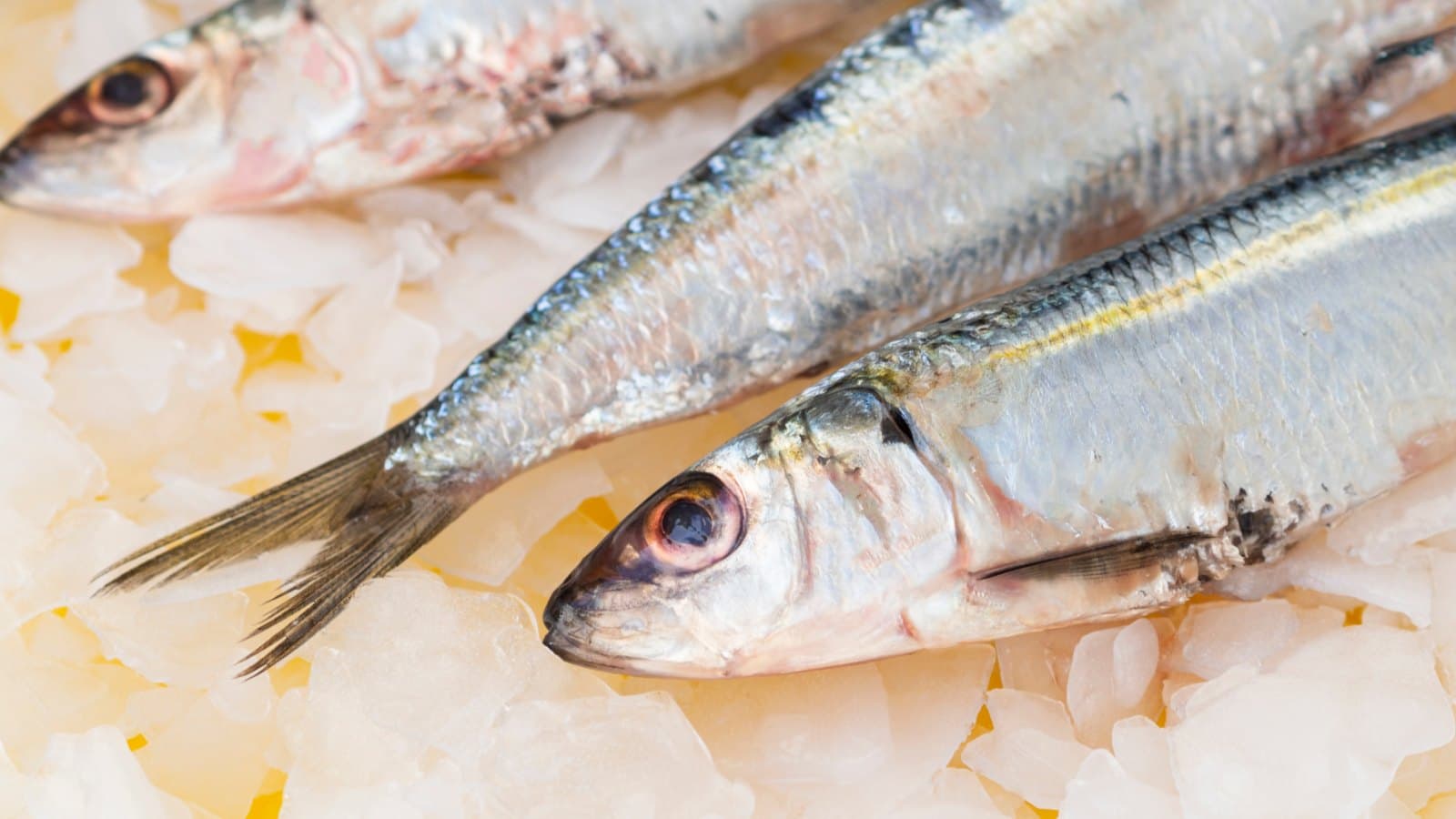
Omega 3 and omega 6 are two families of polyunsaturated fatty acids supplied by the diet. The Nidam al-Tayyibat system, described by the Egyptian physician Diaa Al-Awadi, sets no numerical ratio between these two families. According to the system, balance is played out in the selection of foods and their frequency of consumption, across five zones ranging from Green to Red.

What are omega 3 and omega 6?
Omega 3 and omega 6 are polyunsaturated fatty acids that the human body does not all produce in sufficient quantity. They are described as essential, because some must be supplied by the diet. Conventional nutrition recognises that these two families are involved in many physiological functions, without it being useful here to detail their mechanisms.
The Nidam al-Tayyibat system does not reason in terms of isolated nutrients, but in terms of foods classified according to frequency zones. According to the system, the question of omega 3 and omega 6 is not reduced to daily grams, but to the nature of the foods selected. Some foods that are sources of omega 3 are permitted in the Green or Yellow zone, while several foods rich in omega 6 are excluded or strongly limited.
Why is the Nidam al-Tayyibat system interested in the balance between these two families?
The source page refers to a “silent battle” inside the cells. According to the system, an imbalance between omega 6 and omega 3 intakes can be a source of strain for the body. The system publishes no ratio figures, no clinical studies and no numerical results. Its response is practical: restrict sources of omega 6 and favour a few foods that are sources of omega 3.
The conventional nutrition viewpoint partly shares this concern: many modern diets provide a large quantity of omega 6 through refined vegetable oils and industrial products, while sources of omega 3 remain rarer. However, the Nidam al-Tayyibat system does not take up the numerical ratios sometimes proposed elsewhere. It simply classifies foods according to its frequency principle.
Which sources of omega 3 does the system retain?
Conventional nutrition mainly identifies oily fish as direct sources of long-chain omega 3. The system, for its part, permits some of these foods, but excludes others.
Here are the foods that are sources of omega 3 that the system retains, with their zone and their condition:
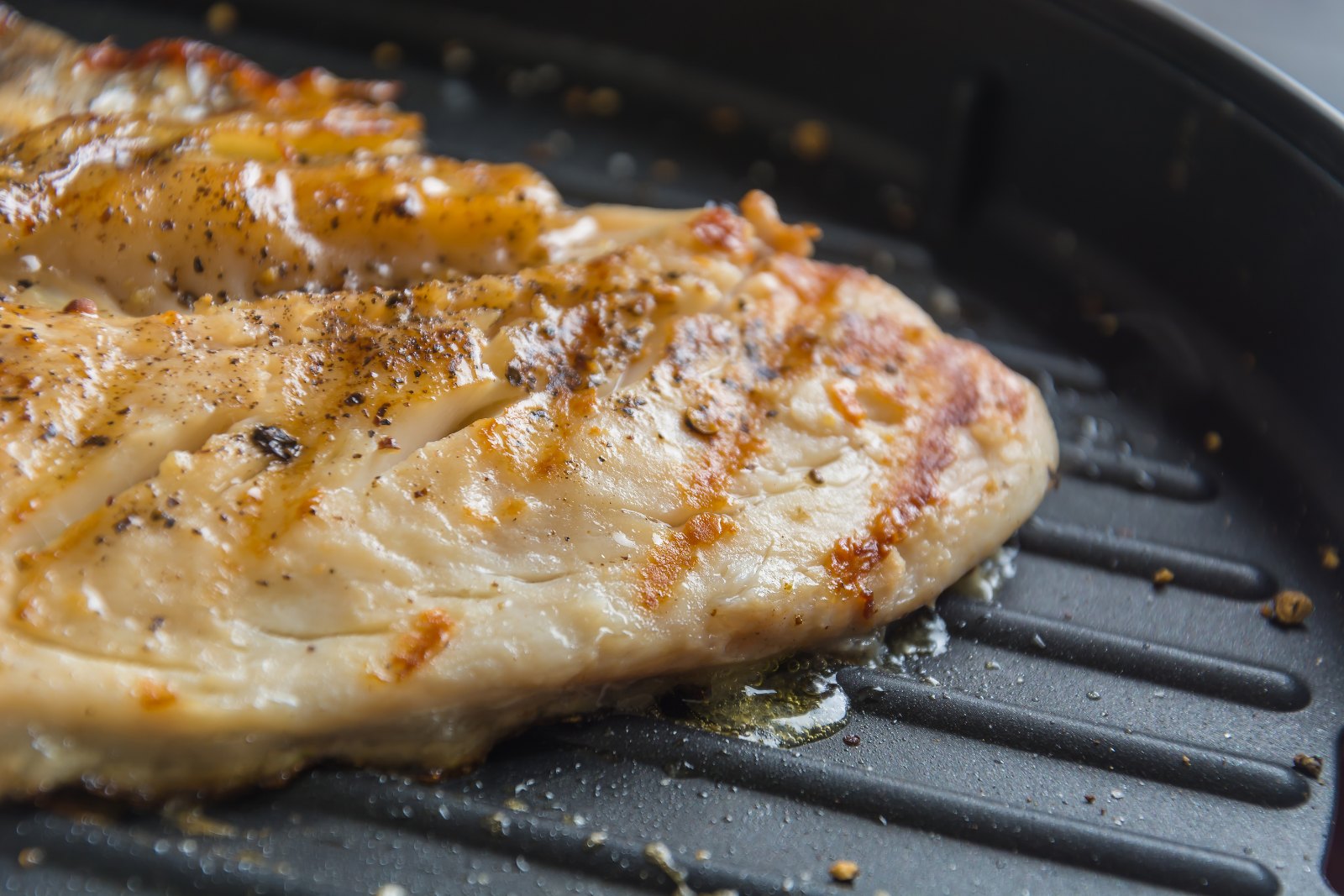
- Sea fish (preferably grilled) (Green) — preferably grilled; fried without flour.
- Fresh sardine (Yellow) — fresh, on protein days; the tinned version is not documented by the system.
- Walnuts (Yellow) — in moderation, plain and unsalted.
- Roasted pumpkin seeds (Green).
- Pine nuts (Green).
- Lamb's liver (Green), which also provides fatty acids, without being a major source.
The system, on the other hand, excludes Salmon (farmed) (Red), Tinned tuna (Red) and Farmed fish (tilapia, mullet) (Red). Likewise, Linseeds (Red), although recognised as a plant source of omega 3, are excluded by the system. This divergence from conventional nutrition is acknowledged by the Red zone classification.

Which sources of omega 6 does the system exclude or limit?
Refined vegetable oils are the main sources of omega 6 in the modern diet. The system applies a strict sorting to these products.
List of foods rich in omega 6 and their status according to the system:
- Soya oil and rapeseed oil (Red) — excluded.
- Corn oil (Yellow) — permitted only for frying.
- Sunflower oil (Yellow) — permitted only for frying.
- Margarine (Red) — excluded.
- Sunflower and pumpkin seeds (lib) (Red) — excluded.
- Pastries and cakes (industrial or bakery-made) (Red) — excluded.
- Biscuits and wafers (Red) — excluded.
- Charcuterie (sausages, mortadella, pastrami) (Red) — excluded.
- Soya sauce and Asian broths (Red) — excluded, notably because of the presence of soya oil.
Conversely, the system places Olive oil (Green) in the Green zone. It is low in omega 6 and serves as the reference fat in the system.

How to compose a plate balanced in omega 3 and omega 6 according to the system?

Without calculating a ratio, the system proposes a simple logic: restrict oils rich in omega 6 and regularly include a few foods that are sources of omega 3. Here is a list of practical markers, based on the system's zones:
- Choose Sea fish (preferably grilled) (Green) on protein days, rather than red meat.
- Use Olive oil (Green) for seasoning and gentle cooking.
- Reserve Corn oil (Yellow) or Sunflower oil (Yellow) for frying, and only occasionally.
- Add a small handful of Walnuts (Yellow) or Roasted pumpkin seeds (Green) as a snack.
- Avoid Pastries and cakes (industrial or bakery-made) (Red), Biscuits and wafers (Red) and Margarine (Red), which concentrate omega 6 from refined oils.
The system does not ask you to measure portions in grams, but to respect the frequencies of each zone. Yellow oils are not forbidden, but their use is conditional.
Comparative table of omega 3 and omega 6 sources in the system
| Family | Food | Zone | Condition or remark |
|---|---|---|---|
| Omega 3 | Sea fish (preferably grilled) | Green | Preferably grilled; fried without flour |
| Omega 3 | Fresh sardine | Yellow | Fresh, on protein days; tinned version not documented |
| Omega 3 | Walnuts | Yellow | In moderation, plain and unsalted |
| Omega 3 | Roasted pumpkin seeds | Green | Roasted, not raw |
| Omega 6 | Soya oil and rapeseed oil | Red | Excluded by the system |
| Omega 6 | Corn oil | Yellow | For frying only |
| Omega 6 | Sunflower oil | Yellow | For frying only |
| Omega 6 | Sunflower and pumpkin seeds (lib) | Red | Excluded, unlike roasted pumpkin seeds |
Frequently asked questions
Should you take omega 3 supplements?
The Nidam al-Tayyibat system does not mention any food supplements. According to the system, diet is sufficient if the frequency zones are respected. Any decision to take supplements is a matter for a health professional, particularly in the case of illness or drug treatment.
Does the system forbid all oils rich in omega 6?
No. According to the system, soya oil and rapeseed oil are excluded in the Red zone, but corn oil and sunflower oil are permitted in the Yellow zone, only for frying. Olive oil, low in omega 6, is placed in the Green zone and remains the reference fat.
Which fish does the system recommend for omega 3?
The system permits Sea fish (preferably grilled) (Green), with a preference for grilled cooking, and Fresh sardine (Yellow), on protein days. It excludes farmed salmon, tinned tuna and farmed fish such as tilapia or mullet.
Are walnuts a good source of omega 3 according to the system?
Conventional nutrition recognises walnuts as a plant source of omega 3. The system places them in the Yellow zone, in moderation, plain and unsalted. They are therefore not an everyday food, but an occasional snack within the system.
How do I know if my plate respects the omega 3 / omega 6 balance?
According to the system, it is not necessary to calculate a ratio. It is enough to check that Red oils are absent, that sea fish appears regularly, and that Yellow oils are used only for frying. If these conditions are met, the system considers that the balance is respected.
Sources
This article is based on the page of the Nidam al-Tayyibat system devoted to the comparison between omega 3 and omega 6, available on tayibat.org. The general information on fatty acids comes from current nutritional knowledge, without reference to numerical studies. The system publishes no clinical results or quantitative data.
To go further
- Tayebat diet (al tayebat, taibat, tayabat): what it is
- The Egyptian physician's diet: who are we talking about?
- Spices permitted in the Tayyibat: the complete list
Disclaimer
This article does not replace medical advice. The following situations require the advice of a health professional: pregnancy, breastfeeding, childhood, chronic illness, drug treatment, eating disorders, diagnosed deficiency or suspected deficiency. Any question relating to a dietary change in these contexts must be asked to a doctor or a dietitian.