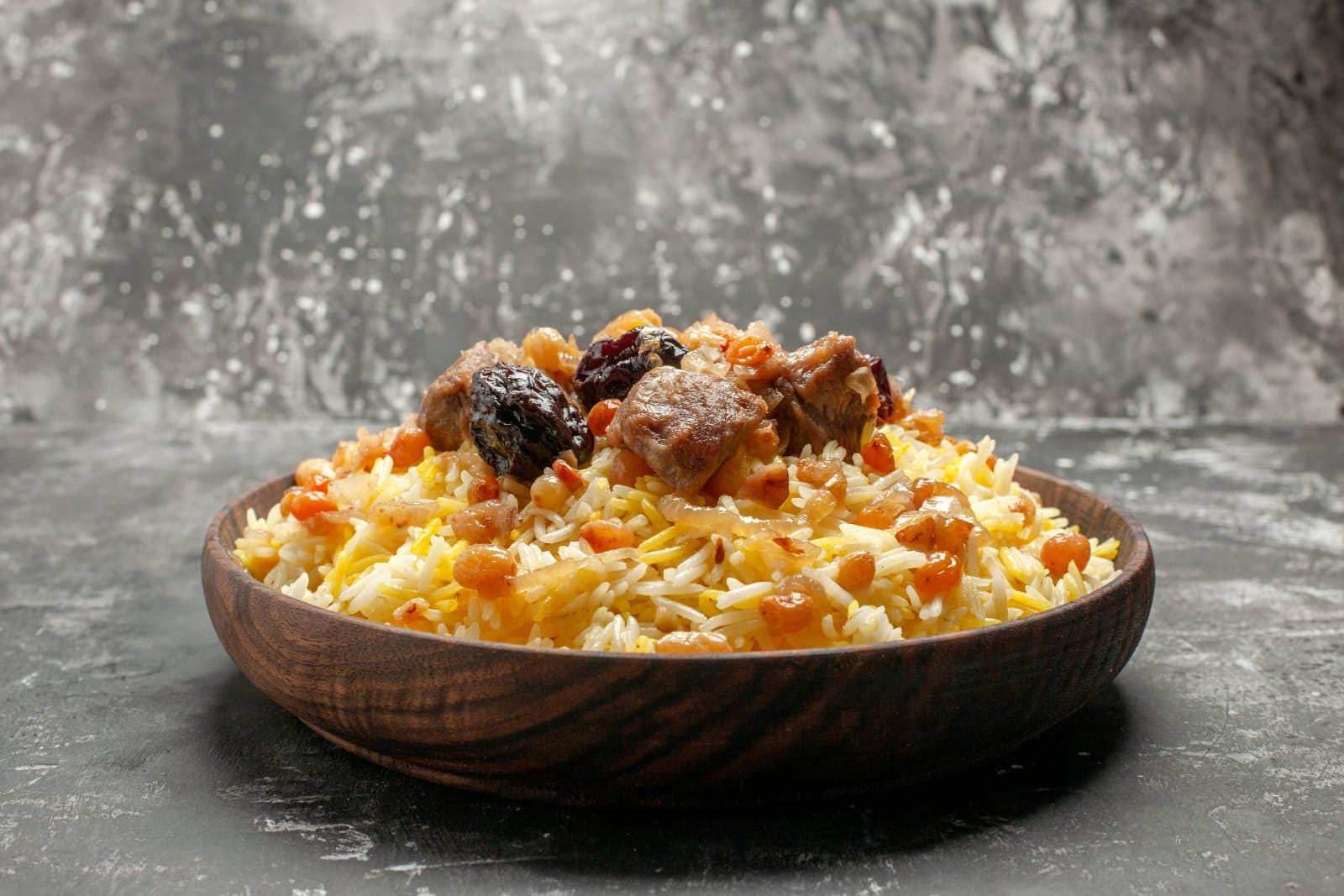
The Nidam al-Tayyibat, described by the Egyptian physician Diaa Al-Awadi, does not pit lamb against chicken as two equivalent meats. According to the system, chicken is classified in the Red zone and therefore excluded, while lamb is allowed in the Orange zone, provided its twice-weekly allowance is shared with goat and camel. The interest highlighted for lamb lies in bone broth, zinc and carnitine, with no figures published by the system.
Why does the question of lamb versus chicken arise?
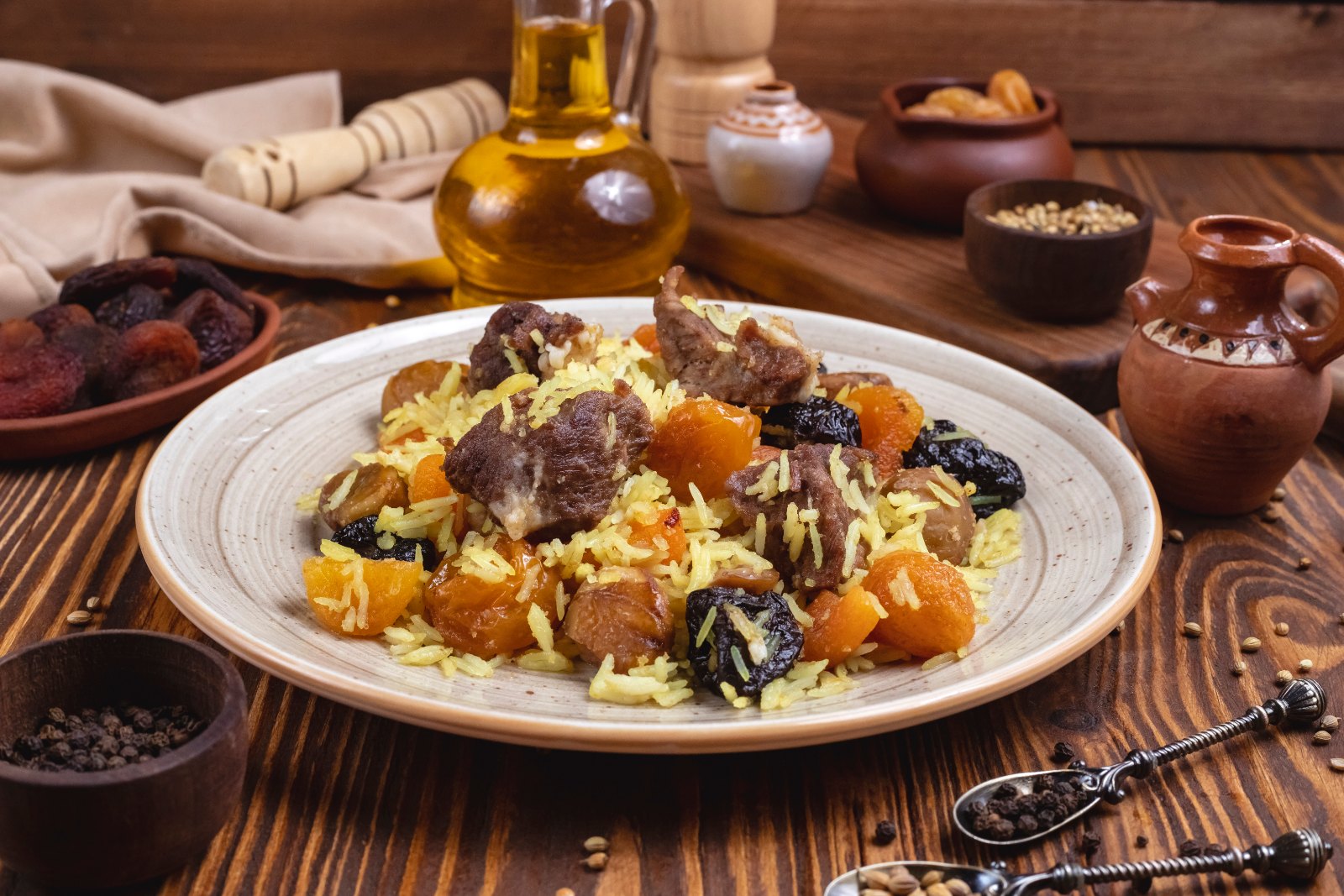
The comparison between lamb and chicken often comes from conventional nutrition. In that framework, chicken is presented as a lean meat, while lamb is seen as a fattier meat. The Nidam al-Tayyibat does not use this classification criterion. According to the system, the place of a food does not depend on a calculation of fat or calories, but on a classification into frequency zones: Green, Yellow, Orange, Purple and Red.
This difference explains why a food considered common in the kitchen can be excluded, while another, less frequent, can be allowed with a condition. The question “why lamb rather than chicken?” is therefore understood within the system, and not as a conventional nutritional comparison.
What does the Nidam al-Tayyibat say about chicken?
Chicken appears on the list of Red zone foods. According to the system, this means that it is excluded, without any condition relating to cooking, rearing or cut. The published database makes no provision for a subcategory for free-range chicken or industrial chicken: the classification applies to chicken. The Chicken (Red) is therefore not offered in meals, neither as a main dish nor in broth.
The same fate is reserved for other poultry such as Turkey (Red). By contrast, the system allows small-format or sea animals in the Green zone: Quail (Green), Pigeon (Green), Rabbit (Green) and Sea fish (preferably grilled) (Green). These foods can serve as a protein source on days when lamb is not eaten, within the limits of their own zone.
Why does the system give a special place to lamb?
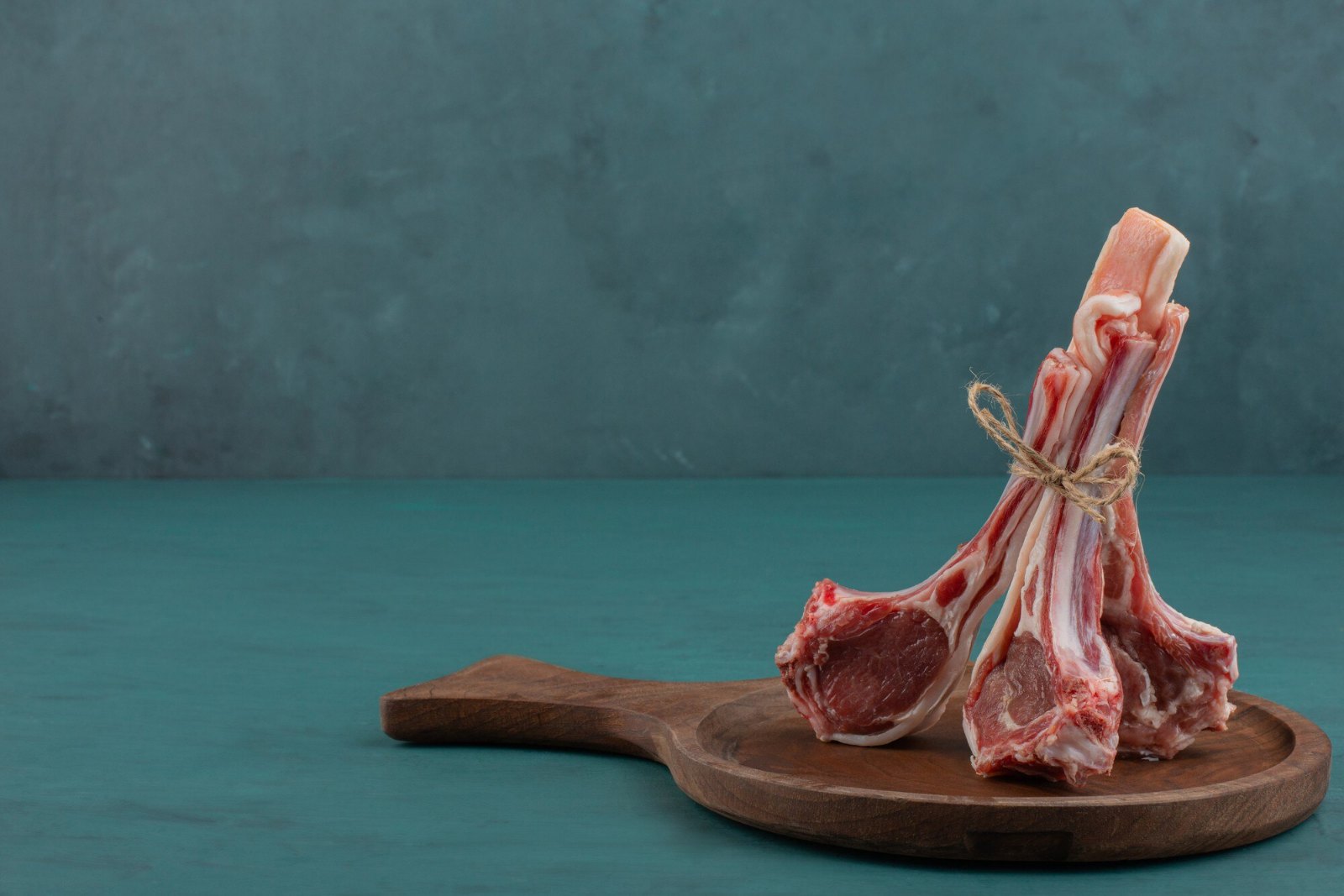
According to the system, lamb is not an everyday food: it is classified in the Orange zone. Its frequency is limited to twice a week, and this allowance is shared with Goat meat (Orange) and Camel meat (Orange). In other words, if the day’s meal contains lamb, it uses up a share of the group of mutton, goat and camel meats.
The particular place of lamb therefore does not stem from a broad authorisation, but from a conditional authorisation. The system does not put it on the same level as Green foods. It places it in a moderate frequency category, which distinguishes it from chicken, which is excluded. According to the system, lamb’s interest is carried by uses such as long-simmered broth, and by components such as zinc and carnitine, without any figures being published.
Lamb, goat and camel: an allowance to be shared
The following table summarises the classifications and conditions published on the site for the comparison meats. This is not a nutritional equivalence, but the frequency logic of the system.
| Food | Zone | Condition according to the system |
|---|---|---|
| Lamb / mutton | Orange | twice a week, allowance shared with goat and camel |
| Goat meat | Orange | twice a week, allowance shared with lamb and camel |
| Camel meat | Orange | twice a week, allowance shared with lamb and goat |
| Beef | Orange | once a week, allowance shared with buffalo |
| Buffalo meat | Orange | once a week, allowance shared with beef |
| Chicken | Red | excluded by the system |
The “shared allowance” condition means that it is not enough to keep to two days in the week: it is also necessary to consider that lamb, goat and camel draw on the same quota. Lamb-based dishes are therefore not an everyday solution, even though the food is allowed in the Orange zone.
Is bone broth a forgotten medicine?
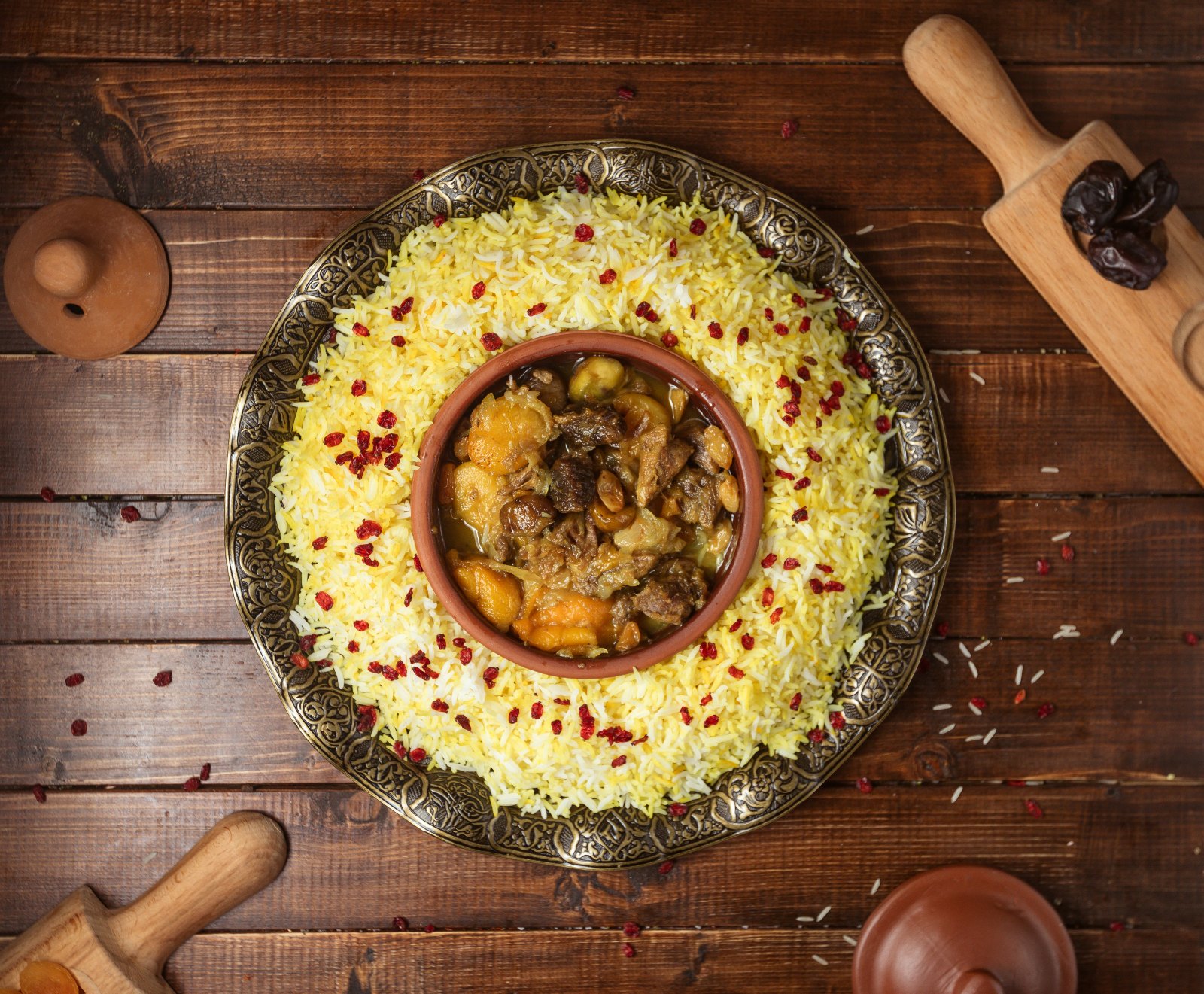
The Arabic source page mentions bone broth as an ancient remedy. In the data published on this site, this idea is reflected in the presence of foods that can be used for a broth: Sheep’s feet (Green) and Beef foot broth (Orange) with the condition of a long-simmered broth, within the weekly beef allowance. The system, however, publishes no study, no exact duration and no therapeutic dose for bone broth.
According to the system, sheep’s feet are classified in the Green zone, which allows them to be used without the restriction of Orange meats. This does not mean that bone broth has a demonstrated effect. Any question about a joint, digestive or immune disorder is a matter for a health professional. The team’s cookery may suggest a broth simmered for an hour or more, but this is not a medical protocol.
Zinc and carnitine: what the system mentions without figures
According to the system, lamb is cited for its zinc and carnitine content. These two elements are mentioned qualitatively, without any quantity in grams, any percentage or any daily intake. The site publishes no composition table for lamb, and no study results linking lamb to a specific effect.
Conventional nutrition recognises that lamb meat contains zinc and carnitine, but it does not conclude that lamb is superior to all other meats. The Nidam al-Tayyibat does not rely on these quantified comparisons. It classifies lamb in the Orange zone, which limits its frequency and does not turn it into a food for unrestricted consumption.
How to compose a meal with lamb in the Tayyibat
The following recipe is suggested by the site team, not by Diaa Al-Awadi. It respects the foods allowed by the factsheets and the published conditions.
Brown pieces of Lamb / mutton (Orange) in two spoonfuls of Smen / ghee (Green). Add Black pepper (Green) and Cumin (Green). Cover with simmering water and leave to cook for one hour. At the end of cooking, add diced cooked Courgette (Yellow) and a cooked Tomato (Orange) sauce. Serve with Rice (basmati, white) (Green).
To compose the meal, three lists may help.
Accompaniment foods allowed in this dish:
- Rice (basmati, white) (Green)
- Potato (Green)
- Courgette (Yellow), condition: cooked
- Tomato (Orange), condition: preferably cooked as a sauce
- Aubergine (Orange), condition: cooked only
Points of vigilance for respecting the system:
- do not exceed two lamb meals per week, allowance shared with goat and camel;
- do not add Garlic (Red) or Onion (Red) during cooking;
- do not serve with Yoghurt (Red) or a sauce made with Fresh lemon (Red);
- check that industrial Tomato concentrate (Red) is excluded if you use a homemade tomato sauce.
These restrictions do not mean that the meal must be bland. Cumin (Green), Black pepper (Green), Salt (Green) and Hot infusions (cinnamon, aniseed, herbal teas) (Green) without milk may be enough to season it.
Frequently asked questions
Does the Tayyibat system completely forbid chicken?
Yes, according to the system, Chicken (Red) is classified in the Red zone, which means that it is excluded. No cooking or rearing condition reintroduces it in the published database. For poultry meals, the system allows Quail (Green) or Pigeon (Green) instead.
Can you eat lamb every day in the Tayyibat?
No, Lamb / mutton (Orange) is in the Orange zone, not in the Green zone. Its frequency is limited to twice a week, an allowance shared with goat and camel. Other protein days can be composed with Sea fish (preferably grilled) (Green), Rabbit (Green) or Quail (Green).
Why is lamb bone broth highlighted?
Bone broth is mentioned as an ancient use, and the system classifies Sheep’s feet (Green) in the Green zone. This makes it possible to prepare a long-simmered broth without the restriction of Orange meats. The system publishes no demonstrated therapeutic effect for this broth.
Do zinc and carnitine alone justify the choice of lamb?
According to the system, lamb is cited for zinc and carnitine, but without figures or demonstration of effect. Conventional nutrition recognises these components in lamb meat, without making it a food to be eaten without limit. A deficiency or a condition must be assessed by a health professional.
How can lamb be replaced if it is not available?
The system groups lamb with Goat meat (Orange) and Camel meat (Orange), which share the same frequency. Outside this quota, the protein sources allowed in the Green zone, such as sea fish, quail or rabbit, can be used according to their own condition.
Further reading
- Tayebat diet (al tayebat, taibat, tayabat): what it is
- One day yes, one day no: the Tayyibat protein rule
- Tayyibat at the restaurant and while travelling: how to order
- Tayyibat dinner: ten ideas for the evening, in under an hour
Sources
The Arabic source page consulted for the subject is: https://tayibat.org/blog/benefits-of-lamb. The classification information comes from the Nidam Tayebat site factsheets, in particular Lamb / mutton (Orange), Chicken (Red), Sheep’s feet (Green) and Beef foot broth (Orange). No external study is cited, because the system publishes no quantified data.
Disclaimer
This article does not replace medical advice. It is recommended to consult a health professional before changing your diet, particularly in the event of pregnancy, breastfeeding, chronic illness, deficiency, digestive disorder, eating disorder or medication. The classifications presented are those of the Nidam al-Tayyibat and do not constitute medical recommendations.