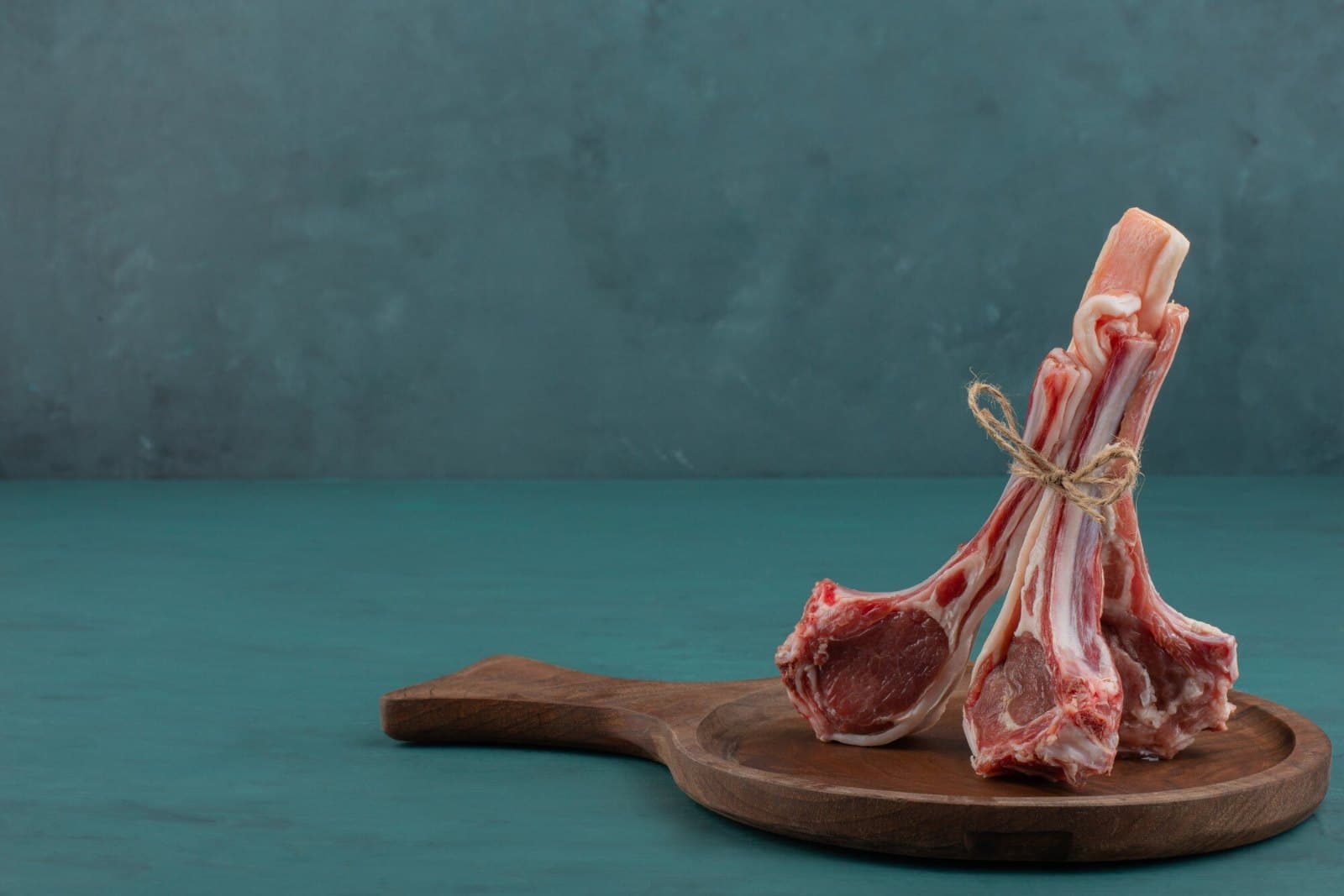
Nidam al-Tayyibat, the eating system described by Dr Diaa Al-Awadi, does not include animal protein every day. Its "every other day" rule (يوم آه ويوم لأ) alternates days with meat, fish, offal or allowed poultry and days without, then divides red meats into weekly "shares." This article explains the rule as documented by the guide and the site's food database, and details the shares, the method for cooking meat, a sample week and the common mistakes.
What the "every other day" rule says
The rule comes down to three points, as the system's compilations report them.
- An alternation. One day with animal protein, one day without. The most flexible wording speaks of three to four "yes" days a week.
- A scope. The rule covers animal protein in the system's sense: red meat, fish, offal, and the poultry it allows, pigeon and quail, plus rabbit.
- "No" days that are not days of deprivation. They are built around the pillars (rice, potato, dates, butter), aged cheeses, qechta, tahini, cooked vegetables and fruits. Aged cheeses therefore belong to the "no" days and do not count as animal protein in the sense of the rule.
A single source adds a composition rule: no two animal proteins in the same meal. Fish and meat do not share a plate.
The explanation put forward by the method
The system presents the alternation as a rest it attributes to digestion, the liver and the kidneys. This is its explanation, not an established fact. Conventional nutrition does not recognize this need for rest, but also sees no problem with not eating meat every day, provided protein intake is ensured in other ways. Yet the palette excludes legumes (red) and eggs (red), so the "no" days rely mainly on aged cheeses, tahini and nuts. The site's guide notes that conventional nutrition puts an adult's needs at around 0.8 g of protein per kilogram of body weight per day, a benchmark the "no" days reach with more difficulty; dietitians warn about this point.
The weekly shares of red meat
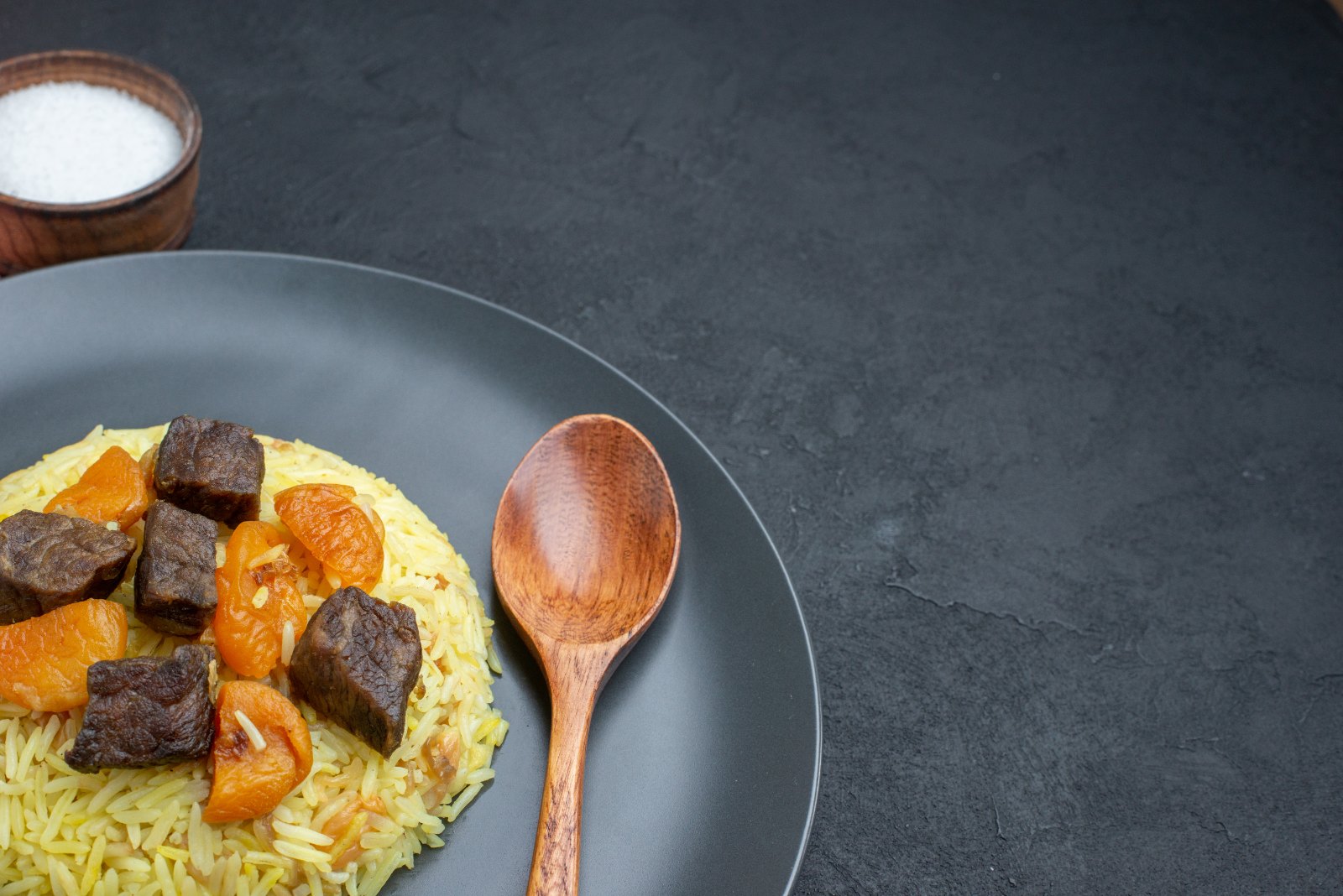
Red meats are rationed by the week, and some share the same "allowance." This is how the entries in the database's proteins category should be read.
| Weekly allowance | Meats concerned (zone) | Share according to the system |
|---|---|---|
| Lamb, goat, camel | lamb and mutton (orange), goat meat (orange), camel meat (orange) | two meals a week in total |
| Beef, buffalo, veal | beef (orange), buffalo meat (orange), veal (orange) | one meal a week in total |
| Ground meat | ground meat (orange) | counted in the allowance of the meat it comes from |
| Beef offal | beef liver (orange), beef trotters (orange) | counted in the beef share |
| Mutton fat | mutton fat (orange) | with lamb, in its share |
Two lamb meals in the week use up the first allowance; so do one lamb meal and one goat meal. A lamb kefta tagine counts as a lamb meal, and a beef liver dish uses up the single beef meal. The two allowances are independent: a week can include two lamb meals and one beef meal. The sources describe lamb as the system's preferred meat. Veal is not a separate heading in the lists; the database groups it with beef, a reading it flags as its own.
"Yes"-day proteins with no allowance
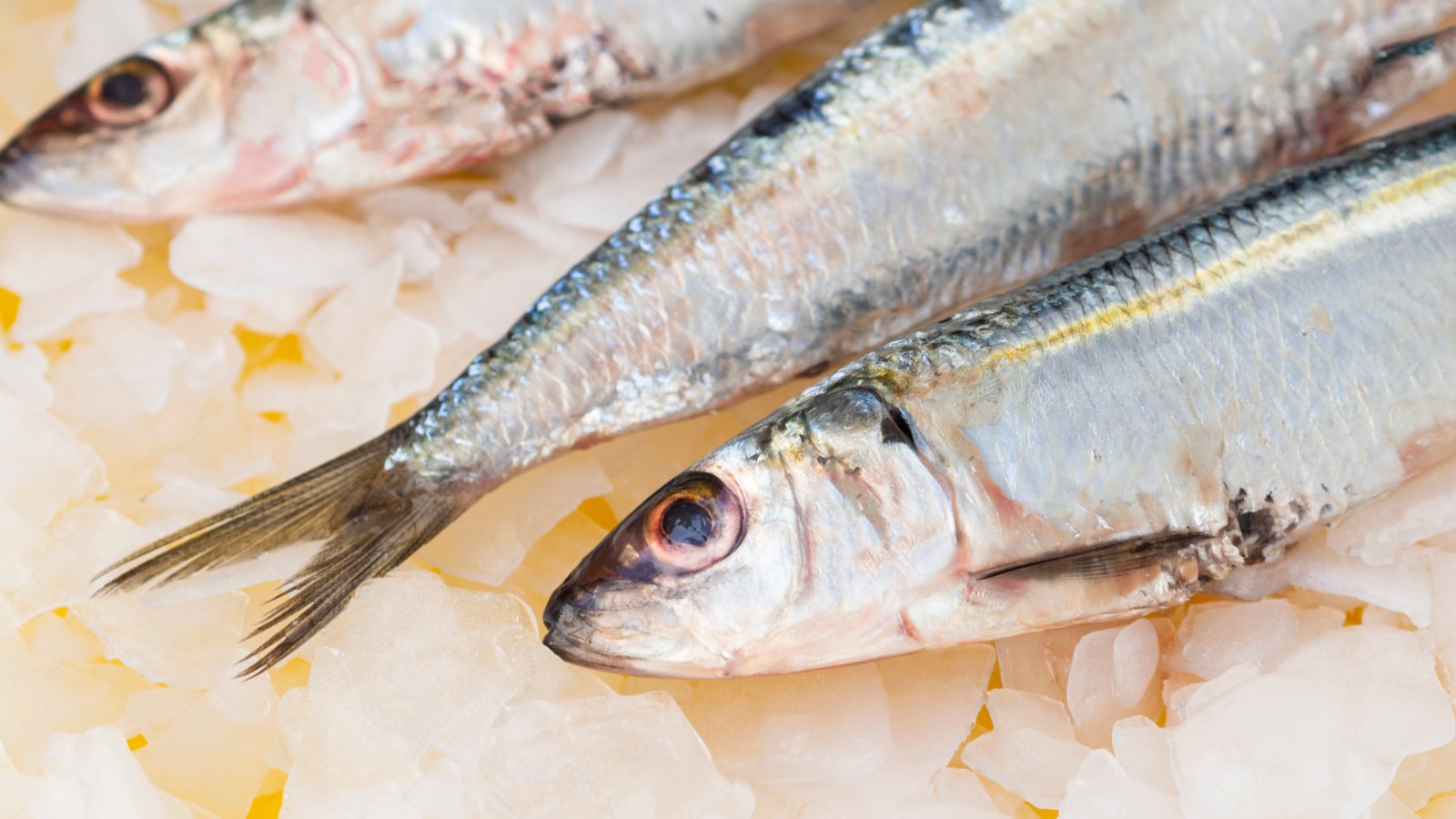
Alongside the rationed red meats, the system allows proteins that it does not limit by the week, subject to the alternation. "No allowance" therefore does not mean "every day": these foods remain reserved for "yes" days.
- Seafood. Sea fish (green, preferably grilled, fried without a flour coating), fresh sardines (yellow, fresh, on protein days) and crab (green), the only documented shellfish. Excluded are farmed fish, farmed salmon, canned tuna, shrimp and calamari, all in the red zone. Canned sardines are not documented and fall under the whitelist rule, so they are forbidden by default.
- Alternatives to chicken. Pigeon (green), quail (green) and rabbit (green). Chicken, turkey, duck and goose are in the red zone, as are eggs.
- Allowed offal. Lamb liver (green), sheep's trotters (green), head meat (green) and membar (green), intestines stuffed with rice. Poultry liver is excluded along with poultry; beef liver counts in the beef share.
Two families never enter a "yes" day: cured and processed meats (red), including beef-based ones, and pork (red), off-limits for religious reasons.
The "method" for cooking red meat
One source reports what it calls the system's official method for preparing red meat: boil it first, then sear it in smen (green). The beef and camel entries point in the same direction: boil before browning, rather than grilling directly.
This method is part of the more general rule of simple cooking: boiled, steamed, baked, grilled, or fried in an allowed fat, and always without onion or garlic, both in the red zone. Salt, cumin and black pepper (green) are used for seasoning. For frying fish without a coating, the database allows sunflower oil (yellow, for frying); olive oil (green) is used mainly raw, in marinades.
Pigeon is prepared grilled or stuffed with rice or frik (green), rabbit as a stew, grilled or stuffed. The typical side is a green-zone starch, rice or potato, and a cooked vegetable such as squash (green, cooked) or zucchini (yellow, always cooked).
A sample week
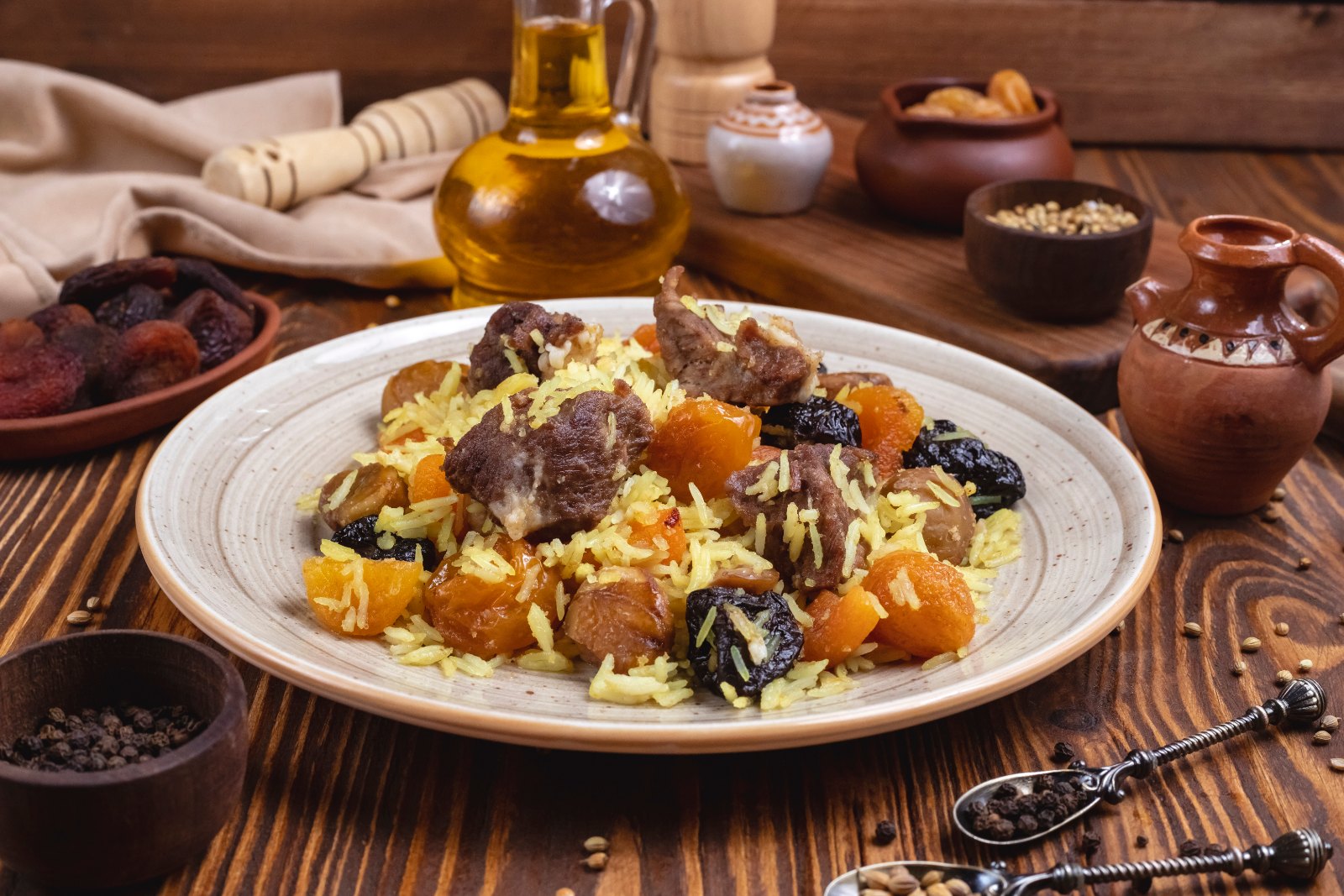
The week below uses the menus from the first week of the site's program. It shows the alternation and the counting of shares, not quantities: the system does not weigh portions. All the foods are in the green or yellow zone, except the two orange foods flagged with their condition.
| Day | Type | Lunch | Dinner |
|---|---|---|---|
| Monday | yes | white rice, grilled fresh sardines (yellow), squash roasted with butter | baked potatoes with smen, kashkaval (green) |
| Tuesday | no | potatoes sautéed with smen and cumin, cooked zucchini (yellow); grapes (green) | squash soup, bran toast (green), roumi cheese (green) |
| Wednesday | yes | white rice, baked sea fish (green), cooked carrots (orange, cooked only) | mashed potatoes with butter; strawberries (green) |
| Thursday | no | white rice, sautéed mushrooms (green, cooked), roasted sweet potato (green) | steamed potatoes, grilled mozzarella (green); banana (green) |
| Friday | yes | white rice, lamb boiled then seared in smen (orange, first of the share's two meals), simmered squash | bran toast, butter, processed cheese (green); grapes |
| Saturday | no | zucchini stuffed with rice, cooked tomato sauce (orange, preferably cooked) | homemade fries in sunflower oil (yellow), kashkaval; infusion (green, no milk) |
| Sunday | yes | white rice, pigeon roasted with butter (green), potatoes | squash soup, bran toast, roumi cheese |
Four "yes" days and three "no" days: the week matches the wording "three to four days a week." The lamb allowance is used once out of two and the beef allowance is untouched, the other "yes" days relying on sardines, sea fish and pigeon, which are not rationed. To bring in beef, simply replace Wednesday's fish with beef boiled then seared in smen (orange), which uses up the single meal of that allowance. No meal combines two animal proteins.
The most common mistakes
- Two animal proteins on the same plate. Rice with fish served with ground meat contradicts the composition rule reported by one source.
- Forgetting that ground meat and beef offal count. Lamb kefta uses one of the two lamb meals; ground beef, beef liver or beef trotter broth, the single beef meal. Lamb offal, on the other hand, is in the green zone and has no allowance.
- Confusing "no allowance" with "every day." Fish, pigeon, quail and rabbit are not rationed by the week, but they remain subject to the alternation.
- Replacing chicken with turkey, or sea fish with salmon or canned tuna. All three are in the red zone, as are cured meats, even beef-based ones.
- Cooking meat with onion and garlic. Both are in the red zone; most compilations also rule out their use in cooking.
- Leaving the "no" days too poor. Without legumes or eggs, aged cheeses, tahini (green) and nuts such as almonds (yellow, in moderation) carry the protein intake; this is the point dietitians warn about.
- Applying the alternation without medical advice. In case of kidney or liver disease, pregnancy, for children or older people, the distribution of protein is a matter for the doctor, not for an eating system.
Frequently asked questions (FAQ)
How many days of animal protein a week according to the system?
Every other day in the strict wording, or three to four days a week in the most flexible wording. The system sets no quantity per meal: it thinks in days and weekly shares, not in grams.
Does fish count in the meat share?
No. Sea fish, fresh sardines and crab are not rationed by the week according to the site's database. They remain reserved for "yes" days and are not served on the same plate as a meat.
Can you eat lamb and beef in the same week?
Yes. The two allowances are separate: two meals for lamb, goat and camel combined, one meal for beef, buffalo and veal combined. Two lamb meals and one beef meal, at separate meals, respect the system's shares.
Is cheese an animal protein in the sense of the rule?
Not in the way the sources describe the "no" days, which are built precisely around aged cheeses, qechta and tahini. The sources do not settle the case of cheese served in the same meal as a meat; the menus of the site's program avoid this combination.
Can chicken replace pigeon on a "yes" day?
No. Chicken is in the red zone in all its forms, farmed or free-range; this is one of the system's most disputed positions, as conventional nutrition considers it a benchmark lean meat. The planned alternatives are pigeon, quail, rabbit and sea fish.
Going further
The article on the five food zones of Nidam al-Tayyibat explains the meaning of the orange and purple zones, which carry the weekly shares. The one on the cheeses and dairy allowed by the system details the foods for "no" days. The two-hour rule sets the timing of meals within each day, and the guide how to organize your meals for the week helps plan the shopping. Finally, the proteins category of the food database gives, for each meat, fish or offal, the zone, the condition and the position of conventional nutrition.
Disclaimer
This article describes an eating system for informational purposes. It does not replace medical advice. If you have an illness, are undergoing treatment, are pregnant or have diabetes, talk to your doctor before making any change to your diet.