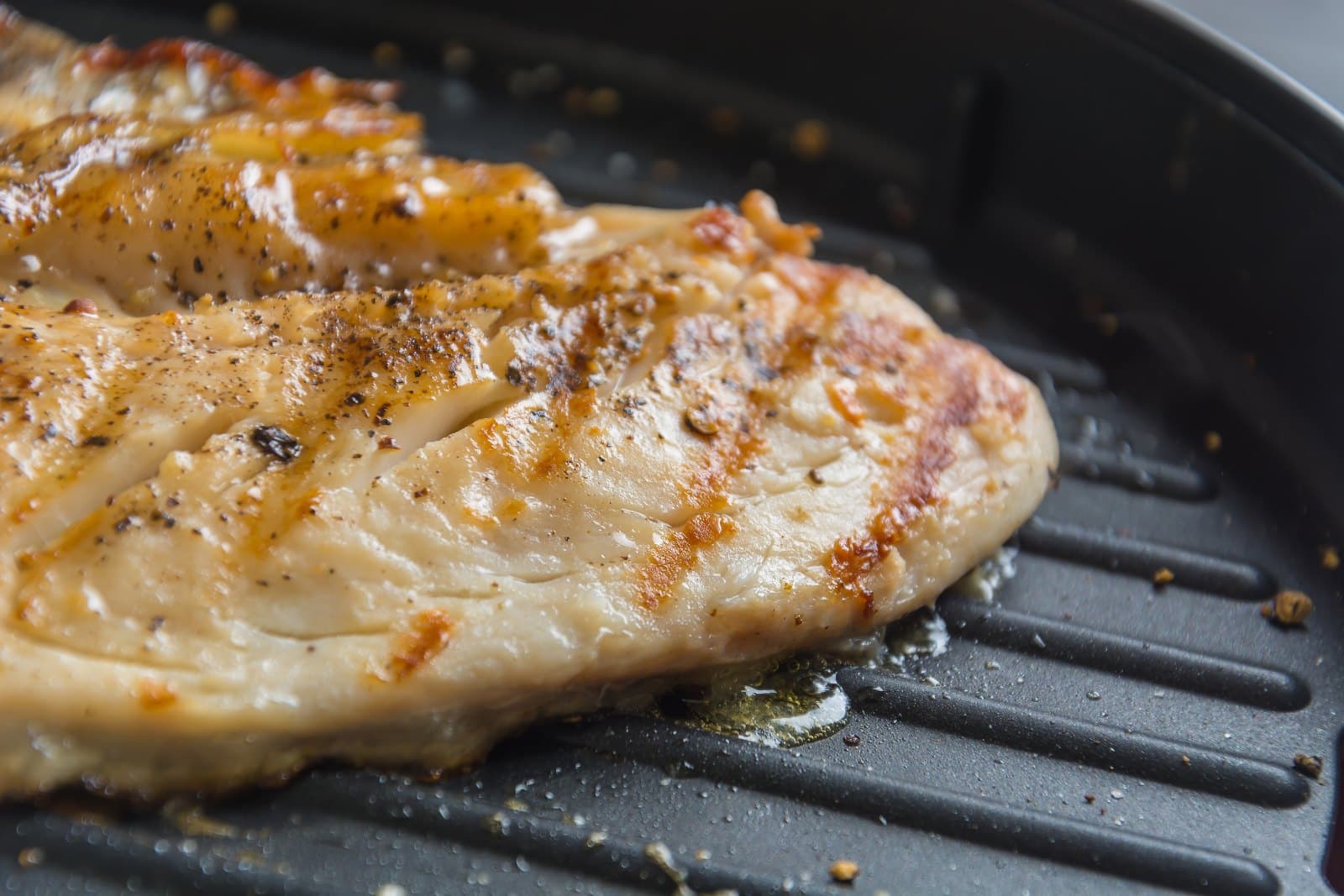
Commercial chicken is classified in the Red zone by the Nidam al-Tayyibat: according to the system, it is excluded, regardless of the Italian study of sixteen years and five thousand people. Diaa Al-Awadi placed this food on the Red list, and the system offers other authorised meats, fish and side dishes.
What does the Italian study of sixteen years and five thousand people say?
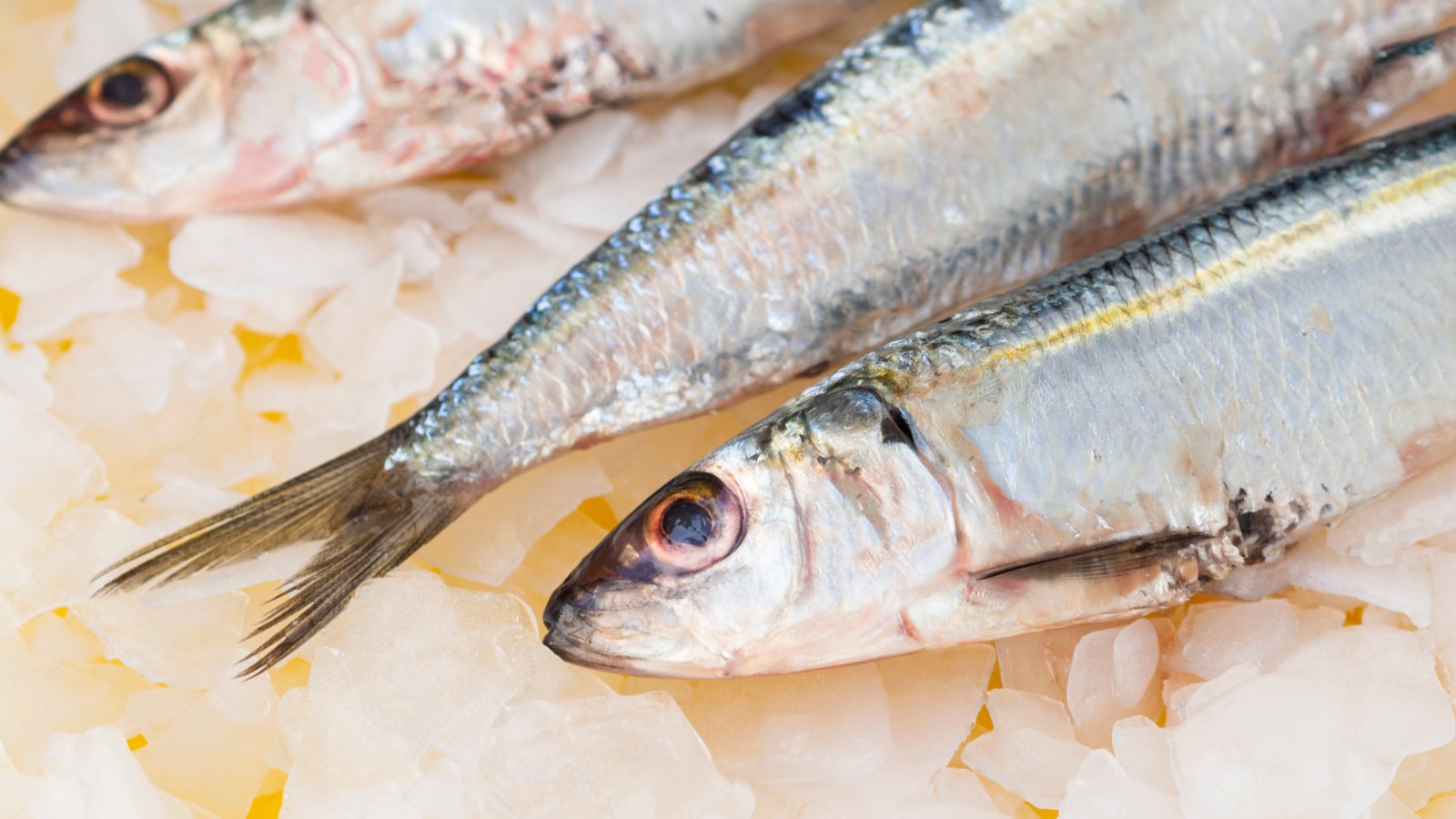
The original source mentions an Italian cohort study that is said to have followed around five thousand people for sixteen years. This study, whose exact results are not reproduced here, raised questions about the place of chicken in the diet. The Nidam al-Tayyibat did not wait for this publication before classifying chicken in the Red zone. According to the system, this classification is based on its own criteria, not on the conclusions of a single study.
Cohort studies observe associations, not causes. The Nidam al-Tayyibat does not base its classifications on statistical correlations. According to the system, the classification of foods is based on a notion of purity and suitability specific to its approach. This distinction explains why an epidemiological study is not enough to change a zone.
The conventional nutrition viewpoint remains divided: many professionals consider chicken to be a lean meat suitable for many diets. The system departs from this. This divergence does not mean that one side is wrong or right, but that the classification criteria differ.

Why is chicken classified in the Red zone in the Nidam al-Tayyibat?
According to the system, foods are divided into five frequency zones: Green, Yellow, Orange, Purple and Red. The Red zone corresponds to foods that the system excludes, that is to say those it never recommends. Chicken (Red) appears in this zone. Diaa Al-Awadi, the Egyptian physician behind the system, defined these zones without publishing clinical study figures to justify each classification.
The system contrasts tayyib (good) foods with khabith (impure) foods. Chicken is considered not to belong to the tayyibat. To better understand this vocabulary, you can read the article Khabith: what the word means, and what it excludes.
The system also excludes other meats: Pork (Red), Duck (Red), Turkey (Red) and Goose (Red). According to the system, these foods are not part of the tayyibat, that is, the good and pure foods it retains. Commercial chicken is mentioned here only to indicate that it is excluded; the system proposes no frequency of consumption.
The absence of chicken from the diet may be surprising, because it is a common meat. Nevertheless, the system offers other sources of animal protein, split between the Green zone and the Orange zone, which we detail below.
What are the authorised alternatives to chicken?
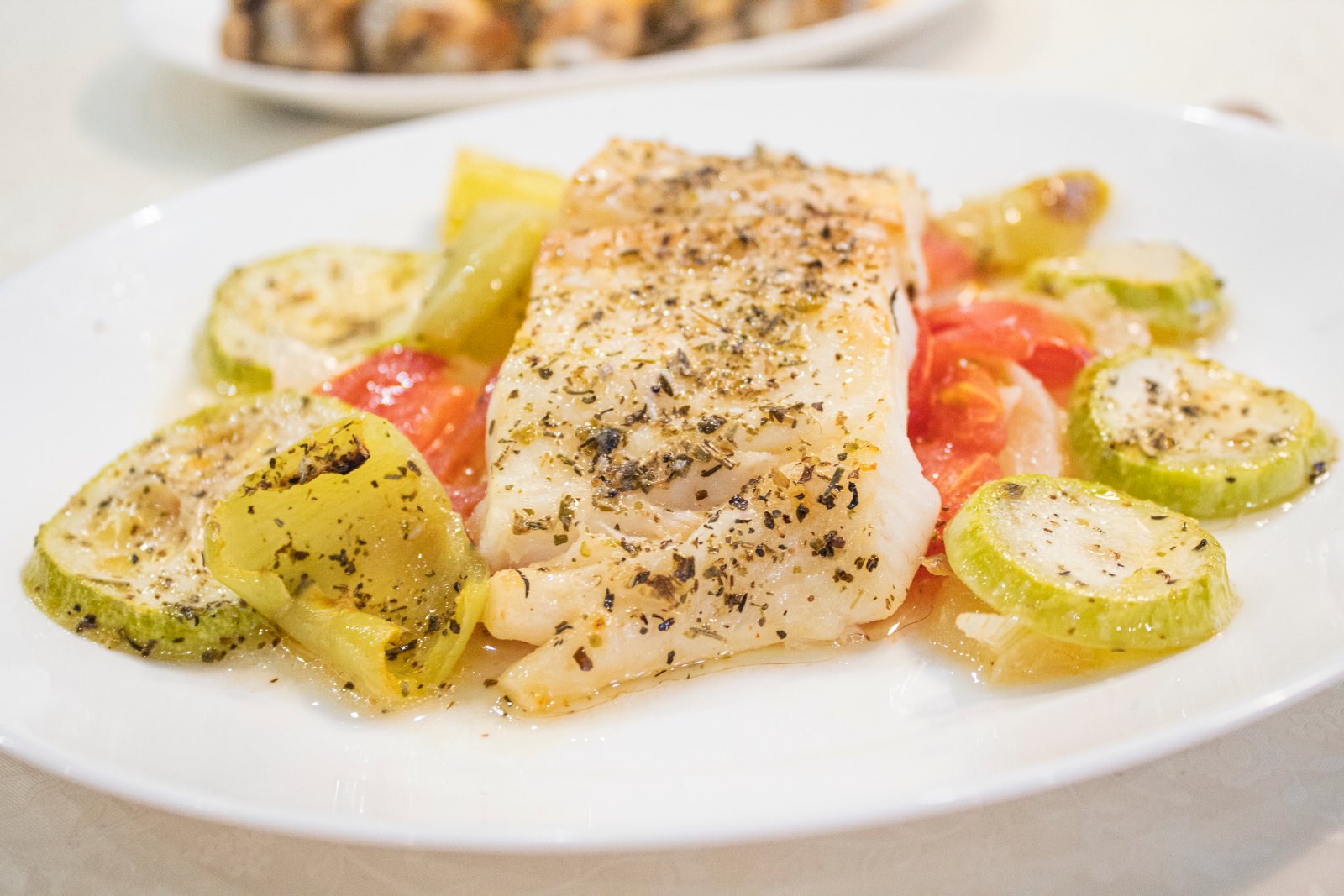
According to the system, chicken can be replaced by several foods of animal origin. Here are the main alternatives, with their zone and their condition where applicable:
- Sea fish (preferably grilled) (Green): preferably grilled, or fried without flour.
- Rabbit (Green): authorised without particular conditions.
- Quail (Green): authorised without particular conditions.
- Pigeon (Green): authorised without particular conditions.
- Lamb / mutton (Orange): twice a week, portion shared with goat and camel.
- Goat meat (Orange): twice a week, portion shared with lamb and camel.
- Camel meat (Orange): twice a week, portion shared with lamb and goat.
- Beef (Orange): once a week, portion shared with buffalo.
These foods are presented with their frequency, as indicated by the system. Bulgur (Green), Rice (basmati, white) (Green) and Potato (Green) can accompany them.

How to replace chicken in everyday meals?
Replacing chicken requires a little organisation, but the system provides concrete pointers. The site team suggests the following ideas, which respect the zones:
- Prepare grilled sea fish with basmati rice and authorised cooked vegetables, such as Squash / pumpkin (Green).
- Use lamb or goat meat twice a week, respecting the stated sharing, in a slow-cooked dish with authorised spices.
- Cook rabbit in a stew, accompanied by potatoes and a drizzle of olive oil.
- For meat-free days, compose a plate with Bulgur (Green), Potatoes (Green) and cooked Mushrooms (Green).
These suggestions do not come from Dr Diaa Al-Awadi, but from the site team. They rely only on authorised foods.
It is advisable to vary animal protein sources and not to shift all consumption onto Red meat. The system reminds us that Orange meats are limited in frequency, while sea fish and Green zone meats can be eaten more regularly, according to the rules specific to each meal.

Points to watch when replacing chicken
Removing chicken must not lead to shifting all consumption onto Red meats or processed foods. Here are a few points to keep in mind:
- The system limits Lamb / mutton (Orange) to twice a week, shared with Goat meat (Orange) and Camel meat (Orange).
- Beef (Orange) must not exceed once a week, shared with buffalo.
- Peanuts (Purple) are to be reserved for very rare occasions.
- Almonds (Yellow) must remain plain and unsalted, eaten in moderation.
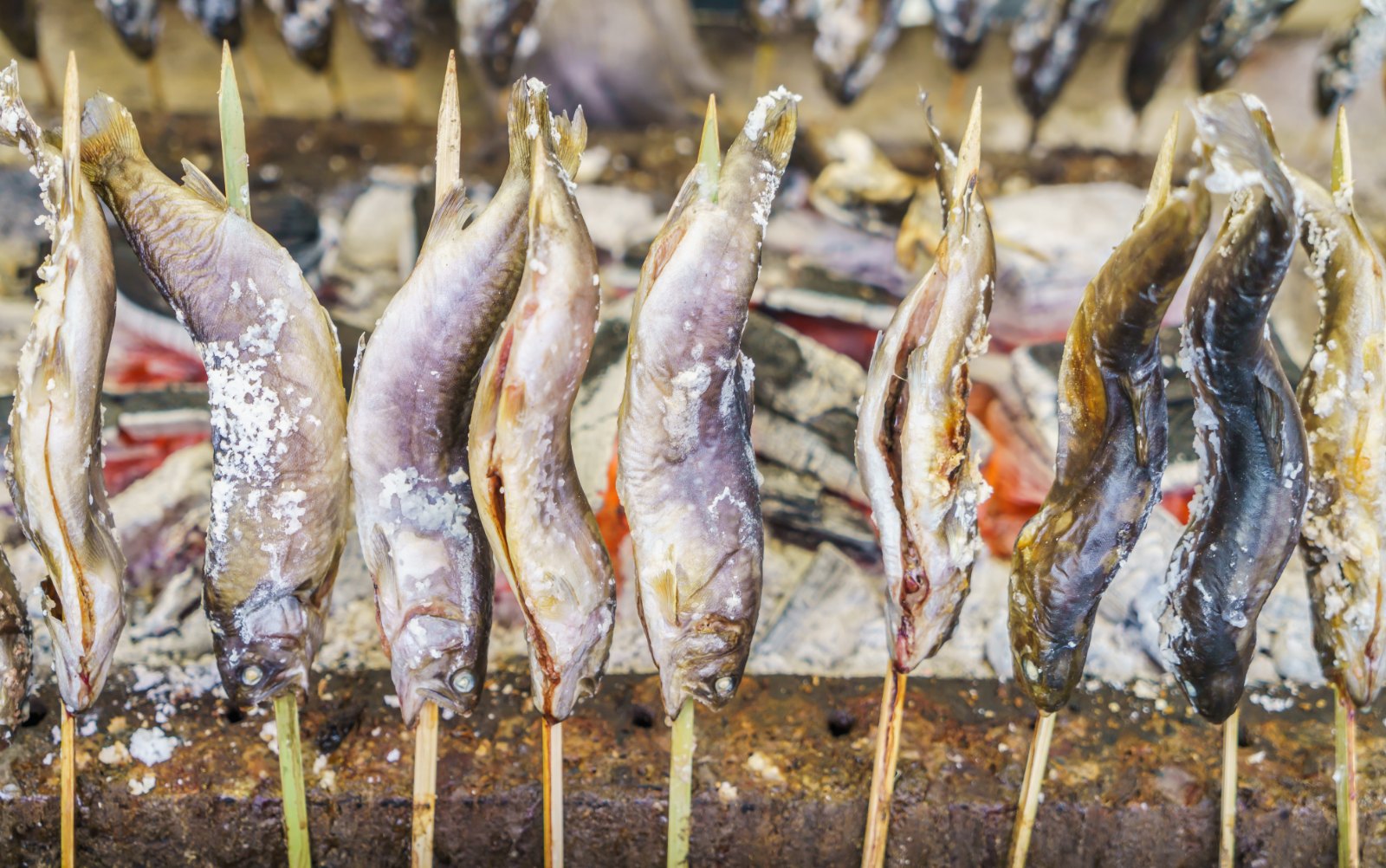
- Sea fish (preferably grilled) (Green) is a frequent alternative, but its preparation should favour grilling or cooking without flour.
This list helps to avoid imbalances. It does not replace reading the detailed fact sheets for each food.
Summary table: chicken excluded, authorised alternatives
The table below compares chicken with a few authorised alternatives. The zones and conditions are those of the Nidam al-Tayyibat.
| Food | Zone | Condition / note |
|---|---|---|
| Chicken | Red | Excluded by the system |
| Sea fish (preferably grilled) | Green | Preferably grilled, fried without flour |
| Rabbit | Green | Authorised without particular conditions |
| Quail | Green | Authorised without particular conditions |
| Lamb / mutton | Orange | Twice a week, portion shared with goat and camel |
| Beef | Orange | Once a week, portion shared with buffalo |
| Peanuts | Purple | Very rarely |
| Almonds | Yellow | In moderation, plain and unsalted |
This table shows that the system does not leave an empty space: it offers foods in the Green and Orange zones to cover animal protein needs, while keeping chicken in the Red zone.
Frequently asked questions
Is chicken really forbidden in the Nidam al-Tayyibat?
Yes. According to the system, Chicken (Red) is classified in the Red zone, which means it is excluded. The system proposes no frequency of consumption for this food. This is not a simple limitation, but a complete removal from the list of authorised foods.
Can you eat free-range or organic chicken?
The system does not document a distinction between commercial, free-range or organic chicken in its current classification. The Red zone classification applies to chicken in general. If any doubt remains, it is best to refer to the food fact sheet and to the rules of the system.
Which meats replace chicken on a daily basis?
According to the system, Sea fish (preferably grilled) (Green), Rabbit (Green), Quail (Green) and Pigeon (Green) are Green zone alternatives. Red meats such as Lamb / mutton (Orange) or Beef (Orange) are authorised with limited frequencies.
Does the Italian study change the classification of chicken?
No. The Italian study of sixteen years and five thousand people is a point for discussion, but it does not alter the Nidam al-Tayyibat classification. According to the system, chicken remains in the Red zone. The system's criteria are not based on this study.
Does the system forbid all poultry?
The system excludes several types of poultry: Chicken (Red), Duck (Red), Turkey (Red) and Goose (Red). In contrast, Quail (Green) and Pigeon (Green) are authorised in the Green zone. They can therefore be eaten more freely, according to the meal rules.
Sources
This article is based on the subject covered at the following address: https://tayibat.org/blog/chicken-and-cancer. Information on the zones and conditions comes from the site's food fact sheets. No numerical results from the Italian study are reproduced here, because the system publishes none and the site does not reproduce them directly.
To go further
- Tayebat diet (al tayebat, taibat, tayabat): what it is
- Every other day: the Tayyibat protein rule
- Nidam al-Tayyibat recipes: composing meals
- Critique of the Nidam al-Tayyibat: the debate
Disclaimer
This article does not replace medical advice. Consult a health professional before changing your diet, particularly if you are being treated for a chronic illness, if you are pregnant or if you are breastfeeding. Children, adolescents and older people must receive particular attention. In the event of a deficiency, a digestive disorder or any nutrition-related question, seek individual medical advice.