What to eat in the evening to lose weight is a question Nidam al-Tayyibat, the eating system described by Dr Diaa Al-Awadi, does not pose in those terms: it does not count calories and promises no weight loss. It does, however, have a precise way of building dinner, with its food palette and its evening rules. This article reports what the system says about the evening meal, offers dinners built only from the site's food database, gives the view of conventional nutrition, and states plainly what the method does not guarantee.
Why dinner counts in a weight-loss effort
According to conventional nutrition, no single meal makes you gain or lose weight: what counts is the balance between what you eat and what you spend over time. Dinner nevertheless deserves particular attention for a practical reason: it is the meal where attention slips most, with generous portions, a rich dish eaten late, and screen-side snacking added on top of the meal itself.
The Tayyibat system approaches the evening differently. It does not distinguish dinner from other meals by its composition, but by three of its daily rules that weigh more heavily at night than at midday:
- The two-hour rule. At least two hours between the last bite of one eating occasion and the first of the next. In the evening, that means a dinner finished at 8.30 p.m. closes the day: the fruit, the dates or the tea taken "in passing" at 10 p.m. count as a new occasion.
- Stopping before full satiety. The sources phrase the rule two ways: stop "20% before total satiety", or "leave a quarter of the plate". Leave the table light, above all before the night.
- Eating only when hunger is real. The system sets no dinner time. Someone who is not hungry in the evening does not dine "because it is time".
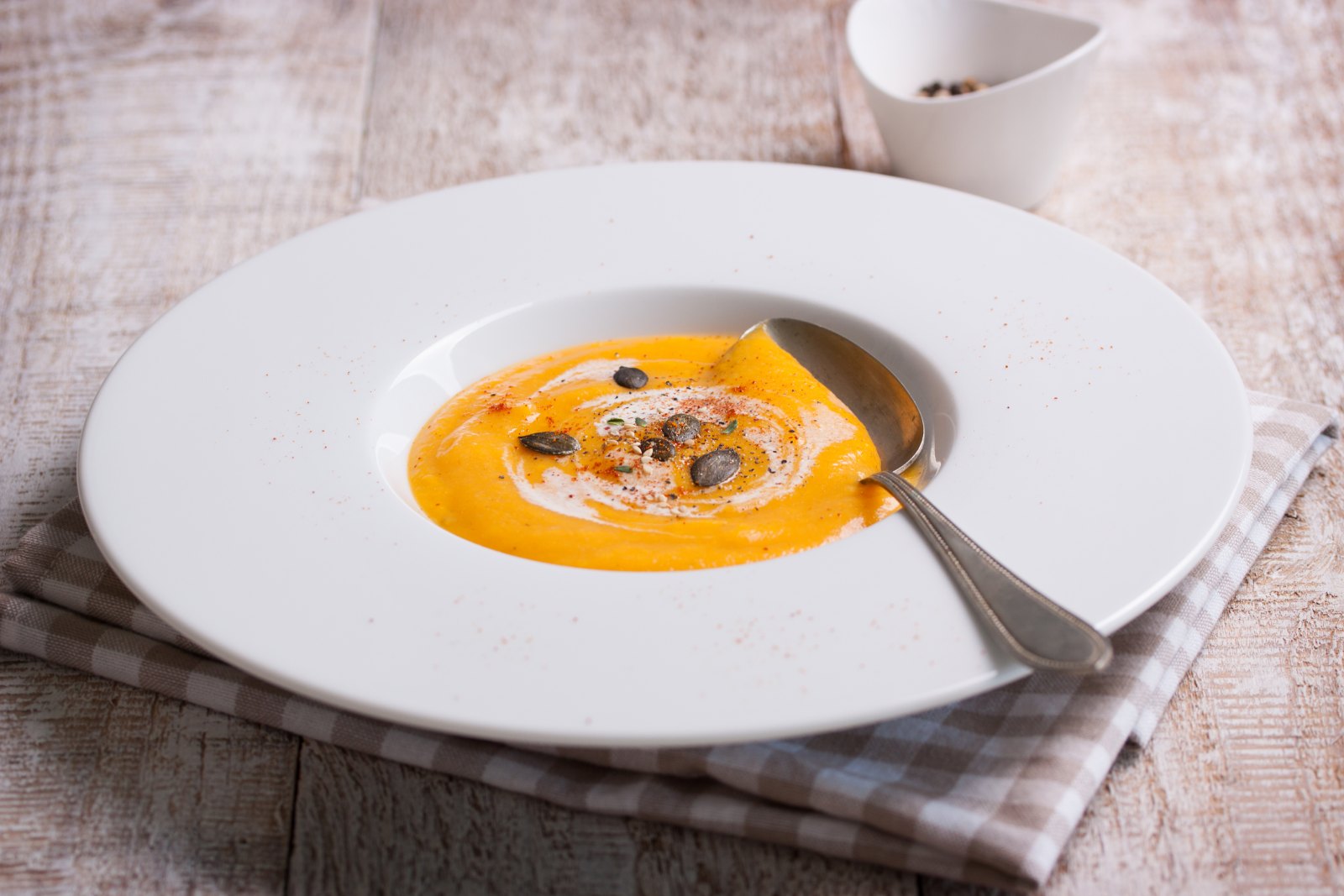
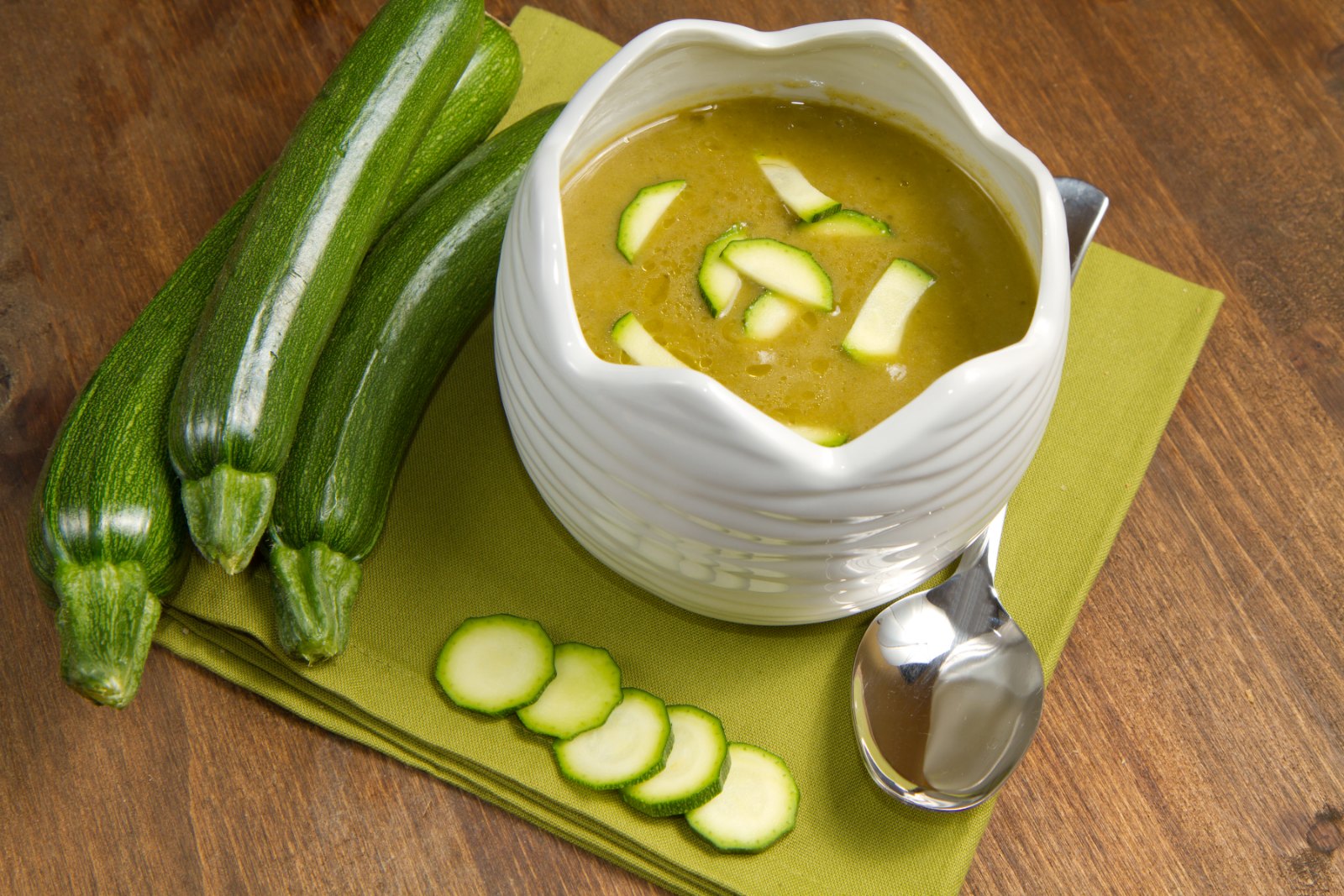
The method adds its own explanation: according to it, about two hours after the last bite the body enters what it describes as a "repair" or "burning" phase, which the night would prolong. That explanation is the system's own; it is validated by no medical institution and this site reports it for documentary purposes. The typical dinner the sources describe for a meat-free day is a squash soup (green, cooked) with butter (green), served with roasted pumpkin seeds (green) and a slice of bran toast (green).
What the system removes from the usual "slimming dinner"
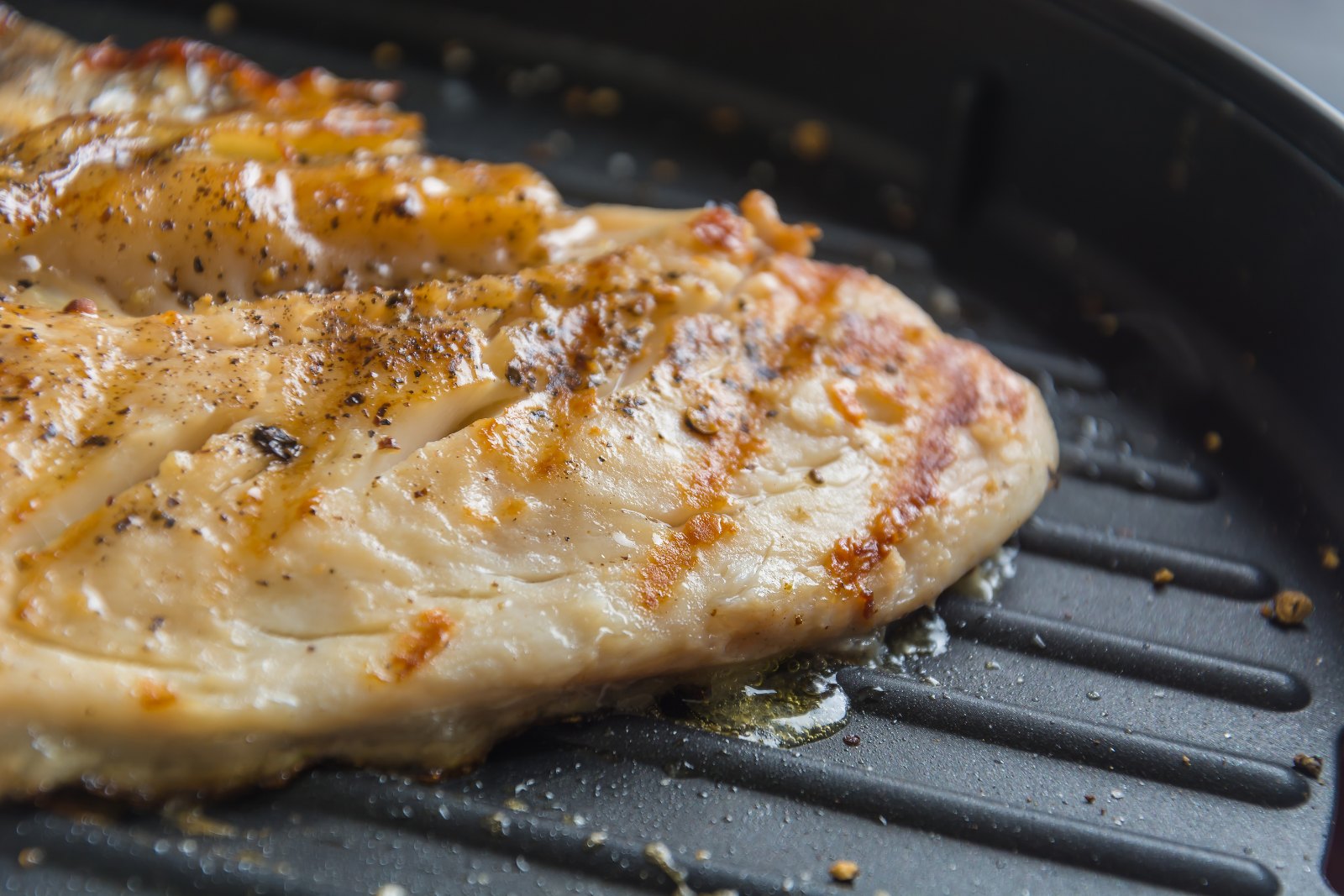
The light dinners usually recommended rest on foods the system places in the red zone. The composed salad and raw vegetables (raw greens, lettuce, cucumber, raw tomato) are excluded: according to the method, the admitted vegetables are always eaten cooked. The omelette and eggs are excluded, as are grilled chicken, plain yoghurt and legume soup, lentils or harira. Wholemeal bread is not documented and falls under the whitelist rule; quinoa and brown rice are red zone. Conventional nutrition holds these foods to be useful bases for a filling dinner, in particular for their fibre and protein; it is one of the points on which the method is disputed.
The principles of a light, filling dinner
The system's sources do not speak of a "light dinner". They describe simple meals, and the evening is when that simplicity shows most.
1. Two or three elements, no more
The typical formula of a meal according to the system: a base starch, rice (green) or potato (green); an admitted protein if it is a "yes" day; a natural fat — butter, smen (green) or olive oil (green). On "no" days, animal protein gives way to an aged cheese such as kashkaval (green) or roumi cheese (green).
2. Simple cooking
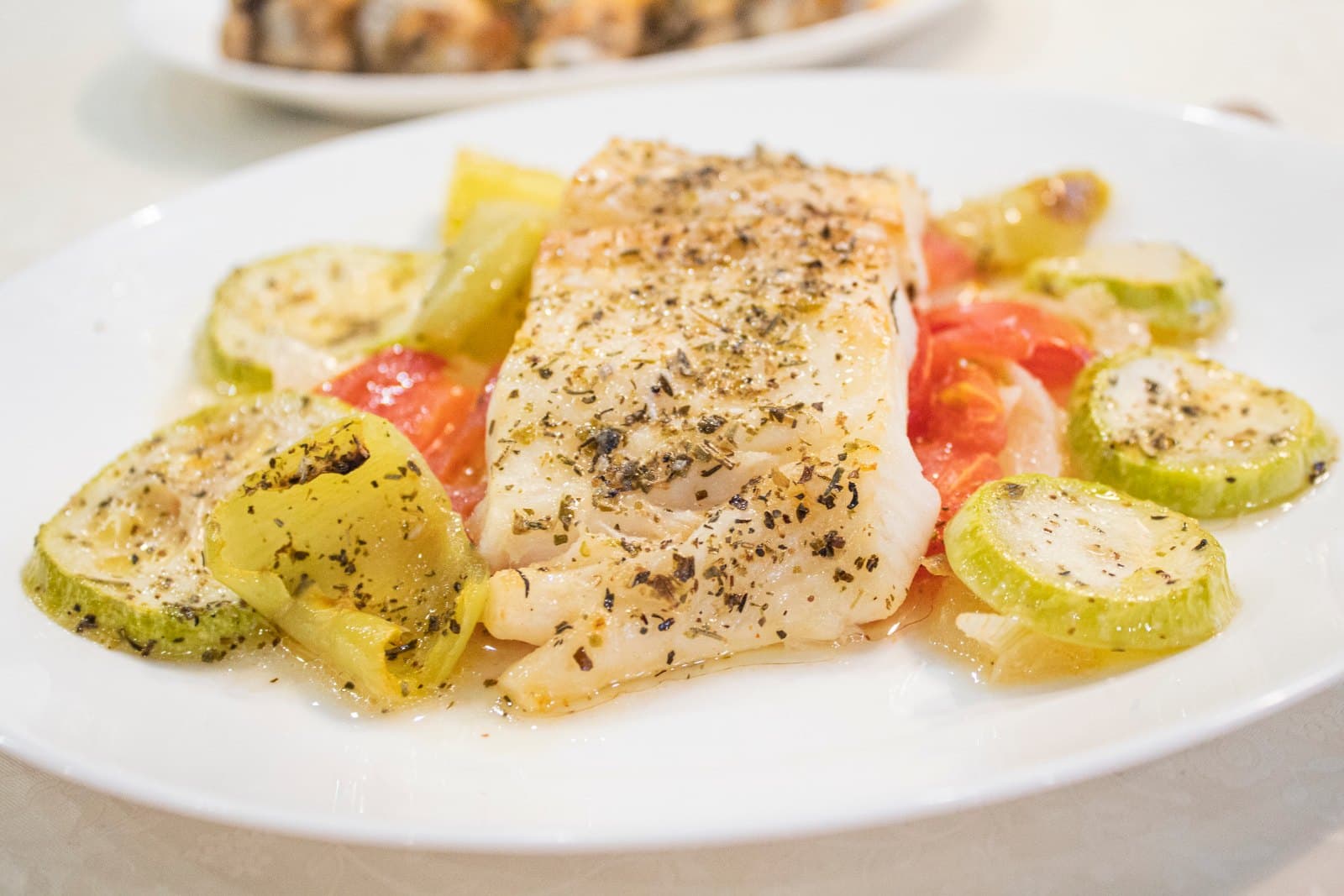
Boiled, steamed, oven-baked, grilled, or fried in an admitted fat. On the evening of a "yes" day, sea fish (green, grilled for preference, fried without flour) is the simplest choice in the palette: grilled with salt and cumin (green), without lemon, without onion or garlic, all three red zone. A little cane vinegar (yellow, in small quantity) can replace the lemon.
3. A cooked vegetable at every dinner
The admitted vegetables are eaten only cooked, according to the system: squash (green, cooked), courgette (yellow, cooked, never raw), mushrooms (green, cooked), carrot (orange, cooked only), aubergine (orange, cooked only), tomato (orange, cooked for preference, in sauce). As a soup, roasted in the oven or stewed in a cooked tomato sauce, they bring the volume of the meal.
4. Dessert and drink straight away
Fruit, dates and the infusion are taken during the meal or immediately after, not an hour later. That is how the two-hour rule closes the evening.
What to eat in the evening to lose weight: dinner examples
The dinners below are taken from the menus of the site's programme. Every food is green or yellow zone, except the orange foods flagged with their condition. The system gives no quantities: it relies on hunger and satiety.
| Day type | Dinner | Dessert or drink |
|---|---|---|
| "yes" | oven-baked sea fish, potatoes and cooked carrots (orange, cooked only) | grapes (green) |
| "yes" | salt-grilled sardines (yellow, fresh, on protein days), steamed potatoes with butter, a few olives (orange, in small quantity) | infusion without milk |
| "no" | squash soup with butter, bran toast, roumi cheese | dates (green, one to six a day) |
| "no" | oven potatoes with smen, a slice of kashkaval | strawberries (green) |
| "no" | rice with butter, sautéed mushrooms, processed cheese | banana (green) |
| "no" | roasted sweet potato (green), kashkaval | green tea (green, without milk) |
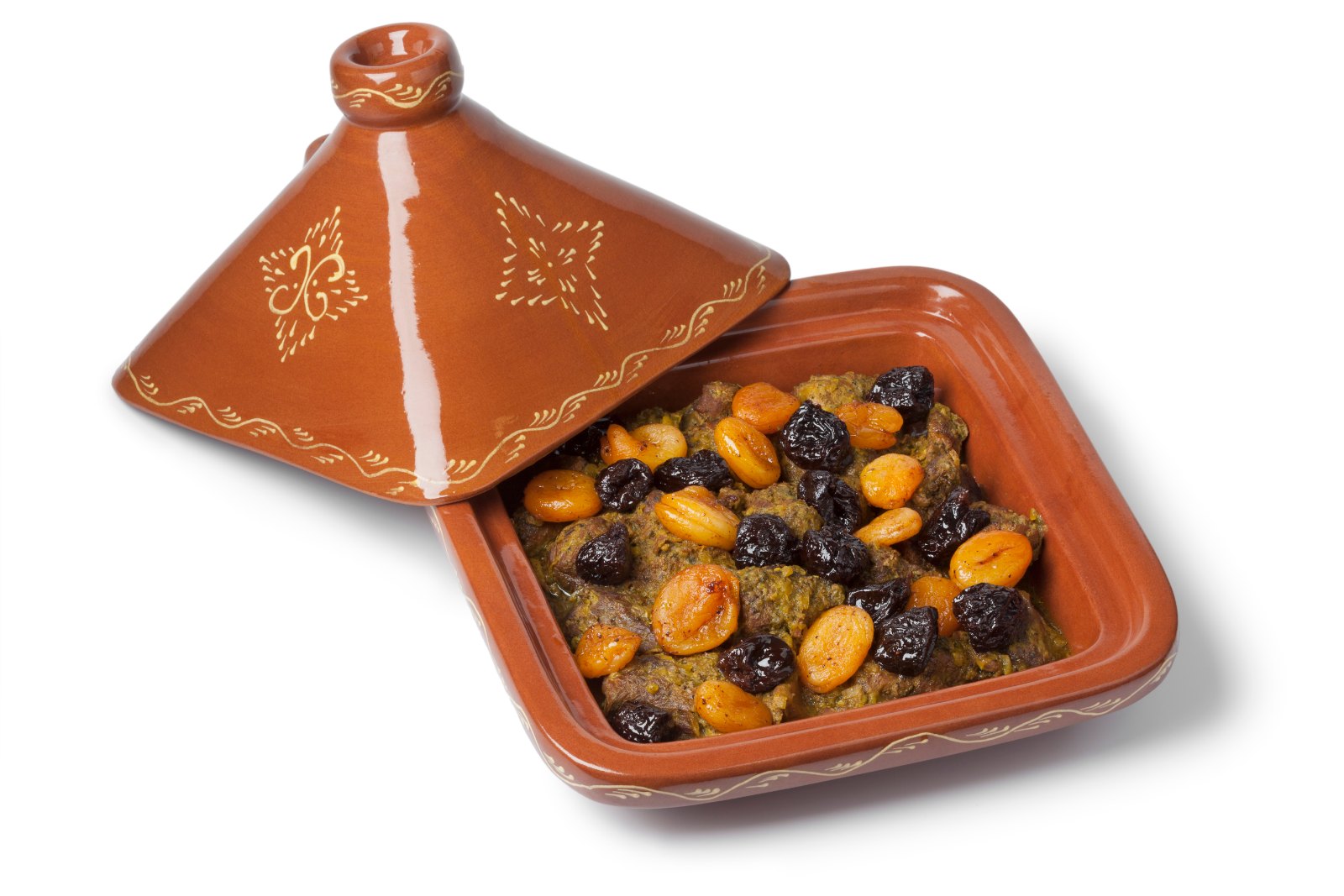
A stew also has its place in the evening. Lamb with dried apricots (orange, two meals a week, an allowance shared with goat and camel), boiled then seared in smen according to the red-meat "method" reported by one source, with dried fruit (green) and saffron rice, appears at lunch in the site's menus; nothing in the sources forbids serving it at dinner, but it uses up one of the week's two lamb meals, and a meat meal does not share the plate with fish.
Three express menus for the week
For evenings with no time, three dinners can be made in under half an hour with foods from the palette:
- "No" day: a courgette soup (yellow, cooked) with butter, blended in twenty minutes, with a bran toast and some roumi cheese.
- "Yes" day: salt-grilled sardines with potatoes cooked in advance.
- "No" day: rice with butter, sautéed mushrooms and a slice of grilled mozzarella (green).
The system's sources advise keeping a "starch base" in the fridge — cooked rice and boiled potatoes — so that dinner never depends on improvisation.
Expert tips for your evening meals
The tips below come from the system's rules and from the menus of the site's team; they are not medical advice, and "slimming" is the word of the question asked, not of the method, which promises nothing about weight.
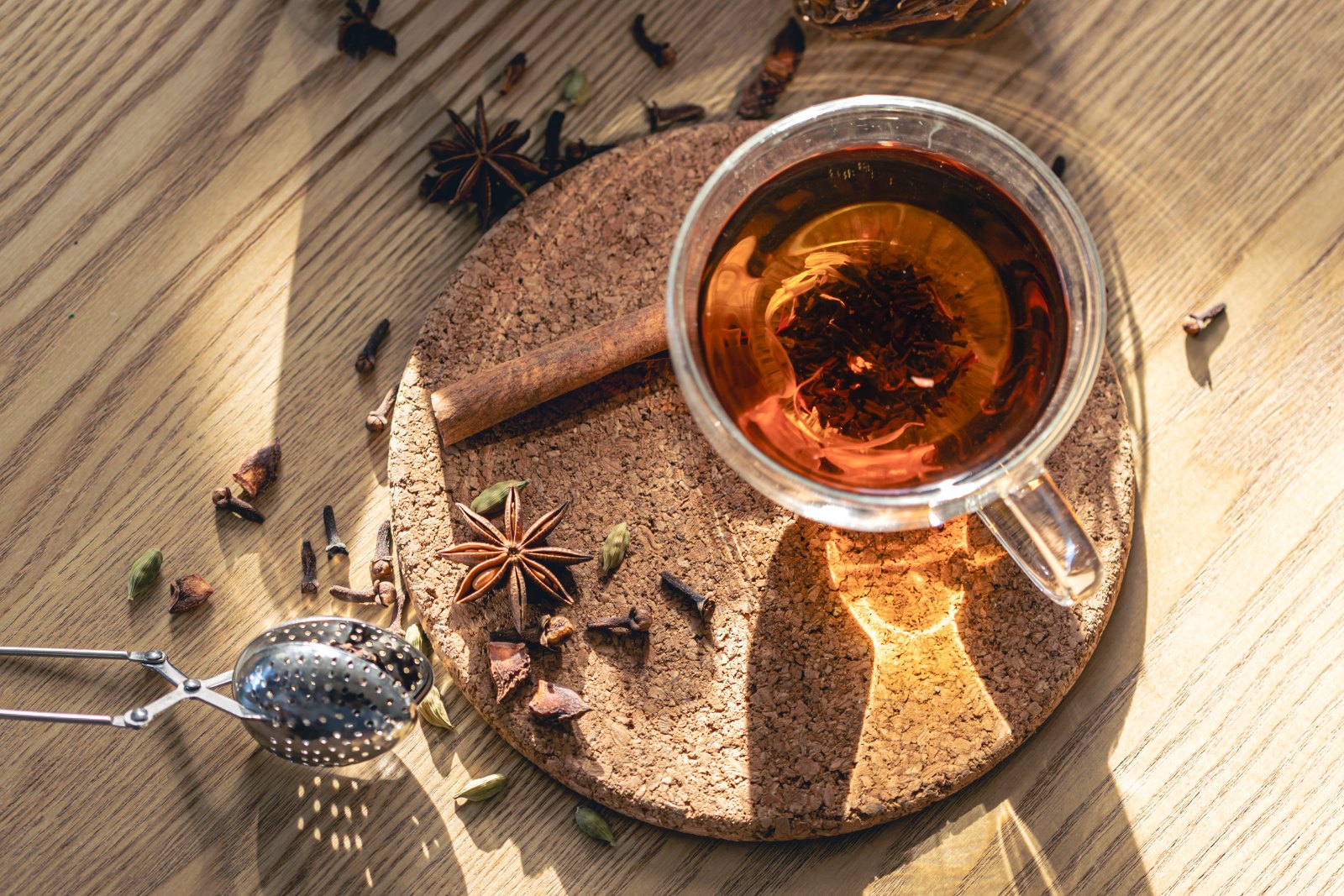
- Close the meal with an infusion. An infusion of cinnamon or anise (green, without milk; cinnamon yellow, in small quantity), taken right after dinner, replaces the sweetened tea at 10 p.m. and respects the two-hour rule.
- Do not drink during the meal. The sources place water (green) between eating occasions, in small sips, lukewarm for preference, and advise against iced drinks.
- Keep a repeatable dinner. Two or three dinners that come back every week last better over time than a new dish every evening.
- Leave a quarter of the plate once hunger is gone. It is the fourth of the eleven rules, and the one that replaces all portion counting in the system.
- Walk after dinner. The system asks for daily movement, a walk rather than a brutal programme.
What the system does not promise
The site's guide answers the question "does the system make you lose weight?" in one sentence: we do not know, and no one has measured it in published work. The system removes processed foods, bread and sugary drinks, which can lower energy intake in some people; it adds white rice, butter, dates and, for those who follow it on that point, white sugar (green according to the system), which can raise it in others. That last pillar is the most disputed point of the method among medical institutions, along with the place of white rice and dates.
A person with diabetes or prediabetes, a pregnant woman, a child or someone on treatment must not change the composition or the timing of their dinner according to this system without their doctor; a treatment is never modified or stopped because of an eating system. Dietitians also flag the protein and fibre intake of "no" days, built without legumes, without eggs and without raw vegetables.
Frequently asked questions
What should you eat in the evening to lose weight quickly?
The system offers nothing "quick" and promises no result on weight. Its typical dinner holds two or three elements of the palette: an admitted starch, a cooked vegetable, an admitted protein on "yes" days or an aged cheese on "no" days. Conventional nutrition recalls that no single meal makes you lose weight.
Should starches be cut out in the evening?
No, according to the system: white rice and potato are two of its five daily pillars and appear at most dinners in the site's menus. Conventional nutrition sees them as high-glycaemic-index starches, to be watched by people with diabetes, above all in large amounts.
At what time should you dine according to Nidam al-Tayyibat?
The system sets no time. It asks you to dine when hunger is real, to stop before satiety, then to take nothing more for at least two hours. For someone whose treatment depends on meal times, the hour of dinner is a matter for the doctor.
Is a soup in the evening compliant with the system?
Yes, provided it is made of admitted vegetables cooked without onion or garlic: squash soup, pumpkin with ginger, or courgette, with butter. Lentil soups, chickpea soups and harira are excluded, legumes being red zone.
Do Moroccan dinners have a place in this system?
Some of them. Grilled sardines, oven-baked fish, lamb stewed with dried fruit, courgettes stuffed with rice, mint tea and dates are in the palette. Khobz, couscous, harira, the Moroccan salad of raw tomatoes and cucumber, and chicken tagine are left out.
Further reading
The two-hour rule explains how the evening closes after dinner, and the rule "one day yes, one day no" determines which evenings animal protein is possible. The article on the five food zones explains why courgette is yellow and carrot orange, and the one on the admitted cheeses details the cheeses of meat-free dinners. Every entry in the food database gives the zone, the condition and the position of conventional nutrition.
Disclaimer
This article describes an eating system for information. It does not replace medical advice. In case of illness, ongoing treatment, pregnancy or diabetes, talk to your doctor before any change of diet.