
A calorie deficit means taking in, over time, less energy than you spend, so that the body draws on its reserves and weight goes down. Nidam al-Tayyibat, the eating system described by Dr Diaa Al-Awadi, never reasons in calories, however: it replaces the calculation with rules of behaviour — real hunger and stopping before satiety — and with a palette of foods.
This article first explains the mechanism of the calorie deficit as conventional nutrition presents it, then the way the system approaches it without naming it, relying solely on the guide and the site's food database. It also recalls the reservations of medical institutions about that palette.
What is a calorie deficit?
The principle is simple. The body spends energy continuously, to function at rest, to digest and to move. Food brings that energy, measured in calories. When intake exceeds expenditure over time, the surplus is stored, largely as fat; when intake stays below expenditure, the body mobilises its reserves and weight goes down. That second case is what we call a calorie deficit.
Two clarifications are needed:
- a calorie deficit is not visible at the scale of a meal or a day: it builds over weeks, and the number on the scale also varies with retained water or digestive content;
- it says nothing about the quality of what you eat: two plates can bring the same energy and very different nutrients.
This article gives neither a formula for calculating needs nor a numerical target: the sources documented on this site offer none, and those estimates are a matter for a dietitian or a doctor.
What Nidam al-Tayyibat says about weight
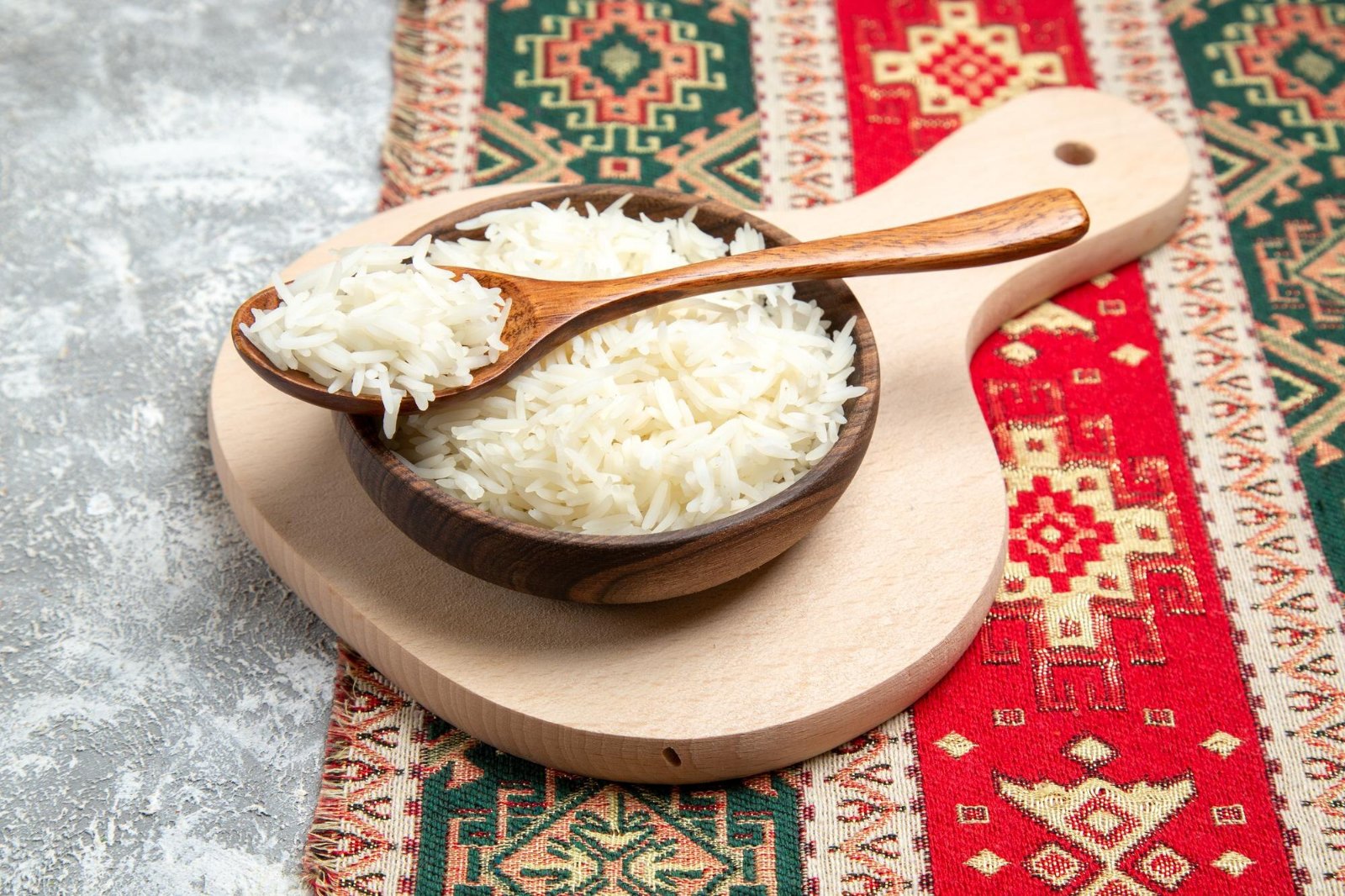
The system does not present itself as a slimming diet but as a "philosophy of the body". The site's guide is clear on the question that interests the reader: does it make you lose weight? No one has measured it in published work. The system does not count calories; it sharply reduces processed foods, bread and sugary drinks, which can lower energy intake in some people, and it adds rice, butter, dates and sugar, which can raise it in others. The site reports no testimonial and no result figure.
It must also be said plainly that the system is disputed by medical institutions. Three of its five daily pillars — white rice (green), dates (green, 1 to 6 a day according to the system) and white sugar (green, 5 to 15 tablespoons a day according to a single source) — run counter to public-health recommendations on free sugars. A person with significant excess weight, with diabetes or prediabetes, pregnant or on treatment must not apply this system without their doctor, and must never modify or stop a treatment because of an eating method.
The table sums up the place of the five daily pillars in the system and the conventional-nutrition view of each, from the point of view of energy intake.
| Daily pillar | Frequency or condition according to the system | Conventional view |
|---|---|---|
| White rice (green) | without restriction | common starch, to be served in measured portions; high glycaemic index |
| Potato (green) | without restriction | same reading; chips and crisps, admitted by the system, are to be limited |
| Dates (green) | 1 to 6 a day | very sweet dried fruit; a few units stay moderate for a healthy person |
| Natural butter (green) | as needed | saturated fat, energy-dense, to be limited in favour of vegetable oils |
| White sugar (green) | 5 to 15 tablespoons a day according to a single source | free sugars to be kept under 10% of daily energy; the most disputed point of the system |
How to calculate your deficit: getting the amount right
There is no calculation in Nidam al-Tayyibat. The "amount", for it, rests on two of the eleven daily rules, which replace all portion counting.
Real hunger as the starting point
By its third rule, the system asks you to eat only when hunger is real and physical, not out of habit, boredom or stress. It sets no meal times: eating three times a day "because it is time" is described by its sources as a needless burden.
Stopping before full satiety
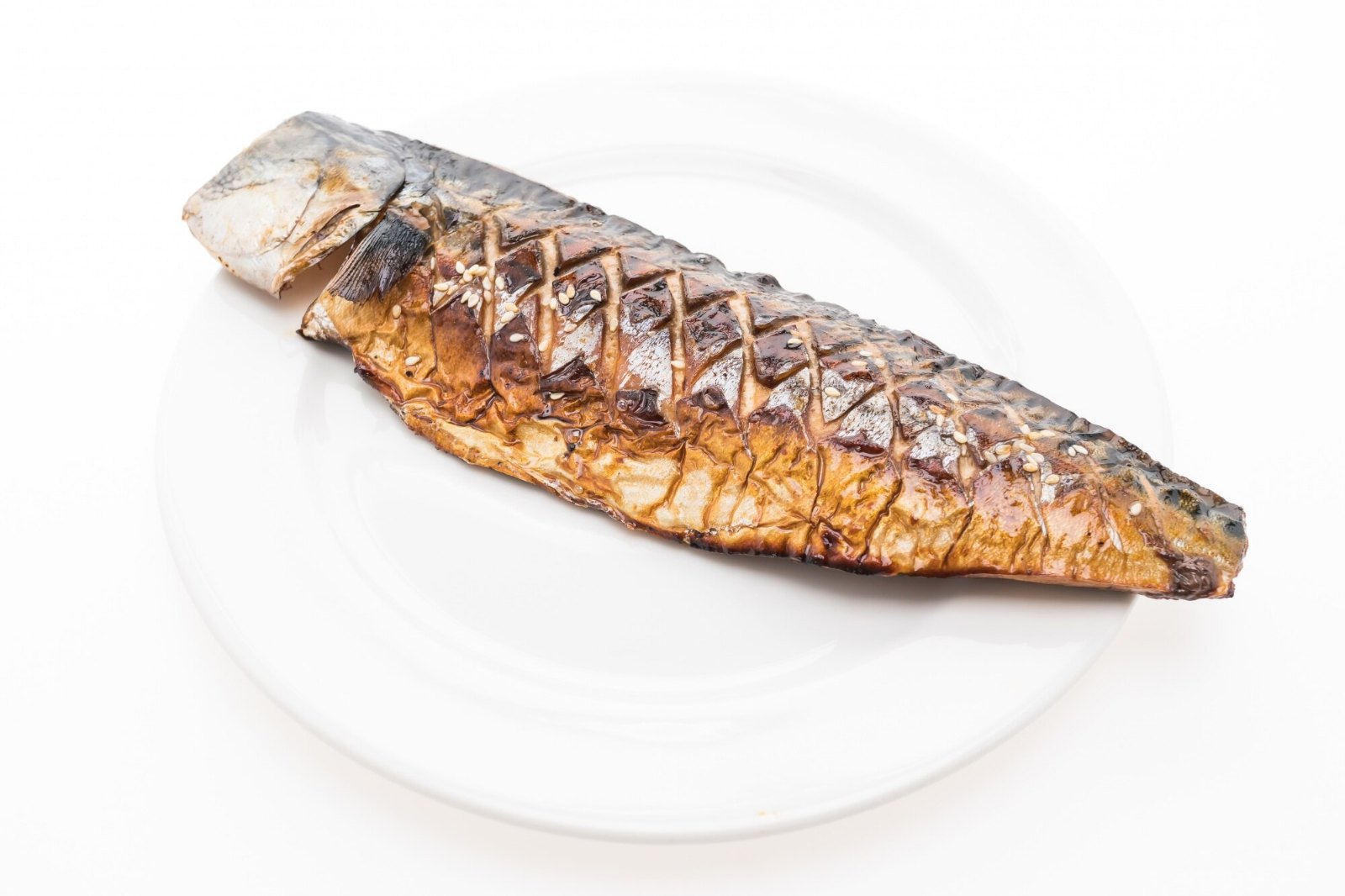
The fourth rule is phrased two ways by the sources: stop "20% before total satiety", or "leave a quarter of the plate". The meaning is the same: leave the table light, with no feeling of heaviness. That is the gesture shown by a plate served by hand, without scales, with a piece of sea fish (green, grilled for preference) and a portion of roasted squash (green, cooked).
For conventional nutrition, these two rules go in the direction of reduced intake, but they guarantee nothing: you can stop before satiety while still eating plenty of energy-dense foods. That is why a dietitian prefers to estimate needs, at least at the start.
Applying a calorie deficit without counting every calorie

The system offers a complete method for eating without weighing. It comes down to four points, all drawn from the eleven rules and the palette.
Simple meals, two or three elements
The fifth rule sets the format of the meal: a base starch, rice (green) or potato (green), an admitted protein if it is a protein day, a natural fat — butter (green), smen (green) or olive oil (green) — and a cooked vegetable. No industrial sauces, no dozens of ingredients in a single dish. A tagine of fish and cooked vegetables, made with little fat, answers that format exactly.
Moroccan cooking within the palette
Moroccan cooking lends itself well to that format, provided the palette is respected. A compliant tagine brings together sea fish, courgette (yellow, always cooked), carrot (orange, cooked only) and a tomato sauce (orange, cooked in sauce for preference), seasoned with salt, cumin and black pepper (green), with a few olives (orange, in small quantity). It is cooked without onion or garlic, both red zone, and without fresh lemon, also set aside; preserved lemon (orange, in small quantity) replaces it. Salt-and-cumin grilled sardines (yellow, fresh, on protein days) are the other great compatible classic.
Three everyday dishes, on the other hand, fall outside the palette:
- couscous (red, refined wheat semolina), replaced by rice, freekeh (green) or bulgur (green);
- harira, which the system leaves out along with all legumes (red), replaced by a squash soup;
- white bread (red), whose only admitted exception is bran toast (green).
Drinks and snacking
The system sets aside sodas (red) and industrial juices (red). The base drink is still water (green), taken by thirst, lukewarm for preference, with no quota. Green tea (green, without milk) and mint tea (green) are admitted; the food database recalls, however, that it is the usual amount of sugar in Moroccan tea that deserves attention. Fruit juices (yellow) are admitted by the method, but conventional nutrition notes that a juice concentrates the sugars and loses the fruit's fibre.
As for snacking, the two-hour rule makes it visible: once a meal is over, at least two hours must pass before any new eating occasion, and every bite restarts the counter. That rule is not designed to cut calories, but it forces everything eaten — dessert and tea included — into the meal.
The green zone is not a limitless zone
This is the most important point for anyone interested in a calorie deficit. According to the system, the green zone indicates a frequency allowed day to day, not an unlimited quantity. Crisps (green) are admitted by the system, but conventional nutrition files them among the fried, calorie-dense foods to limit. Qechta (green) is a very fatty cream, reserved elsewhere for occasional use. Halva (green) is rich in sugar and fat. Honey (green) remains a free sugar. Almonds (yellow) are, for their part, explicitly "in measure". For someone seeking a calorie deficit, the entries in the food database give both readings every time, the system's and classical nutrition's.
What a calorie deficit does not do on its own

The system does not speak of energy expenditure, but its tenth rule asks for daily movement: a daily walk or simple exercises, with no brutal sports programme in the first week. According to the method, that movement maintains the "internal combustion", vocabulary of its own that no institution has validated. Conventional nutrition also recommends regular physical activity, for reasons that go beyond weight.
Two other points. A deficit obtained by removing whole families of foods raises the question of nutrients: the site's guide recalls that excluding legumes, eggs and poultry makes protein intake harder to secure on meat-free days, and that dietitians raise a flag on this. And the system itself advises against changing everything at once: its transition spreads over four weeks, and its sources warn that the first week may come with fatigue or headaches. A symptom that persists is a matter for the doctor.
The most common mistakes
- Believing "green zone" means "as much as you like". The zone gives a frequency; the fourth rule, stopping before satiety, gives the measure.
- Turning the two-hour rule into a fast. Two hours is a minimum, not a target to stretch. The system does not ask you to skip meals.
- Judging on one week. One source of the system suggests weighing once a week, no more.
- Applying the system without medical advice. Replacing bread with rice and dates, and introducing sugar, changes blood sugar.
Frequently asked questions
Does Nidam al-Tayyibat ask you to count calories?
No. The system never reasons in calories or grams, with a few exceptions: dates, one to six a day, sugar, quantified by a single source, and red meats, rationed by the week. According to the method, real hunger and stopping before satiety are enough to settle the amounts.
Can you be in a calorie deficit while following the system?
Perhaps, but nothing guarantees it. The system removes bread, processed products and sugary drinks, which often reduces intake, but it adds rice, butter, dates and sugar, which can raise it. No one has measured it in published work, and the site promises no result.
How many calories do you need to lose weight?
This article gives no figure, because its sources contain none and the estimate depends on the person. A dietitian or a doctor can calculate needs and propose a suitable target, taking health status into account.
Are the five pillars compatible with weight loss?
White rice and potato are common starches, to be served in measured portions; dates are a very sweet dried fruit; butter is a saturated fat; daily white sugar contradicts every official recommendation.
Should you see a doctor before trying?
Yes, in case of diabetes, prediabetes, pregnancy, breastfeeding, chronic illness or ongoing treatment, and for children and older people. The system itself refers to the doctor, and modifying or stopping a treatment is never on the table.
Further reading
The article on the five food zones of Nidam al-Tayyibat explains the difference between frequency and quantity. The two-hour rule details the rhythm of eating occasions, and the rule "one day yes, one day no" the spread of protein across the week. The article on the mistakes that block weight loss goes over the most common traps. Finally, every entry in the food database gives the zone, the condition and the view of classical nutrition.
Disclaimer
This article describes an eating system for information. It does not replace medical advice. In case of illness, ongoing treatment, pregnancy or diabetes, talk to your doctor before any change of diet.