
Organising the week's meals is, by the admission of the Nidam al-Tayyibat sources themselves, the part of the system that demands the most effort: the eating system described by Dr Diaa Al-Awadi alternates days with and without animal protein, rations red meats and requires two hours between eating occasions. This article offers a method in six steps, built from the site's food database, the guide and the programme menus.
Why organising meals changes everything

In conventional nutrition, organising meals mainly saves time and helps you eat better. In this system, it is a condition of compliance. Three rules impose it.
- The whitelist. Only explicitly admitted foods enter the palette. An unprepared kitchen produces meals outside it: a white bread (red) sandwich, an omelette of eggs (red), a salad of raw vegetables (red).
- The "one day yes, one day no" alternation. Animal protein is eaten every other day, or three to four days a week, and red meats have weekly allowances: two meals for lamb (orange, shared with goat and camel), one meal for beef (orange, shared with buffalo). The site's programme advises mapping the week "on a sheet of paper" before shopping.
- The two-hour rule. Every eating occasion is decided in advance; dessert and tea are taken with the meal.
Organisation does not make the system equivalent to a balanced diet in the sense of medical institutions. They dispute the daily place of white rice (green), dates (green, one to six a day) and white sugar (green, a daily amount according to the system), and the exclusion of legumes, eggs and raw vegetables. This article organises the system's week; it does not recommend it to a person with diabetes, a pregnant woman, a child or someone on treatment without their doctor's advice.
Step 1 — Set up a weekly planning ritual

The ritual is a fixed appointment, the same day every week, before the shopping.
Choose your day and your slot
The day before the main shop suits best: Friday evening or Saturday morning in Morocco, Sunday in France for many. Thirty minutes is enough. Those who follow the system's voluntary fasting (Monday and Thursday) take it into account in the number of meals to plan; that practice is never undertaken without medical advice in case of treatment, pregnancy or illness.
The four stages
- Review the past week: what was cooked, what was thrown away, which meat allowances were used.
- Lay down the skeleton: the "yes" and "no" days, then the protein of each "yes" day, counting the allowances.
- Fill in the meals from a short list of known dishes (see the article on creating a weekly menu).
- Write the shopping list aisle by aisle.
Step 2 — Use a planning template (to print)

The template below takes the first week of the site's programme. It shows the logic, not quantities: the system does not weigh portions.
| Day | Type | Morning | Midday | Snack | Evening |
|---|---|---|---|---|---|
| Monday | yes | bran toast, butter, honey; green tea | white rice, grilled sardines (yellow), squash roasted in butter | 3 dates, black coffee | oven potatoes with smen, kashkaval |
| Tuesday | no | rice with butter and sugar, cinnamon; black coffee | potatoes sautéed in smen and cumin, cooked courgettes; grapes | peeled apple, almonds | squash soup, bran toast, roumi cheese |
| Wednesday | yes | bran toast, jam, cheddar; mint tea | rice, oven-baked sea fish (green), cooked carrots | pear, a few walnuts | mashed potato with butter; strawberries |
| Thursday | no | halva, roumi cheese; black coffee | white rice, sautéed mushrooms, roasted sweet potato | dates, green tea | steamed potatoes, grilled mozzarella; banana |
| Friday | yes | bran toast, butter, honey; green tea | rice, lamb boiled then seared in smen (orange, 1st of the 2 meals), squash | grapes, almonds | bran toast, butter, processed cheese |
| Saturday | no | qechta and honey on bran toast; mint tea | courgettes stuffed with rice, cooked tomato sauce (orange, cooked) | dates, black coffee | home-made chips, kashkaval; infusion |
| Sunday | yes | bran toast, cheddar; green tea | rice, pigeon (green) roasted in butter, potatoes | peeled apple, cashews | squash soup, bran toast, roumi cheese |
How to read this template
Four "yes" days, three "no" days. The lamb allowance is opened once, the beef allowance not at all; the other "yes" days rest on sardine, sea fish and pigeon, which are not rationed by the week. The dinners of "yes" days stay without animal protein, and every snack comes at least two hours after the meal. All foods are green or yellow zone, except the three flagged orange.
Adapting the template to your life
Lunch eaten out? The guide suggests grilled fish with rice or potatoes, without lemon (red), without onion (red) or garlic (red), which the system sets aside. An evening with no time? Bran toast, aged cheese, fruit: a compliant dinner that comes back several times in the programme menus.
Step 3 — Organise the shopping logistics
A list aisle by aisle
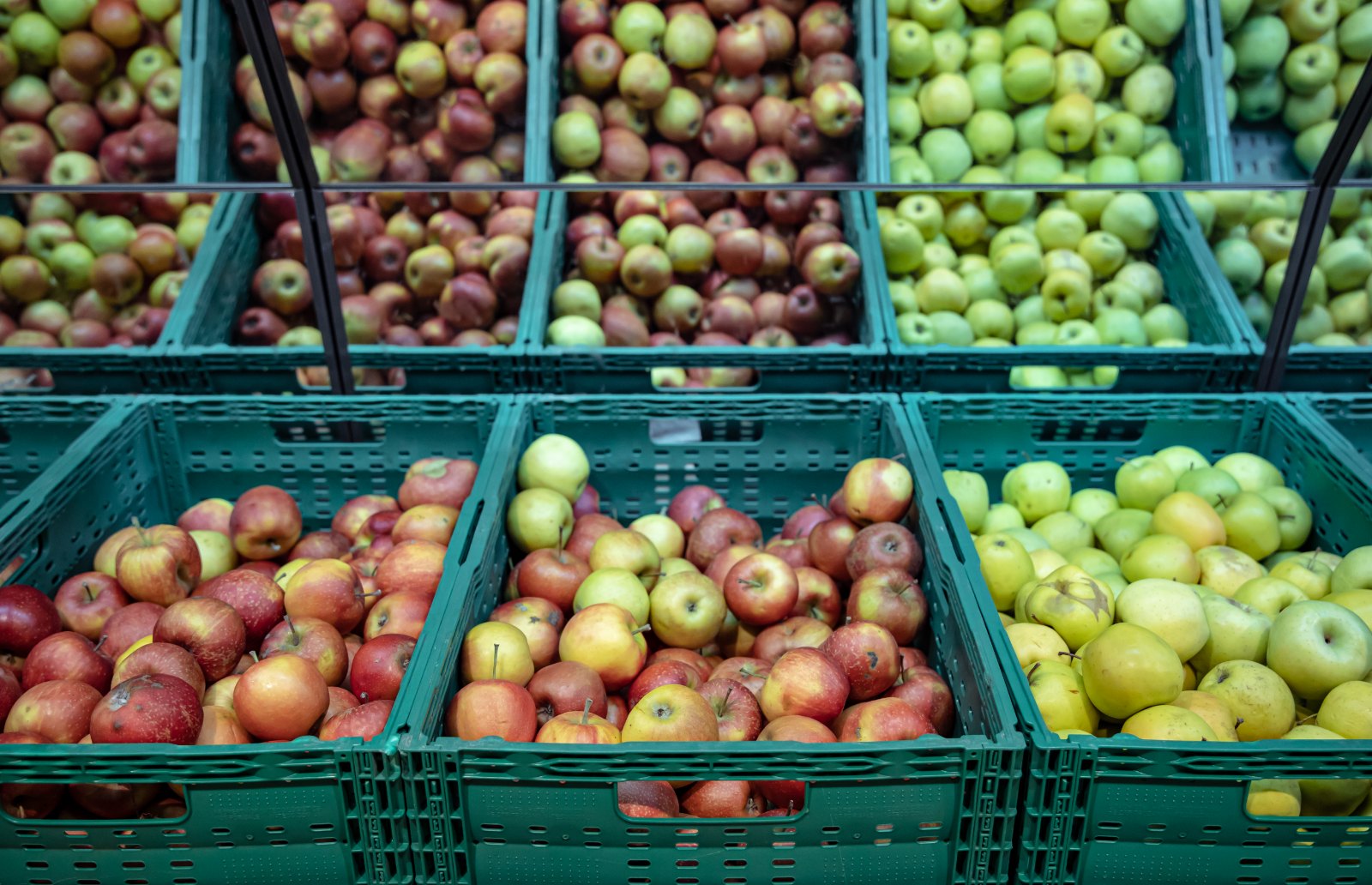
The site's guide gives the system's basic shopping list, which each week of the programme fills out with quantities. The aisles: starches (rice (green), potatoes (green), sweet potato (green), bran toast (green), freekeh (green)); fats (butter (green), smen (green), olive oil (green)); sweet things (dates, honey (green), jam (green)); aged cheeses (kashkaval (green), roumi cheese (green), cheddar (green), qechta (green)); "yes" day proteins; vegetables to cook (squash (green, cooked), courgette (yellow, cooked), carrot (orange, cooked only), mushrooms (green, cooked), tomatoes for the sauce); fruit from the palette; plain nuts; drinks without milk.
Pacing the purchases
Starches, fats, aged cheeses and nuts keep for weeks; fish is bought the day before a "yes" day, red meat once a week, within its allowance.
Step 4 — Organise the fridge and the store cupboard

The "starch base"
This is the most concrete advice in the system's sources, repeated from the first week of the programme: keep a pot of cooked rice and boiled potatoes in the fridge. A compliant meal then comes together in ten minutes — sautéed in smen and cumin (green), or reheated with a slice of aged cheese.
Clear zones
One shelf for aged cheeses, qechta and butter; one for vegetables to cook; one for dated leftovers; the fruit drawer for apples, pears and grapes (green). The store cupboard holds rice, bran toast, dates, honey, nuts, tea and coffee. The system sets aside milk (red), yoghurt (red), pasta (red), couscous (red) and legumes (red): they no longer have a place in the kitchen.
Step 5 — Coordinating family meals
The system is rarely lived alone at the table. Three markers help, and one limit applies.
- A visible plan on the fridge, with the "yes" days marked.
- Shared roles: one person cooks the starch base at the start of the week, another goes to the fish market on the "yes" day.
- One shared dish, not a à-la-carte kitchen: rice, grilled fish and roasted squash suit the whole table, and those not following the system add what they want.
The limit: every source of the system refers to a specialist consultation for children and for pregnant or breastfeeding women. The site's guide offers nothing for them, and neither does this article: children's meals are decided with the paediatrician, not with the system's planner.
Step 6 — Time-blocking: fitting cooking into the diary

Time-blocking means reserving fixed slots in the diary for cooking. The system lends itself to it: according to the method, the cooking modes are simple — boiled, steamed, oven, grill, or fried in an admitted fat, without onion or garlic.
- One long slot at the start of the week (one hour): the starch base, a squash soup with butter, the red meat boiled then seared in smen, a cooked tomato sauce.
- Two short slots mid-week (twenty minutes): grilled fish or salted sardines, the cooked vegetable of the day.
- Dinners with no cooking: bran toast, aged cheese, fruit, an infusion, on busy evenings.
Cooking at fixed times also serves the two-hour rule: every mouthful tasted while cooking restarts the countdown.
Frequently asked questions
How long does it take to organise the week's meals under the system?
Thirty minutes of planning, one hour of cooking at the start of the week and two twenty-minute slots. The first week asks more: you have to learn the palette and clear the cupboards of the excluded foods.
Which day should you plan on?
The day before the main shop. Those who follow the system's voluntary fasting on Mondays and Thursdays take it into account; that documented practice is not undertaken without medical advice in case of treatment, pregnancy or illness.
Does everything have to be cooked in advance?
No. The system advises a starch base in the fridge and simple meals of two or three elements; the rest is cooked day by day in twenty minutes, fish on the day itself.
How do you organise meals on a small budget?
The system's pillars are inexpensive: rice, potatoes, butter, dates, plus seasonal cooked vegetables and fresh sardine. The "yes" day protein is the main cost; the alternation limits it to three or four days a week.
Does this organisation suit a person with diabetes?
Not without their doctor. Medical institutions judge the system risky for people with diabetes, because of the white rice, the dates and the white sugar. The system itself asks you to consult the doctor and forbids stopping a treatment.
Further reading
The article on creating a balanced weekly menu details the composition of the meals this plan organises. The rule "one day yes, one day no" explains the meat allowances to count before shopping, and the two-hour rule the rhythm of eating occasions. The article on the cheeses the system admits helps fill the shelf for "no" days. Every entry in the food database gives the zone, the condition and the position of conventional nutrition.
Disclaimer
This article describes an eating system for information. It does not replace medical advice. In case of illness, ongoing treatment, pregnancy or diabetes, talk to your doctor before any change of diet.