A weekly meal plan PDF settles a question that comes up seven times a week: "what are we eating?" Instead of improvising in the morning or giving in to fatigue in the evening, you follow a grid decided in advance, printed on the fridge or open on your phone, with its shopping list.
This article gives you the two things readers are really looking for: a free, ready-to-print PDF, and the method for building your own. The proposed week has one particular feature: every food comes from the Nidam al-Tayyibat food database, in the green or yellow zone only. You can follow it as is or use it as a template.
Download the PDF (free, 1 A4 page, in French): Weekly meal plan — Tayyibat sample week. 7-day menus, a shopping list by aisle and a tracking grid. No sign-up required.
What the PDF contains
- A 7-day grid: breakfast, lunch, dinner and one snack, Monday through Sunday.
- Named, realistic dishes, Moroccan and Mediterranean cooking: grilled sardines, roast quail, zucchini stuffed with rice, squash soup, bran toast and roumi cheese.
- The matching shopping list, grouped by aisle: proteins, dairy, starches, cooked vegetables, fruits, pantry.
- A tracking grid to tick off, meal by meal, with a column for the two-hour rule.
- A reminder of the conditions: some yellow-zone foods come with a rule (plain almonds "in moderation," mango preferably as juice, apple preferably peeled).
The document is in readable black on white, designed to be printed and put up.
Why the PDF format works better than a note on your phone
- It doesn't change: the layout stays the same, on paper and on screen.
- It can be shared: the whole household follows the same week, which makes shopping simpler.
- It can be archived: you keep the weeks that worked well and rotate them.
- It can be read offline, in the kitchen, where decisions are made.
A written plan reduces mental load, limits waste (you buy what you are going to cook) and helps space out snacking, because the next meal is already known.
The sample week, day by day
Here is the content of the PDF's grid. Each food is linked to its entry, where you will find its zone, status and conditions. Portions adapt to your hunger and activity; the only fixed rule is a gap of at least two hours between two times you eat.
| Day | Breakfast | Lunch | Dinner | Snack |
|---|---|---|---|---|
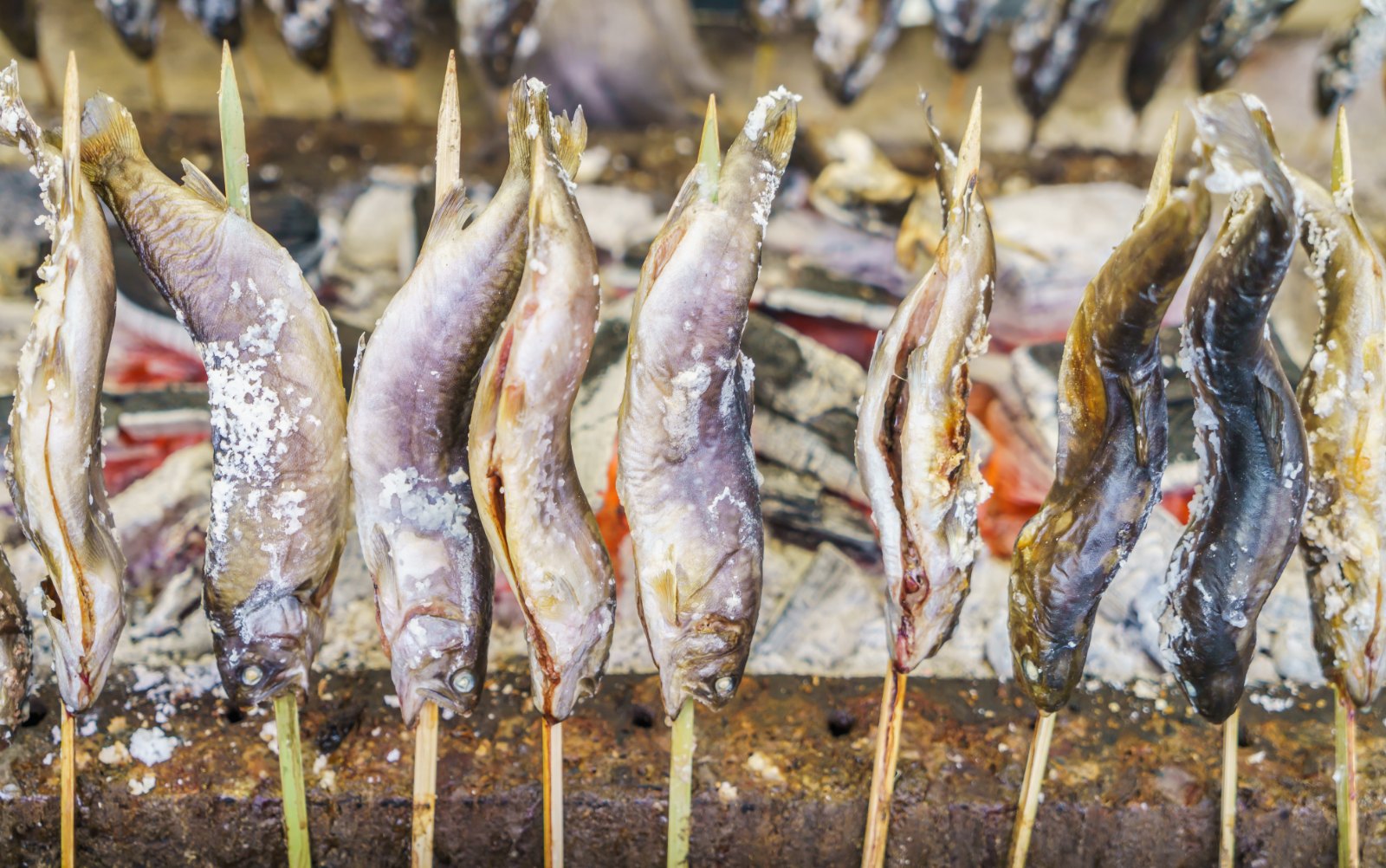
| Monday | Bran toast, roumi cheese, peach | Grilled sardines, cooked zucchini, bran toast | Roast pigeon or quail, baked pumpkin | Peeled apple, mint tea |
| Tuesday | Roumi cheese, 2 to 3 dates, coffee without milk | Grilled sea fish, bulgur, zucchini in sauce | Squash soup, bran toast, processed cheese | A handful of plain almonds, infusion |
| Wednesday | Bran toast, butter, natural honey, green tea | Stewed rabbit, steamed potatoes, cooked mushrooms | Grilled sardines, cooked taro, processed cheese | Banana, karkadé |
| Thursday | Qechta, dates, coffee without milk | Crab, basmati rice, zucchini | Pan-fried lamb liver, baked sweet potato | Grapes, mint tea |
| Friday | Kashkaval, bran toast, strawberries | Baked fish, frik, pumpkin | Mushroom soup, bran toast, mozzarella | Dried fruits (small portion), cinnamon infusion |
| Saturday | Bran toast, date paste, coffee without milk | Grilled quail, baked potatoes, zucchini stuffed with rice | Processed cheese, corn on the cob, cooked zucchini salad | Peeled pear, green tea |
| Sunday | Bran toast, qechta, apricots | Grilled fish, bulgur, mushrooms | Lunch leftovers (batch cooking) | Strained pomegranate juice, almonds |
What stands out compared with a conventional "balanced" menu: no white bread, no rolled oats, no legumes, no yogurt, no eggs, no raw vegetables. These are not oversights: these foods are in the red or orange zone in the system. The article on the five food zones explains this logic in detail.
The shopping list, by aisle
The PDF repeats this list as is. Cross off what you already have and adjust the quantities to the number of people.
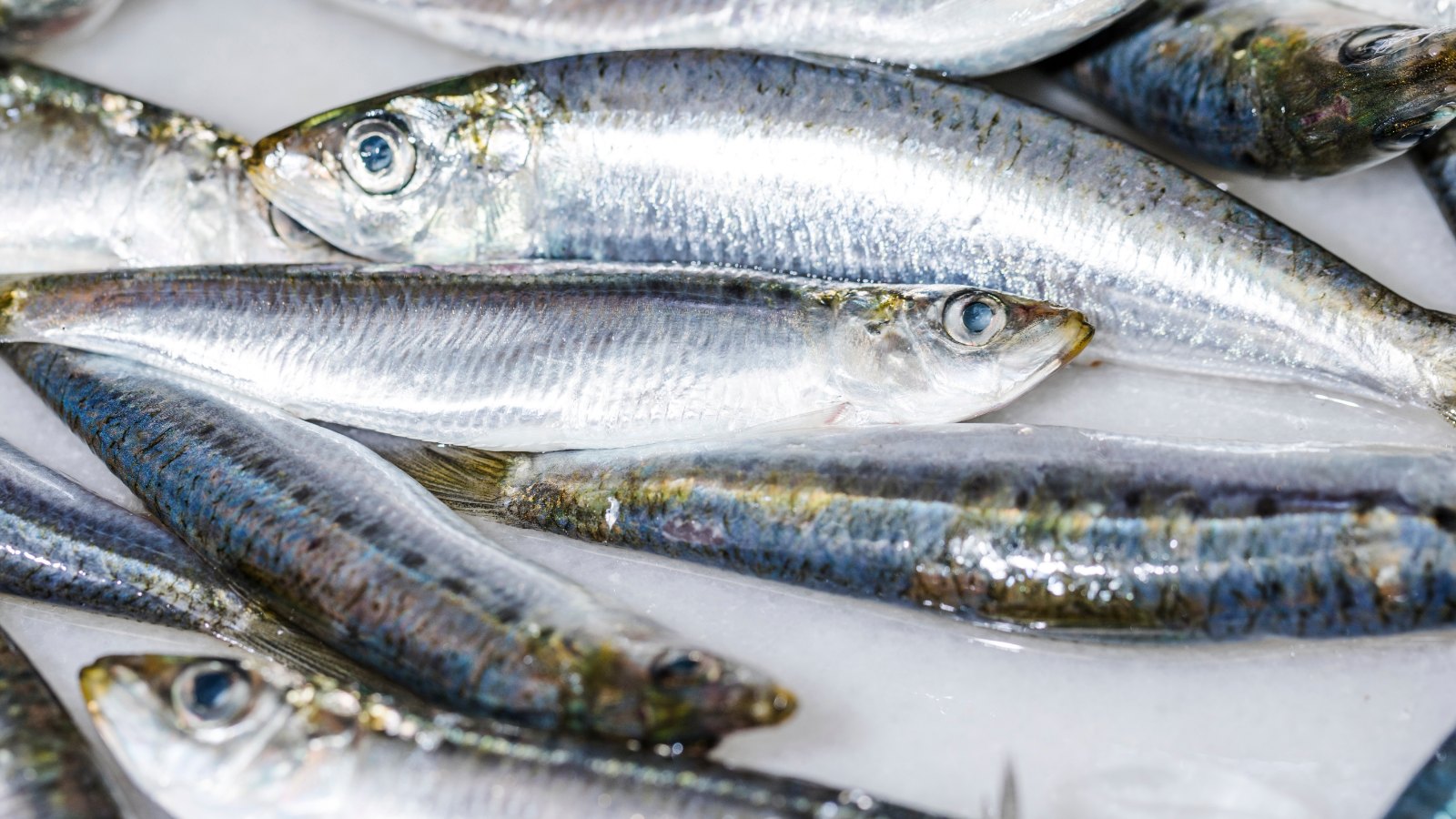
- Proteins: fresh sardines, sea fish (sea bream, sea bass, whiting…), pigeon or quail, rabbit, lamb liver, crab.
- Dairy: roumi cheese, processed cheese, kashkaval or mozzarella, qechta, natural butter.
- Starches: bran sandwich bread, bulgur, frik, basmati rice, potatoes, sweet potato, corn on the cob.
- Cooked vegetables: zucchini, squash or pumpkin, mushrooms, taro, ginger.
- Fruits: apples, pears, peaches, apricots, bananas, grapes, strawberries, dates, pomegranate.
- Pantry: olive oil, natural honey, plain almonds, green tea, mint tea, karkadé, cinnamon, cumin, pepper, salt.
How to build your own plan in six steps

The week above is a template. To redo it to your taste every Sunday, follow this order.
Step 1: draw the grid

Seven columns (Monday to Sunday), four rows (breakfast, lunch, dinner, snack). This is the skeleton of your PDF.
Step 2: place the proteins and cooked vegetables

For each lunch and dinner, first choose a protein from the Proteins category in the green or yellow zone (sea fish, sardines, quail, pigeon, rabbit, lamb liver, crab), then a cooked vegetable (zucchini, squash, mushrooms, taro). Rotate the proteins over the week.
Step 3: add the starch and set the breakfasts
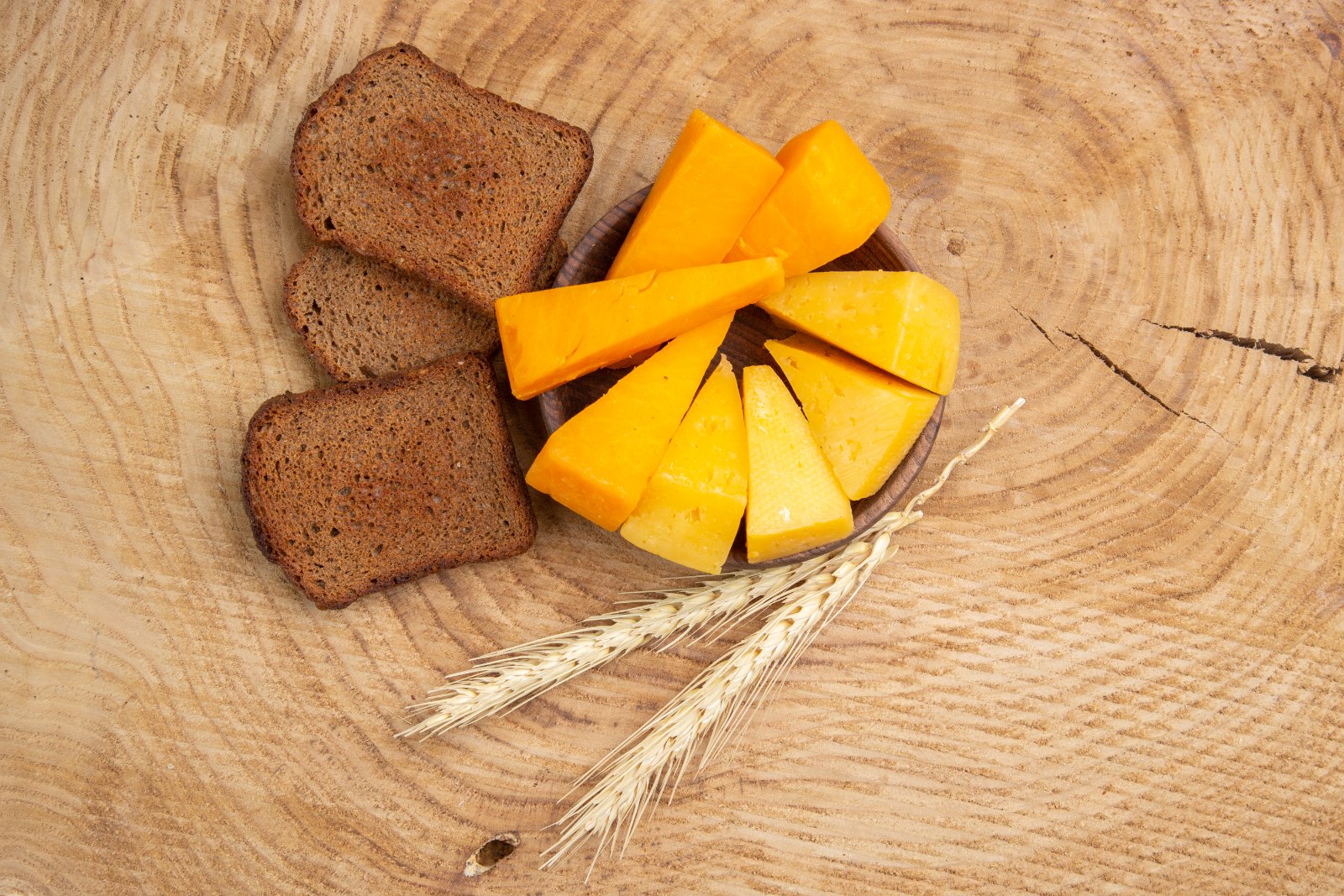
One starch per main meal from those allowed: bran toast, bulgur, frik, basmati rice, potato, sweet potato, corn. In the morning, repeat a simple formula you like (bran toast + roumi cheese + fruit): repetition saves time.
Step 4: plan leftovers and batch cooking
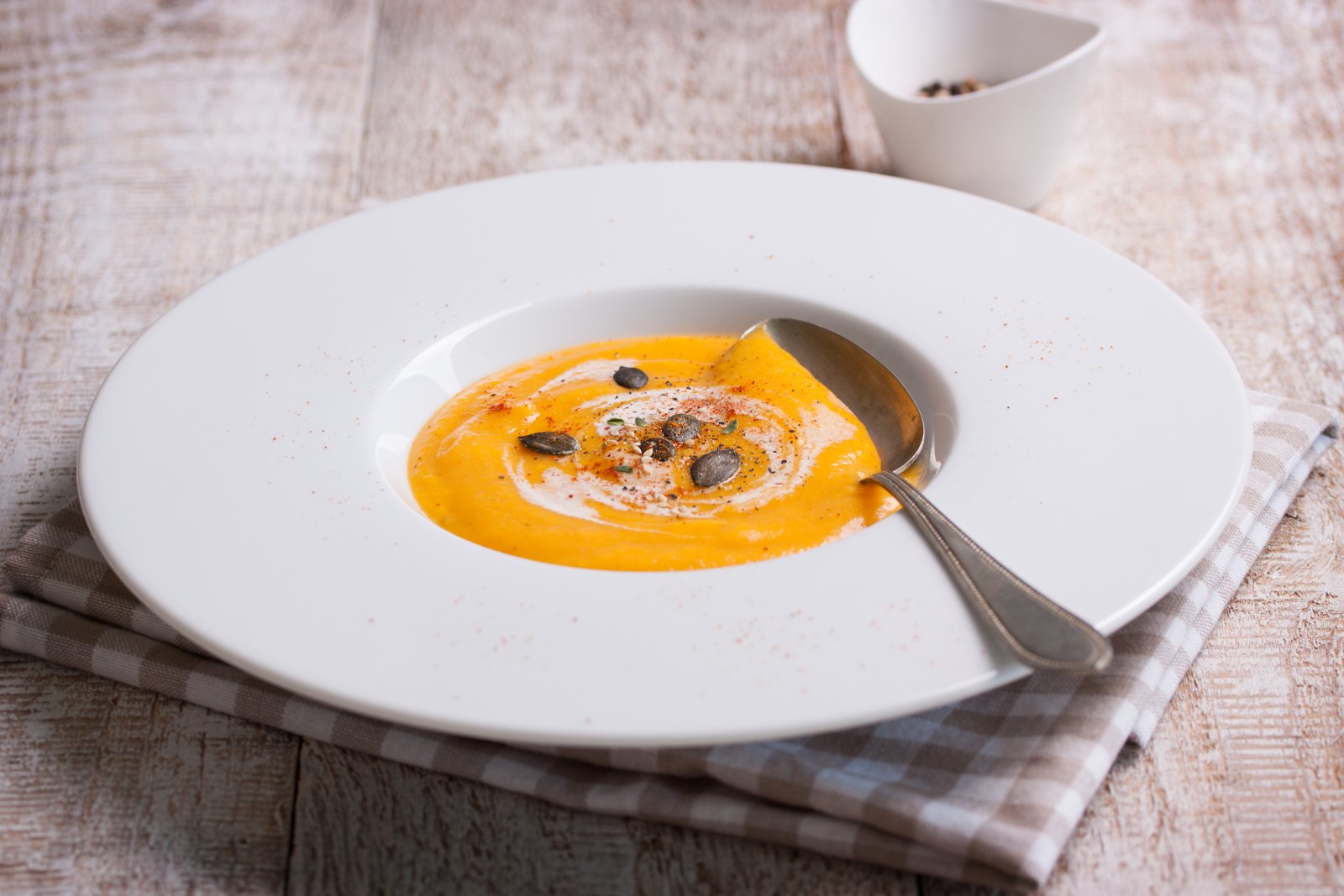
Cook once for two meals. Sunday's baked fish becomes Monday's lunch; a big pot of squash soup covers two dinners.
Step 5: generate the shopping list
Go through the seven days and list the ingredients by aisle. This is the step that turns a menu into a tool.
Step 6: export to PDF and print
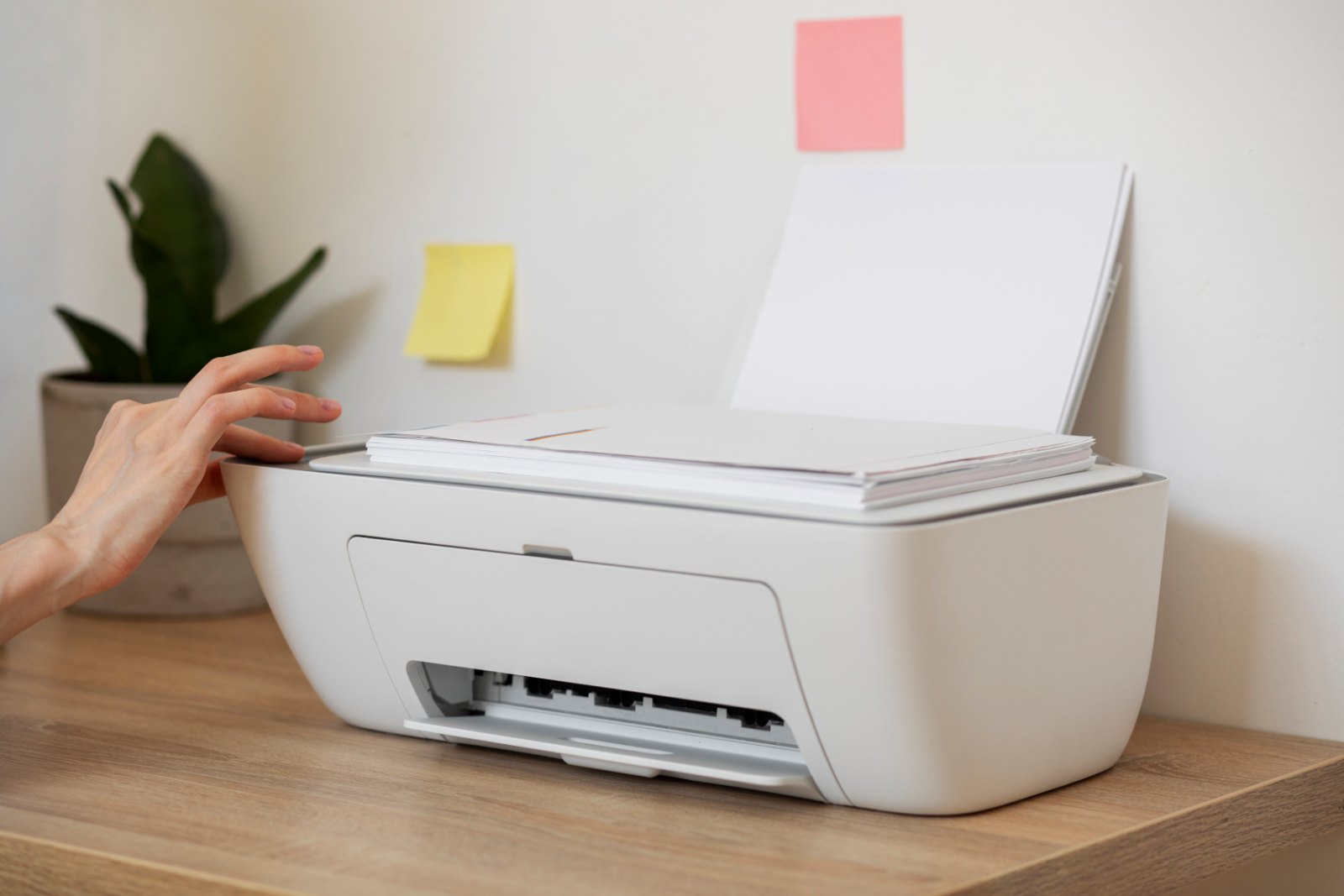
A table in a word processor or spreadsheet, "save as PDF," print. Put it up. It is this move to writing, fixed and visible, that makes the plan last over time.
Check every food before writing it down
The most common mistake when adapting a menu found online is leaving in foods that the system excludes. Two habits prevent this:
- Look the food up in the database: each entry on nidamtayebat.com/aliments gives the zone, the status (allowed, limited, forbidden) and any condition.
- Read the condition: "limited" means allowed subject to a frequency or preparation condition. Almonds are allowed plain, in moderation; zucchini is allowed cooked.
Following the plan day by day

- On Sunday: shop from the list, then cook one or two bases (baked fish, soup, cooked starch).
- In the morning: a glance at the grid to plan ahead for thawing.
- At each meal: tick the box on the PDF, and note the time of the last bite to respect the two hours.
- The following weekend: keep the dishes you liked, replace the others, reprint.
This loop (prepare, follow, adjust, reuse) turns a one-off effort into a habit. It is also the logic of the 4-week program, which moves forward one week at a time with menus, a shopping list and a PDF for each.
Common mistakes to avoid

- Too much ambition: seven different complicated dishes lead to giving up by Tuesday. Two or three repeated recipes are enough.
- Forgetting the shopping list: without it, the plan stays theoretical.
- Ignoring your tastes: replace a dish with another from the same zone rather than forcing yourself.
- Neglecting the snack: an unplanned dip in energy ends in off-plan snacking.
- Eating too close together: a snack twenty minutes after a meal cancels the two-hour rule.
Balance version or weight-loss version?
Both rely on the same grid. What changes is the size of the starch and dairy portions, and how often you have green-zone sweets. No additional food is forbidden in either version. Weight management depends on many individual factors: a plan is an organizational framework, not a guarantee of results, and a specific goal should be discussed with a healthcare professional.
FAQ: frequently asked questions about the weekly meal plan PDF
How do I download the weekly meal plan PDF?
Click the link at the top of the article: weekly meal plan, Tayyibat sample week (in French). The file is one A4 page and requires no sign-up.
Is the plan free?
Yes. This one-week PDF is free and can be shared without modification. The full Tayyibat guide and the 4-week program are paid, with a one-time payment.
How do I make a weekly meal plan PDF myself?
Draw a 7-day grid, place a protein and a cooked vegetable at each main meal, add an allowed starch, set a repeatable breakfast, draw up the shopping list, then export to PDF and print. Check each food in the database before writing it down.
Why does the menu contain no whole-wheat bread, oats, eggs or yogurt?
Because the plan follows the Nidam al-Tayyibat classification, in which these foods are not in the green zone. The week uses only green- and yellow-zone foods, to stay consistent with the rest of the site.
Does a weekly meal plan help you lose weight?
A plan is an organizational tool that encourages regularity and limits impulsive choices. It is not a treatment and guarantees no results. For a weight-loss goal or in case of illness, the advice of a healthcare professional is recommended.
Is the plan suitable for people with diabetes?
It describes an eating system for informational purposes. In case of diabetes, ongoing treatment or pregnancy, diet must be personalized by a doctor or dietitian, who will take the treatment and test results into account. Never change a treatment without medical advice.
How often should I change the plan?
Many people keep a stable framework and rotate only a few dishes. Archiving successful weeks as PDFs lets you alternate them without starting from scratch.
Going further
- The five food zones of Nidam al-Tayyibat explained
- The two-hour rule: how to space your meals
- Breakfast according to Nidam al-Tayyibat: 12 ideas
- How to organize your meals for the week
- The Tayyibat guide and the 4-week program
Disclaimer
This article and the accompanying PDF describe an eating system for informational purposes. They do not replace medical advice. If you have an illness, are undergoing treatment, are pregnant or have diabetes, talk to your doctor before making any change to your diet.