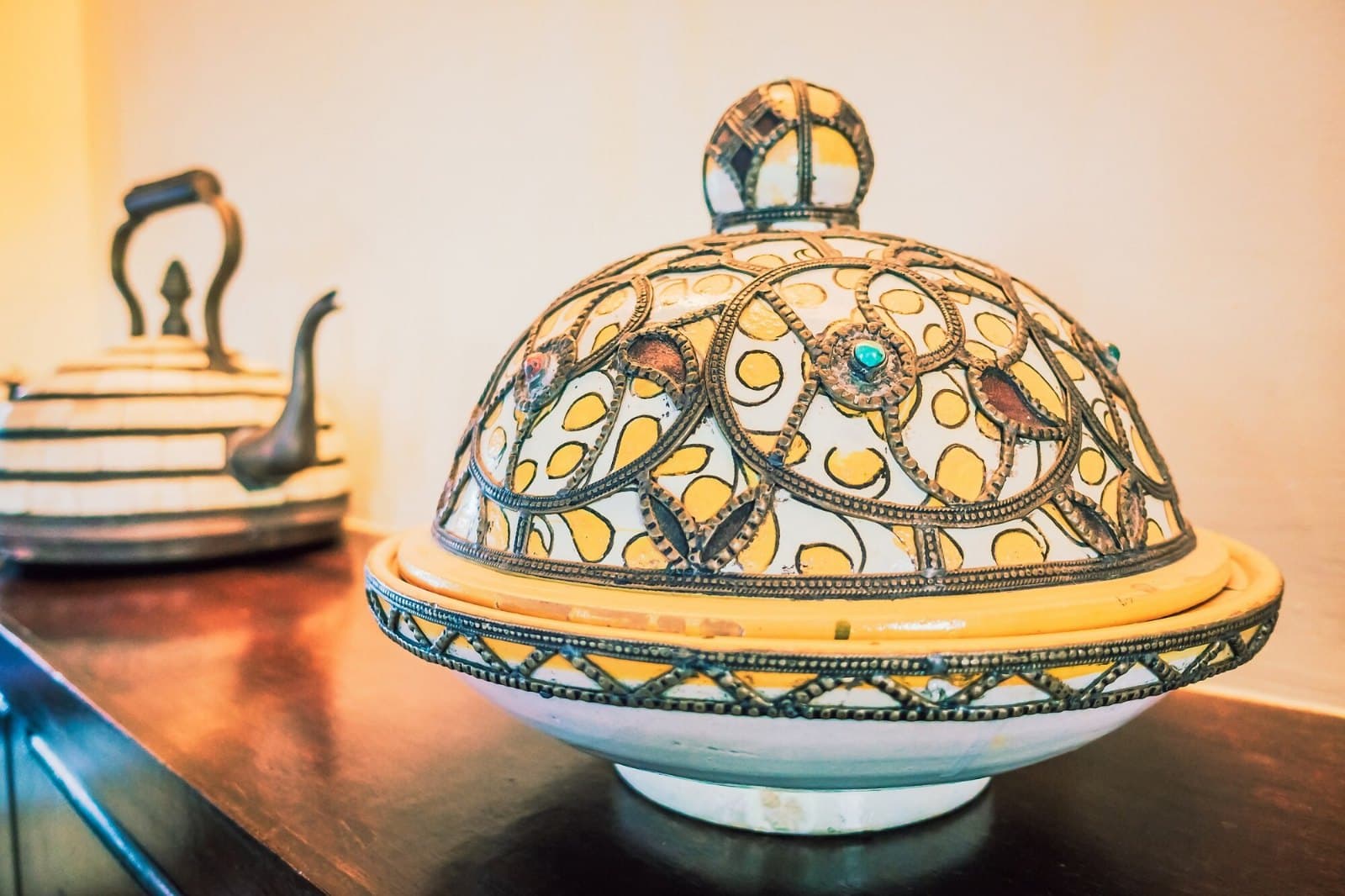
A balanced couscous, according to the system, is made without semolina: Nidam al-Tayyibat, described by Dr Diaa Al-Awadi, files couscous (red) with refined wheat flour and leaves out chickpeas, onion and cabbage. The Friday meal becomes cooked vegetables on a bed of rice, freekeh or bulgur. This article explains that position from the site's food database, gives the view of conventional nutrition and offers three variations.
Why couscous is red zone in the system
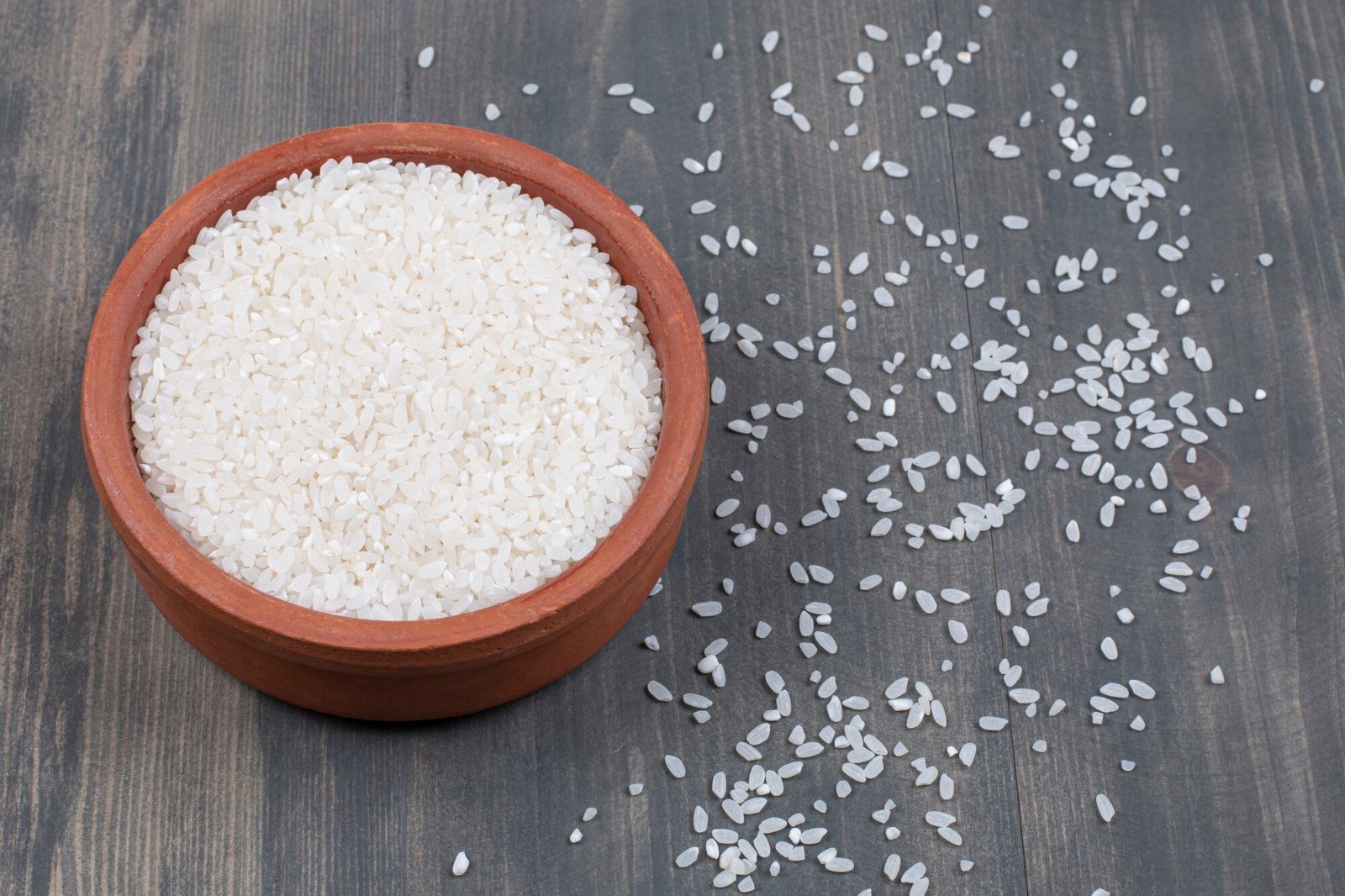
The system works as a whitelist: only explicitly admitted foods are allowed, and couscous is not among them. The database entries file it with white bread (red) and pasta (red), among the wheat-flour products the method treats as processed. The first week of the site's programme takes out, in one move, bread, pasta, couscous and semolina, replaced by white rice (green) and, at breakfast, by bran toast (green).
The traditional dish accumulates other exclusions. Chickpeas (red) and all legumes are set aside; so are onion (red) and garlic (red), raw as well as cooked according to most compilations; cabbage (red) and fresh herbs (red) too. Turnip appears on no documented list: by the whitelist rule, it is excluded by default.
The conventional-nutrition view
Conventional nutrition does not share that reading. It holds semolina, above all wholemeal, to be an ordinary starch, chickpeas to be a useful source of protein and fibre, and onion, garlic and cabbage to be recommended vegetables; vegetable couscous is often cited as a balanced dish of the Mediterranean basin. The system, for its part, places white rice, potato, dates, butter and white sugar (green, a daily amount according to the system) at the centre of the diet, a position medical institutions dispute. Both readings are given here.
Choosing the semolina: wholemeal or belboula?
Neither, according to the system. Wholemeal durum semolina is still wheat semolina: the site's database does not distinguish wholemeal couscous from ordinary couscous, and the guide answers the wholemeal-bread question with the same logic — only the explicitly admitted form, bran toast, enters the palette. Belboula, barley semolina, appears on no documented list; barley is not a food of the palette, and the whitelist rule excludes it by default.
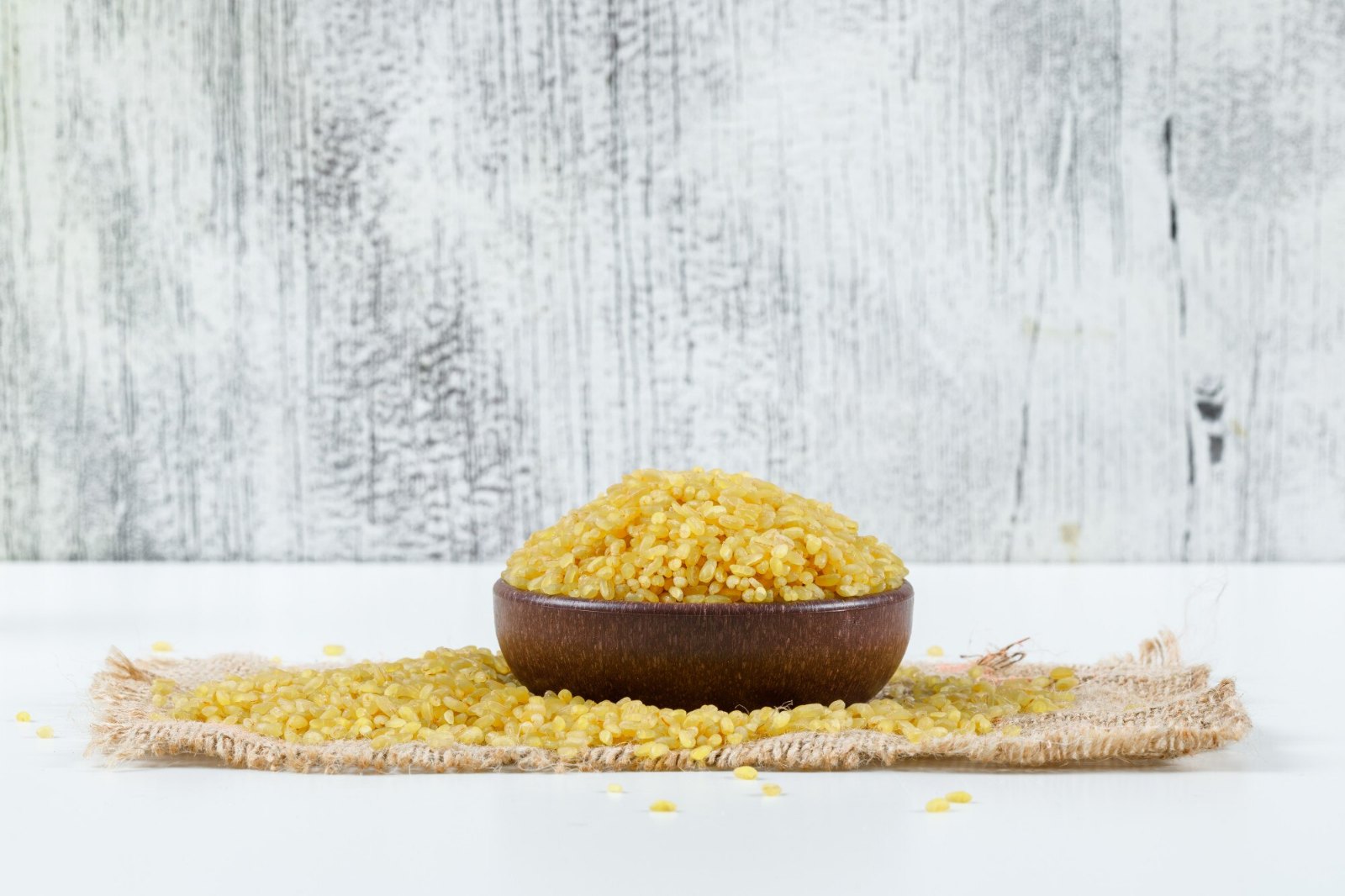
What the database offers in place of couscous are its three substitutes: white rice, freekeh (green), green wheat roasted and cracked, and bulgur (green). Freekeh and bulgur are, among the admitted foods, the closest in texture to a couscous grain; they serve as the "bed" under the vegetables and the meat. Potato (green) and sweet potato (green) complete the base starches.
| Grain | Zone in the system | Role in the dish |
|---|---|---|
| Couscous, wheat semolina (wholemeal included) | red, excluded | none |
| Belboula (barley) | not documented, excluded by default | none |
| White rice | green | the bed of the dish, cooked in the vegetable broth |
| Freekeh | green | the bed of the dish, texture close to the grain |
| Bulgur | green | the bed of the dish, cooked by absorption |
The vegetables: what is left of the "seven vegetables"
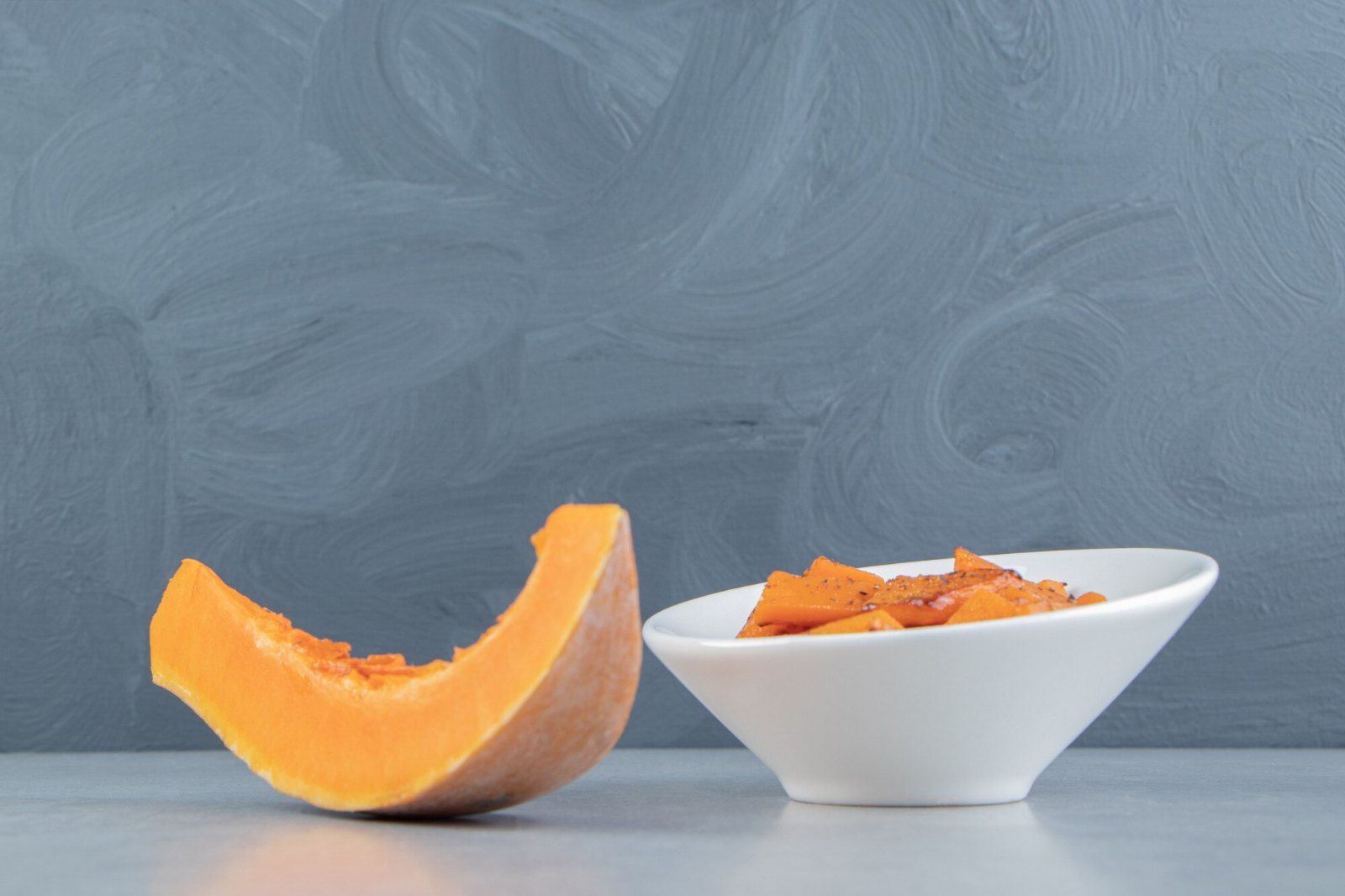
Seven-vegetable couscous loses several of its vegetables in the palette, but not the main ones. Still admitted, always cooked:
- squash (green, cooked) and courgette (yellow, cooked);
- carrot (orange, cooked only) and tomato (orange, cooked in sauce for preference);
- potato and sweet potato, already there as base starches;
- green beans (purple, once a month), under the limited frequencies.
Out of the dish: turnip, cabbage, chickpeas, onion, and the coriander or parsley thrown on at the moment of serving.
The broth is therefore built on cooked tomato, squash, carrot and courgette, seasoned with salt (green), black pepper (green), cumin (green) and ginger (green), with smen (green) or butter (green). Hot chilli (red) and harissa are set aside; so is industrial tomato paste (red), home-made tomato sauce being tolerated. The raisins (orange, small quantity, without an oil coating) of couscous tfaya are admitted, but traditional tfaya rests on caramelised onion, which is excluded.
The proteins: lighter without losing the taste
Friday couscous is served in Morocco with chicken, lamb or beef. The system decides differently, and two of its rules apply.
- Chicken is excluded. Chicken (red), farmed or free-range, is one of the system's most disputed exclusions, conventional nutrition treating it as a reference lean meat. The database's alternatives: pigeon (green), quail (green), rabbit (green) and sea fish (green, grilled for preference).
- Red meat counts within its allowance. Lamb (orange, two meals a week, an allowance shared with goat and camel), the system's preferred meat according to the sources, uses up one of the week's two meals; beef (orange, one meal a week, shared with buffalo) spends its allowance in one go. The method reported by one source — boil the meat, then sear it in smen — suits a dish whose broth then cooks the grain.
- One "yes" day, one protein. No pigeon and lamb on the same plate.
The lightest, in the system's sense as in the ordinary one, remains sea fish: a bed of rice or freekeh cooked in the vegetable broth, a sea bream or a whiting grilled and set on top, without lemon.
Three balanced couscous variations to try
In these three variations, the word "couscous" names the meal — stewed vegetables on a bed of grain — not the semolina, which is replaced by the substitutes the database gives. Quantities are not given, in keeping with the system, which relies on hunger and satiety.
Variation 1: stewed vegetables on a bed of freekeh ("no" day)
Squash, courgette, carrot and potato stewed in a cooked tomato sauce with smen, cumin, ginger and black pepper. The freekeh cooks separately in part of the broth, then receives the vegetables. With no animal protein, the dish suits a "no" day; a slice of kashkaval (green) or roumi cheese (green) beside it, and dates (green, one to six a day) for dessert, taken right away to respect the two-hour rule.
Variation 2: lamb boiled then seared in smen, rice in the broth ("yes" day)
The lamb is first boiled with salt; the broth then cooks the squash, the carrots and the courgettes, and after that the rice. The pieces are seared in smen with cumin and ginger and set on the rice and vegetables. This meal counts as one of the week's two lamb meals. Dried apricots (dried fruit (green)) added to the broth replace the sweetness of tfaya without the onion.
Variation 3: grilled sea fish, bulgur and squash ("yes" day)
The bulgur cooks by absorption in a broth of cooked tomato and squash. The sea fish — bream or whiting — is grilled with salt and cumin, without lemon or garlic, and served on the bulgur with the vegetables. It is the version closest to a fish couscous, and the one the site's guide keeps as the simplest.
Common mistakes to avoid
- Replacing semolina with a "wholemeal" semolina or with belboula, thinking you are staying inside the palette: neither appears in it.
- Keeping the chickpeas "for the protein". Legumes are set aside; the dish's protein comes from the admitted meat or fish on a "yes" day, or from aged cheese beside it on a "no" day.
- Frying onion and garlic in the bottom of the couscoussier. Both are red zone; smen, ginger and cumin carry the taste.
- Applying all this to someone with diabetes without medical advice. The white rice and dates that replace semolina and chickpeas change the meal's effect on blood sugar; medical institutions judge the system risky for people with diabetes, and nothing is decided without their doctor.
Frequently asked questions
Is wholemeal couscous admitted by the system?
No. The site's food database files couscous in the red zone without distinguishing wholemeal semolina, and the whitelist rule excludes any form not explicitly admitted. Conventional nutrition, for its part, holds wholemeal semolina to be an ordinary starch.
What replaces couscous semolina?
The substitutes the database gives: white rice, freekeh or bulgur, all green zone. Freekeh and bulgur give the closest texture; rice cooked in the vegetable broth gives the closest taste.
Can you make a vegetable couscous without meat in the system?
Yes, and that is exactly the format of a "no" day: cooked vegetables from the palette on a bed of freekeh or rice, an admitted fat, aged cheese beside it. Chickpeas and broad beans cannot be part of it.
How often a week does the system allow this meal?
The grain and the green vegetables are not limited. What counts is the protein: a lamb couscous uses one of the week's two lamb meals, a beef couscous the single beef meal; sea fish and pigeon are not rationed but stay reserved for "yes" days.
Is this dish suitable for a child or a person with diabetes?
The system's sources refer to the doctor for children, pregnant women and people who are ill, and medical institutions judge the system risky for people with diabetes because of the white rice, the dates and the sugar. Nothing is set up for them without medical advice.
Further reading
The article on the five food zones of Nidam al-Tayyibat explains why wheat flour, legumes and raw vegetables are red zone. The rule "one day yes, one day no" details the lamb and beef allowances this meal uses. To place the dish in the week, the guide on organising the week's meals and the article on creating a balanced weekly menu complete the picture. Every entry in the food database gives the zone, the condition, the substitutes and the position of conventional nutrition.
Disclaimer
This article describes an eating system for information. It does not replace medical advice. In case of illness, ongoing treatment, pregnancy or diabetes, talk to your doctor before any change of diet.