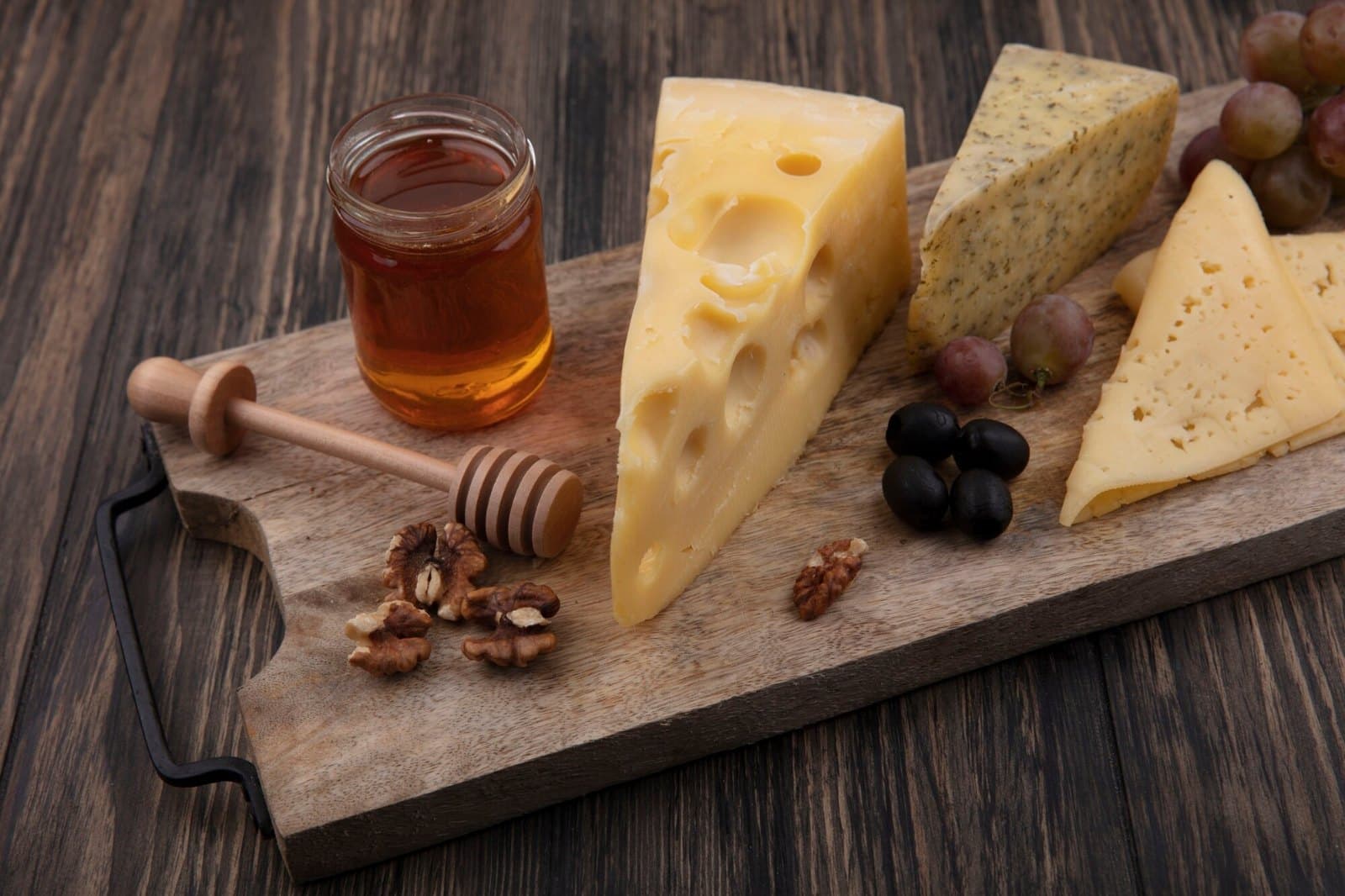
A protein breakfast without eggs or yoghurt is possible within Nidam al-Tayyibat, the eating system described by Dr Diaa Al-Awadi: it rests on aged cheeses, tahini, halva and nuts, and, on "yes" days, on fish or the admitted offal. This article details what the system removes from the usual breakfast, what classical nutrition says about it, and six Moroccan trays that comply with the site's food database.
What the system removes from the classic protein breakfast
Most of the foods we associate with morning protein are red zone in the site's database. The system files them among the "khabithat" in the name of its own principles: intensive farming, foods it judges "inflammatory", "cattle feed". Those explanations belong to the method; conventional nutrition does not recognise them and holds these same foods to be useful protein sources.
| Usual food | Zone | What the palette offers instead |
|---|---|---|
| Eggs (boiled, fried, in an omelette) | red | on "yes" days: pigeon, rabbit, sea fish |
| Yoghurt, lben, quark, petit-suisse | red | qechta, cheddar, mozzarella, roumi cheese |
| Cow's milk, plant milks | red | qechta; coffee and tea without milk |
| Legumes (the broad beans of ful, chickpeas, lentils) | red | potato, rice, freekeh |
| Oats (rolled, porridge, granola) | red | rice, freekeh, bulgur |
| White bread and wholemeal bread | red / not documented | bran toast |
Wholemeal bread appears on no list of the system: by the whitelist rule, which leaves out by default any food not written down, it counts as excluded. Only bran toast, the packaged toasted bran bread, is admitted.
So the system removes the proteins dietitians most often recommend in the morning. It is one of the points on which the method is disputed: the site's guide recalls that conventional nutrition holds the cooked egg to be one of the best-absorbed proteins and legumes to be a protein and fibre source in their own right.
The morning protein sources the palette admits
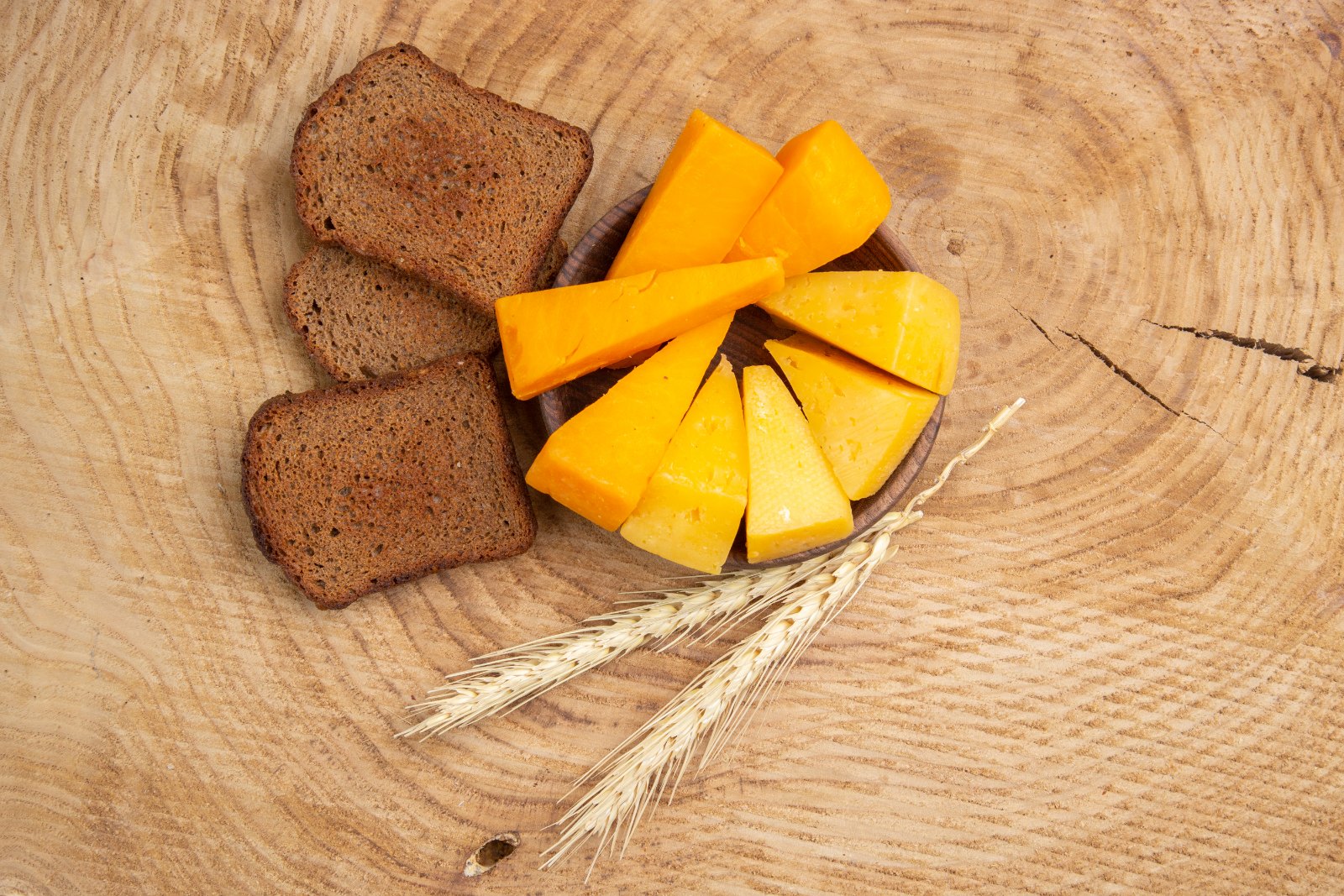
What remains is broader than one imagines, provided you change register. Four families carry the morning protein:
- aged cheeses, every day;
- tahini, halva and the other sesame products;
- nuts, in measure;
- on "yes" days only, sea fish, pigeon and the admitted offal.
Aged cheeses
This is the first protein source of breakfast according to the system. The site's database admits cheddar (green), kashkaval (green), roumi cheese (green), parmesan (green), mozzarella (green), processed cheese in portions (green) and gouda or edam (yellow, aged version only, young gouda being best avoided). The dividing line is simple: aged in, fresh out. Qechta (green), the thick cream of boiled milk, and crème fraîche (yellow, pure cream, in small quantity) complete this family.
Tahini, halva and molasses
Tahini (green), sesame paste, is presented by the site's guide as the source of fat and protein on meat-free days. Sesame halva (green) is its sweet version; the system's sources make it, together with aged cheese, the most common sweet-and-savoury pairing of the morning. Date molasses (green) and honey (green) sweeten without leaving the palette.
Nuts, in measure
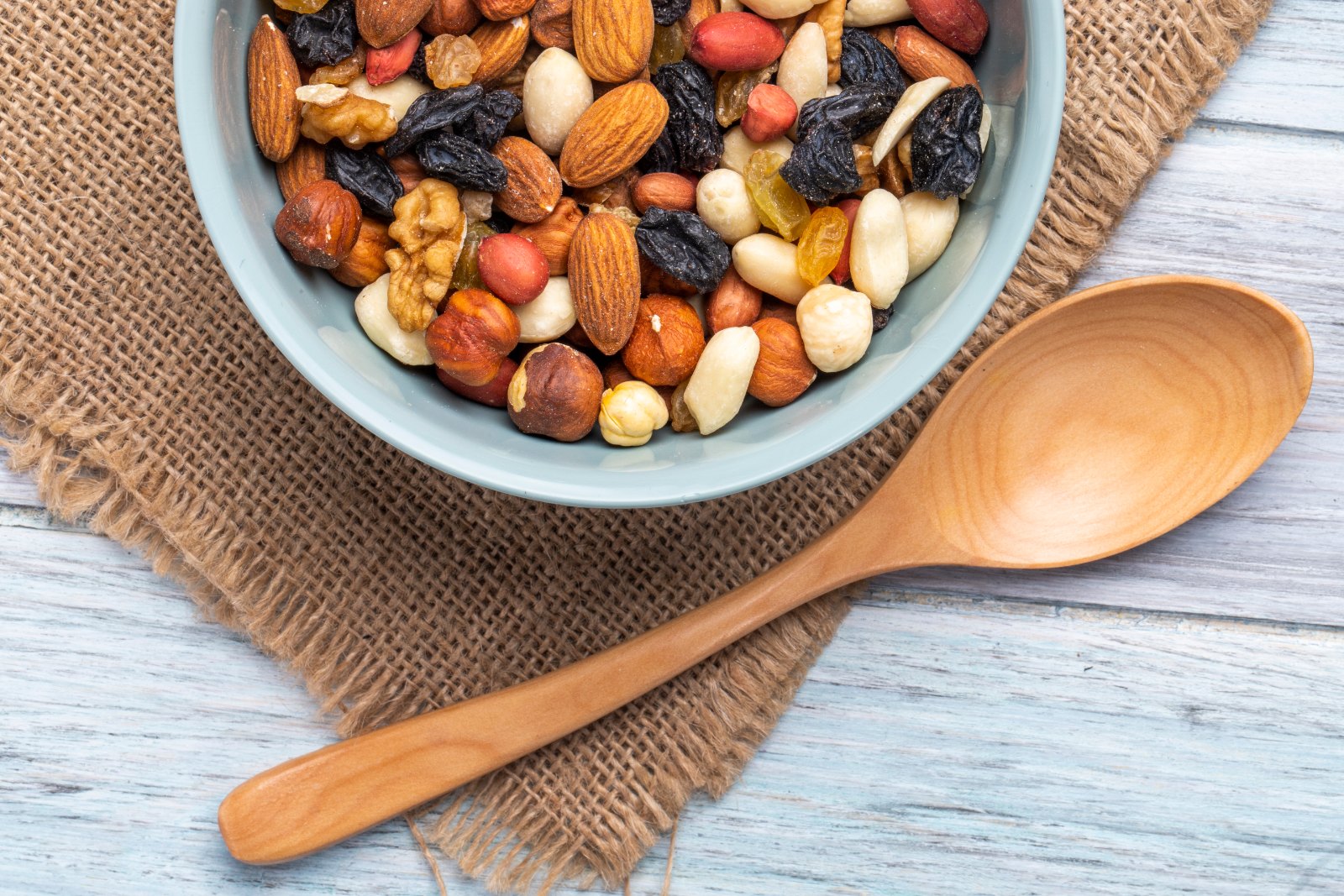
Almonds (yellow, in measure, plain and unsalted), walnuts (yellow, in measure), pistachios (yellow, in measure), cashews (yellow, in measure, plain) and pine nuts (green) bring plant protein. The condition "in measure" comes back on every entry: a small handful, not the packet. Hazelnuts are orange zone (peeled, a small handful); sunflower seeds are excluded, red zone.
"Yes" days: fish, pigeon, offal
The "one day yes, one day no" rule reserves animal protein for every other day. On those days, nothing in the documented sources forbids eating grilled sea fish (green), fresh sardines (yellow, fresh, on protein days) or lamb's liver (green) in the morning. The menus of the site's programme nevertheless place those proteins at lunch and dinner, never at breakfast; the morning there stays the domain of cheeses, tahini and nuts. Chicken, turkey and charcuterie are excluded, red zone, as are tinned tuna and farmed salmon; smoked fish is documented on no list and falls under the whitelist rule.
How much protein at breakfast?
The system does not count. It reasons neither in grams nor in portions: its rules ask you to eat when hunger is real, to stop before full satiety and to build simple meals of two or three elements. None of the sources documented on this site gives an amount of protein per meal, and this article does not invent one.
For anyone who wants a marker, the site's guide reports the position of conventional nutrition: an adult's needs sit at around 0.8 g of protein per kilo of body weight per day, more in athletes and older people. The system's "no" days, where protein comes mostly from aged cheeses, tahini and nuts, reach that marker less easily than a breakfast of eggs or yoghurt; that is the point dietitians flag. In practice, a palette-compliant breakfast pairing a good slice of aged cheese with a handful of plain almonds brings real protein, but less than a classic two-egg breakfast. The reader has both pieces of information.
Protein breakfast ideas for the Moroccan table
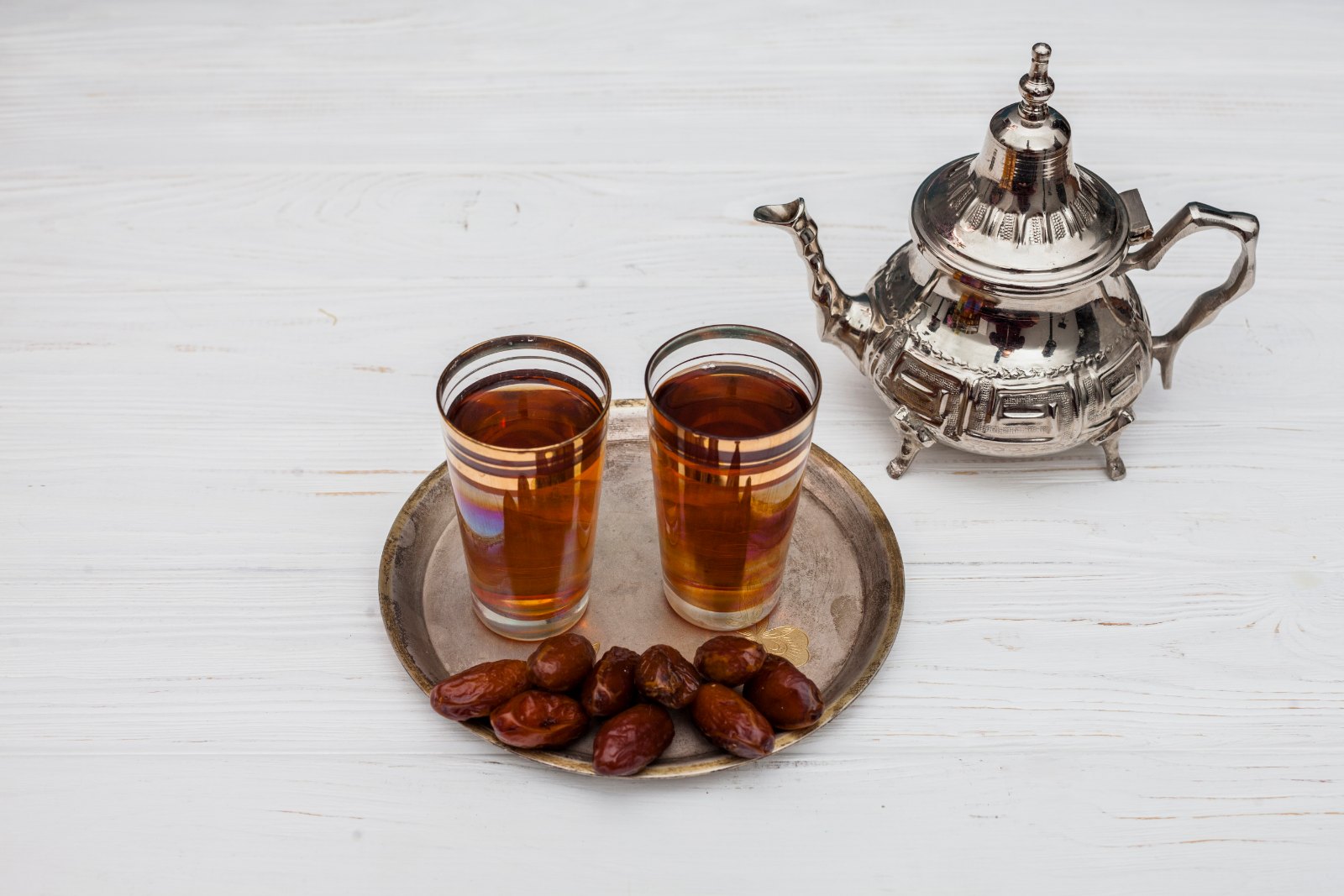
The trays below use only foods from the site's database, in the green or yellow zone. Tea is taken during the meal, not an hour later: under the two-hour rule, the countdown starts with the last bite.
- Bran toast, butter, honey and cheddar. Bran toast (green), butter (green), honey (green), slices of cheddar (green) and mint tea (green) without milk. This is the system's reference breakfast, the one in the first-week menus of the programme.
- Qechta and honey on bran toast, dates. Qechta (green), honey, bran toast, three dates (green, one to six a day according to the system), mint tea. Qechta being rich, one or two spoonfuls are enough.
- Sesame halva and roumi cheese, black coffee. Halva (green), roumi cheese (green), coffee (green, without milk or creamer). Sweet and savoury, ready in two minutes.
- Tahini and date molasses to dip into. Tahini (green) mixed with date molasses (green), bran toast or slices of peeled apple (green, peeled for preference). The richest "no day" version in plant protein the palette allows.
- Bran toast grilled with mozzarella, karkadeh. Bran toast, mozzarella (green) under the grill, karkadeh (green). For those who prefer a hot, savoury breakfast.
- A plate of fruit, almonds and kashkaval. Peeled apple or banana (green), a small handful of almonds (yellow, in measure), cubes of kashkaval (green), green tea (green, without milk).
For a more substantial breakfast, potatoes sautéed in smen (green) with cumin (green), served with aged cheese, are among the recipes in the site's guide.
The most common mistakes
- Replacing yoghurt with a fresh cheese. Spreadable cheese, quark and petit-suisse are red zone just like yoghurt. Only aged cheeses, qechta and processed cheese in portions are admitted.
- Keeping ful or granola "because it's wholesome". The system leaves out legumes and oats whatever their reputation; it is one of its most disputed positions.
- Putting milk in the tea or the coffee. All hot drinks are taken without milk or creamer according to the site's database.
- Forgetting the measure on nuts. Almonds, walnuts and pistachios are yellow zone precisely because the amount matters.
- Shifting the tea to after the meal. Sweetened tea taken an hour later counts as a new eating occasion and restarts the two hours.
- Applying this breakfast to a child or a pregnant woman. The system itself refers to the doctor or the paediatrician; protein needs in those situations are a matter for medical follow-up, not for an eating system.
Frequently asked questions
Can you eat eggs at breakfast in Nidam al-Tayyibat?
No. Eggs are red zone in every form, including hidden in pastries. The system offers instead, on "yes" days, pigeon, rabbit and sea fish. Conventional nutrition holds the cooked egg to be a reference protein; this is one of the points where the method goes against common recommendations.
What is the best morning protein source according to the system?
The documented sources do not rank foods by protein content. The menus of the site's programme rest in the morning on aged cheeses (cheddar, kashkaval, roumi), qechta, tahini, halva and nuts in measure. The choice also depends on the day: animal proteins stay reserved for "yes" days.
Are lben and raib allowed?
No. Lben, raib, yoghurt and all fresh dairy are red zone in the site's database. The system does, however, admit qechta, butter, smen and aged cheeses, because it distinguishes fresh milk from its derivatives transformed by cooking or ageing.
Does a Tayyibat breakfast provide enough protein?
The system does not measure and its sources give no figure per meal. Going by the conventional marker reported in the site's guide (about 0.8 g per kilo per day for an adult), days without animal protein reach that threshold less easily. Anyone following the system is better off knowing this and talking to a professional if they have particular needs.
Can you have a protein snack during the morning?
Yes, provided the two-hour rule is respected: at least two hours between the last bite of breakfast and the snack. A few dates with a piece of aged cheese, or a small handful of plain almonds, are the snacks the programme's menus use.
Further reading
The article on breakfast according to Nidam al-Tayyibat offers twelve complete ideas, protein-rich or not. The one on the cheeses and dairy the system admits goes through dairy by dairy what is aged, fresh, admitted or excluded. The rule "one day yes, one day no" explains which days animal protein is possible, and the two-hour rule sets the spacing between breakfast and the snack. Finally, every entry in the food database gives the zone, the condition and the position of conventional nutrition.
Disclaimer
This article describes an eating system for information. It does not replace medical advice. In case of illness, ongoing treatment, pregnancy or diabetes, talk to your doctor before any change of diet.