
How do you avoid cravings? Nidam al-Tayyibat, the eating system described by Dr Diaa Al-Awadi, answers in four points: eat only when hunger is real, leave at least two hours between eating occasions, drink water to wait for the next one, and keep only foods from the palette at home. Conventional nutrition shares some of these positions and disputes others.
With a two-hour rule between occasions and a palette that sets aside bread, fresh dairy and legumes, the usual snacking has no place left. This article reports what the system offers, from the site's food database, the guide and the programme menus, and gives for each point the view of conventional nutrition, which does not share every position of the method.
Why do cravings happen? Understand before acting

The system does not describe cravings in terms of hormones or blood sugar. It starts from a distinction that runs through its eleven daily rules: real hunger, and everything that imitates it.
Real hunger or habit hunger?
According to the method, you eat only when hunger is real, not out of habit, boredom or stress. One source sums it up in two "golden rules": eat when you are hungry, to satiety, then stop; and remember that the nature of the food matters more than the quantity.
In that reading, a craving is a want that answers no need: the usual snack hour, an open packet, an annoyance. Conventional nutrition makes a similar distinction, but adds causes the system does not examine, such as lack of sleep or meals that were too light.
The triggers according to the system
The system's compilations name three sources of cravings.
- The industrial products it files as "corrupting": sodas (red), biscuits (red), sweets (red), all set aside; the palette offers dates and bran toast in place of sweet things, karkadeh (green) in place of the drinks.
- Eating occasions too close together, which according to the method interrupt the body's "repair" phase; that explanation is its own and is not validated by medical institutions.
- Meals eaten without hunger "because it is time", described by the sources as a needless burden.
How to avoid cravings: 9 concrete strategies
The nine points below take the classic advice against cravings and show what the system makes of each. On several of them the two readings diverge; both are given.
1. Put protein in every meal
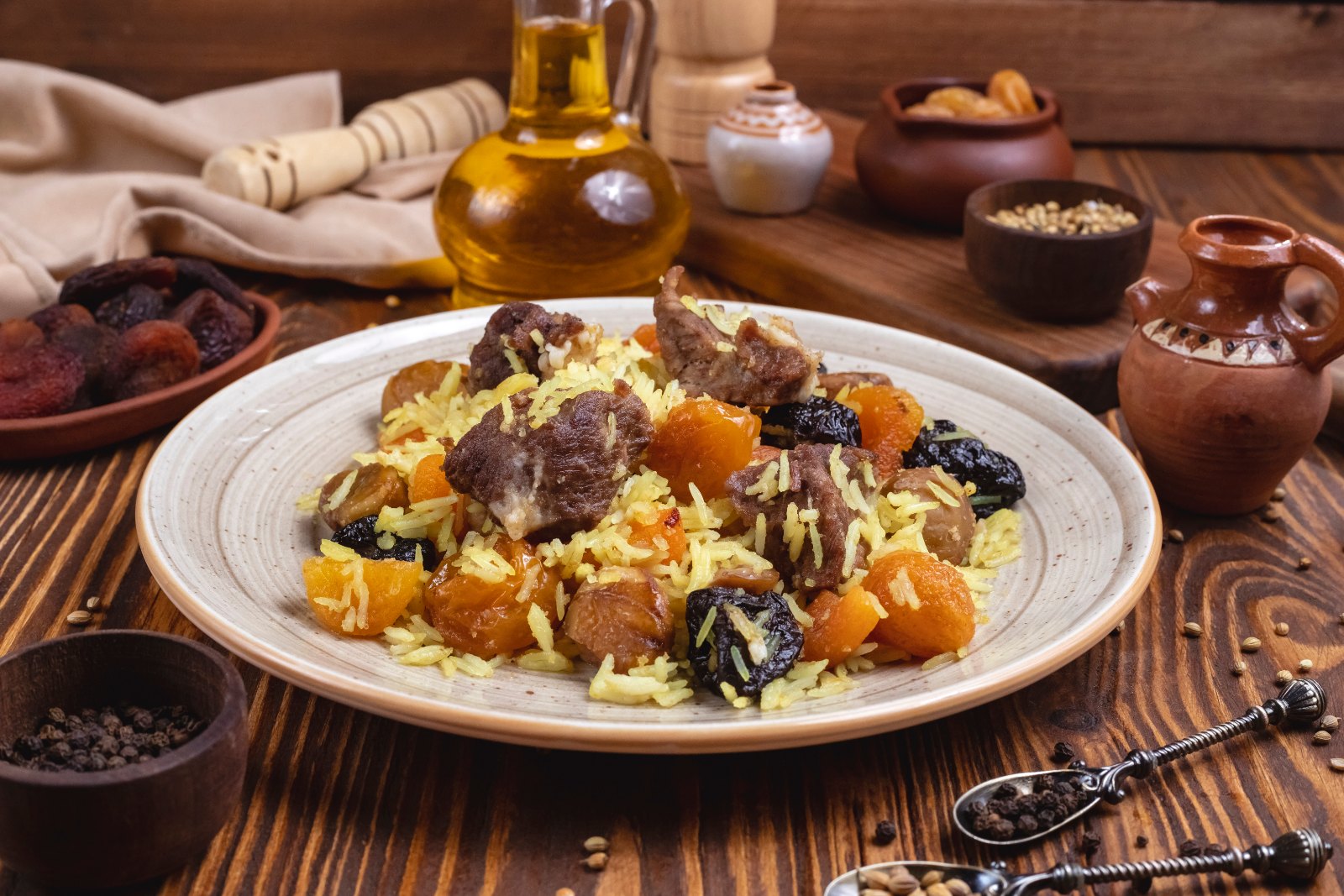
This is conventional nutrition's most widespread advice, crediting protein with a filling effect. The system, for its part, does not put animal protein in every meal: its "one day yes, one day no" rule reserves it for every other day, or three to four days a week. On "yes" days, the meal holds with sea fish (green, grilled for preference), fresh sardine (yellow), pigeon (green), rabbit (green) or lamb (orange, two meals a week, shared allowance).
On "no" days, the aged cheeses — kashkaval (green), cheddar (green), roumi cheese (green) — plus tahini (green) and nuts carry the intake. Eggs (red), chicken (red) and legumes (red) are set aside; dietitians hold this against the method, since "no" days reach the usual protein markers with difficulty.
2. Increase the fibre

Second classic piece of advice, and second point of divergence. The system sets aside conventional nutrition's main fibre sources: wholemeal bread (red, like any bread other than bran toast), oats (red), legumes, raw vegetables (red).
What it keeps: cooked vegetables — squash (green, cooked), courgette (yellow, cooked), carrot (orange, cooked only); the fruits of the palette — apple (green, peeled for preference), pear (green); dates (green, one to six a day); bran toast (green). Fibre intake is therefore lower than in a conventional day, one of the dietitians' criticisms the site's guide notes.
3. Eat at regular intervals

The system sets no meal times; it sets a spacing: at least two hours between the last bite of one occasion and the first of the next. The regularity it offers is one of rhythm, not of the clock. Three meals and one or two snacks spaced by two hours leave little room for cravings, because every occasion is decided in advance. Dessert, fruit and tea are taken with the meal, not an hour later: taken separately, they restart the countdown.
4. Drink enough

The system prescribes no quota of glasses. It asks you to drink when thirst comes, preferably lukewarm still water (green), in small sips, between meals rather than during. Only water and, according to the sources, green tea (green, without milk) and black coffee (green, without milk) do not count under the two-hour rule: they are the drinks that let you wait for the next occasion.
Black tea (red) and industrial juices (red) are set aside. Conventional nutrition meets the system here: a glass of water before giving in to an urge lets you check whether it really was hunger.
5. Prepare smart snacks
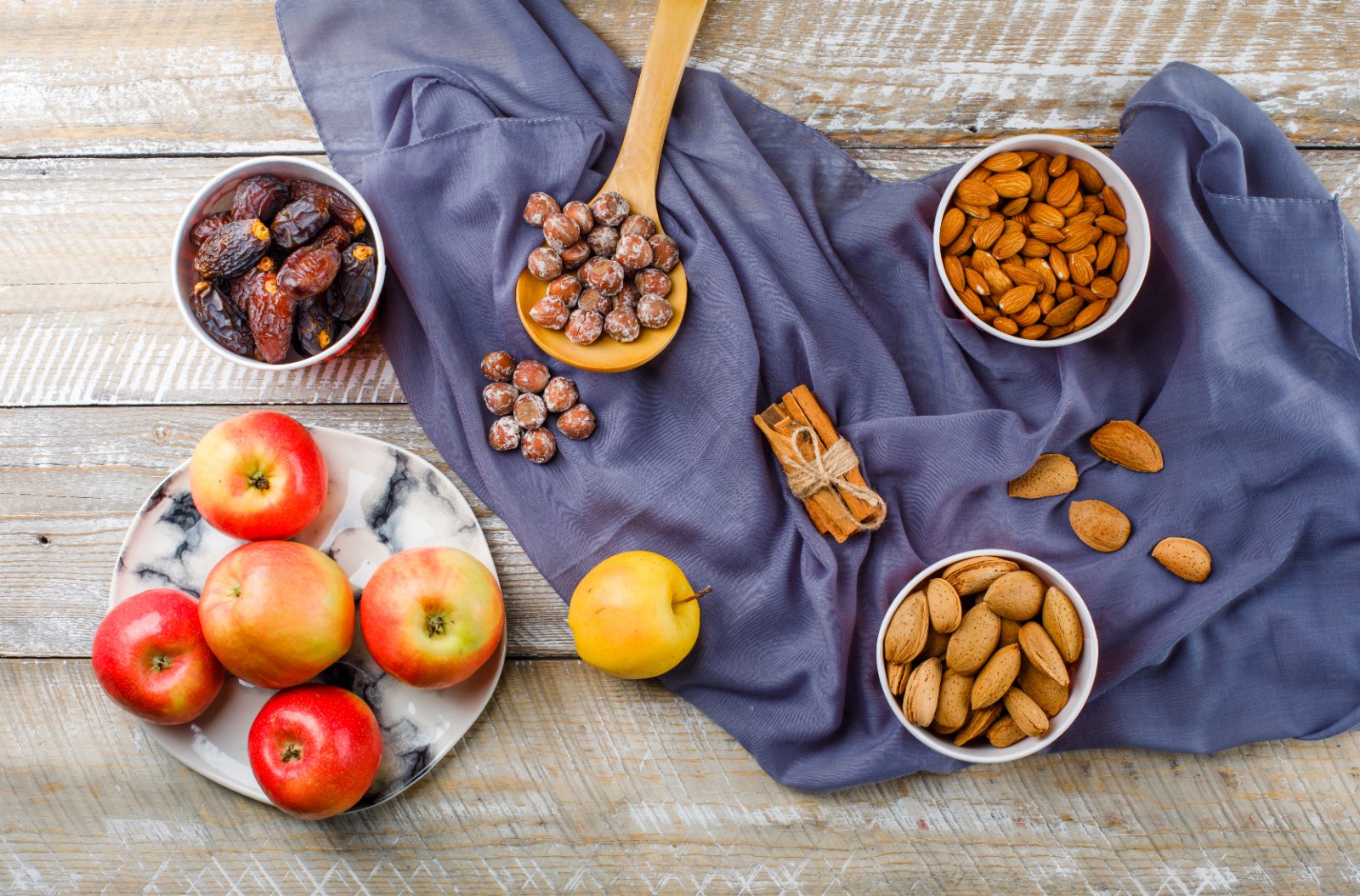
A snack is admitted by the system, provided it respects the two hours and comes from the palette. The programme menus give the model, taken up in the table with each food's zone and the view the site's entry reports from conventional nutrition. A snack planned into the schedule is not a craving: that is what distinguishes it.
| Snack from the programme menus | Zone and condition in the system | The conventional-nutrition view |
|---|---|---|
| Two or three dates with a black coffee | dates green, one to six a day; coffee green, without milk | a very sweet fruit, a few dates a day are fine; coffee tolerated in moderation |
| Peeled apple and a small handful of almonds | apple green, peeled for preference; almonds yellow, in measure, plain and unsalted | the apple skin holds a good share of the fibre; a handful of almonds a day is recommended |
| Pear and a few walnuts | pear green, peeled for preference; walnuts yellow, in measure | walnuts are the best plant source of omega-3 among nuts |
| Halva with a green tea | green; tea without milk | a product rich in sugar and fat, a small portion is enough |
| Banana and pistachios | banana green; pistachios yellow, in measure | a fruit rich in potassium; nuts recommended in a small handful, unsalted |
| Aged cheese on bran toast | kashkaval, cheddar, bran toast: green | the salt and fat of the cheese to watch; bran toast remains a processed product |
| Yoghurt, cereal bar | red, set aside by the system | plain yoghurt is on the contrary recommended for its protein, calcium and cultures |
6. Take care of your breakfast

The system's breakfast rests on bran toast, butter (green), honey (green) or jam (green), qechta (green) or an aged cheese, and a hot drink without milk. Milk (red), white bread (red) and shop cereals are set aside. The menus also offer rice with butter and sugar, which illustrates the system's most disputed position: white sugar (green, a daily amount according to the system) sits among its pillars, while public health asks for it to be limited. For a person with diabetes, none of this without medical advice.
7. Handle stress other than with food

This is the real-hunger rule applied day to day: eating under stress or boredom is, according to the method, eating without hunger. The system offers no stress-management technique, but it makes movement one of its pillars: a daily walk, with no brutal programme, for instance at the hour when the craving usually returns.
8. Protect your sleep

The sources documented on this site say nothing about sleep; the system does not deal with it. Conventional nutrition, for its part, regularly links it to appetite and counts it among the first things to check when cravings settle in. This is common-sense advice, not a rule of the system.
9. Organise your environment

The system works as a whitelist: only explicitly admitted foods enter the palette. A kitchen holding only palette foods can therefore produce only admitted snacks. The guide's basic shopping list serves as the model.
- Starches and base: rice, potatoes, bran toast.
- Fats: butter and smen (green).
- Sweet things from the palette: dates, honey, halva.
- Aged cheeses: kashkaval, cheddar, roumi cheese.
- Vegetables to cook and fruit from the palette, plain nuts.
- Drinks: still water, green tea, coffee, without milk.
What is left out — bread, biscuits, sodas, yoghurts — no longer has to be resisted: it is not there.
Common mistakes to avoid
- Turning the two-hour rule into a fast. Two hours is a minimum, not a target to stretch; the system does not ask you to skip meals.
- Snacking while cooking. Every mouthful tasted restarts the countdown, and the meal "begins" at that moment.
- Replacing one excluded snack with another. A milk chocolate (red) in place of the biscuit is still outside the palette; the system offers dates.
- Ignoring persistent hunger. If hunger keeps coming back despite regular meals, particularly in a person with diabetes or on treatment, the question belongs to the doctor, not to an eating system.
What medical institutions say
The system's positions on cravings rest on its own reading of the body, not on studies. Conventional nutrition meets the method on real hunger, on water and on the absence of snacking between structured meals; it parts from it on the rest: the daily place of white sugar, white rice (green) and dates, and the exclusion of legumes, eggs, raw vegetables and fresh dairy.
No published data measures the system's effect on weight; this site reports no testimonial and no figure. A person with diabetes, a pregnant woman, a child or someone on treatment must not apply these strategies without their doctor, and no treatment is modified on the strength of an eating system.
Frequently asked questions
Doesn't the two-hour rule itself cause cravings?
According to the system, no: the occasions are decided in advance and built around the pillars — rice, potato, butter, dates. Two hours is a minimum, not a fast. If hunger comes back sooner, water lets you wait; then it is worth checking that the previous meal was substantial enough.
What should you eat when a craving arrives two hours after the meal?
A snack from the palette: dates, a peeled apple, a handful of almonds, halva, aged cheese on bran toast, with a green tea or a black coffee. The system does not limit the number of occasions, only their spacing.
Does the system allow sugar to cut a craving?
It places white sugar among its five pillars and offers dates as a snack; that is its position, the one doctors dispute most, and public-health recommendations go the other way. This article does not recommend sugar; it reports that the system provides for it.
Do night-time cravings have an answer in the system?
The sources documented on the site do not deal with that case. The general rule applies: real hunger, two hours after the last occasion, foods from the palette. A repeated night-time craving is worth discussing with a health professional.
Do these strategies suit someone with diabetes?
Not without medical advice. Medical institutions judge the system risky for people with diabetes, because of the white rice, the dates and the white sugar. The system itself refers to the doctor and forbids stopping a treatment.
Further reading
The two-hour rule is detailed in its own article, with a sample day. The article on the five food zones explains why certain foods are set aside, and the one on breakfast according to Nidam al-Tayyibat gives twelve ideas for the first occasion of the day. To plan snacks ahead, the guide on creating a balanced weekly menu completes this reading. Every entry in the food database gives the zone, the condition and the position of conventional nutrition.
Disclaimer
This article describes an eating system for information. It does not replace medical advice. In case of illness, ongoing treatment, pregnancy or diabetes, talk to your doctor before any change of diet.