
A 7-day diabetic menu drawn from Nidam al-Tayyibat, the eating system described by Dr Diaa Al-Awadi, requires knowing one thing first: this system was not designed for people with diabetes, and medical institutions judge it risky for them. This article therefore does not offer a menu "for diabetics". It shows what a week of the system contains, according to the site's programme and the food database, and points out what medicine watches.
What to know before reading this menu
Nidam al-Tayyibat sorts foods into five frequency zones by its own criteria, unrelated to the glycaemic index. Three of its daily pillars are the very foods medicine watches most closely in a person with diabetes: white rice (green), dates (green, one to six a day according to the system) and white sugar (green, five to fifteen tablespoons a day according to a single source). The sugar entry says it plainly: that amount directly contradicts official recommendations and presents a real risk in case of diabetes or insulin resistance.
The system itself refers to the doctor. All of its sources, including those that defend it, repeat that a diabetes treatment must never be stopped or changed without a doctor's agreement, and that people whose treatment depends on meal times — insulin or certain oral antidiabetics — do not change the rhythm of their meals on their own. This site makes that instruction its first rule.
Why structure a diabetic menu across the week?
Conventional nutrition advises people with diabetes to plan their meals in order to even out carbohydrate intake from one day to the next, keep starch portions under control and align meals with the treatment. These are principles the doctor or dietitian adapts to each person.
The Tayyibat system also structures the week, but for its own, different reasons.
- The "one day yes, one day no" alternation. Animal protein is not eaten every day; you have to decide in advance which days carry fish or meat.
- The weekly red-meat allowances. Lamb (orange, two meals a week, an allowance shared with goat and camel) and beef (orange, one meal a week, shared with buffalo) are counted by the week.
- The two-hour rule. According to the method, at least two hours separate the end of one eating occasion from the start of the next; snacks have to be planned.
- The shopping. The sources advise mapping the week on a sheet of paper before buying anything.
One fundamental difference separates the two approaches: medicine reasons in portions, while the system weighs nothing and relies on hunger and satiety. A "small portion of rice" is medical advice, not an instruction of the method: according to the system, rice is eaten "without restriction".
How to read a week of the system when you have diabetes
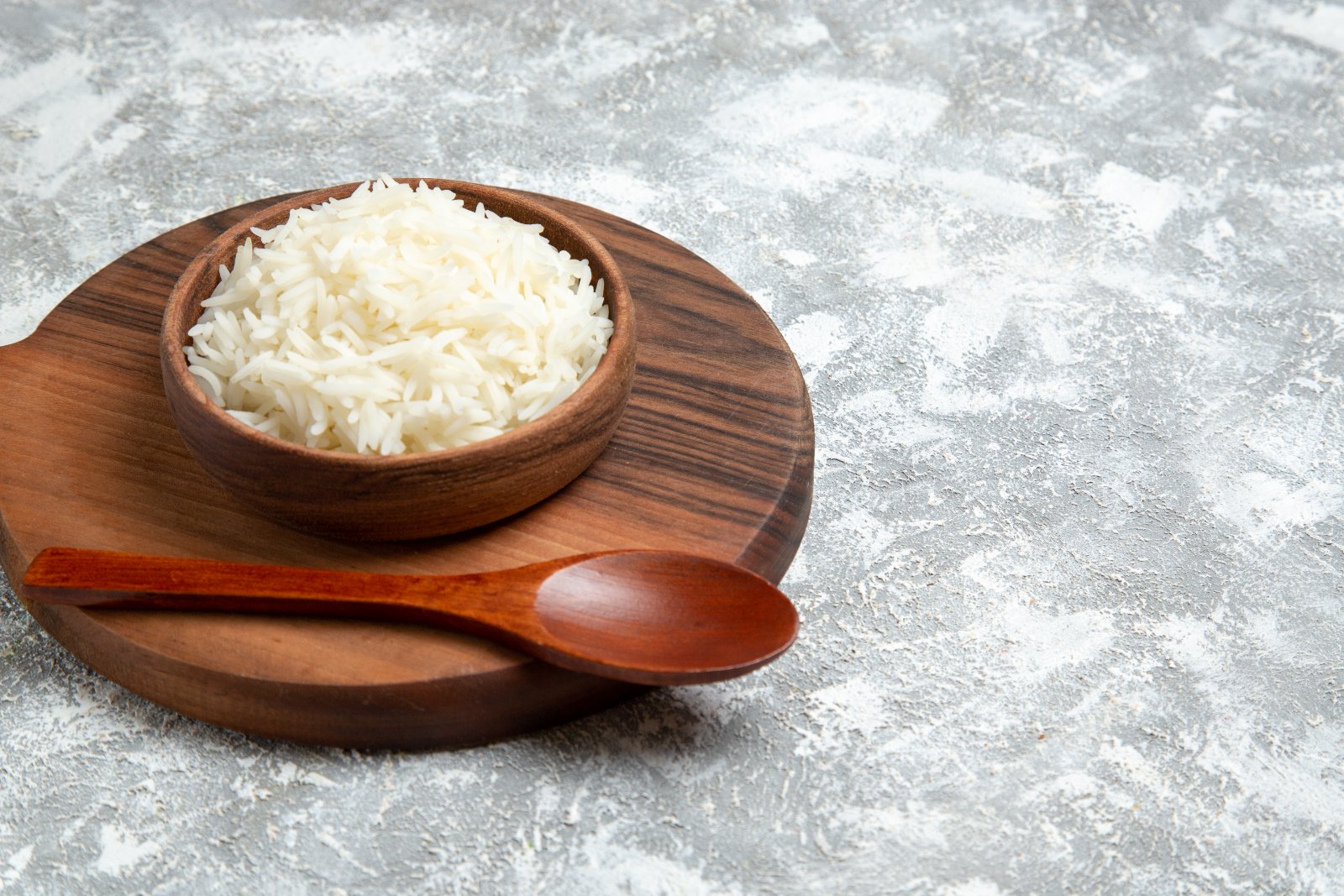
In every meal of the menu below, three families of foods keep coming back and call for a conversation with the doctor.
| Family | Foods concerned in the menu | What medicine says, per the database entries |
|---|---|---|
| High-glycaemic-index starches | white rice, potato (green), chips | to watch in case of diabetes, above all in large amounts and without fibre alongside |
| Very sweet fruit | dates, grapes (green), banana (green) | dates "count" for a person with diabetes; a few a day, no more |
| Free sugars | sugar, honey (green), jam (green), halva (green), date molasses (green) | same limits as added sugar; a real risk in case of diabetes |
Conversely, the foods in the menu that medicine views favourably are:
- cooked vegetables: squash (green, cooked), courgette (yellow, always cooked), mushrooms (green, cooked), carrot (orange, cooked only);
- sea fish (green, grilled for preference) and fresh sardine (yellow, fresh, on protein days);
- aged cheeses in measure, almonds (yellow, in measure, plain) and walnuts (yellow, in measure, plain);
- strawberries (green), apple (green, peeled for preference) and pear (green, peeled for preference);
- water (green) and unsweetened green tea (green, without milk).
A 7-day diabetic menu example
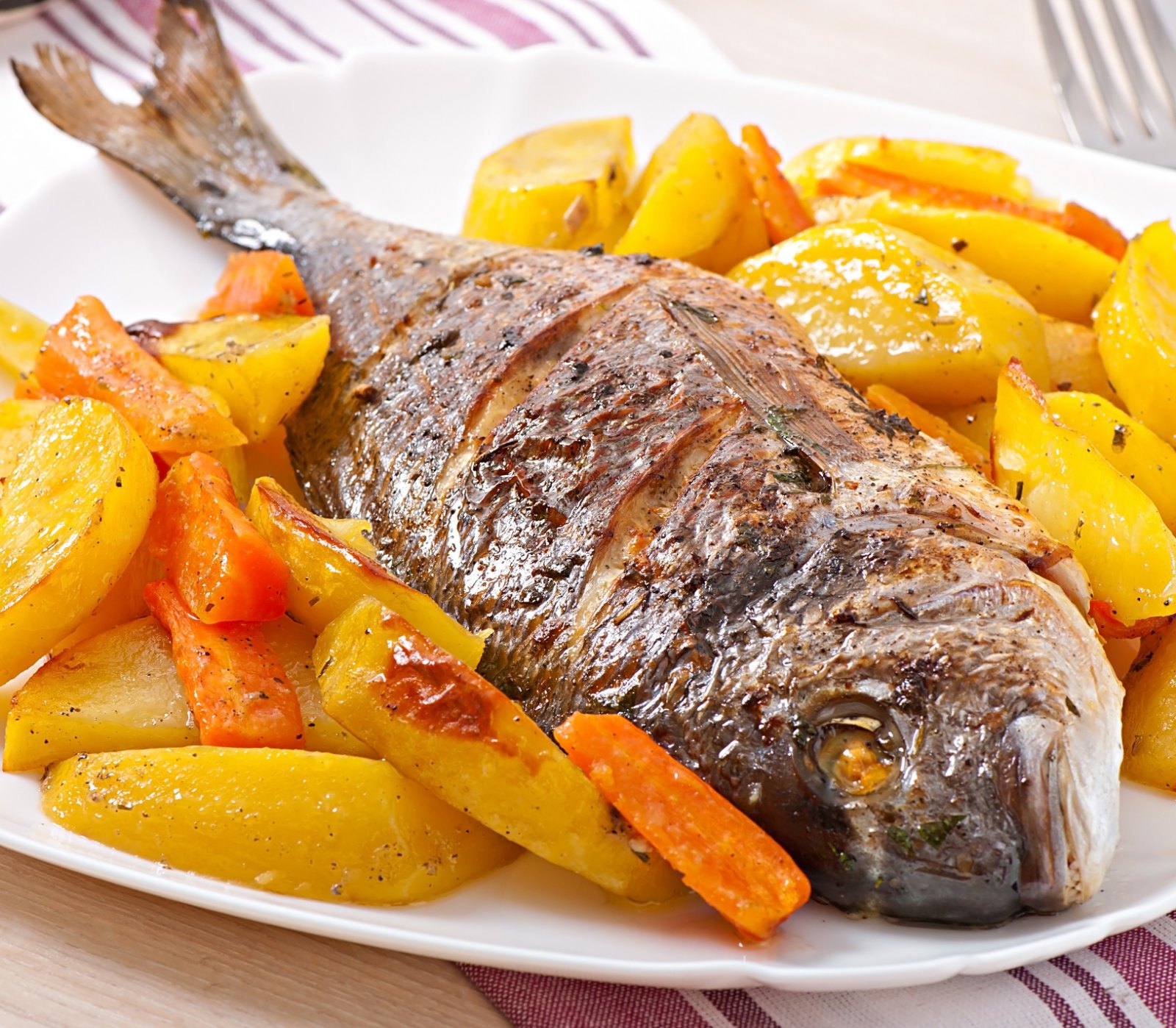
The week below is the first week of the site's four-week programme, exactly as the system offers it to everyone. It is not a menu designed for a person with diabetes. The last column flags what someone with diabetes should discuss with their doctor before drawing on it. Zones are given in brackets for orange foods.
| Day | Morning | Midday | Snack | Evening | To discuss with the doctor |
|---|---|---|---|---|---|
| Monday (yes day) | bran toast, butter, honey; green tea | white rice, salt-grilled sardines, squash roasted in butter | 3 dates, black coffee | oven potatoes with smen, kashkaval | rice, potatoes, honey, dates |
| Tuesday (no day) | rice with butter and sugar, cinnamon; black coffee | potatoes sautéed in smen and cumin, cooked courgettes; grapes | peeled apple, almonds | squash soup, bran toast, roumi cheese | sweetened rice at breakfast, potatoes |
| Wednesday (yes day) | bran toast, jam, cheddar; mint tea | rice, oven-baked sea fish, cooked carrots (orange) | pear, walnuts | mashed potato with butter; strawberries | jam, rice, sweetened tea |
| Thursday (no day) | sesame halva, roumi cheese; black coffee | white rice, sautéed mushrooms, roasted sweet potato | dates, green tea | steamed potatoes, grilled mozzarella; banana | halva, rice, dates, banana |
| Friday (yes day) | qechta and honey on bran toast; mint tea | white rice, lamb boiled then seared in smen (orange, 1st of the 2 meals), stewed squash | apricots or peach | bran toast, butter, processed cheese; grapes | honey, rice, qechta (fats) |
| Saturday (no day) | tahini and date molasses, bran toast; green tea | courgettes stuffed with rice, cooked tomato sauce (orange) | pistachios, pear | home-made chips in sunflower oil (yellow), kashkaval; herbal infusion | molasses, rice, chips |
| Sunday (yes day) | bran toast, butter, honey; black coffee | white rice, pigeon roasted in butter, potatoes | dates, mint tea | squash soup, bran toast, roumi cheese | honey, rice and potatoes in the same meal, dates |
What stands out on reading it: white rice or potato appears at almost every lunch and dinner, a free sugar at almost every breakfast, and dates almost every day. The system leaves out raw vegetables and legumes, and every vegetable is cooked. That is exactly the structure medical institutions judge risky for a person with diabetes. The programme itself, in its recipe for rice with butter and sugar, states that "people with diabetes replace the sugar with a chopped date, after medical advice"; medicine recalls that the date counts too.
Expert tips for applying this menu day to day

The tips below separate what the system's sources say from what medicine says; none of them replaces the advice of your own doctor.
- Change nothing about the treatment. This is the one instruction shared by every source of the system and by medicine. A diabetes treatment is neither modified nor stopped without the doctor's agreement, whatever menu is followed.
- Talk about the meal rhythm before adopting it. The two-hour rule and, per the method, "real hunger" as the only trigger to start a meal change the timing of eating occasions. The system's sources refer to the doctor anyone whose treatment depends on that timing.
- Take the menu to the appointment. The table above, with its last column, is a discussion aid: the doctor or dietitian will say what is compatible with the treatment and the portions.
- Pick from the palette what medicine views favourably. Cooked vegetables, sea fish, sardine, aged cheeses in measure, almonds and walnuts, strawberries, apples and pears, water and unsweetened green tea. The article on foods and blood sugar details them.
- Write down what goes wrong. The site's guide advises, as plain common sense, noting persistent fatigue, dizziness, digestive trouble or unusual thirst and telling the doctor about it.
What the system leaves out and medicine recommends for diabetes
The most important difference is not visible in the table: it lies in the absent foods. The system leaves out legumes (red) — lentils, chickpeas, broad beans and dried beans — although their entry describes them as a pillar of conventional nutrition, for their low glycaemic index, their fibre and their plant protein; the system puts potato, rice or freekeh (green) in their place. Oats (red), brown rice (red) and wholemeal bread, absent from the lists and therefore left out, are replaced by white rice and bran toast (green), the only bread admitted. Plain yoghurt (red), eggs (red) and chicken (red) also go, replaced by aged cheeses, pigeon (green) and rabbit (green). Finally, all raw greens (red) and raw vegetables are set aside in favour of cooked ones.
For a person with diabetes, these exclusions count as much as the presence of rice and sugar.
Frequently asked questions
Is Nidam al-Tayyibat suitable for people with diabetes?
No, according to medical institutions, because of the place of white rice, dates and sugar. The system itself refers to the doctor and forbids stopping a treatment. For a person with diabetes, this menu is a reading, not a programme.
Can the menu be adapted by removing the sugar and the dates?
That is not a decision to take alone. Even without sugar or dates, white rice and potato remain at almost every meal, and legumes, oats and wholemeal bread remain absent. A dietitian can say what is left that an individual can use.
Does the two-hour rule pose a problem for someone with diabetes?
The system's sources refer to the doctor anyone whose treatment depends on meal times, such as insulin or certain oral antidiabetics. Changing the number or the timing of eating occasions is for the doctor to decide, not an eating system.
Which meals of this week are the least problematic, medically speaking?
Those that pair a cooked vegetable with an admitted protein and no added sugar: oven-baked sea fish with cooked carrots, grilled sardines with squash, roasted pigeon, squash soup with aged cheese. The portion of rice or potatoes beside them remains the point to discuss.
Further reading
The article on the best foods for blood-sugar control compares, food by food, the system's palette and medical recommendations. The two-hour rule and the article on the five food zones explain the system's logic. For Ramadan, the article on the diabetic ftour covers fasting, never to be undertaken without medical advice in case of diabetes. Every entry in the food database gives the zone, the condition and the position of conventional nutrition.
Disclaimer
This article describes an eating system for information. It does not replace medical advice. In case of illness, ongoing treatment, pregnancy or diabetes, talk to your doctor before any change of diet.