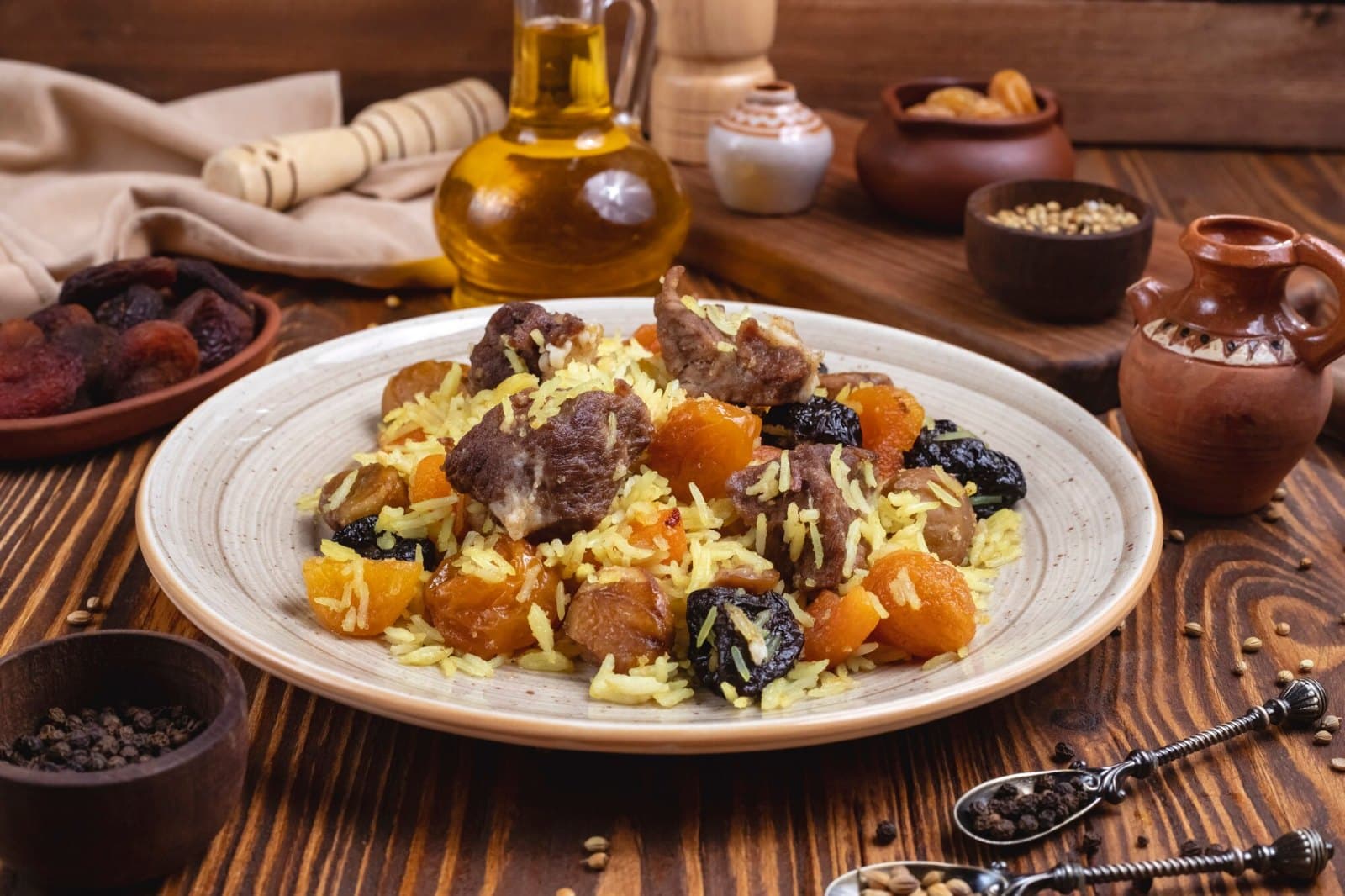
Putting together a balanced family menu for the week means, first of all, finding a dish the whole table can share. The Nidam al-Tayyibat, the food system described by Dr Diaa Al-Awadi, lends itself to that: its meals are simple, built around a starch, a cooked vegetable and, every other day, an admitted protein.
This article offers seven days of meals made only from foods present in the site's food database, the shopping list that goes with them, and recalls what the system says — and does not say — about children.
What "balanced" means in this system
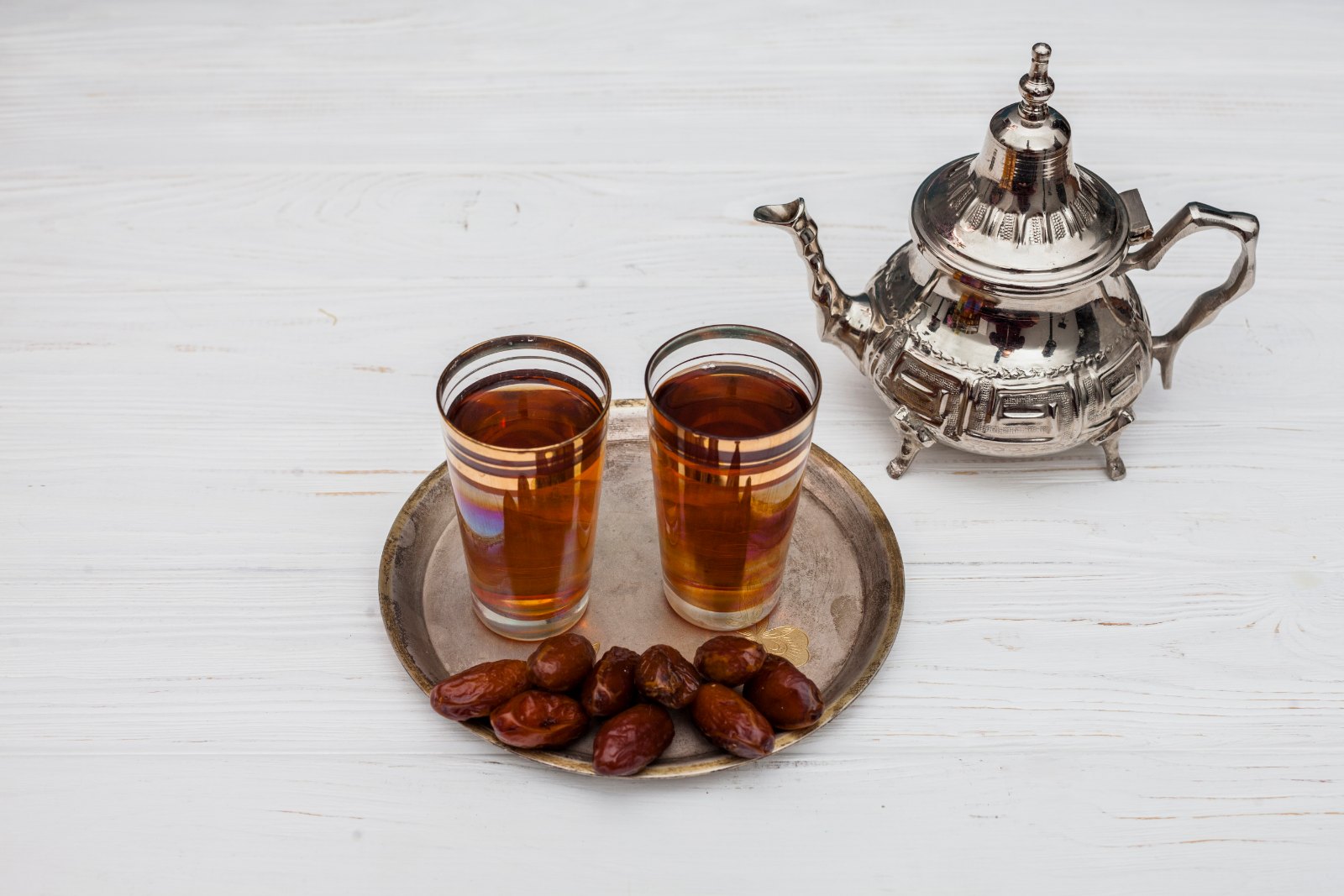
A classic family menu is organised around bread, poultry, eggs, pasta, couscous and legumes. The system sets all of those aside: chicken (red), eggs (red), pasta (red), couscous (red) and legumes (red) are excluded, as are white bread (red), yoghurt (red) and raw greens (red). In their place the palette offers white rice (green) and potato (green) as starches, sea fish (green), pigeon (green) and rabbit (green) instead of poultry, aged cheeses such as cheddar (green) instead of fresh dairy, and vegetables always cooked.
Three rules of the system shape the week, as the site's guide reports them:
- One day yes, one day no. Animal protein is not eaten every day; "no" days are built around rice, potatoes, aged cheeses, cooked vegetables and fruit. Lamb is rationed to two meals a week, a quota shared with goat and camel.
- The two-hour rule. At least two hours between the last mouthful of one meal and the next; dessert, fruit and tea are taken during the meal.
- Simple meals, cooked without onion or garlic. Boiled, steamed, baked, grilled or fried in an admitted fat; two or three elements per plate.
Conventional nutrition does not share this frame: it holds poultry, eggs, legumes, fresh dairy and raw vegetables to be useful foods, and disputes the place given to white rice, dates and sugar. This article reports the system; it does not endorse it.
Children, pregnancy, treatment: what the menu does not cover
Every source consulted for the site's guide, including those that defend the method, refers children, pregnant or breastfeeding women and older people to a specialist consultation. The guide "offers nothing for them", and this article does the same: the meals below are meant for the adults of a household who have chosen to follow the system. For a child, the paediatrician decides; excluding eggs, milk, legumes and poultry has no justification in conventional paediatrics, and the system's "white sugar" pillar, the most disputed of all, is taken up nowhere in this menu.
Anyone who is diabetic or under treatment should not apply this menu without their doctor: replacing bread with rice and dates changes blood sugar. No treatment is ever changed or stopped because of a food system.
The balanced family menu over 7 days
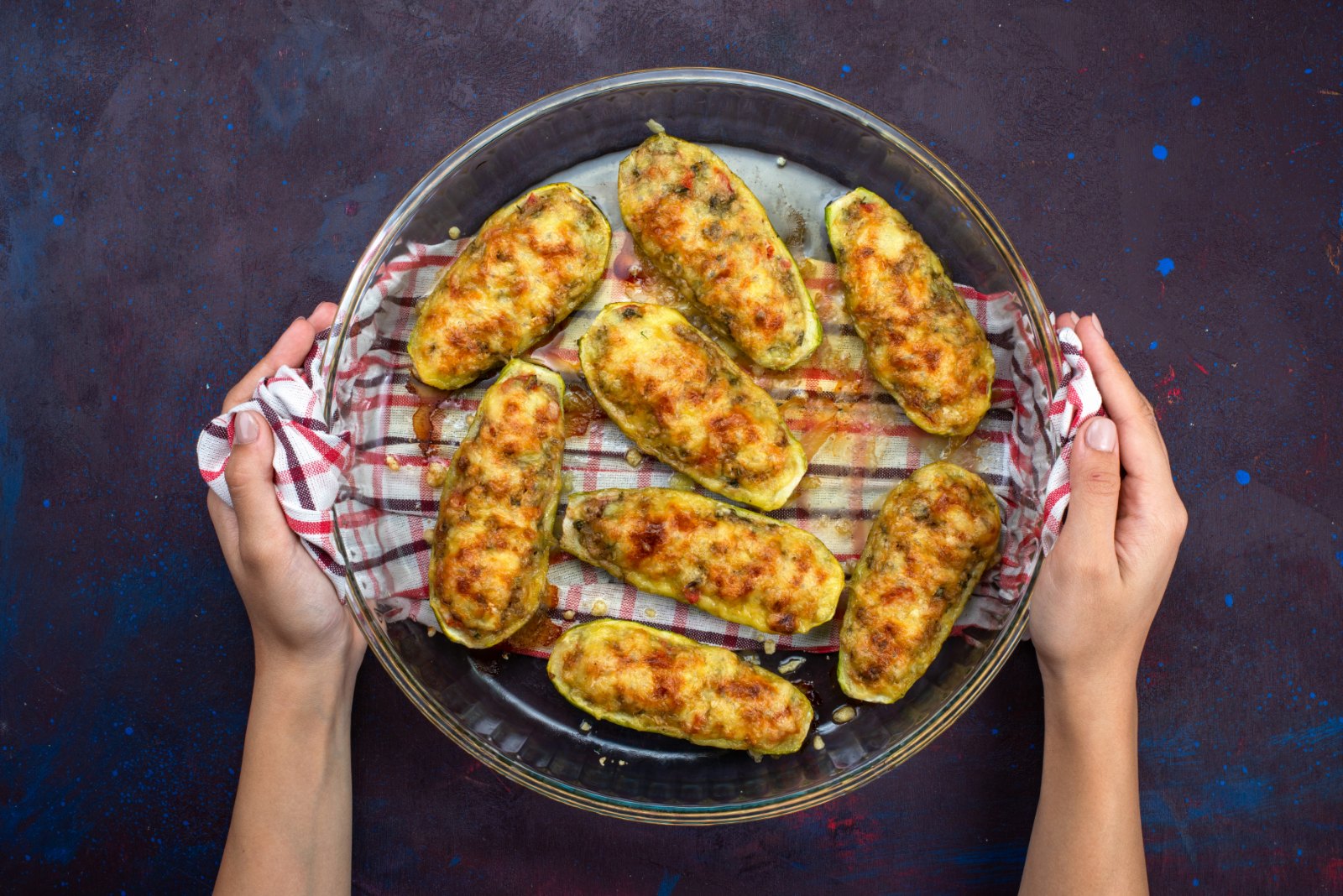
The week follows the logic of the first week of the site's programme. Every lunch and dinner is served as a single dish for the whole table; the system does not weigh portions; the method asks each person to serve themselves according to their hunger and to stop before full satiety. All foods are in the green or yellow zone, except the three orange ones flagged with their condition.
| Day | Type | Lunch | Dinner |
|---|---|---|---|
| Monday | yes | white rice, fresh sardines grilled with salt (yellow), squash roasted in butter (green) | oven potatoes with smen (green), a slice of kashkaval (green) |
| Tuesday | no | potatoes sautéed in smen with cumin (green), courgettes cooked in butter (yellow); grapes (green) | squash soup with butter, bran toast (green), roumi cheese (green) |
| Wednesday | yes | white rice, whole baked sea fish, cooked carrots (orange, cooked only) | mashed potato with butter; strawberries (green) |
| Thursday | no | white rice, mushrooms sautéed in butter (green, cooked), roasted sweet potato (green) | steamed potatoes, grilled mozzarella (green); banana (green) |
| Friday | yes | white rice, lamb boiled then seared in smen (orange, first of the week's two meals), slow-cooked squash | bran toast, butter, processed cheese (green); grapes |
| Saturday | no | courgettes stuffed with rice, cooked tomato sauce (orange, cooked in sauce for preference) | home-made chips in sunflower oil (yellow, for frying), kashkaval |
| Sunday | yes | white rice, rabbit stewed in smen with cooked carrots, potatoes | squash soup, bran toast, roumi cheese |
Wednesday's dish sums up the spirit of the week: baked sea fish, rice and cooked vegetables set in the middle of the table. Four "yes" days, three "no" days; the lamb envelope is opened only once, the other protein days resting on sardine, sea fish and rabbit, which are not rationed. No meal brings two animal proteins together.
Breakfasts and snacks
The system makes bran toast the base of the morning, in rotation:
- butter and honey (green) with a green tea (green, without milk);
- jam (green) and cheddar with a mint tea (green);
- qechta (green) and honey;
- halva (green) and roumi cheese with a black coffee (green, without milk);
- tahini (green) and date molasses (green).
The programme's sweetened buttered rice is not taken up here.
Snacks, at least two hours after the previous meal: two or three dates (green, 1 to 6 a day under the system), a peeled apple (green), a pear (green), a small handful of plain almonds (yellow, in measure) or walnuts (yellow, in measure).
Shopping list for the family week
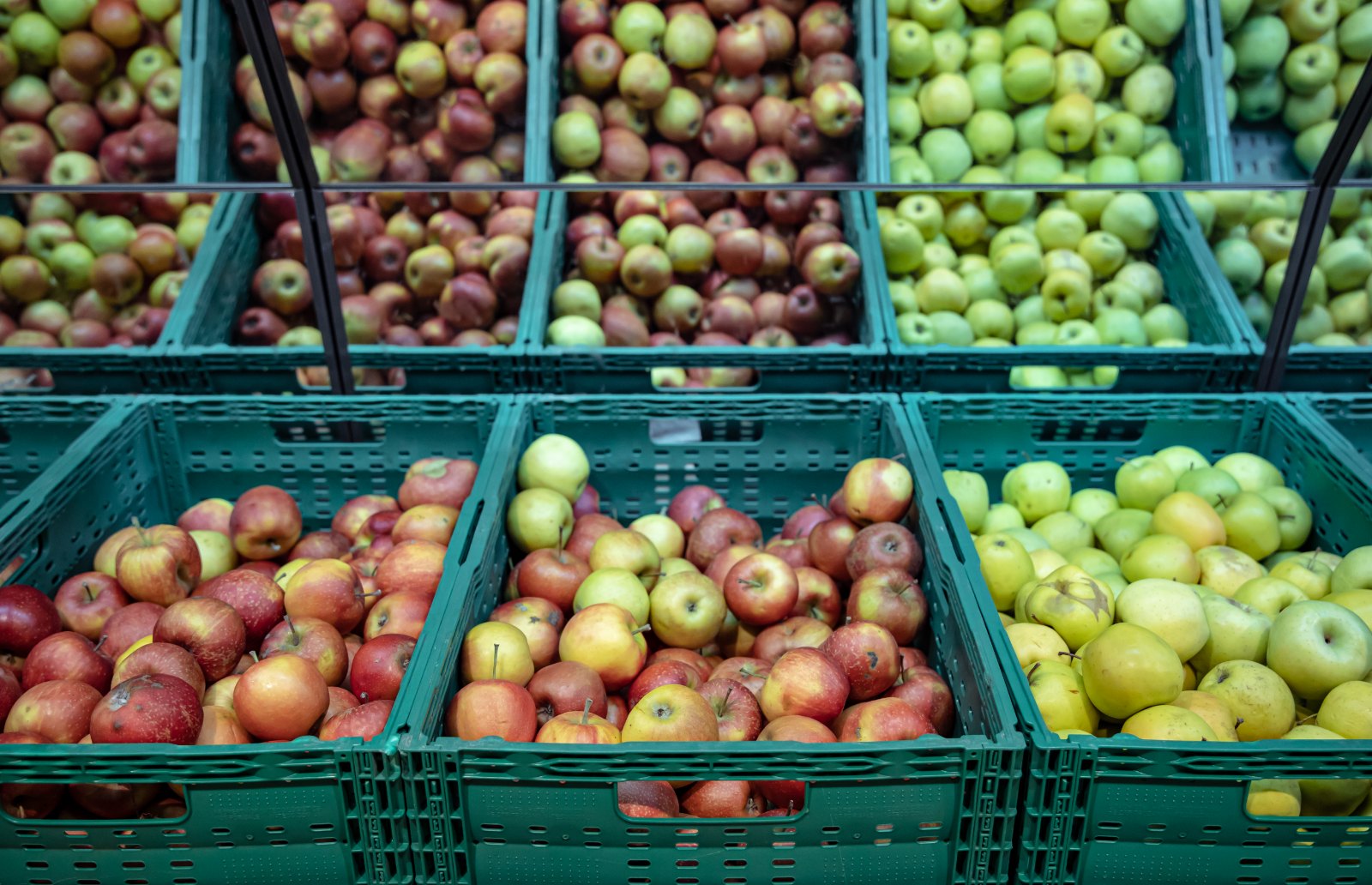
Quantities depend on the number of people at the table; the site's programme gives them for one person, and this article invents none for a family.
| Aisle | To buy for the week |
|---|---|
| Starches | white rice (basmati or short grain), potatoes, sweet potatoes, packets of bran toast |
| Proteins for "yes" days | fresh sardines, a whole sea fish (sea bream or whiting), a shoulder of lamb, a jointed rabbit |
| Cheese and dairy | natural butter, smen, qechta, kashkaval, cheddar, roumi cheese, mozzarella, processed cheese portions |
| Vegetables, always cooked | squash or pumpkin, courgettes, carrots, mushrooms, ripe tomatoes for the sauce |
| Fruit | dates, apples, pears, grapes, strawberries, bananas, seasonal apricots (green) |
| Sweet groceries | honey, jam, date molasses, sesame halva, tahini |
| Nuts | almonds, walnuts, pistachios (yellow, in measure), plain and unsalted |
| Drinks and spices | green tea, mint for the tea, coffee, salt (green), black pepper (green), cumin, cinnamon (yellow, in small quantity), olive oil (green), sunflower oil for frying |
In the vegetable aisle the list is deliberately short: squash, courgette, carrot, mushrooms and tomato for the sauce cover the whole week. Raw vegetables, onion (red) and garlic (red) are not on it, the system setting them aside. Two habits taken from the programme's first week make the rest easier: on Sunday, prepare a base of cooked rice and boiled potatoes, and mark the "yes" and "no" days before the shopping so you buy only four proteins. Between meals, the system asks that you drink still water (green) to thirst, lukewarm for preference.
Common mistakes with a family menu
Cooking together, parents and children, is also when the most common mistakes come back.
- Rounding the dish out with bread, a yoghurt or a salad "to balance it". White bread, yoghurt and raw greens are in the red zone; the system puts bran toast, aged cheeses and cooked vegetables in their place.
- Two animal proteins on the same plate. Rice with sardines served alongside kefta contradicts the composition rule one source reports.
- Forgetting that kefta counts. Lamb minced meat (orange) uses one of the week's two lamb meals.
- Cooking the sauce with onion and garlic. Both are excluded; the tomato sauce is made with ripe tomatoes, salt, cumin and olive oil.
- Shifting the snack by an hour. A piece of fruit eaten an hour after lunch restarts the two-hour clock. For a child, the rhythm of meals is for the paediatrician to set, not a system.
- Taking up the "sugar" pillar for the whole table. The system provides white sugar every day; it is its most disputed point and it has no place on a child's plate, nor on that of someone with diabetes, without medical advice.
Frequently asked questions
Is this balanced family menu suitable for children?
The system's sources refer children, pregnant and breastfeeding women to a specialist consultation, and the site's guide offers nothing for them. The meals in this article are composed for the adults of the household. A child eats what their paediatrician judges suitable, which in conventional paediatrics includes the eggs, dairy and legumes the system sets aside.
What replaces chicken in the week's dishes?
The system offers pigeon, quail, rabbit and sea fish, all in the green zone and not rationed by the week; chicken and turkey are excluded in every form. Sunday's stewed rabbit plays the part of the weekend roast.
Can bread be served with these meals?
No, according to the system's lists: white bread, khobz, round wholemeal loaves and semolina breads appear on no admitted list. Only bran toast is admitted. Rice replaces bread at almost every meal.
How often is lamb eaten in the week?
Two meals a week in all, a quota shared with goat and camel, according to the site's database. The menu uses only one; a lamb kefta on Sunday in place of the rabbit would use the second. Beef has its own envelope, of one meal a week.
Further reading
The rule that organises the week's proteins is detailed in one day yes, one day no: the Nidam al-Tayyibat protein rule, and the rhythm of intakes in the two-hour rule. The article on the five food zones of the Nidam al-Tayyibat explains the menu's colour dots; the one on the cheeses and dairy admitted details what replaces milk and yoghurt at the family table. Each entry in the food database gives the zone, the condition and the position of conventional nutrition.
Disclaimer
This article describes a food system for information. It does not replace medical advice. In case of illness, current treatment, pregnancy or diabetes, speak to your doctor before any change of diet.