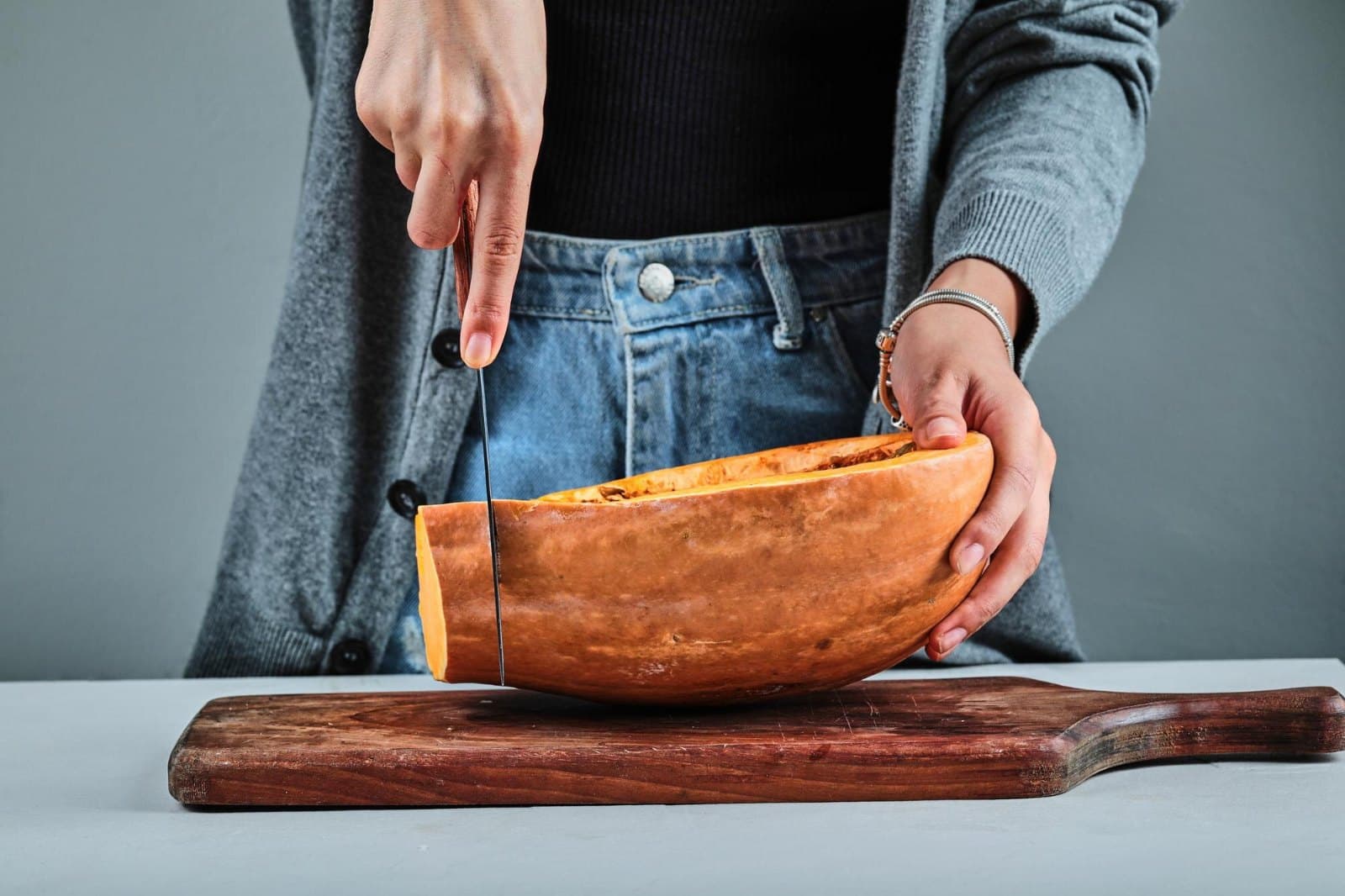
Nidam al-Tayyibat, the eating system described by Dr Diaa Al-Awadi (1979–2026), offers no healthy eating for women distinct from that of men: the same palette, the same two-hour rule, the same alternation of protein days. This article shows what that diet looks like when built only from the foods admitted by the site's food database, where it finds iron, calcium and omega-3, and on which points medical institutions dispute it.
What the system says, and does not say, about women's eating
The system reasons neither in nutrients nor in quantities. Through its eleven daily rules, it asks you to eat the foods of the palette when hunger is real, to stop before full satiety, to leave at least two hours between eating occasions and to alternate days with and without animal protein. Nothing in it distinguishes women from men.
On two situations, however, every source agrees: pregnancy and breastfeeding are a matter for the doctor, and the site's guide states that it "offers nothing" for pregnant or breastfeeding women. A woman on any treatment is sent the same way to her doctor before any change.
The key nutrients of a balanced diet for women
Conventional nutrition insists, in women, on a few nutrients: iron, calcium, folate, omega-3 and good hydration. The system never names them. The paragraphs that follow therefore cross the two readings: for each nutrient, what the site's database reports of the classical view, then what the palette keeps or sets aside.
Iron
The foods of the palette the database associates with iron are first of all animal: lamb's liver (green), which the system admits with no weekly allowance, pigeon (green), whose entry recalls that it is a lean poultry rich in iron, lamb (orange, two meals a week, an allowance shared with goat and camel) and beef (orange, one meal a week, shared with buffalo). According to the system, these foods are eaten only on "yes" days.
Two plant sources of iron that conventional nutrition puts forward are set aside: legumes (red), whose entry recalls that they bring plant protein, fibre and iron, and spinach (red). A woman whose iron is low should not count on the system to put it right; that question belongs to the doctor.
Calcium and vitamin D
The system sets aside cow's milk (red), yoghurt (red) and quark (red), which it files among fresh dairy, although the milk entry recalls that it is a recognised source of calcium and protein. In their place, the palette keeps the aged cheeses: cheddar (green), kashkaval (green), parmesan (green), roumi cheese (green), gouda or edam (yellow, aged version only). Two other admitted foods are cited by the database for their calcium: fresh sardine (yellow, fresh, on protein days), bones included, and tahini (green). Vitamin D is not addressed by the system's sources.
Folate (vitamin B9)
This is the most delicate point. The folate sources conventional nutrition cites first — raw greens (red), spinach and legumes — are all red zone; the raw-greens entry says it explicitly: fibre, folate, vitamin K. The site's database documents no source of folate within the palette. A woman considering pregnancy must put the question to her doctor, and the system itself sends her there.
Magnesium and omega-3
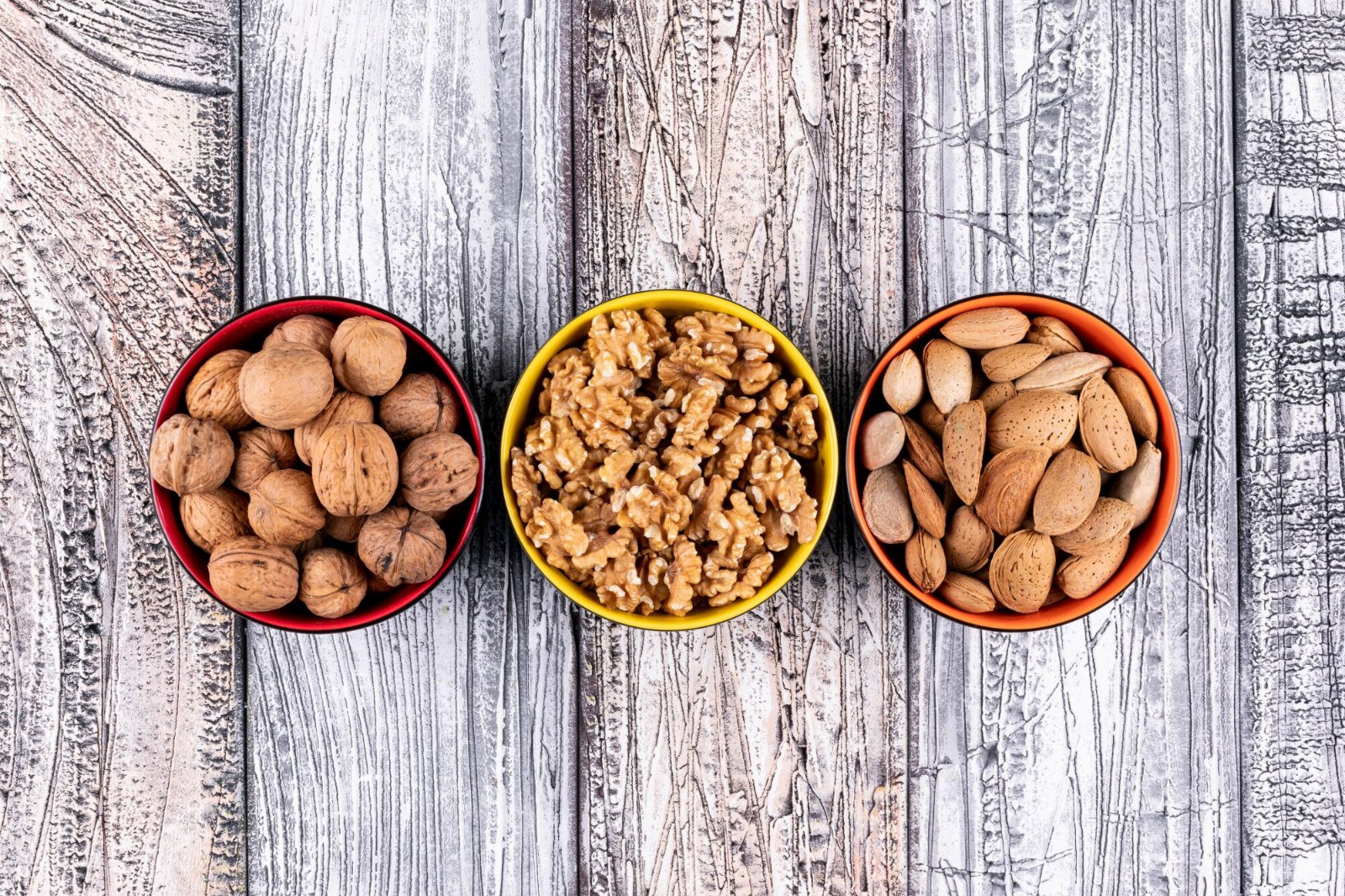
Here the palette is better supplied. Almonds (yellow, in measure, plain and unsalted) are described in their entry as a good source of fat, vitamin E and magnesium; walnuts (yellow, in measure) as the best plant source of omega-3 among nuts. Sea fish (green, grilled for preference) and sardine bring the marine omega-3, conventional nutrition recommending fish twice a week, one of them oily. Olive oil (green) completes the picture; flaxseed (red) is excluded.
Hydration
According to the system, you drink by thirst, with no quota, preferably lukewarm still water, between meals rather than during. Green tea (green, without milk), mint tea (green), karkadeh (green) and herbal infusions (green, without milk) are admitted; black tea (red) and sodas (red) are set aside in favour of green tea and karkadeh.
Key nutrients and the palette
| Nutrient | Common sources in conventional nutrition | What the palette sets aside | What the palette keeps |
|---|---|---|---|
| Iron | red meat, legumes, spinach | legumes, spinach (red) | lamb's liver (green), pigeon (green), lamb and beef (orange, weekly allowances) |
| Calcium | milk, yoghurt, cheeses, sardine | milk, yoghurt, quark (red) | cheddar, kashkaval, parmesan, roumi (green), aged gouda (yellow), sardine (yellow), tahini (green) |
| Folate | greens, spinach, legumes | all three (red) | no source documented in the database |
| Omega-3 | oily fish, walnuts, flaxseed | flaxseed (red) | sea fish (green), sardine (yellow), walnuts (yellow), olive oil (green) |
Where it parts from conventional nutrition
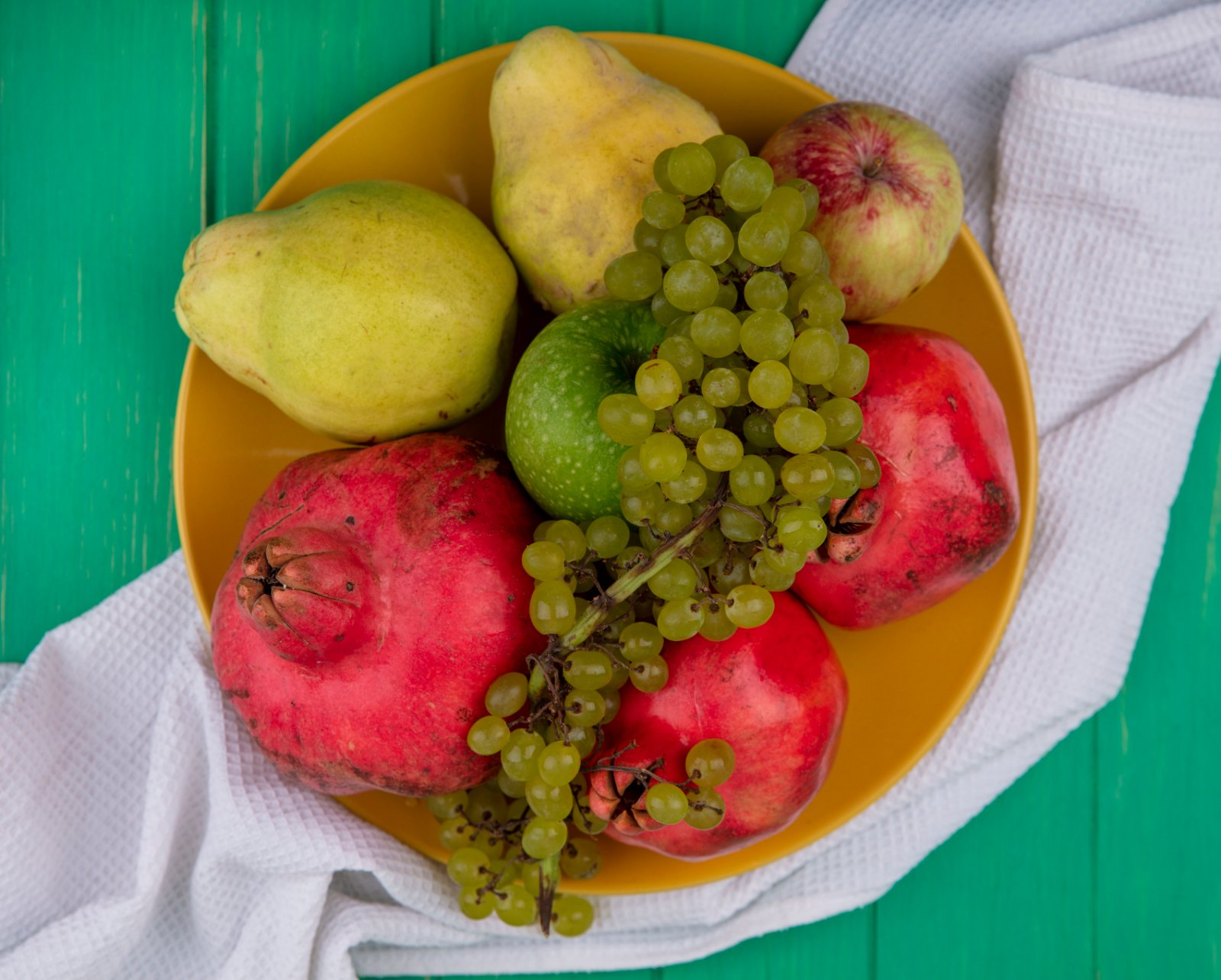
The table shows what strikes dietitians: the palette sets aside whole families that medical institutions judge useful to women — fresh dairy, legumes, raw vegetables — and eggs (red), which the entry describes as one of the best-absorbed proteins. The guide notes that "no" days, where protein comes from aged cheeses, tahini and nuts, reach the conventional marker of about 0.8 g of protein per kilo per day less easily.
The most disputed point remains the "sugar" pillar: the system places white sugar (green, 5 to 15 tablespoons a day according to a single source) among its five daily foods, the opposite of public-health recommendations. Nothing here recommends that intake; the article reports that the system provides for it. Dates (green, 1 to 6 a day according to the system) and white rice (green) change blood sugar: a woman with diabetes or prediabetes does not adopt them as pillars without medical advice.
A typical day built from the palette
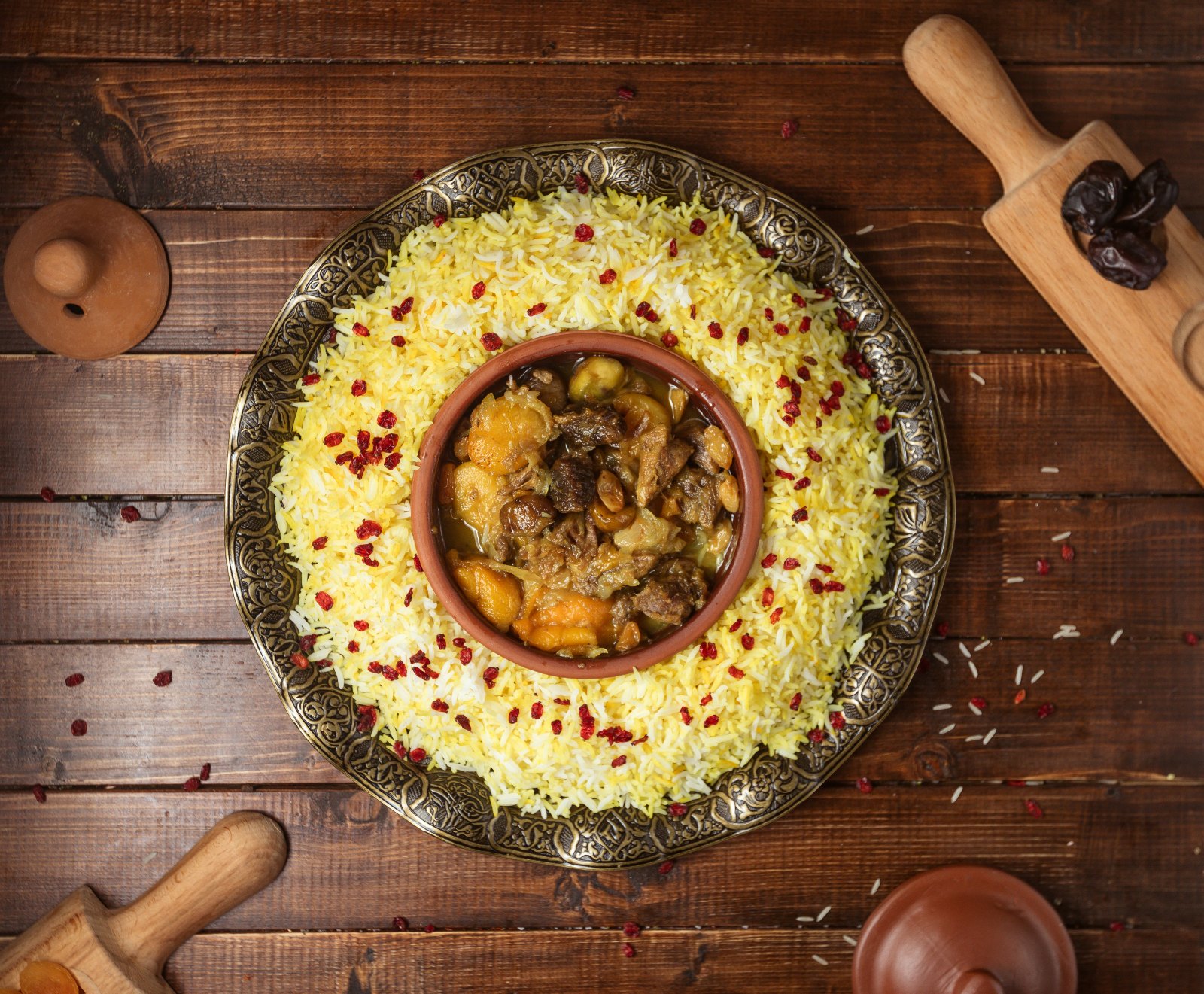
Here is a "yes" day taken from the first week of the site's programme. Dessert and tea are taken during the meal, as the two-hour rule requires.
- Morning. Bran toast (green), butter (green) and honey (green); green tea without milk.
- Midday. White rice, fresh sardines grilled with salt, squash (green, cooked) roasted in butter; a few strawberries (green) taken right away.
- Afternoon, at least two hours later. Two or three dates, coffee (green, without milk).
- Evening. Oven potatoes (green) with smen (green), a slice of kashkaval; an infusion without milk.
A "no" day takes the same bases without meat or fish: potatoes with smen, courgettes (yellow, always cooked), grapes (green), then squash soup, bran toast and roumi cheese.
Expert tips
These organising tips come from the system's sources and from the site's team; they are practical markers, not medical advice.
- Map the week on a sheet of paper, "yes" and "no" days included, before shopping: that is the sources' instruction for the third week of the transition, the most demanding one.
- Keep a starch base in the fridge — cooked rice and boiled potatoes — so you are not caught out when the bread disappears.
- Replace rather than remove. Every fresh dairy product has its equivalent in the palette: qechta (green) for cream, cheddar or kashkaval for the cheese at snack time.
- Take the dessert, the fruit and the tea during the meal, not an hour later, or the two-hour countdown starts again.
- Move in stages. The sources advise a four-week transition, one food family at a time.
- Write down what goes wrong. Persistent fatigue, dizziness, digestive trouble, unusual thirst: the guide advises telling the doctor rather than waiting.
The most common mistakes
- Applying the system while pregnant or breastfeeding. Every source, including those that defend it, refers to the doctor.
- Forgetting the condition behind the zone. The apple (green) is eaten peeled for preference, the courgette always cooked, the almonds in measure.
- Replacing yoghurt with a plant milk. Plant milks (red) are set aside like milk; the palette offers qechta and aged cheeses.
- Assuming a food with a healthy reputation is admitted. Avocado (red), oats (red) and quinoa (red) are excluded despite their reputation.
- Changing a treatment. The guide makes this its rule zero: a treatment is never reduced or stopped without the doctor's agreement.
Frequently asked questions
Does Nidam al-Tayyibat provide a different diet for women?
No. The sources describe one palette, one two-hour rule and one alternation of protein days for all adults. Needs specific to women — iron, calcium, folate — are not addressed.
Can a pregnant or breastfeeding woman follow the system?
The system's sources and the site's guide all refer to a medical consultation and offer nothing for these situations. The palette sets aside foods conventional nutrition judges important during pregnancy, including the main sources of folate. The decision belongs to the doctor, not to an eating system.
Where is the calcium without milk or yoghurt?
In the palette, the aged cheeses (cheddar, kashkaval, parmesan, roumi, aged gouda), fresh sardine with its bones and tahini are the foods the site's database associates with calcium. Conventional nutrition recalls that milk and yoghurt, excluded here, remain recognised sources.
Does the system make you lose weight?
No one has measured it in published work, and this site reports no testimonial and no figure. The system does not count calories: it removes bread and processed products, but adds rice, butter, dates and sugar. The effect can therefore go either way.
What should you do about low iron or anaemia?
See a doctor. The palette keeps animal sources of iron on "yes" days (lamb's liver, pigeon, red meats within their allowances), but sets aside legumes and spinach. A deficiency is diagnosed and treated with a doctor, not with a food list.
Further reading
The article on the five food zones of Nidam al-Tayyibat explains the colour dots and the conditions. The one on the cheeses and dairy admitted details the equivalents of milk and yoghurt; the "one day yes, one day no" rule sets out the meat allowances; the two-hour rule governs the rhythm of eating occasions. Every entry in the food database gives the zone, the condition and the view of conventional nutrition.
Disclaimer
This article describes an eating system for information. It does not replace medical advice. In case of illness, ongoing treatment, pregnancy or diabetes, talk to your doctor before any change of diet.