Nidam al-Tayyibat, the eating system described by Dr Diaa Al-Awadi (1979–2026), does not distinguish men from women: the same food palette, the same two-hour rule and the same alternation of protein days apply to all adults.
The question of healthy eating for men nevertheless comes up differently: the place of meat, protein, physical activity, alcohol. This article shows how the system answers each of those points, from the site's food database, the guide and the programme menus, and reports each time the view of conventional nutrition, which disputes several of its positions.
What the system says, and does not say, about men
The system's eleven daily rules contain no instruction tied to sex. According to the system, everyone eats the foods of the palette when hunger is real, stops before full satiety, builds simple meals, leaves at least two hours between eating occasions, alternates days with and without animal protein, cooks without onion or garlic and moves every day. The system counts neither calories nor portions.
Nor does it promise anything. A man on treatment — for blood pressure, diabetes or anything else — is sent to his doctor before any change, and the guide makes "never stop a treatment" its rule zero.
Building a balanced plate day to day

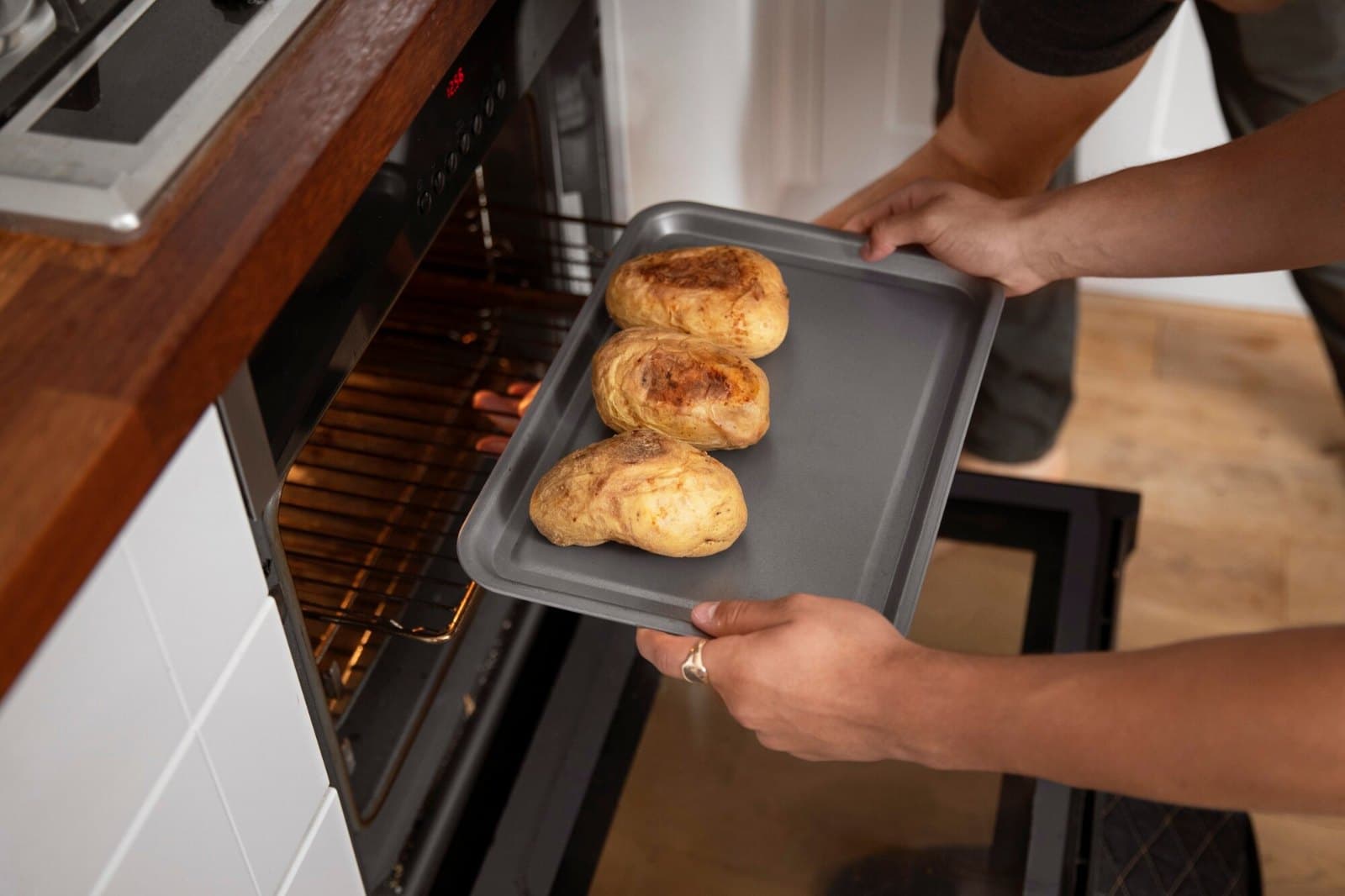
The typical meal formula, as the system's sources give it, holds three elements: a base starch, white rice (green) or potato (green); an admitted protein if it is a "yes" day; a natural fat — butter (green), smen (green) or olive oil (green). A cooked vegetable completes the plate.
"Yes" days
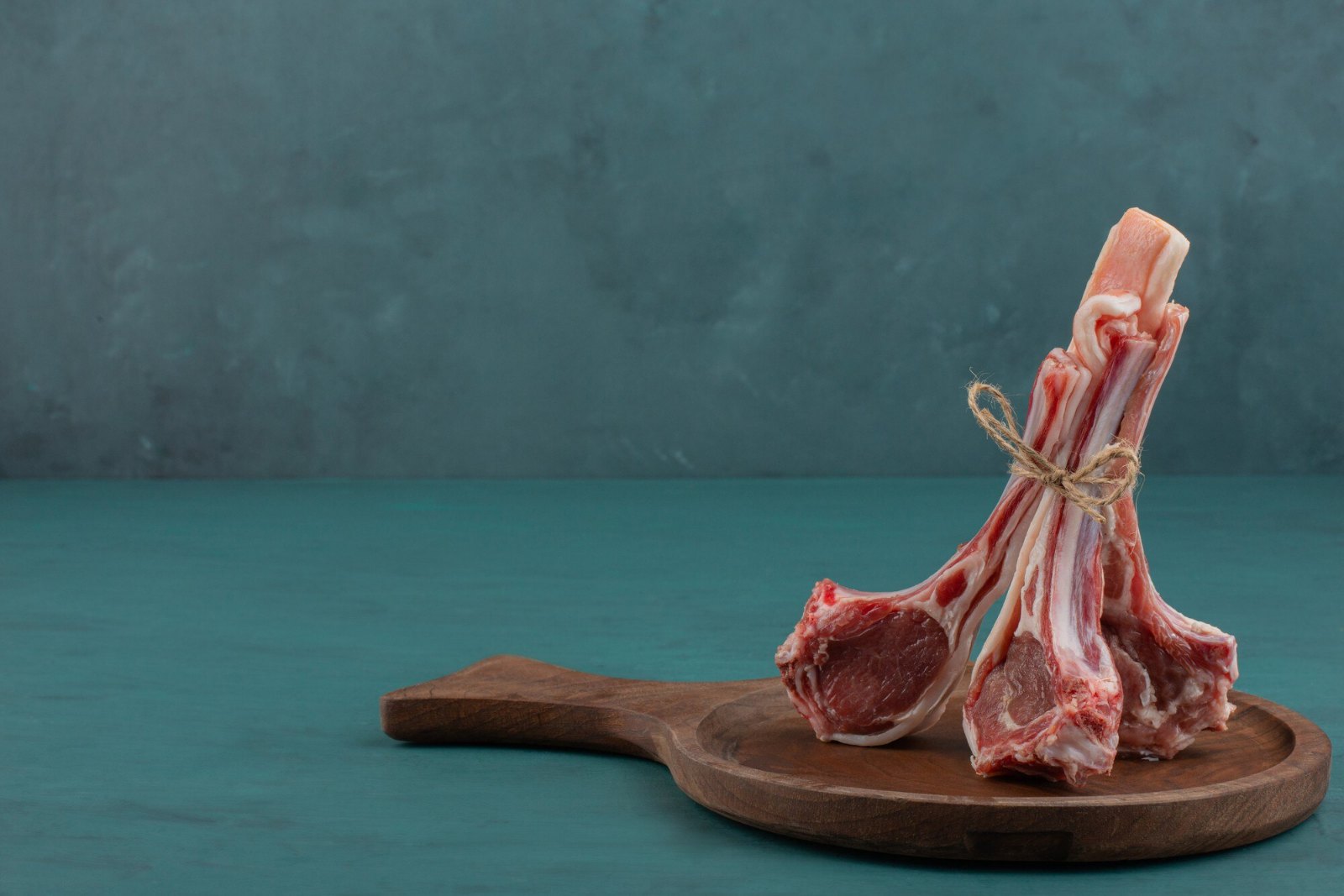
Red meat is rationed by the week. Beef (orange, one meal a week, an allowance shared with buffalo) is prepared by the "method" reported by one source: boiled first, then seared in smen, rather than grilled directly. Lamb (orange, two meals a week, an allowance shared with goat and camel) is described as the system's preferred meat. The other "yes" day proteins carry no weekly allowance: sea fish (green, grilled for preference), fresh sardine (yellow, fresh, on protein days), pigeon (green), quail (green), rabbit (green) and lamb's liver (green). One source adds: no two animal proteins on the same plate.
"No" days
They are built around the pillars, aged cheeses such as kashkaval (green) or cheddar (green), qechta (green), tahini (green), cooked vegetables and fruit. The system considers those days a rest for digestion; that is its explanation, not an established fact.
Vegetables, always cooked
The system sets raw vegetables aside as a whole. The admitted vegetables are admitted cooked: squash (green, cooked), courgette (yellow, never raw), carrot (orange, cooked only), aubergine (orange, cooked only), mushrooms (green, cooked), tomato (orange, cooked in sauce for preference). Lettuce (red), cucumber (red), onion (red) and garlic (red) are excluded, the last two cooked as well as raw.
| Meal | "Yes" day | "No" day |
|---|---|---|
| Lunch | white rice, beef boiled then seared in smen (orange, the week's single meal), cooked carrots (orange) | white rice, mushrooms sautéed in butter, roasted sweet potato |
| Dinner | oven potatoes with smen, roasted squash | squash soup, bran toast, roumi cheese |
| Dessert, taken right away | grapes or a peeled apple | dates, a few almonds |
These examples come from the first-week menus of the site's programme. Dessert and tea are taken during the meal, the two-hour rule counting from the last bite.
Protein: what the system provides and what dietitians say
This is where the system diverges most from conventional nutrition. The guide recalls that conventional nutrition puts an adult's needs at around 0.8 g of protein per kilo per day, more in athletes and older people. Yet the system alternates days with and without animal protein, and its palette sets aside three common sources: eggs (red), which the entry describes as one of the best-absorbed proteins; chicken (red), a reference lean meat whose exclusion is among the system's most disputed positions; and legumes (red), a source of plant protein, fibre and iron. Turkey (red), charcuterie (red) and tinned tuna (red) are excluded likewise.
On "no" days, protein comes from aged cheeses, tahini and nuts such as almonds (yellow, in measure) or walnuts (yellow, in measure). The guide notes that those days reach the conventional marker less easily, and that dietitians raise a flag on this.
Muscle, physical activity and recovery

The system asks for daily movement — it is one of its eleven rules: a daily walk or simple exercises, with no brutal sports programme in the first week. The sources speak of "internal combustion"; that is the method's vocabulary, not a medical notion.
Beyond that rule, the sources documented on this site say nothing about sports nutrition: no instruction on the meal before or after exercise, no protein amount, no mention of supplements. Conventional nutrition does raise its protein markers for athletes; that question is settled with a doctor or a dietitian.
A recovery meal built from the palette
To stay inside the palette on a "yes" day, the simplest post-exercise meal follows the system's formula: white rice or potatoes, grilled sea fish or pigeon roasted in butter, squash or cooked courgettes, then a fruit such as banana (green) or grapes (green), taken right away. On a "no" day, the same starch comes with kashkaval and almonds.
Hydration
The system asks you to drink by thirst, with no quota, preferably lukewarm still water, between meals rather than during. Energy drinks (red) and sodas (red) are excluded; the database offers instead sugar-cane juice (green), tamarind drink (green), karkadeh (green) or fruit juices (yellow), to which conventional nutrition prefers the whole fruit.
Sugar, salt, alcohol: the system's positions
- Sugar. White sugar (green, 5 to 15 tablespoons a day according to a single source) is one of the system's five daily pillars. It is its most disputed position: public-health recommendations cap free sugars, and the database entry speaks of a real risk in case of diabetes or insulin resistance. Nothing here recommends that intake.
- Salt. Salt (green) is admitted without condition by the database, which gives no amount. Stock cubes (red) and industrial sauces are excluded.
- Alcohol. Alcohol (red) is excluded in every form — wine, beer and spirits.
Expert tips
These organising markers come from the system's sources and from the site's team; they are not medical advice.
- Plan the "yes" and "no" days on a sheet of paper before shopping, counting the allowances: two meals of lamb, goat or camel, one meal of beef, buffalo or veal. A lamb tagine with dried apricots (green) shared with the family uses one of the week's two lamb meals.
- At someone else's table or in a restaurant, the sources advise choosing what comes closest to the palette — rice, cooked vegetables, grilled meat or fish, fruit — declining the bread and the salad, and asking for no lemon, no onion and no industrial sauce.
- Take the mint tea right after the meal, not an hour later: in Morocco it often arrives late, and the two-hour rule would start again from that moment.
- Keep a starch base in the fridge — cooked rice and boiled potatoes — for evenings with no time.
- Start with walking, not with an intensive programme: that is the sources' instruction for the first week.
The most common mistakes
- Eating red meat every day. The system alternates it every other day and rations it by the week; two lamb meals use up the first allowance.
- Replacing chicken with turkey, or sea fish with tinned tuna. Both are red zone, like farmed salmon (red).
- Relying on "no" days without thinking them through. With no eggs and no legumes, those days rest on aged cheeses, tahini and nuts; that is the point dietitians flag.
- Cooking meat with onion and garlic. Both are red zone; cumin (green), black pepper (green) and salt do the seasoning.
- Adopting the "sugar" pillar with treated diabetes or blood pressure. The system itself refers to the doctor; medical institutions judge that position risky.
Frequently asked questions
Does Nidam al-Tayyibat set different rules for men?
No. The sources describe one palette, one two-hour rule and one alternation of protein days for all adults. Needs specific to men, and to athletes in particular, are not addressed.
How much red meat a week according to the system?
Two meals for lamb, goat and camel together, one meal for beef, buffalo and veal together, the two allowances being independent; minced meat and beef offal count within them. Sea fish, pigeon, quail and rabbit are not rationed.
Can an athletic man follow the system?
The sources say nothing about sports nutrition. Conventional nutrition raises protein markers for people who train, and the system's "no" days reach them with difficulty. The question belongs to a doctor or a dietitian.
Does the system allow alcohol?
No. Alcohol is red zone in every form; water, green tea, karkadeh and the admitted juices are the drinks of the palette.
Does the system make you lose belly fat or weight?
No one has measured it in published work, and this site reports no testimonial and no figure. The method removes bread, processed products and sugary drinks, but adds rice, butter, dates and sugar; the effect can go either way.
Further reading
The article on the "one day yes, one day no" rule details the weekly meat allowances and the proteins of "yes" days. The one on the five food zones of Nidam al-Tayyibat explains the colour dots and the conditions, and the two-hour rule governs the rhythm of eating occasions. To plan the week and the shopping, the guide on organising the week's meals completes the picture. Every entry in the food database gives the zone, the condition and the view of conventional nutrition.
Disclaimer
This article describes an eating system for information. It does not replace medical advice. In case of illness, ongoing treatment, pregnancy or diabetes, talk to your doctor before any change of diet.