A weekly weight-loss menu usually means counted calories, weighed portions and plates of salad. Nidam al-Tayyibat, the eating system described by Dr Diaa Al-Awadi, counts nothing, weighs nothing and leaves raw vegetables out. This article explains what the system offers someone who wants to lose weight, gives seven days of meals built only from the site's food database, and reports what conventional nutrition thinks of it.
What the system says, and does not say, about weight loss
The system's sources measure nothing. The site's guide answers the question "does the system make you lose weight?" with "we do not know": no one has evaluated it in published work, and the site reports no testimonial and no figure. Nidam al-Tayyibat does not present itself as a slimming diet but as a way of life.
What the method brings to someone who wants to slim down lies in four of its rules: eat only when hunger is real, stop before full satiety ("leave a quarter of the plate"), build simple meals of two or three elements, and leave at least two hours between two eating occasions, which removes snacking. It also takes out white bread (red), pastries (red), biscuits (red), sodas (red) and industrial juices (red).
Conventional nutrition reasons differently: a moderate calorie deficit, protein and fibre at every meal, vegetables in volume, legumes and whole grains. Yet the system excludes legumes (red), raw greens (red), oats (red) and brown rice (red), and places in the green zone white rice, butter, dates and white sugar, which it recommends daily. Medical institutions dispute these choices, sugar first. This article does not take up the "sugar" pillar.
The shape of a balanced slimming day
The system sets no meal times: you eat when hunger is real. A sample day, built from green- and yellow-zone foods, looks like this.
- Morning. Two or three dates (green, 1 to 6 a day according to the system), a slice of aged cheddar (green) or kashkaval (green), a mint tea (green). A short breakfast that holds until lunch if hunger does not come back sooner.
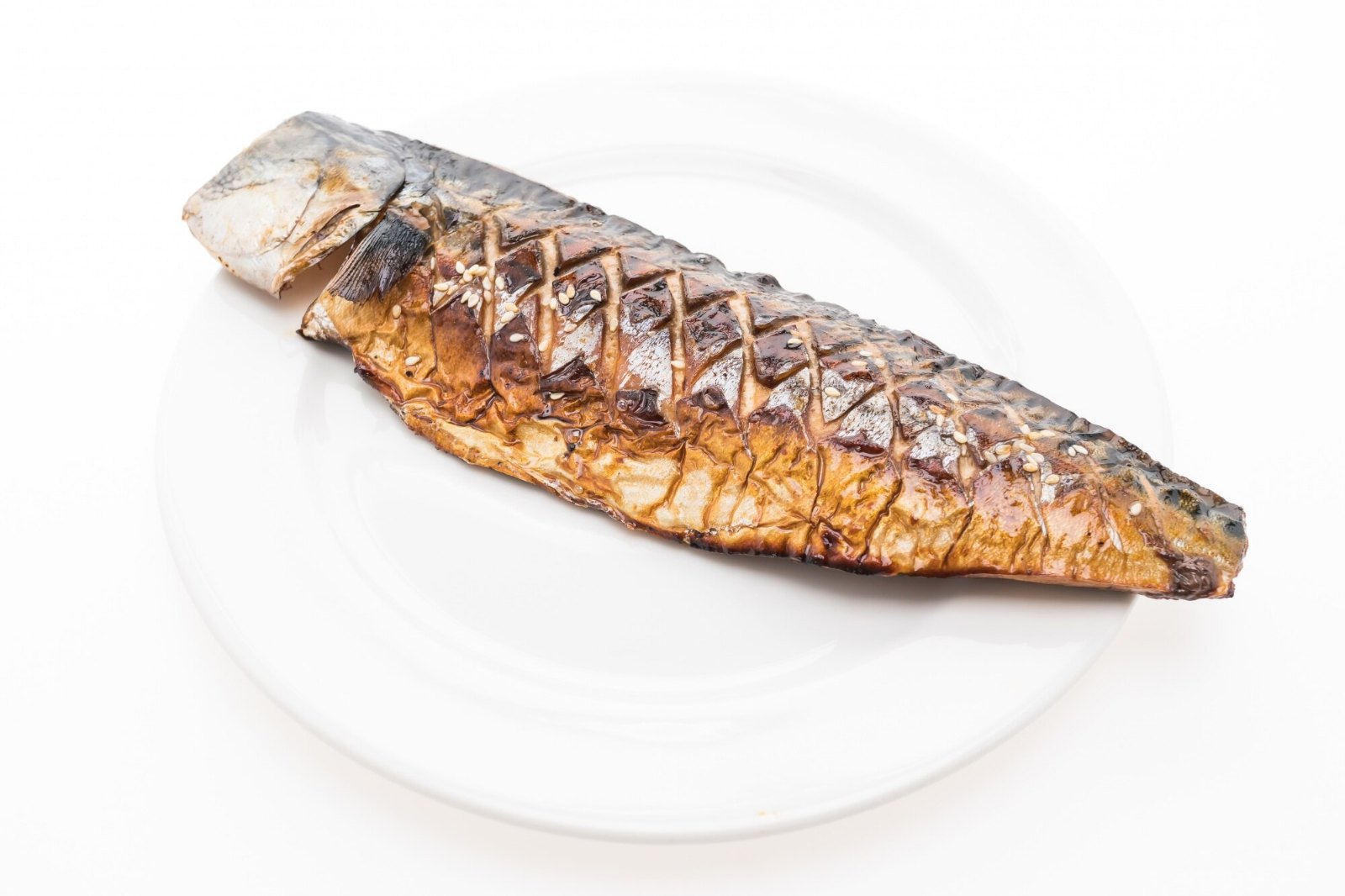
- Midday. White rice or potato (green), one cooked vegetable, and an admitted protein if it is a "yes" day: grilled sea fish (green), fresh sardine (yellow, on protein days), pigeon or rabbit (green). Fruit follows straight away.
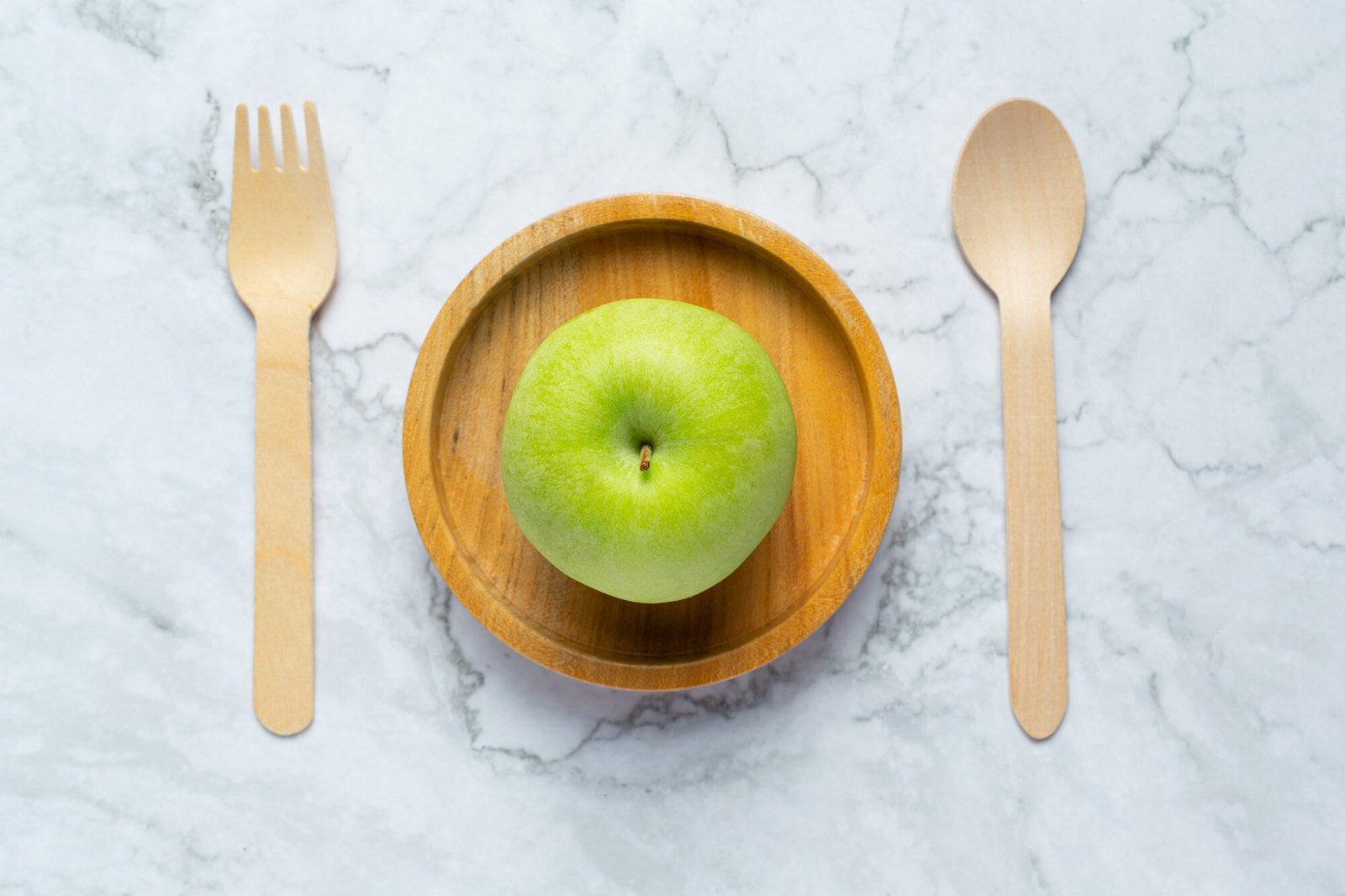
- Afternoon, only if hunger is there. A peeled apple (green) or a small handful of almonds (yellow, in measure, plain), a green tea (green, without milk).
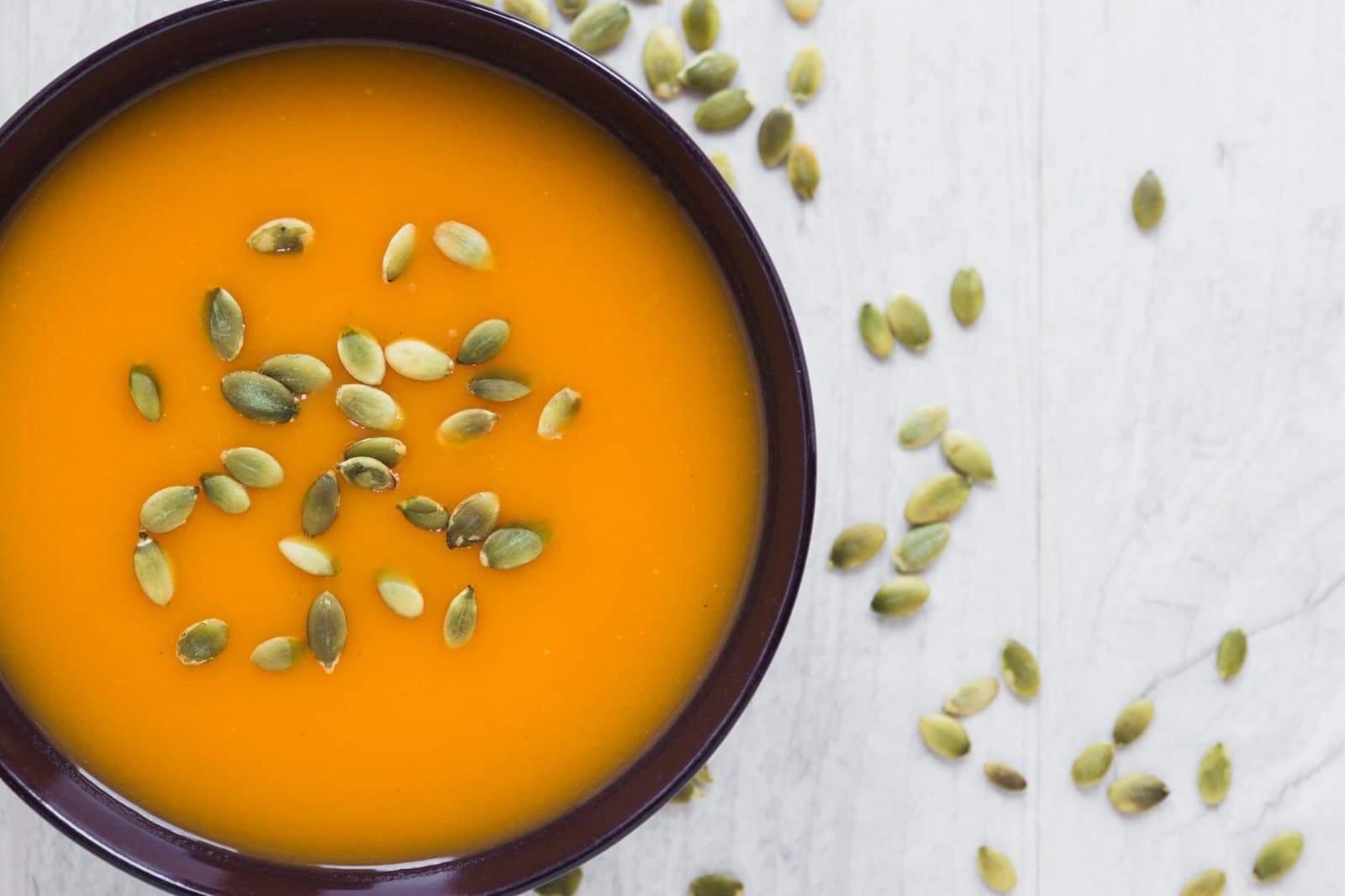
- Evening. A squash soup with butter (green, cooked), a bran toast (green) and an aged cheese.
Between eating occasions, still water (green) when thirsty, lukewarm for preference. Each occasion starts at least two hours after the last bite of the one before; hunger that arrives sooner is met with a glass of water, according to the system's sources. For a person with diabetes or on treatment whose schedule depends on meals, this rhythm is not decided without a doctor.
Weekly weight-loss menu: 7 days of meals
The week follows the logic of the site's programme: days with and without animal protein alternate, no meal carries two proteins, vegetables are always cooked, cooking is done without onion or garlic. The dishes are the lightest in the programme; the system gives no quantities. Everything is green or yellow zone, except the orange foods shown with their condition.
| Day | Type | Lunch | Dinner |
|---|---|---|---|
| Monday | yes | white rice, salt-grilled sardines (yellow), squash roasted in butter | squash soup with butter, bran toast |
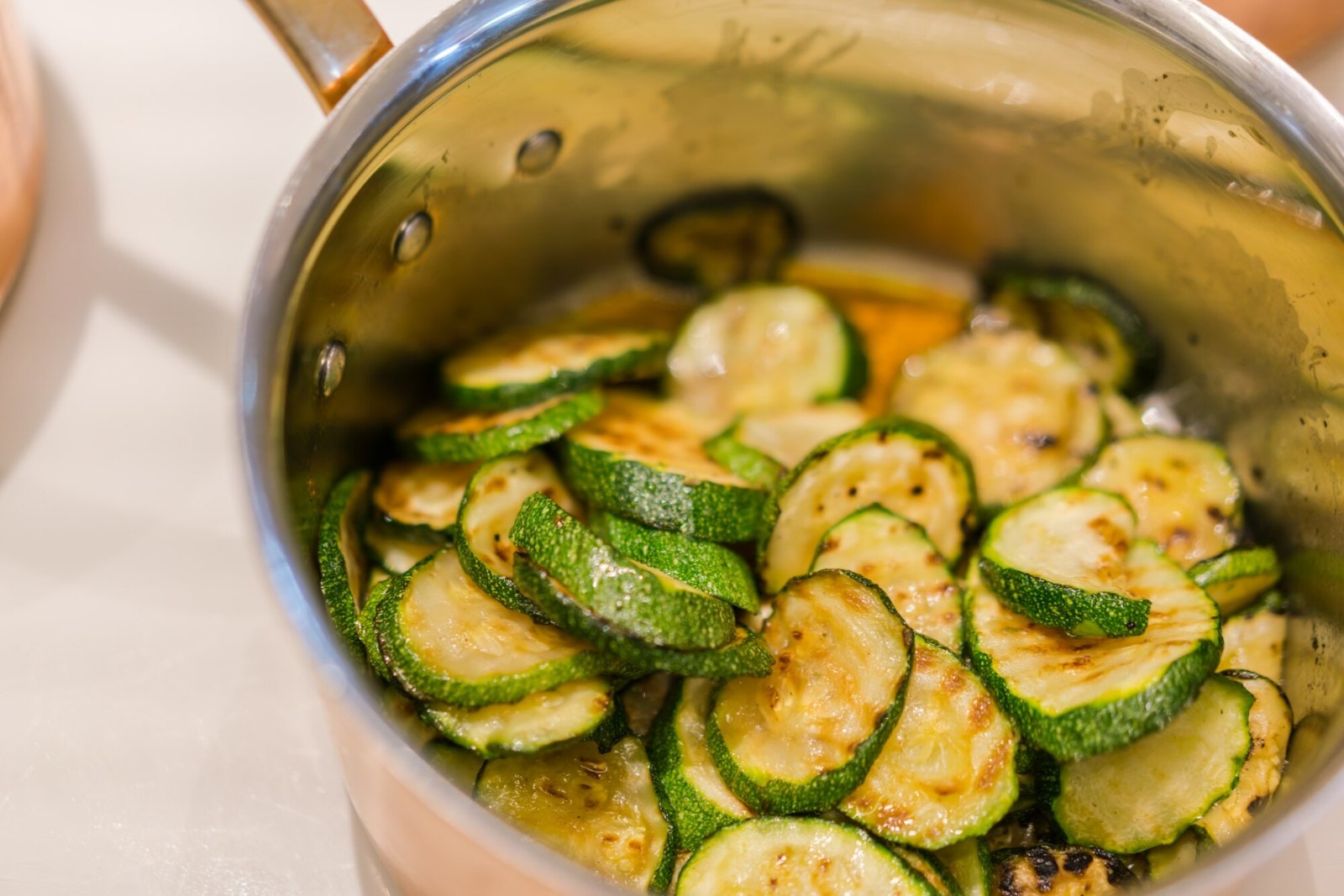
| Tuesday | no | steamed potatoes, courgettes cooked in butter (yellow, never raw); grapes (green) | rice with butter, sautéed mushrooms (green, cooked), roumi cheese (green) |
| Wednesday | yes | oven-baked sea fish, potatoes and cooked carrots (orange, cooked only) | mashed potato with butter; strawberries (green) |
| Thursday | no | courgettes stuffed with rice, cooked tomato sauce (orange, in sauce for preference) | roasted sweet potato (green), kashkaval; herbal infusion (green, without milk) |
| Friday | yes | rabbit stewed in smen (green) with carrots, white rice | courgette soup with butter, bran toast, roumi cheese |
| Saturday | no | white rice, taro and potatoes stewed in butter (green, cooked) | pumpkin soup with ginger (green), bran toast; pear (green) |
| Sunday | yes | white rice, lamb boiled then seared in smen (orange, 2 meals a week, shared allowance), stewed squash | oven potatoes, grilled mozzarella (green); banana (green) |
Breakfasts alternate between dates and aged cheese, bran toast with butter and honey (green), qechta (green) with honey, or halva (green) with cheese, along with a green tea, a mint tea or a black coffee (green, without milk). The programme's rice with butter and sugar is not taken up here.
Satiety strategy: eating less without being hungry
Several of the system's rules lead to satiety without naming it; a squash soup is the simplest illustration: a hot dish, large in volume, low in density, that opens dinner.
- Real hunger as the signal. The system asks you not to eat "because it is time"; one source sums it up: "eat when you are hungry, eat to satiety, then stop".
- Stopping at a quarter of the plate, or "20% before full satiety". In the method, this rule replaces all portion counting.
- Simple meals. Two or three elements, no industrial sauces; the system sees easier digestion in this, which remains its own claim.
- The two hours and the water. Hunger before the delay is over is met with a glass of water; according to the sources, it usually passes.
- Cooked vegetables in volume. Squash, courgette, mushrooms and cooked carrot fill the plate around the starch.
Conventional nutrition recognises two of these levers, the volume of vegetables and the absence of snacking, but sees two missing: the fibre of legumes and whole grains, and protein at every meal. The "no" days, where protein comes from aged cheeses, tahini (green) and dried fruit, struggle to reach the 0.8 g of protein per kilo per day that the guide recalls.
The Moroccan and Mediterranean options to bring in
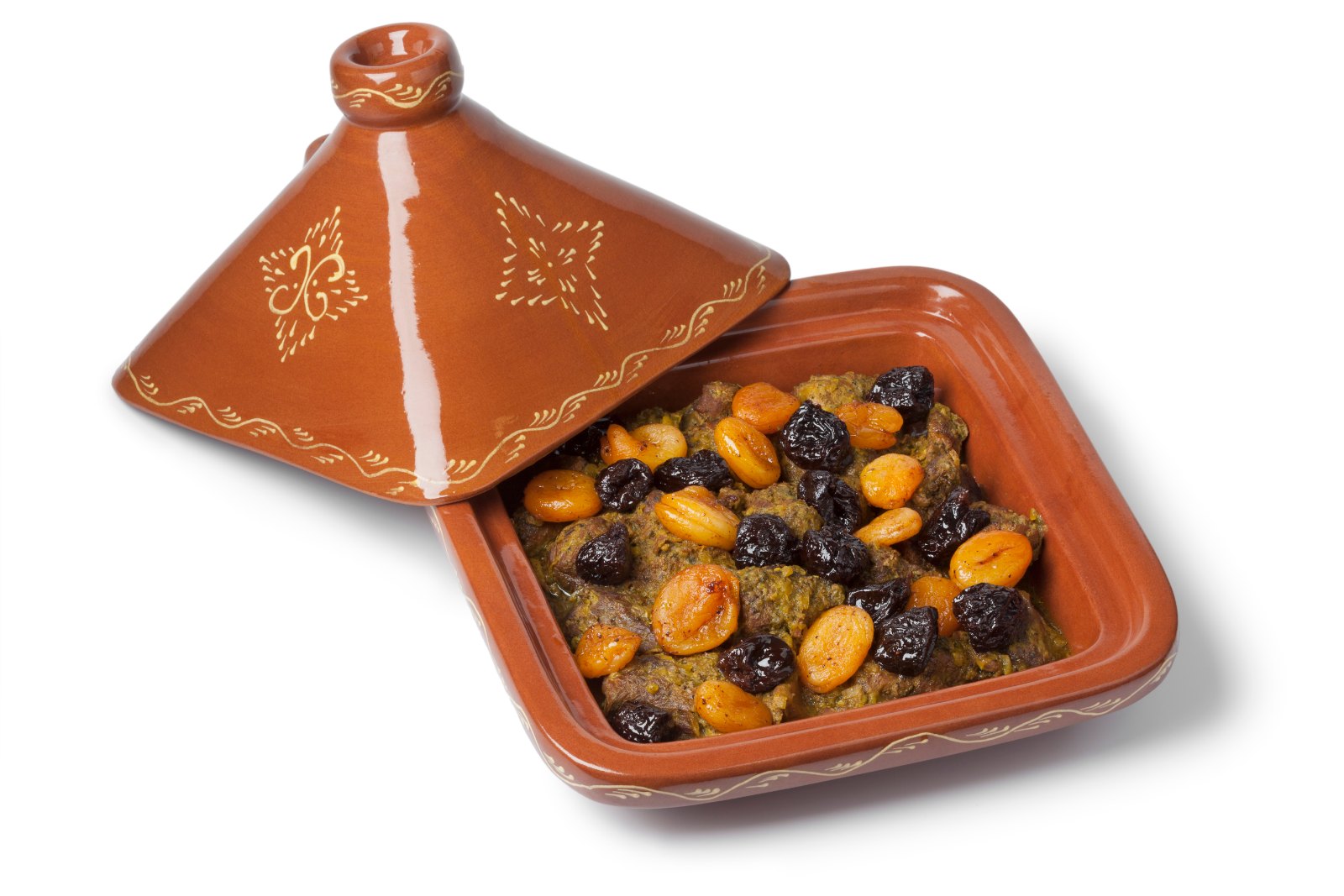
A good part of the Moroccan table passes into the palette, provided a few details change.
- Salt-grilled sardines, the street dish par excellence, are yellow zone on protein days. The system serves them without fresh lemon: lemon (red) is excluded along with all citrus, only preserved lemon (orange, in small quantity) being tolerated. The grilled peppers that usually come with them are out too: pepper (red) is admitted only green, stuffed and cooked (orange).
- Lamb stewed with dried apricots from the programme replaces the tagine eaten with bread; it counts within the allowance of two meals a week.
- Courgettes stuffed with rice in cooked tomato sauce stand in for stuffed vegetables.
- Pumpkin soup with ginger replaces harira, whose lentils and chickpeas are excluded legumes.
- Olives (orange, in small quantity) dressed with olive oil (green) take the place of raw vegetables, which the system leaves out.
- Mint tea stays, but, according to the method, is drunk right along with the meal.
Off the table go couscous (red), bread, msemen, the Moroccan salad of raw tomato, cucumber and onion, chicken (red) and oriental pastries. Conventional nutrition regrets these exclusions, in particular whole-wheat couscous, legumes and salads, which it counts as assets of a slimming meal.
Who this slimming menu is not for
The system is disputed by medical institutions on three points that bear directly on weight: daily white sugar, the place of white rice and that of dates. A person with diabetes or prediabetes, carrying significant excess weight or living with liver disease must not adopt this menu without their doctor; a person on treatment changes neither their meal times nor a medication dose because of an eating system. The menu is not addressed to pregnant or breastfeeding women, to children, or to people with an eating disorder, for whom "eat when hungry, stop before satiety" is not a reliable marker.
The common mistakes
- Looking for weight loss in deprivation. The system does not ask you to skip meals; two hours is a minimum between occasions, not a fast to stretch.
- Replacing bread with more rice. White rice is green zone, but the quarter-of-the-plate rule applies to it too.
- Counting on juices. Fruit juices (yellow) are admitted, but conventional nutrition recalls that they concentrate the sugars without the fibre; whole fruit is preferable.
- Applying the "sugar" pillar. It has no place in a weight goal according to conventional nutrition.
Frequently asked questions
How many calories a day in this weekly weight-loss menu?
The system does not count calories and gives no quantities: it relies on real hunger and on stopping before satiety. This article therefore provides no figure. A dietitian can assess an individual need using conventional markers.
Can you drink sweetened mint tea?
Mint tea is green zone and white sugar is, according to the system, a daily food. Conventional nutrition recommends limiting free sugars sharply; a tea with little or no sugar, taken during the meal, is the compromise this article keeps.
Can the fish be replaced with chicken or tinned tuna?
No, according to the site's database: chicken, turkey and tinned tuna are red zone. The system's alternatives are sea fish, fresh sardine, pigeon, quail and rabbit, admitted on "yes" days.
Is this slimming menu suitable for someone with diabetes?
Not without their doctor. The system itself refers to the doctor and forbids stopping a treatment; medical institutions judge it risky for people with diabetes because of the white rice, the dates and the sugar.
Further reading
The article on the two-hour rule details the rhythm of eating occasions that structures this week, and the one on one day yes, one day no explains how proteins alternate and how the lamb and beef allowances work. For the colour zones in the menu, see the five food zones of Nidam al-Tayyibat; for the conventional view, the guide on the calorie deficit and how it works. Every entry in the food database gives the zone, the condition and the position of conventional nutrition.
Disclaimer
This article describes an eating system for information. It does not replace medical advice. In case of illness, ongoing treatment, pregnancy or diabetes, talk to your doctor before any change of diet.