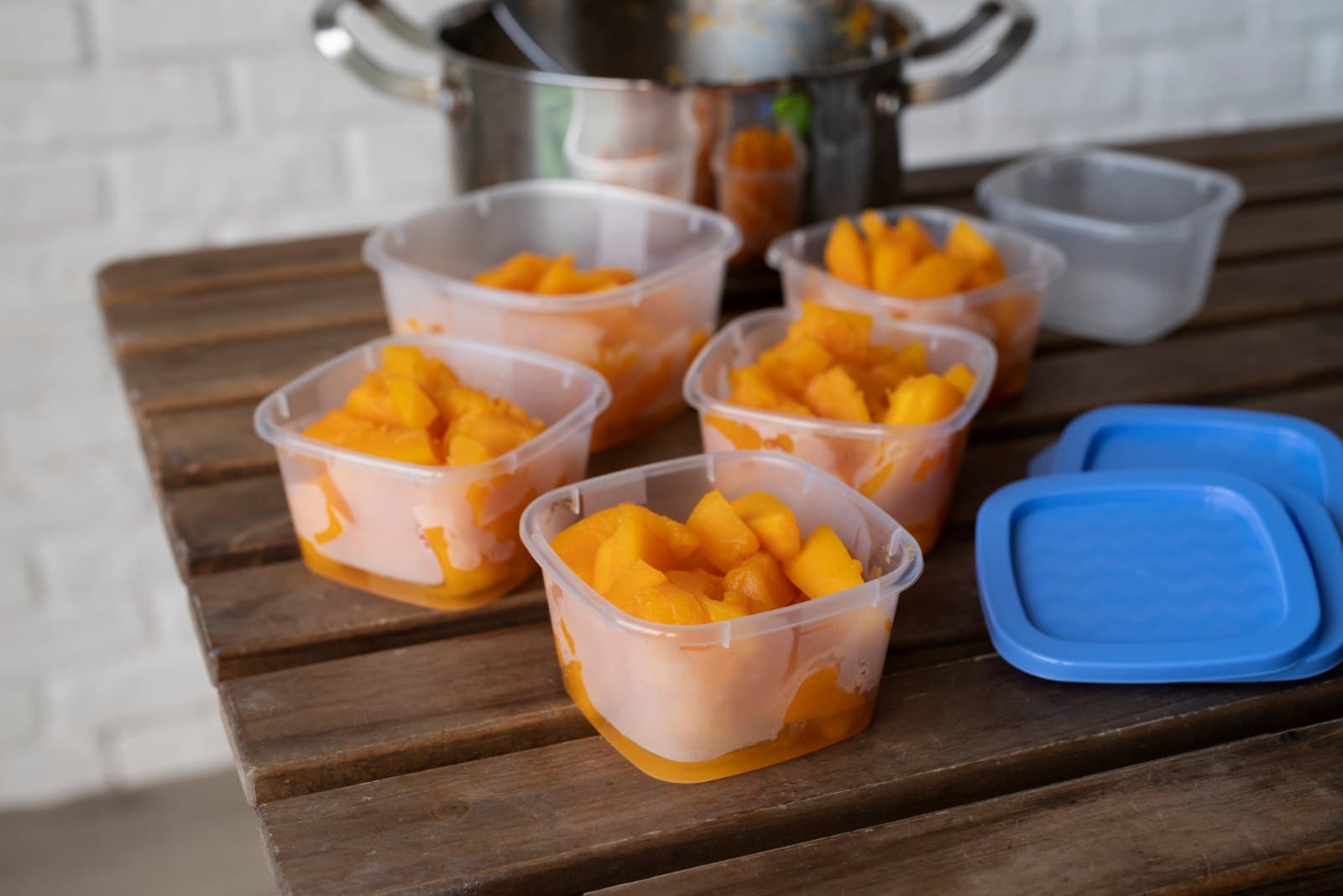
Meal prep means preparing all or part of your meals ahead so you do not cook every day. Nidam al-Tayyibat, the eating system described by Dr Diaa Al-Awadi, gives its beginners the same advice: build a "starch base" in the fridge from day one. This article explains how to organise a first meal-prep session using only foods from the site's food database, while keeping the system's rules.
What is meal prep, and how does it differ from batch cooking?
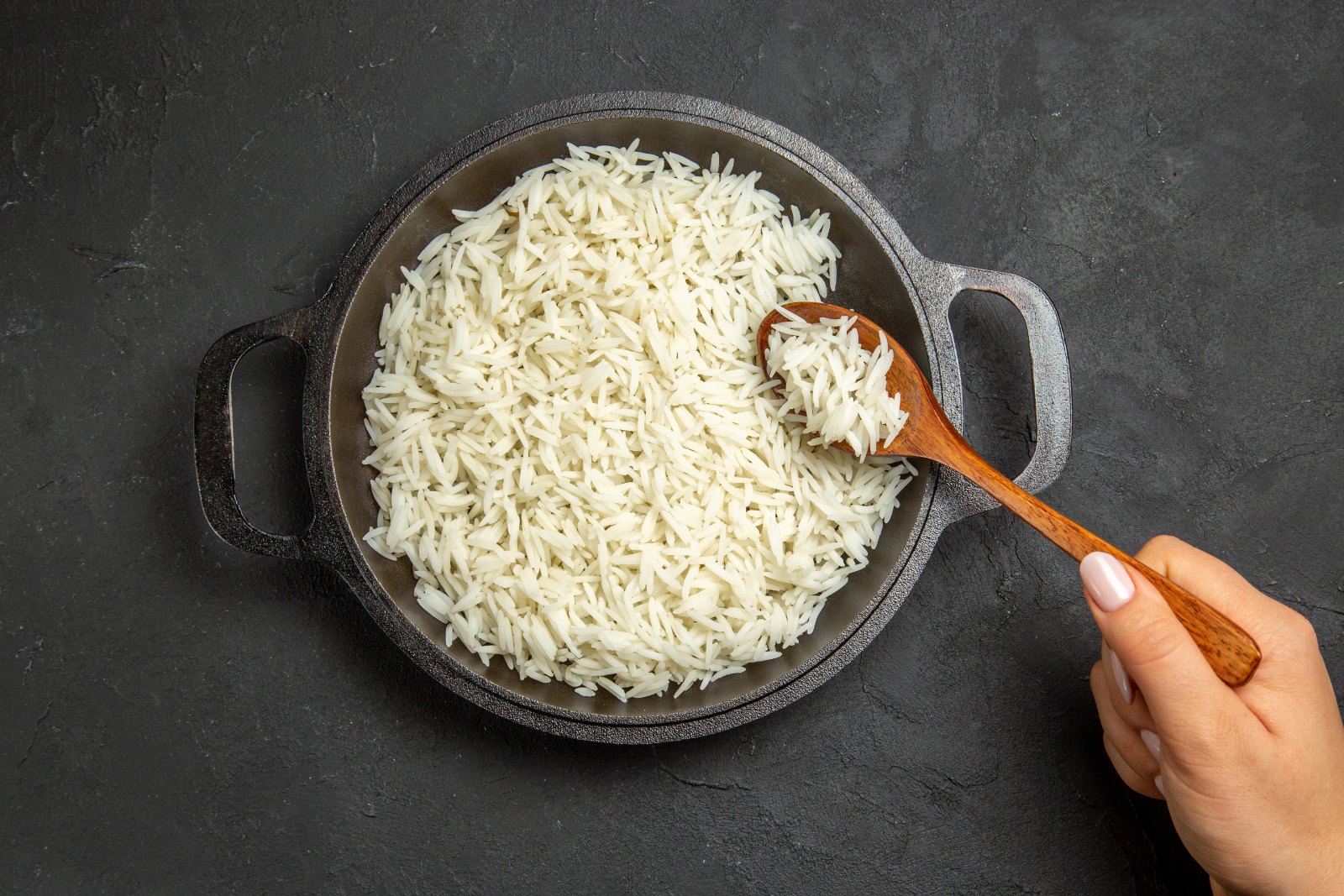
Batch cooking means cooking in quantity, in a single session, preparations eaten over several days. Meal prep is broader: it covers everything done in advance, from the shopping list to the complete lunchbox.
Within the Tayyibat system, the "components" version of meal prep suits best, for two reasons the sources give themselves.
- Meals are simple. One of the eleven daily rules asks for meals of two or three elements: a base starch, an admitted protein if it is a protein day, a natural fat. Three components prepared ahead assemble more easily than a composed dish.
- The same foods come back. The menus of the site's four-week programme rest on about ten bases: white rice (green), potatoes (green), squash (green, cooked), courgette (yellow, always cooked), cooked tomato sauce (orange, cooked in sauce for preference), aged cheeses, bran toast (green).
Why take up meal prep: the real benefits

The system's sources measure no result and this article promises none. They do describe practical difficulties that preparing ahead solves.
- Not falling back on bread. The first week of the transition takes white bread (red) off the table. The sources advise precisely that you always keep cooked rice and boiled potatoes in the fridge to replace it at any moment.
- Respecting the two-hour rule. According to the system, tasting while cooking is an eating occasion that restarts the counter. A meal already made is reheated without snacking.
- Eating when hunger is there. The system sets no meal times: it asks you to eat at real hunger, which a compliant meal already available makes possible without improvising.
- Holding the "one day yes, one day no" rhythm. For the week when the alternation of days with and without animal protein comes in, the sources recommend mapping the week on a sheet of paper before shopping. Meal prep forces you to do it.
Equipment and containers to start well
The system's sources say nothing about equipment; what follows is ordinary kitchen sense.
- A large pot for the rice, another for the boiled potatoes.
- An oven dish for roasted squash and potato gratins with parmesan (green).
- A pan for searing boiled meat in smen (green) or sautéing mushrooms (green, cooked) in butter (green).
- A stockpot for squash soup and cooked tomato sauce.
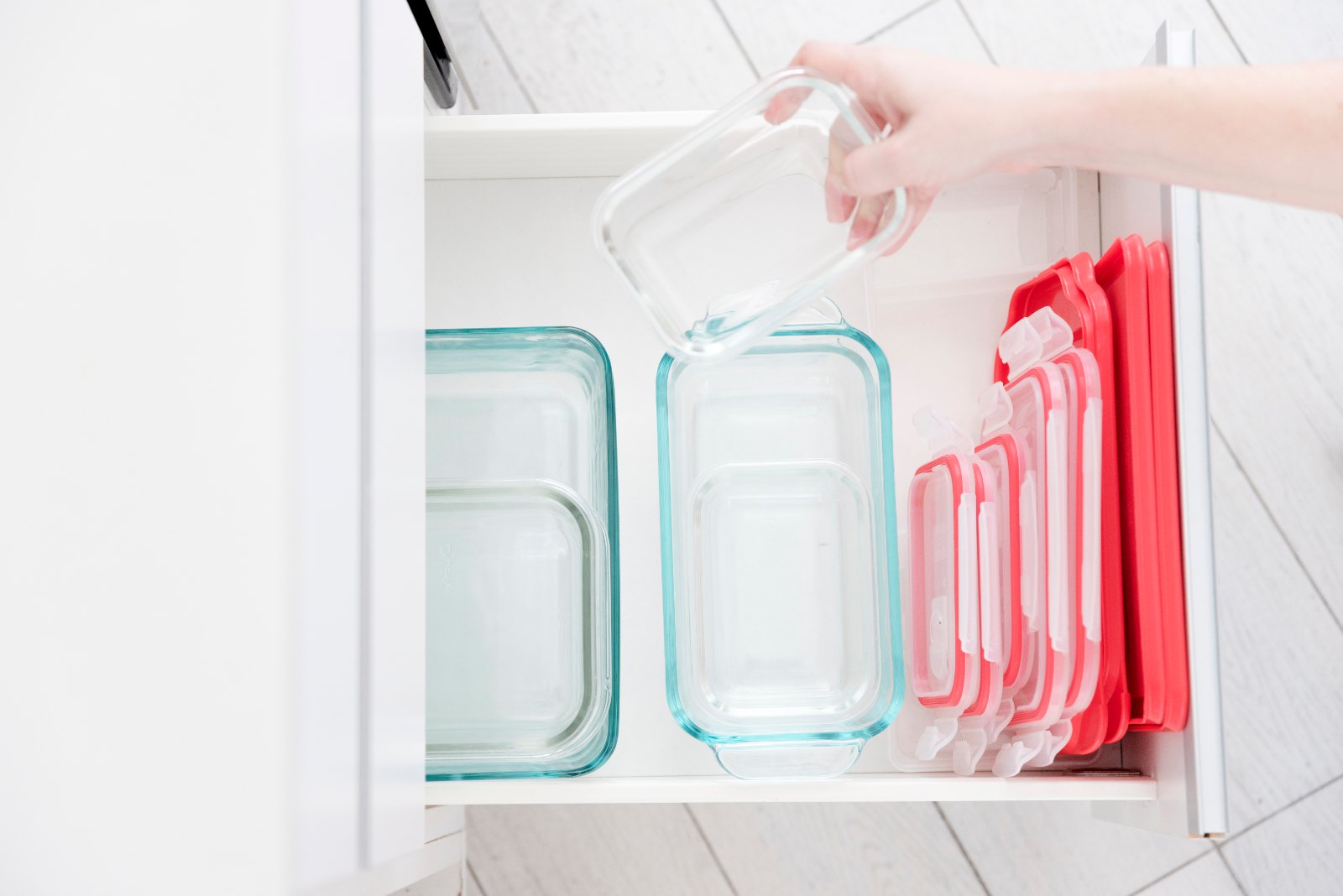
- Five or six airtight containers, glass for preference, and a chopping board.
Compartment boxes are not essential: a meal in this system fits in two boxes, the starch on one side, the cooked vegetable on the other.
Food safety and keeping times
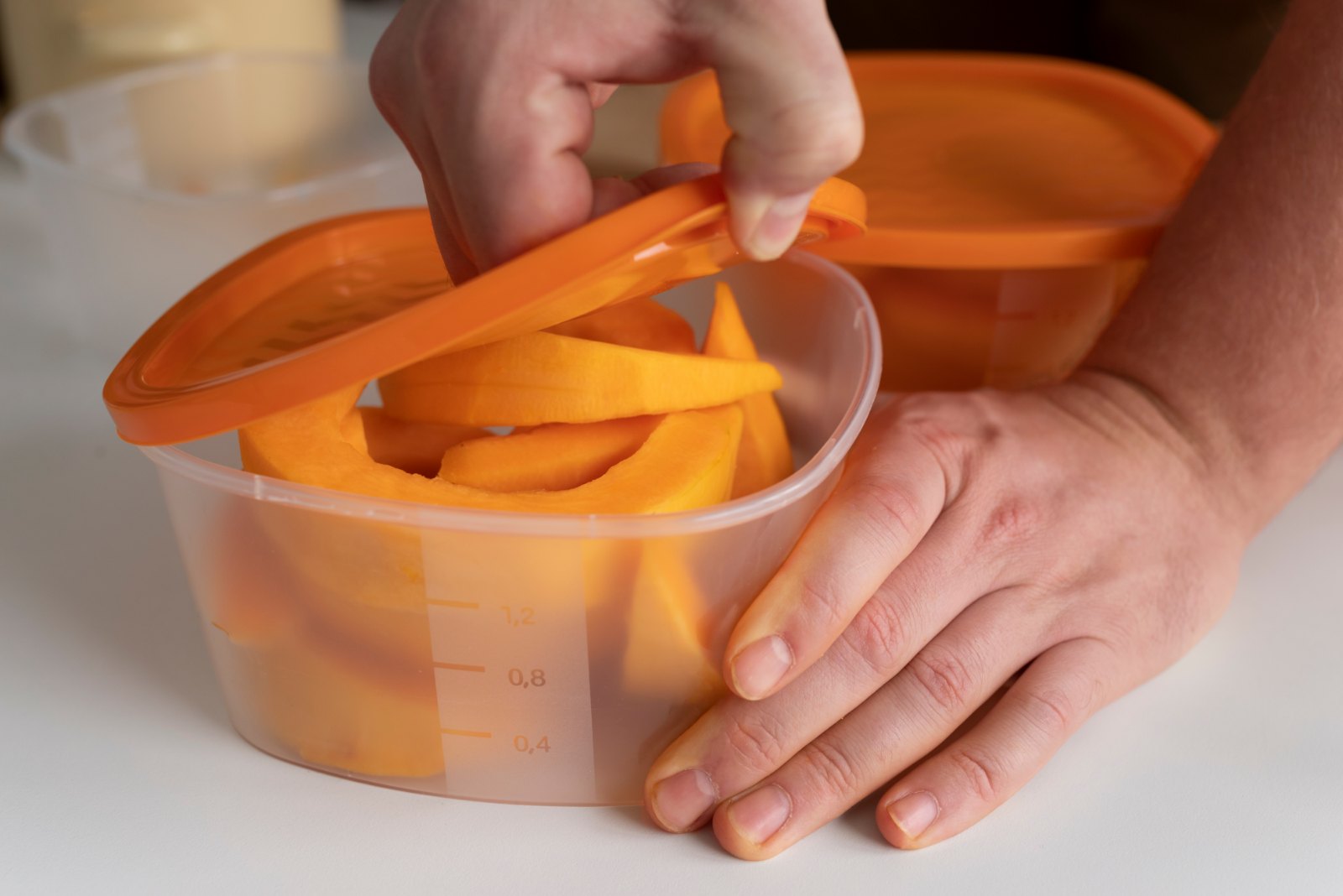
The system's sources do not deal with keeping prepared dishes. The markers below are those of home cooking; for precise times, follow your country's food-safety agency.
- Cool quickly, cover, refrigerate. Cooked rice in particular is not left for hours at room temperature.
- Eat refrigerated bases within the next few days; freeze the rest. Squash soup, cooked tomato sauce and meat broth freeze very well.
- Reheat right through, once only.
- Prepare fish on the day it is eaten: the system wants it grilled for preference, and a grilled sea fish (green) keeps poorly from one day to the next.
- Label each box with the date and, where it matters, "yes day" or "no day".
Your first meal-prep session, step by step
Step 1 — Map the week
On a sheet of paper, mark the "yes" days (with animal protein) and the "no" days, then spread the proteins: sea fish or fresh sardines (yellow, fresh, on protein days), pigeon (green) or rabbit (green), and at most two meals of lamb (orange, two meals a week, an allowance shared with goat and camel).
Step 2 — Shop aisle by aisle
The programme's shopping list always follows the same order: starches, fats, aged cheeses, "yes" day proteins, vegetables to cook, fruit, nuts, drinks and spices. It contains neither onion nor garlic, both red zone, left out cooked as well as raw.
Step 3 — Start the starches
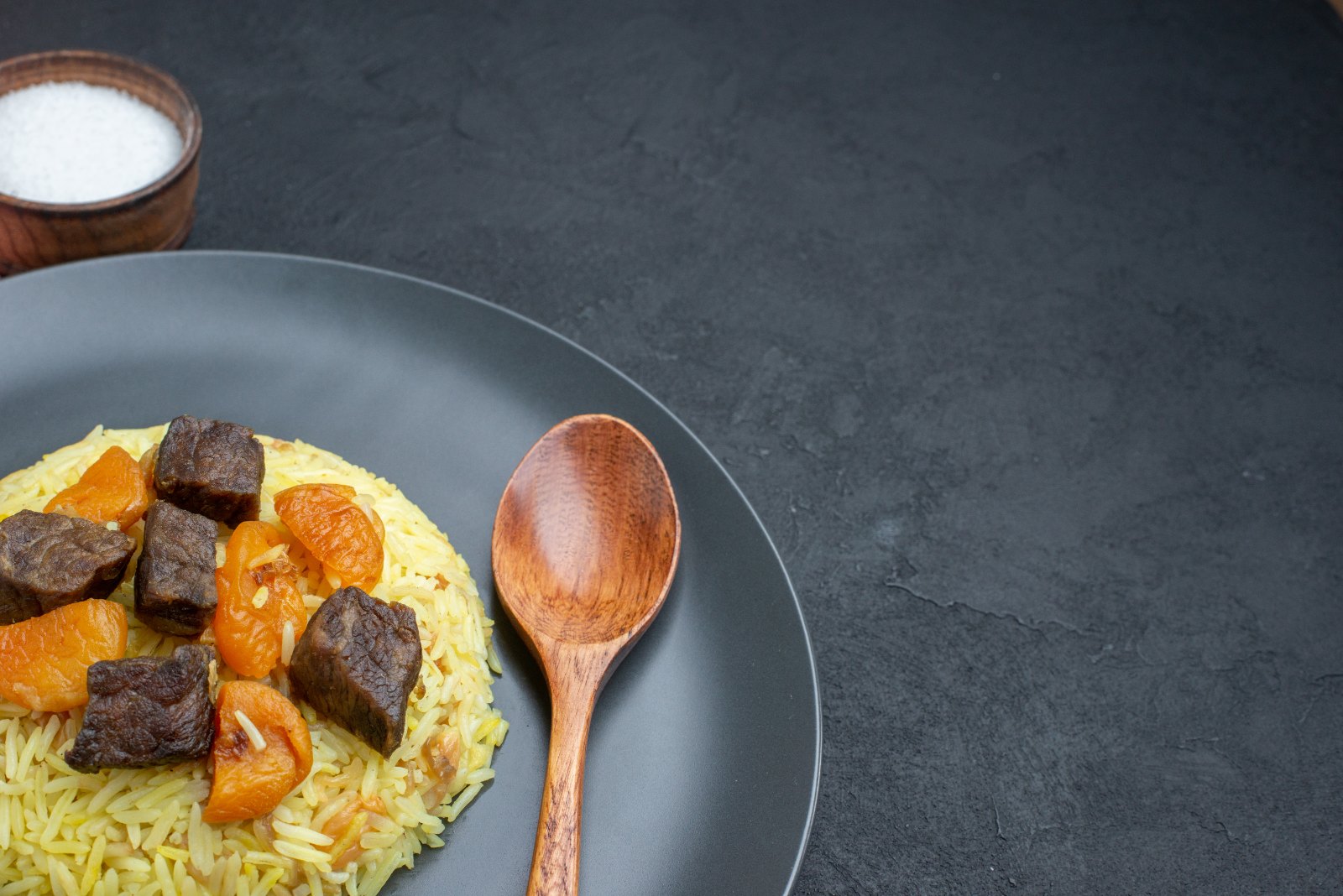
Cook a large pot of white rice in salted water and boil whole potatoes. These are the two pillars the system admits every day; once cooled, they reheat, sauté in smen or go into the oven.
Step 4 — Cook the vegetables
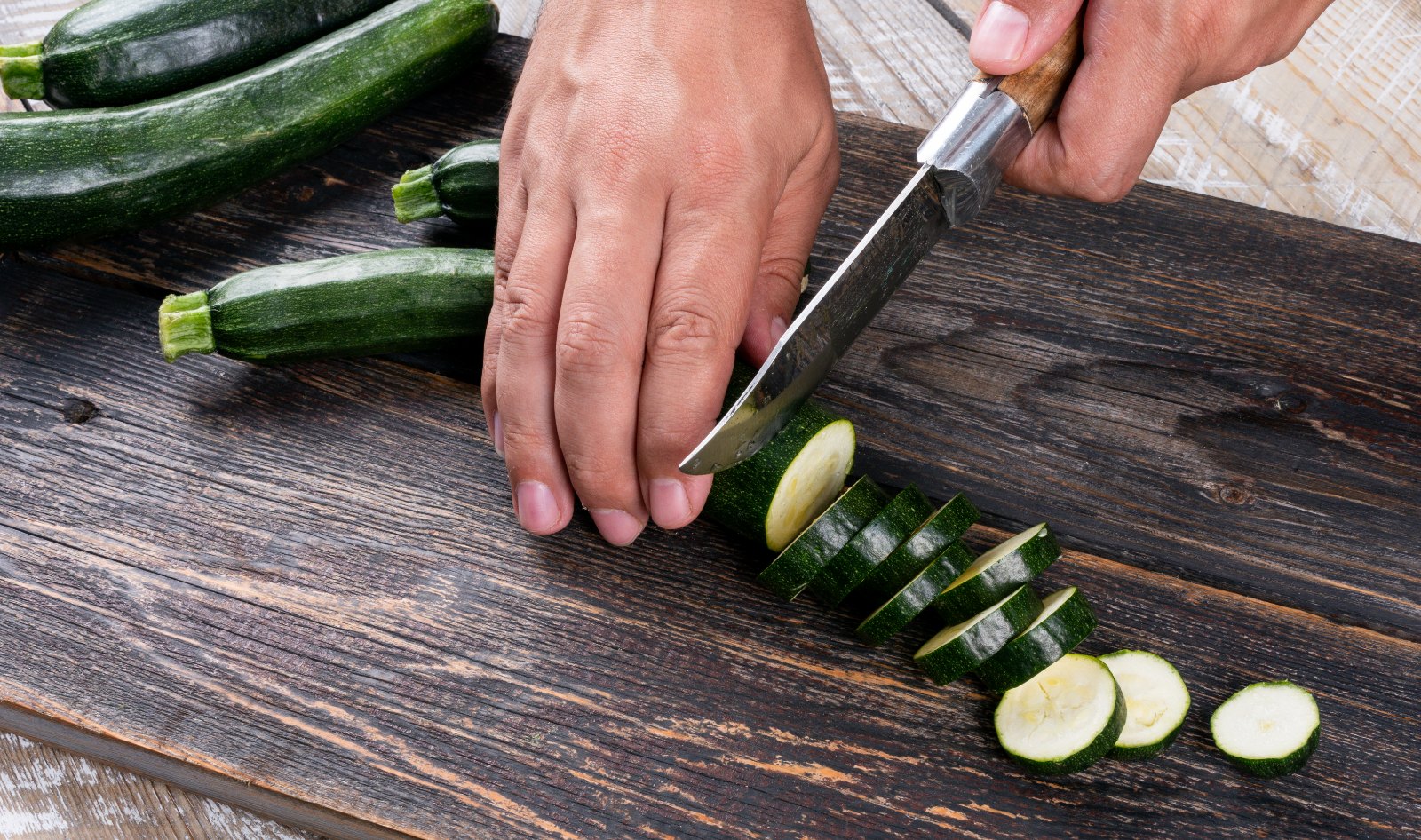
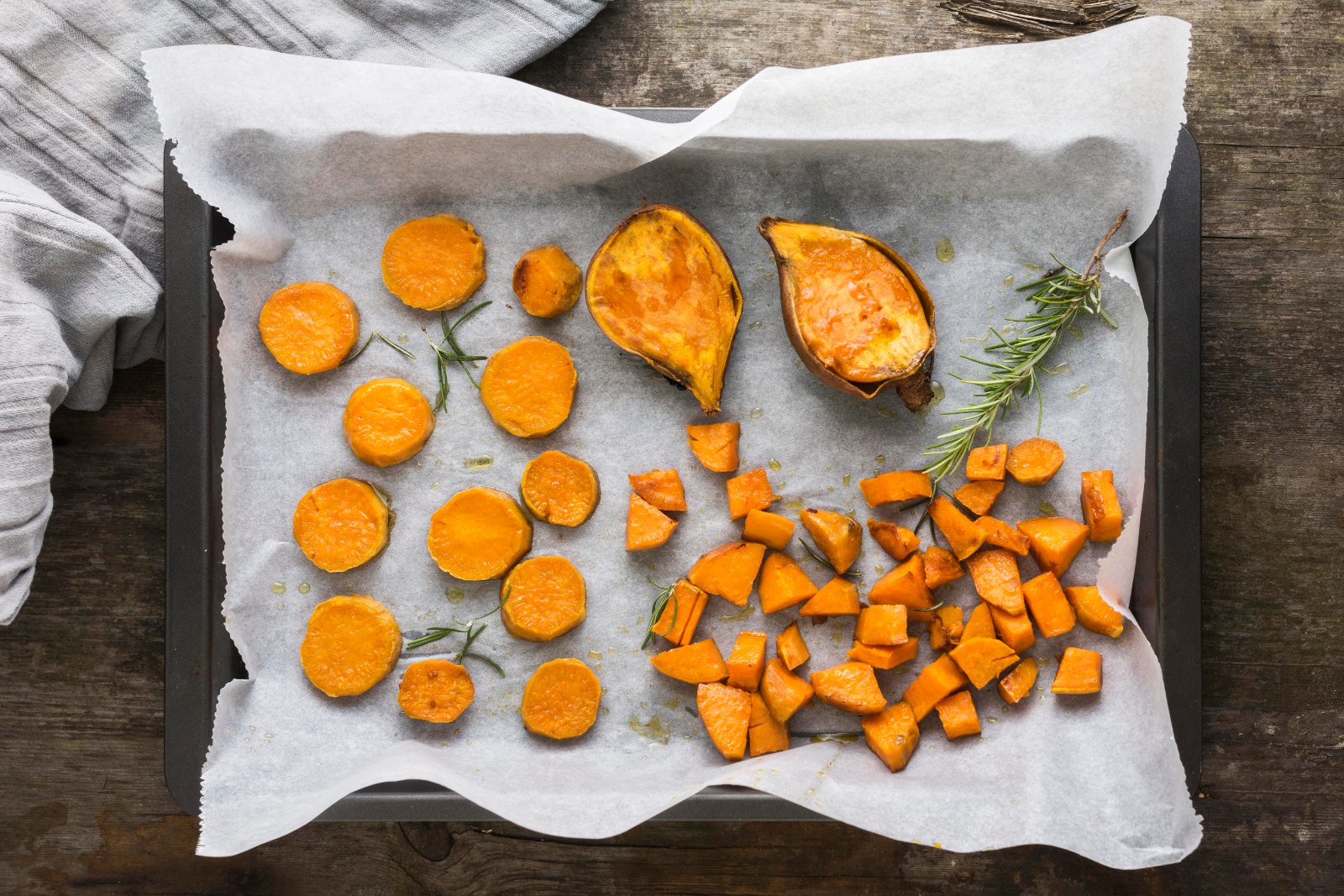
While the starches cook, roast the squash in the oven with butter, make a squash soup, boil courgettes and carrots (orange, cooked only), and simmer a cooked tomato sauce, without onion or garlic, with salt (green), cumin (green) and black pepper (green).
Step 5 — Get ahead on the "yes" day meat
If the week carries lamb or beef (orange, one meal a week, shared with buffalo), boil it in salted water following the system's method and keep the broth to cook the rice. The searing in smen happens at mealtime.
Step 6 — Cool, portion, label
Divide the bases into the containers, let them cool, close them, date them. The dates (green, one to six a day according to the system) and almonds (yellow, in measure, plain) for snacks need no preparation at all.
A beginner meal-prep plan
The plan below takes the bases of the first week of the site's programme; zones are given, with the condition for orange foods.
| Base prepared on Sunday | Zone | Meals of the week it serves |
|---|---|---|
| Cooked white rice | green | Monday, Wednesday and Thursday lunches |
| Boiled potatoes | green | sautéed in smen on Tuesday, oven-baked Monday evening, mashed Wednesday evening |
| Roasted squash and squash soup | green (cooked) | Monday's side dish, Tuesday and Sunday dinners |
| Cooked courgettes and carrots | yellow / orange (cooked) | Tuesday lunch, Wednesday lunch |
| Cooked tomato sauce | orange (cooked, in sauce) | Saturday's courgettes stuffed with rice |
| Kashkaval, roumi cheese, processed cheese | green | dinners on "no" days |
How to recombine these bases through the week
- Monday, yes day. Reheated rice, salt-grilled sardines made that day, roasted squash; in the evening, oven potatoes with smen and kashkaval.
- Tuesday, no day. Potatoes sautéed in smen and cumin, courgettes cooked in butter, grapes (green) for dessert taken right away; in the evening, squash soup, bran toast and roumi cheese.
- Wednesday, yes day. Rice, oven-baked sea fish, cooked carrots. In the evening, mashed potato with butter and a few strawberries (green).
- Thursday, no day. Rice, sautéed mushrooms, roasted sweet potato (green); in the evening, steamed potatoes and grilled mozzarella (green).
Breakfast needs no preparation: bran toast, butter and honey (green), green tea (green, without milk) or black coffee (green, without milk).
Time-saving tricks
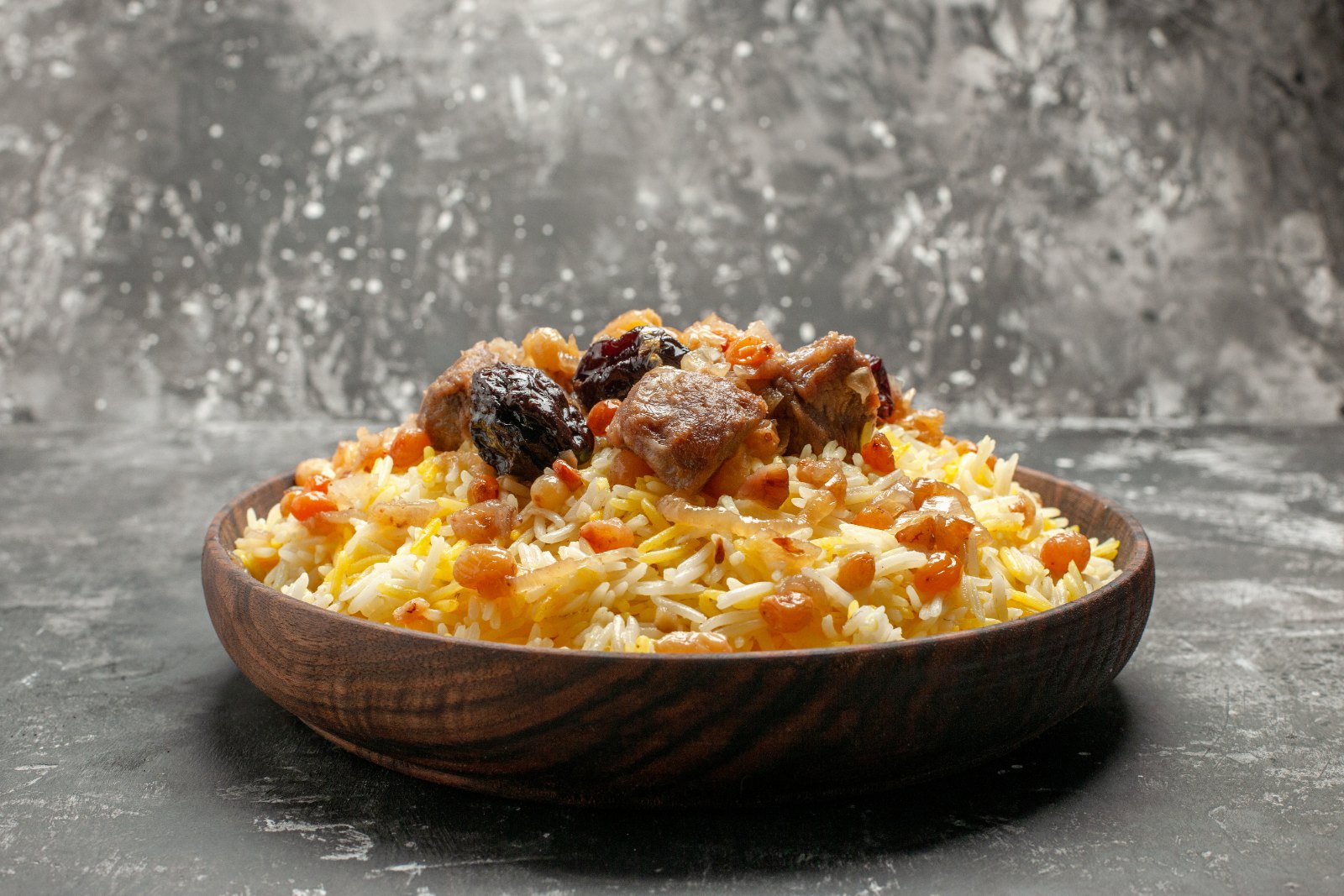
- Cook the rice in the meat broth. That is the programme's method for red meat: the broth flavours the rice without onion or garlic.
- Make the cooked tomato sauce in one go. It serves the courgettes stuffed with rice and the stuffed aubergines (orange, cooked only).
- Keep an aged cheese in the fridge. A "no" day dinner comes together in five minutes with already-cooked potatoes and some cheddar (green).
Expert tips
The tips below come from the system's sources, then from conventional nutrition.
- One food family at a time. The system's sources advise against changing everything at once; the four-week transition removes one family per week. In the first week, only rice and potatoes change.
- Group the dessert and the tea with the meal. For the two-hour rule, the fruit and the mint tea (green) are taken during the meal, not an hour later.
- What dietitians say. A meal prep that follows the system contains no legumes (red), no raw vegetables, no eggs (red) and no yoghurt (red), all set aside by the method and recommended by conventional nutrition. On "no" days, protein comes mostly from aged cheeses, tahini (green) and nuts, which dietitians judge insufficient. Preparing ahead changes nothing on that point.
Frequently asked questions
Can rice be prepared in advance in the Tayyibat system?
Yes — it is exactly what the system's sources advise beginners: cooked rice and boiled potatoes in the fridge from the first day of the transition. The rice reheats, sautés in butter or stuffs courgettes.
Is meal prep compatible with the two-hour rule?
It helps. According to the system, every bite taken while cooking restarts the counter; a meal already made is reheated without snacking. Dessert and tea are still taken during the meal.
Do "yes" days and "no" days have to be prepared separately?
No, the bases are the same: rice, potatoes, cooked vegetables, aged cheeses. Only the animal protein changes: fish is prepared on the day, red meat is boiled ahead then seared in smen at mealtime.
Does meal prep under this system suit the whole family?
The system's sources refer to the doctor or the paediatrician for children, pregnant or breastfeeding women and people on treatment. Preparing ahead is no problem in itself; it is the content of the system that must not be applied to them without advice.
Further reading
The guide on batch cooking in Morocco and the article on organising the week's meals complete the method. The two-hour rule explains why dessert is taken with the meal, and the balanced weekly menu under the system gives all seven days. Every entry in the food database gives the zone, the condition and the position of conventional nutrition.
Disclaimer
This article describes an eating system for information. It does not replace medical advice. In case of illness, ongoing treatment, pregnancy or diabetes, talk to your doctor before any change of diet.