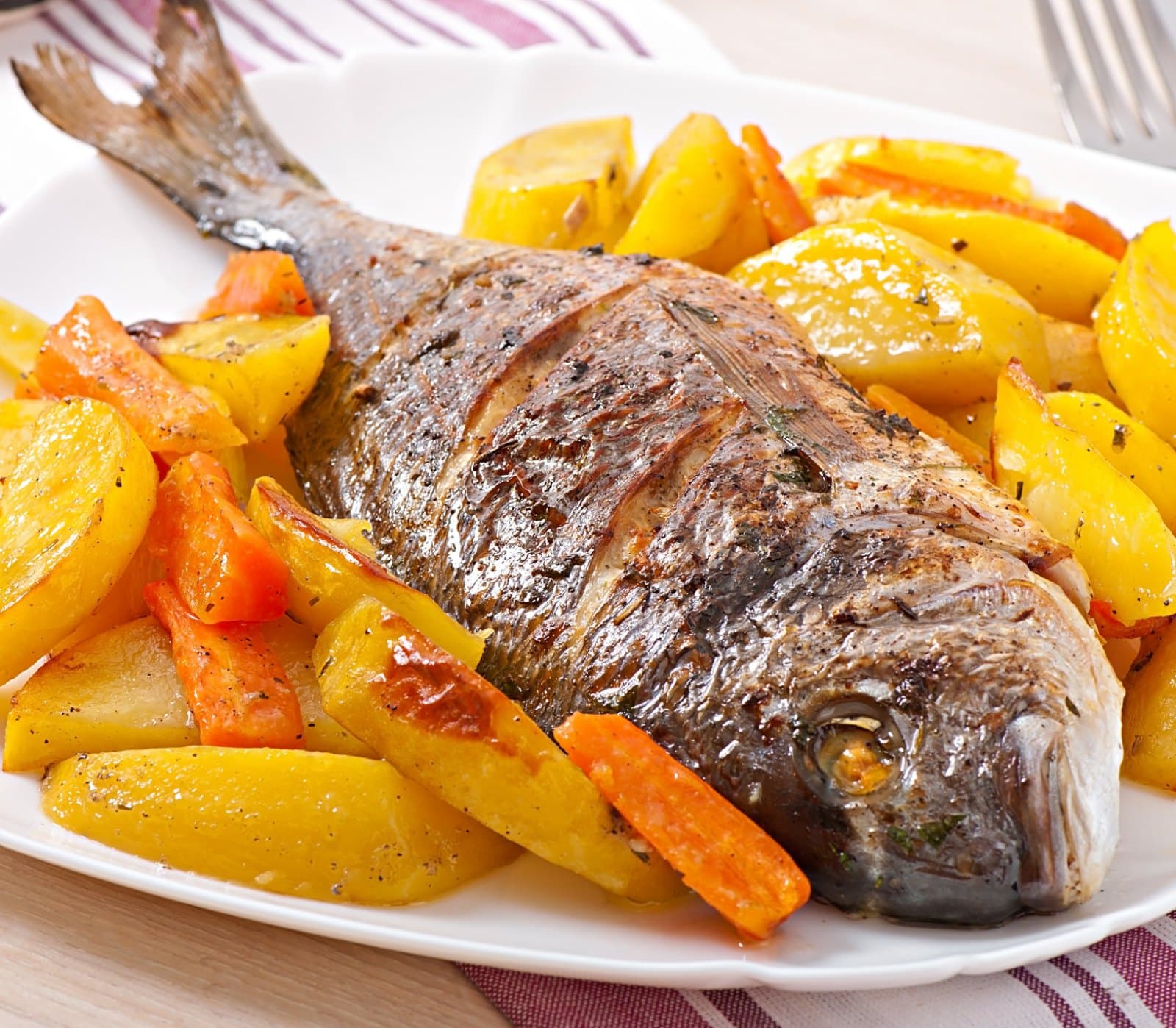
A balanced weekly menu, in the sense of the Nidam al-Tayyibat, alternates days with and without animal protein, builds every meal around rice or potato, and uses only foods from the palette, with vegetables always cooked. This article sets out the method described by Dr Diaa Al-Awadi, a seven-day example taken from the site's programme, the matching shopping list, and what conventional nutrition makes of it.
Why planning a balanced weekly menu changes everything

Elsewhere, planning the week is a convenience. In this system it is a necessity, because three of its rules can only be checked over a whole week.
- The "one day yes, one day no" alternation. According to the system, animal protein is eaten every other day, or three to four days a week. Without a calendar you lose the thread.
- The weekly red-meat quotas. Lamb (orange) is limited to two meals a week, a quota shared with goat and camel; beef (orange) to a single meal. Tuesday's kefta tagine counts against Sunday.
- Vegetables always cooked. The palette admits nothing raw; every vegetable means shopping and cooking time planned in advance.
The system's compilations advise setting the week out on a sheet of paper, "yes" and "no" days marked, before the shopping. Nothing requires seasonal produce, but the palette lends itself to it: in autumn, squash (green, cooked), apple (green, peeled for preference) and grapes (green) come back in almost every menu of the programme.
What does "balanced" mean in this system?
The word does not carry the meaning dietitians give it. The system judges a meal balanced when it is simple, made of foods from the palette and eaten at real hunger; it counts neither calories nor portions. Conventional nutrition defines balance by the variety of food families, and observes that this palette sets aside raw vegetables, legumes, eggs, poultry and fresh dairy.
The principles of a balanced plate
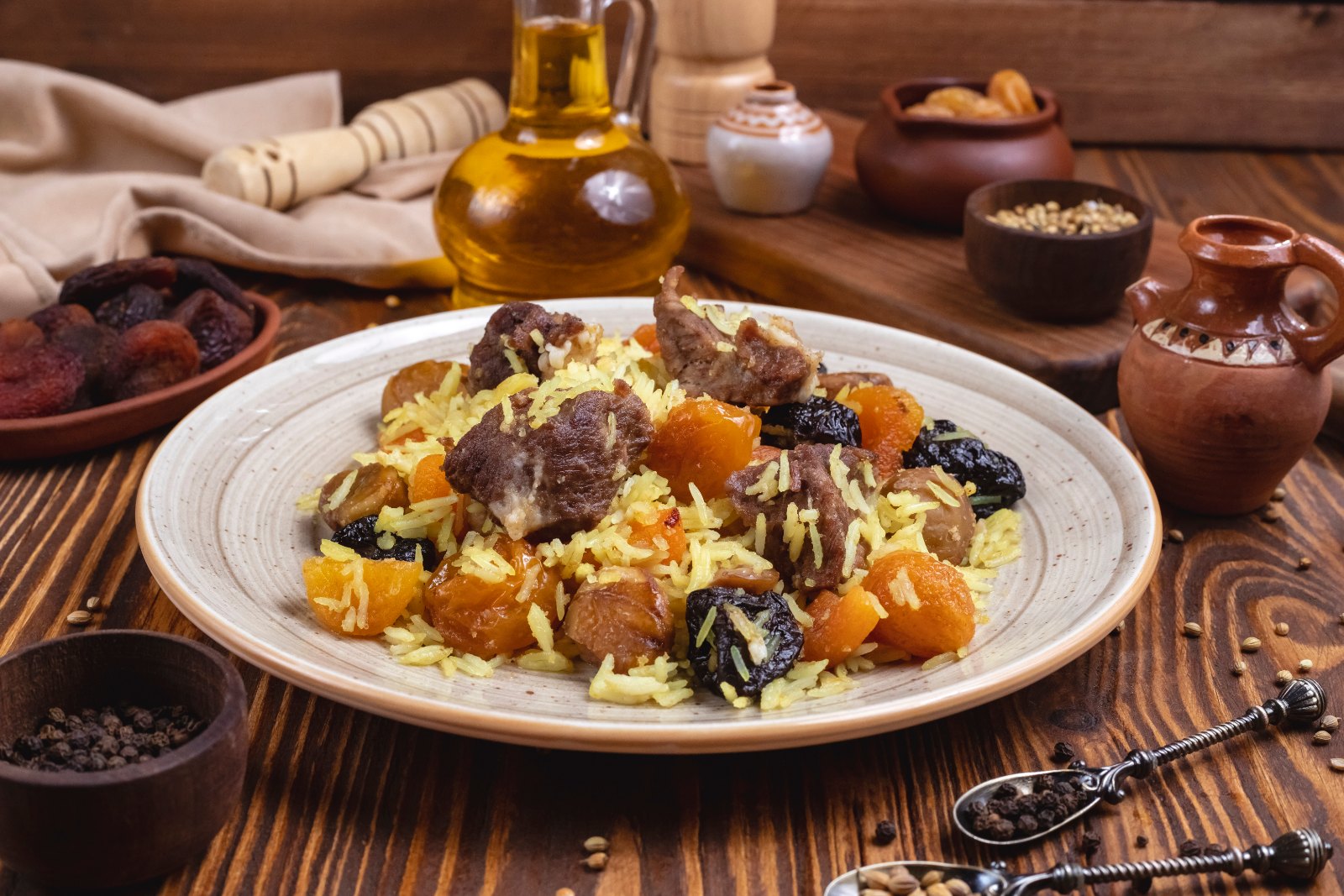
The system's sources describe the formula of a meal in three elements, sometimes four: a base starch, an admitted protein if it is a "yes" day, a natural fat, often a cooked vegetable. A plate of rice, slow-cooked meat and dried fruit — like the programme's lamb with apricots — is the Moroccan illustration of it.
- The starch: white rice (green) or potato (green), the first two of the five pillars, admitted daily according to the system.
- The protein, on "yes" days only: sea fish (green, grilled for preference), fresh sardine (yellow), pigeon (green), rabbit (green), or a red meat within its quota.
- The fat: butter (green), smen (green) or olive oil (green).
- The vegetable, always cooked: courgette (yellow, never raw), squash, mushrooms (green, cooked), carrot (orange, cooked only).
Dessert and tea are taken straight after the meal: that is the two-hour rule, which counts the delay from the last mouthful. The plate health institutions recommend is a different one: half vegetables, raw ones included, a quarter starch, a quarter protein, alternating meat, fish, eggs and legumes. Dietitians flag the protein and fibre intake of "no" days, which here rest on aged cheeses and tahini.
How to build your balanced weekly menu, step by step
The method follows the order the system's compilations give; it fits into six steps.
- Set the "yes" and "no" days. Three or four "yes" days, alternating. The system also asks that two animal proteins never meet in the same meal.
- Place the red-meat quotas. Two meals at most for lamb, goat and camel together; one for beef, buffalo and veal. Minced meat (orange) and beef offal count within those quotas.
- Fill the "yes" days that carry no quota. Sea fish, fresh sardine, pigeon, quail and rabbit are not rationed, but they remain subject to the alternation.
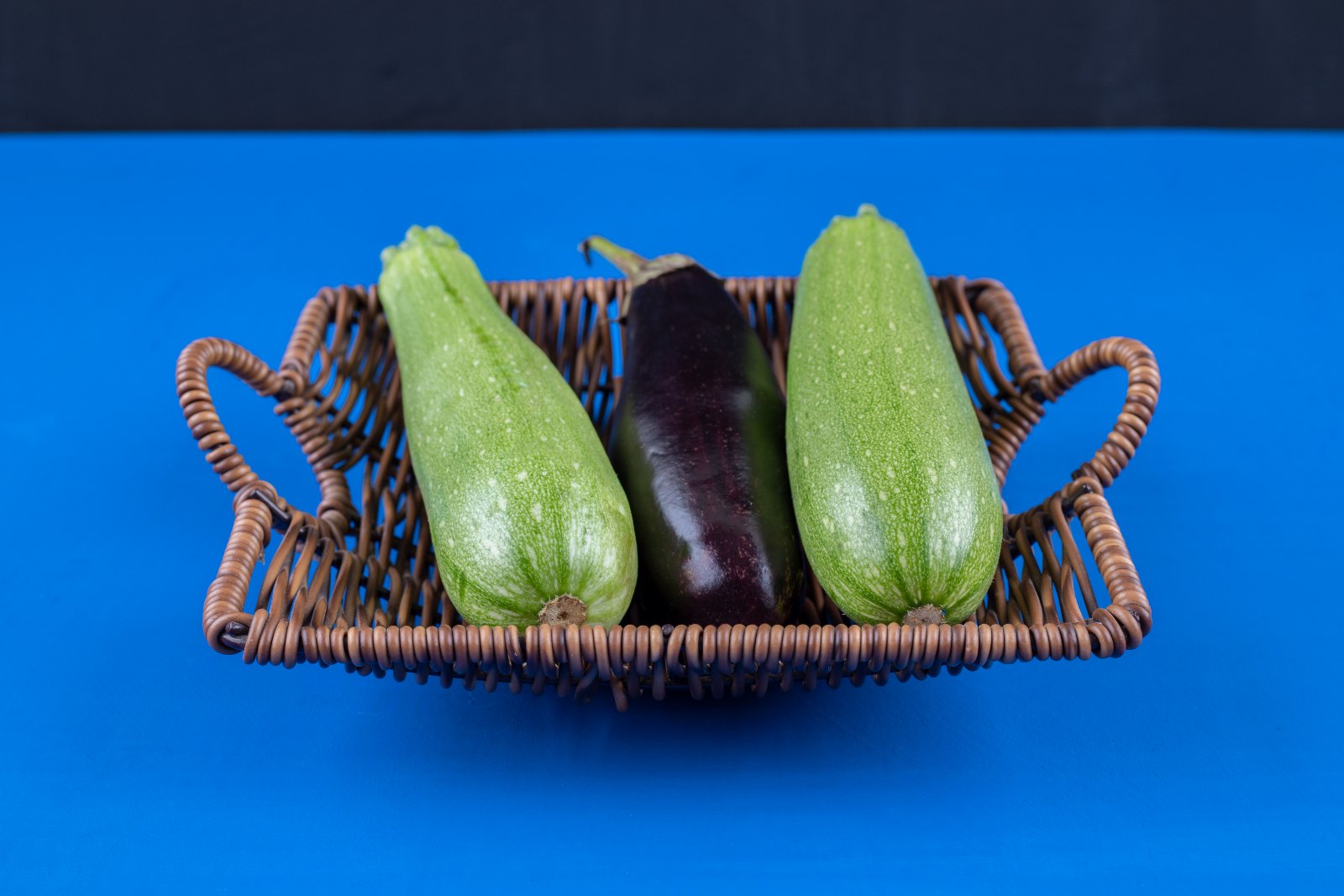
- Choose the week's cooked vegetables. Courgette and aubergine (orange, cooked only), squash, carrot, mushrooms, sweet potato (green), and tomato (orange, cooked in sauce for preference) for the stews. A basket of courgettes and aubergines covers three lunches.
- Settle on two or three breakfasts that rotate. Bran toast (green), butter and honey (green); sesame halva (green) and roumi cheese (green); rice with butter and sugar.
- Write the shopping list and prepare the starch base. A pan of cooked rice and boiled potatoes in the fridge, the sources advise, so you are never caught out.
An example of a balanced weekly menu (7 days)
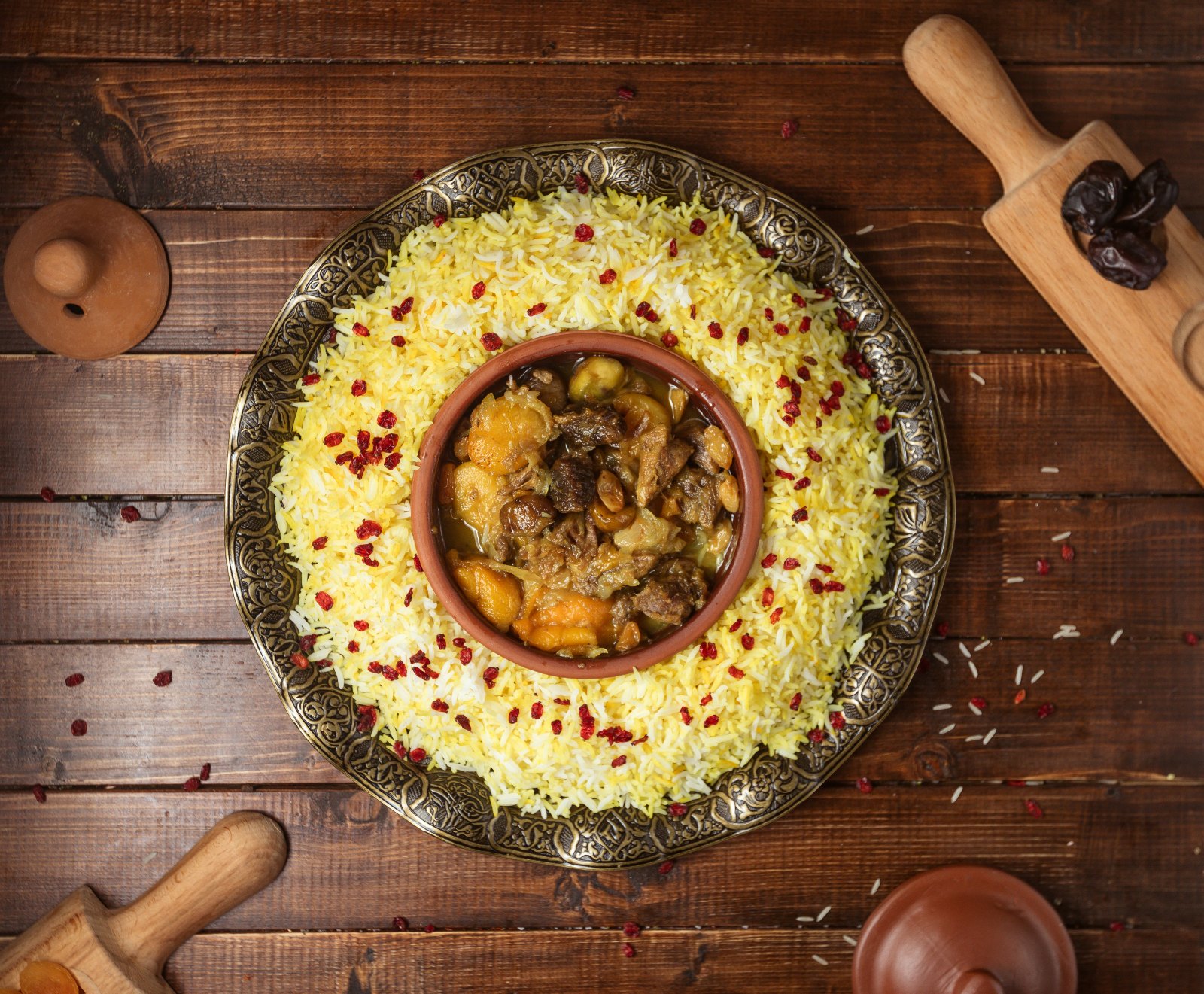
The week below is the first of the site's four-week programme. Everything is in the green or yellow zone, except the three orange foods flagged. On Friday, lamb boiled then seared in smen, served with rice and dried fruit, uses the first of the week's two lamb meals.
| Day | Breakfast | Lunch | Snack | Dinner |
|---|---|---|---|---|
| Monday (yes) | Bran toast, butter, honey; green tea (green, without milk) | Rice, grilled sardines (yellow), squash roasted in butter | 3 dates (green, 1 to 6 a day), black coffee (green) | Oven potatoes with smen, kashkaval (green) |
| Tuesday (no) | Rice with butter and sugar, cinnamon (yellow) | Potatoes sautéed in smen with cumin (green), cooked courgettes; grapes | Peeled apple, almonds (yellow, in measure) | Squash soup, bran toast, roumi cheese |
| Wednesday (yes) | Bran toast, jam (green), cheddar (green); mint tea (green) | Rice, baked sea fish (green), cooked carrots (orange) | Pear (green), a few walnuts (yellow) | Mashed potato with butter; strawberries (green) |
| Thursday (no) | Sesame halva, roumi cheese; black coffee | Rice, mushrooms sautéed in butter, roasted sweet potato | Dates, green tea | Steamed potatoes, grilled mozzarella (green); banana (green) |
| Friday (yes) | Qechta (green) and honey on bran toast | Rice, lamb boiled then seared in smen (orange, 1st of 2 meals), dried apricots (green) | Apricot or peach (green) | Bran toast, butter, processed cheese (green); grapes |
| Saturday (no) | Tahini (green) and date molasses (green), bran toast | Courgettes stuffed with rice, cooked tomato sauce (orange) | Pistachios (yellow, in measure), pear | Home-made chips in sunflower oil (yellow, for frying), kashkaval |
| Sunday (yes) | Bran toast, butter, honey; black coffee | Rice, pigeon roasted in butter (green), potatoes | Dates, mint tea | Squash soup, bran toast, roumi cheese |
Four "yes" days, three "no" days. The beef quota is untouched; to use it, replace Wednesday's fish with beef boiled then seared in smen. No meal brings two animal proteins together, and none contains onion, garlic, lemon or bread.
An indicative nutritional breakdown of a balanced day
The system gives neither grams nor calories: its "breakdown" is a breakdown of frequencies, that of the palette's five zones.
| Food family | Frequency under the system | In the menu above |
|---|---|---|
| The five pillars: rice, potato, dates, butter, white sugar (green) | every day; dates one to six a day | rice or potato at every meal, dates as a snack |
| Animal protein | every other day, quotas for red meat | sardine, fish, lamb, pigeon |
| Aged cheeses, qechta | free; the backbone of "no" days | kashkaval, roumi, cheddar, mozzarella |
| Cooked vegetables | at every lunch | squash, courgette, carrot, mushrooms, cooked tomato |
| Fruit | peeled for preference, or as strained juice | apple, pear, grapes, strawberries, banana; pomegranate (green) rather as strained juice |
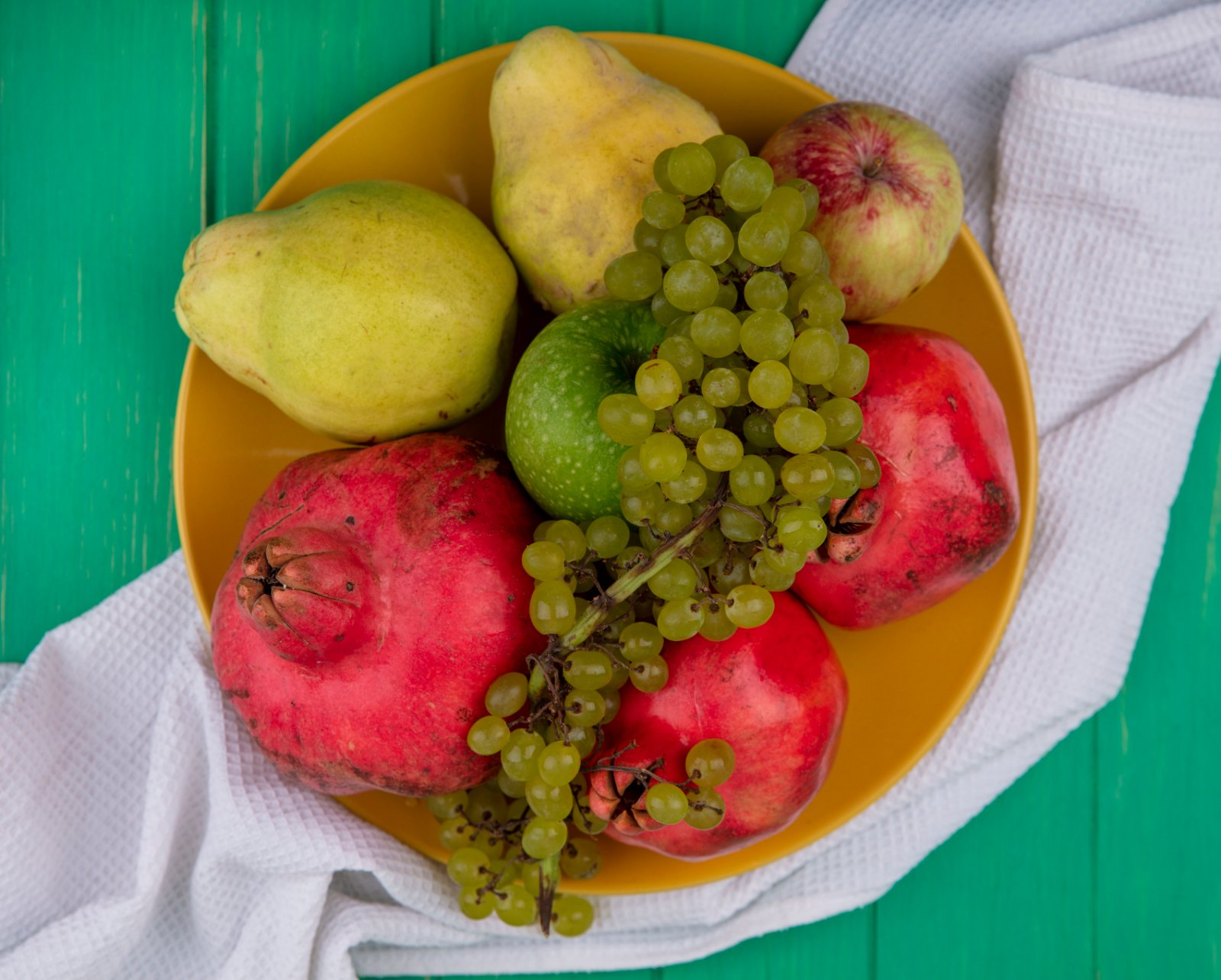
Quince, sold in autumn alongside pomegranates and apples, has no entry in the site's database; under the method, a food absent from the lists is set aside by default.
What the table does not contain matters just as much. The "sugar" pillar contradicts the WHO recommendations, which limit added sugar to less than 10% of daily energy; white rice and dates at every meal are, for medical institutions, a point of vigilance for people with diabetes; the absence of legumes and raw vegetables reduces fibre. Anyone who is diabetic, pregnant, a child or under treatment should not apply this breakdown without their doctor, nor change a treatment alone.
Expert advice for keeping your menu going
The advice that follows comes from the system's compilations and the site's guide, not from a dietetic opinion.
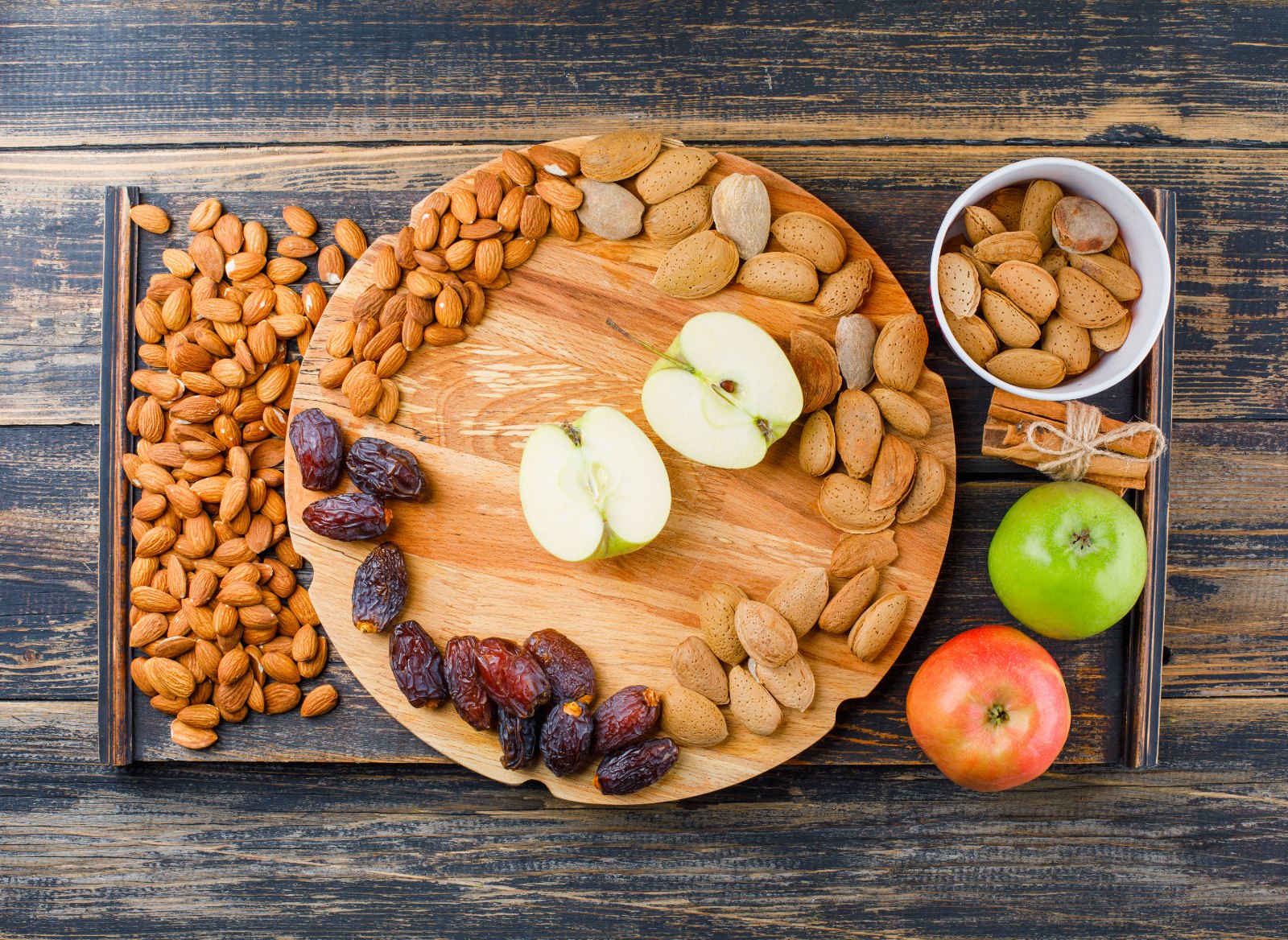
- Prepare the snack in advance. The typical snack fits in a box: a peeled apple, a few dates, a small handful of plain almonds, a pinch of cinnamon. It is eaten at least two hours after the previous meal.
- Keep a starch base in the fridge. Cooked rice and boiled potatoes, reheated in butter or smen, keep bread from coming back on tired evenings.
- Group dessert and tea into the meal. Tea served forty minutes after the dish restarts the two-hour clock; the system asks that it be taken while the meal is still "open".
- Drink to thirst, not to a quota. Lukewarm water (green), in small sips, between intakes rather than during them.
- Follow without obsession. One weigh-in a week according to one source; and, the site's guide adds, speak to a doctor about any persistent fatigue or digestive trouble.
Shopping list for your weekly menu
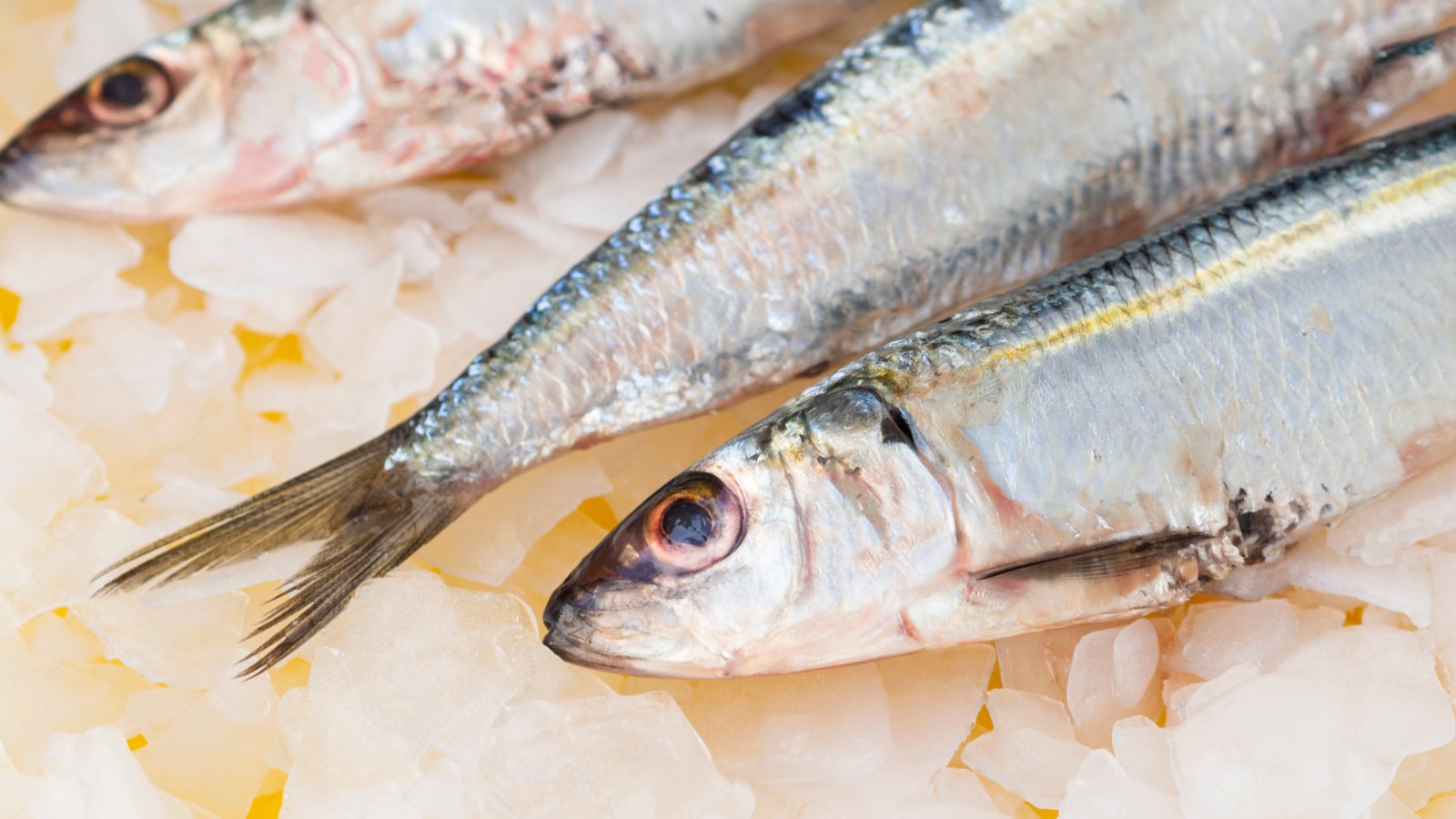
The list follows that of the programme's first week; sardines and sea fish are bought fresh, the day before the planned "yes" day.
- Starches: white rice (basmati or short grain), potatoes, sweet potatoes, two packets of bran toast.
- Proteins for "yes" days: fresh sardines, a whole sea fish (sea bream or whiting), a shoulder of lamb, two pigeons.
- Cheese and dairy: natural butter, smen, qechta, kashkaval, cheddar, roumi cheese, mozzarella, processed cheese.
- Vegetables, always cooked: squash or pumpkin, courgettes, carrots, mushrooms, ripe tomatoes for the sauce.
- Fruit: dates, apples, pears, grapes, strawberries, bananas, apricots.
- Sweet groceries: honey, jam, date molasses, halva, tahini; white sugar for those who follow that pillar.
- Nuts: almonds, walnuts, pistachios, plain and unsalted.
- Drinks and spices: green tea, mint, coffee, salt (green), black pepper (green), cumin, cinnamon, olive oil, sunflower oil for frying.
No longer on it, because the site's database puts them in the red zone: white bread, pasta and couscous, replaced by rice and bran toast; milk and yoghurt, replaced by qechta and aged cheeses; eggs and chicken, replaced by sea fish, pigeon and rabbit; legumes, replaced by potato and rice; onion and garlic, with no equivalent.
Common mistakes to avoid

- Counting minced meat separately. Lamb kefta uses one of the two lamb meals; liver or beef trotter broth, the single beef meal.
- Serving something raw "to balance things out". Salad, raw tomato, cucumber: all in the red zone. The system holds that vegetables are eaten cooked; a squash soup with butter rescues a dinner short on vegetables.
- Keeping wholemeal bread while meaning well. Only bran toast is admitted; round wholemeal bread and khobz appear on no list.
- Cooking with lemon, onion and garlic. All three are in the red zone; salt, cumin, black pepper and ginger season the programme's dishes, and preserved lemon (orange, in small quantity) replaces fresh lemon.
- Applying the week without medical advice while under treatment. For diabetes, blood pressure or the thyroid, the system itself refers to the doctor and forbids stopping a treatment.
Discover Nidam Tayebat

The site nidamtayebat.com, published by the Nidam Tayebat team, documents Dr Diaa Al-Awadi's system for information: a food database giving each product its zone, its condition and the position of conventional nutrition, a guide, and a four-week programme that follows the transition the sources describe. The week presented here is its first; its days end with mint tea and a few dates, taken straight after the meal.
Frequently asked questions
How many animal-protein days are there in a balanced weekly menu under the system?
Every other day in the strict formulation, three to four days a week in the looser one. The programme's week has four "yes" days; red meats enter it within their weekly quotas.
Is this weekly menu suitable for someone with diabetes?
Not without their doctor's agreement. The system provides white rice, dates and sugar every day, which medical institutions judge risky for people with diabetes. Its own sources refer to the doctor and forbid changing a treatment.
Does a balanced weekly menu under the system make you lose weight?
Nobody has measured it in published form, and this article reports no figures. The system removes processed products, bread and sugary drinks, but adds rice, butter, dates and sugar; the effect on weight is not documented.
What replaces bread in this menu?
Rice and potato at the main meals, and bran toast at breakfast and dinner. Wholemeal bread, khobz and rye bread appear on no list of the system and are set aside by the whitelist rule.
Quantities are not given — how do I judge them?
The system weighs nothing, except dates (one to six a day), red meat (rationed by the week) and sugar (a single source gives a range). For the rest, it asks that you eat at real hunger and stop before full satiety.
Further reading
The weekly quotas are detailed in the "one day yes, one day no" rule, the meaning of the colour dots in the five food zones of the Nidam al-Tayyibat, the rhythm of intakes in the two-hour rule. For the logistics, see how to organise your meals for the week; for "no" days, the cheeses the system admits.
Disclaimer
This article describes a food system for information. It does not replace medical advice. In case of illness, current treatment, pregnancy or diabetes, speak to your doctor before any change of diet.